







The next EP elections will likely end big party dominance and create genuine democratic space. But, ultimately, the functioning of the EU hinges on the success of the populist radical right.
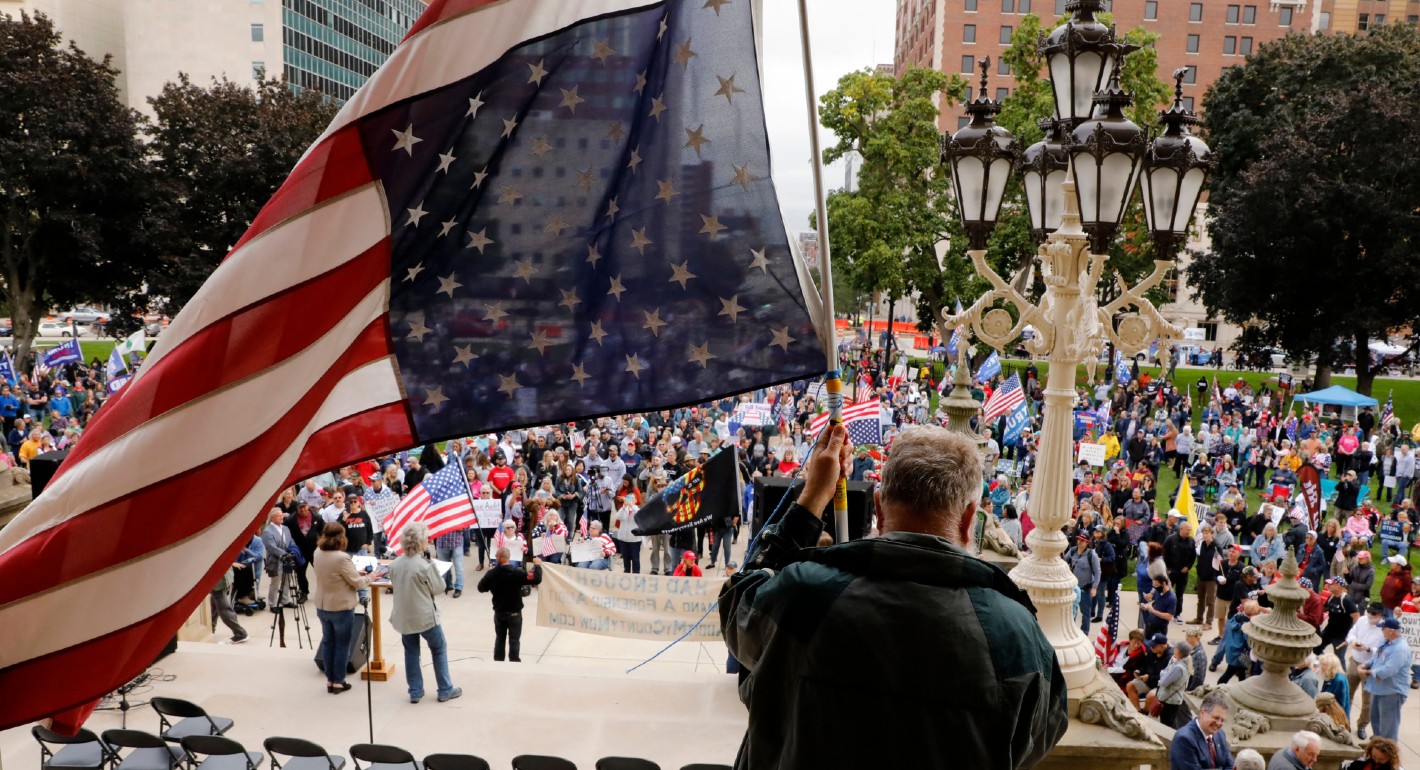
While the road out of today’s extreme political polarization in the United States isn’t obvious, adopting reforms like ranked choice voting could reduce polarization and better represent the will of the people.
Highly unequal societies are some of the most violent places on earth. Recovery requires an attentive middle class and politicians willing to make deals.
The distinction between political and criminal violence is not as stark as many think. When governments become complicit with violence these distinctions begin to blur.
Stabilization programs in Syria long outlived their original political rationale, but bureaucratic factors, analytic biases, and an imperative to deliver services kept them going.
While the EU is absolutely right to be taking steps to limit the power of the tech giants, it is remiss in neglecting the benefits of digital democracy.
President Trump’s statement about the murder of Saudi journalist Jamal Khashoggi was met with widespread criticism from around the world. He has set the United States down a road that breaks longstanding foreign policy precedent.
The devastating violence engulfing places buckling under gangs, drug cartels, and organized crime can seem hopeless. Yet some places—from Colombia to the Republic of Georgia—have been able to recover.
The world’s most violent places aren’t at war. They are polarized, unequal democracies. Here’s how to make them safer.
President Trump has attacked U.S. support for democracy overseas. Here is how Congress can limit the damage.


The Carnegie Democracy, Conflict, and Governance Program rigorously analyzes the global state of democracy, conflict, and governance, the interrelationship among them, and international efforts to strengthen democracy and governance, reduce violence, and stabilize conflict.