

Article
A notable degree of participative democracy has firmly arrived in Europe. But to have more far-reaching impact, democratic deliberation needs to move into a radically new phase.
Richard Youngs
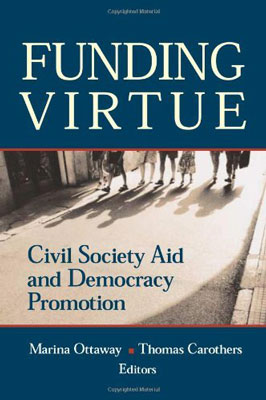
A diverse, distinguished group of democracy experts and civil society practitioners from both donor and recipient countries analyze civil society aid in five regions, including country case studies of South Africa, the Philippines, Peru, Egypt, and Romania.
Source: Washington

Funding Virtue: Civil Society Aid and Democracy Promotion critically examines this burgeoning field. A diverse, distinguished collection of democracy experts and civil society practitioners from both donor and recipient countries analyze civil society aid in five regions, including country case studies of South Africa, the Philippines, Peru, Egypt, and Romania. The authors focus on crucial issues and dilemmas, such as the relationship between donor conceptions of civil society and local realities, the effects of civil society programs, and how aid can be improved. The book's broad geographic reach, practical focus, and analytic rigor make it an invaluable guide to this vital new area of international affairs.
Contributors: Mustapha Kamel Al-Sayyid, Cairo University, Egypt; Carlos Basombrio, Instituto de Defensa Legal, Peru; Imco Brouwer, European University Institute; Thomas Carothers, Carnegie Endowment; Stephen Golub, Open Society Institute; Chris Landsberg, Centre for Policy Studies, South Africa; Marina Ottaway, Carnegie Endowment; Dan Petrescu, World Bank, Romania; Kevin Quigley, Global Alliance, International Youth Foundation; Mary Racelis, University of the Philippines; Michael Shifter, Inter-American Dialogue.
About the Editors
Marina Ottoway, co-editor, is a senior associate at the Carnegie Endowment for International Peace. A leading scholar of African politics, she has written extensively on political change and international aid in developing countries, including her book Africa's New Leaders: Democracy or State Reconstruction? (Carnegie Endowment, 1999).
Thomas Carothers, co-editor, is vice president for studies and director of the Democracy and Rule of Law Project at the Carnegie Endowment for International Peace. A leading specialist in democracy promotion, he has published numerous books on democracy aid, including Aiding Democracy Abroad: The Learning Curve (Carnegie Endowment, 1999).
"...well-written, very insightful, and filled with good information. An indispensable contribution for scholars and activists. Graduate and research collections."
—CHOICE

Harvey V. Fineberg Chair for Democracy Studies; Senior Fellow, Democracy, Conflict, and Governance Program
Thomas Carothers, a senior fellow in the Carnegie Endowment for International Peace’s Democracy, Conflict, and Governance Program, is a leading expert on comparative democratization and international support for democracy.

Former Senior Associate, Middle East Program
Before joining the Endowment, Ottaway carried out research in Africa and in the Middle East for many years and taught at the University of Addis Ababa, the University of Zambia, the American University in Cairo, and the University of the Witwatersrand in South Africa.
Carnegie does not take institutional positions on public policy issues; the views represented herein are those of the author(s) and do not necessarily reflect the views of Carnegie, its staff, or its trustees.

A notable degree of participative democracy has firmly arrived in Europe. But to have more far-reaching impact, democratic deliberation needs to move into a radically new phase.

Richard Youngs
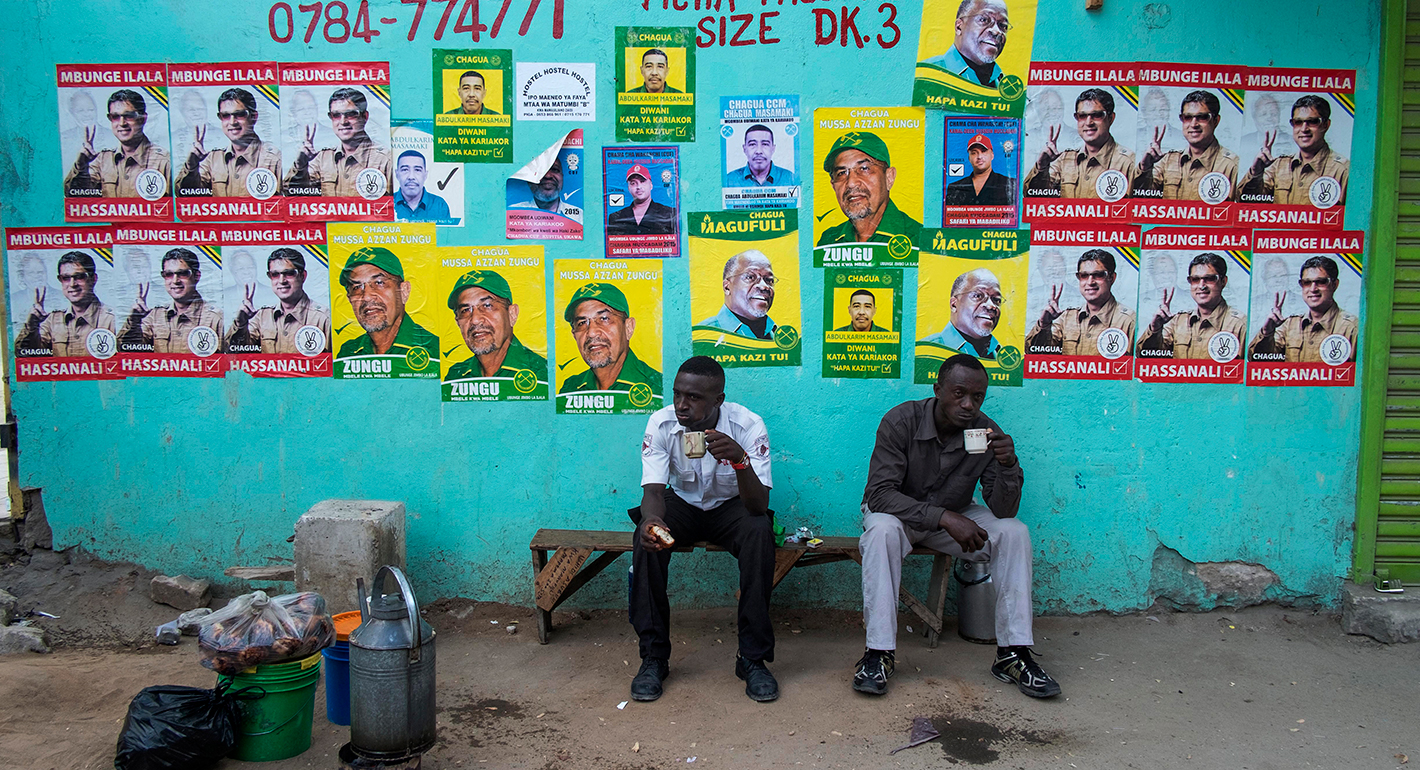
Today’s global democratic recession is partly rooted in a common perception that democracies have a delivery problem, with many citizens in both autocracies and democracies alike now believing that strongmen can achieve better governance outcomes. But a study of four countries in Africa reveals that democratic-leaning governments have demonstrated better governance performance than autocratic governments.


Sarah Yerkes, Natalie Triche, Amr Hamzawy
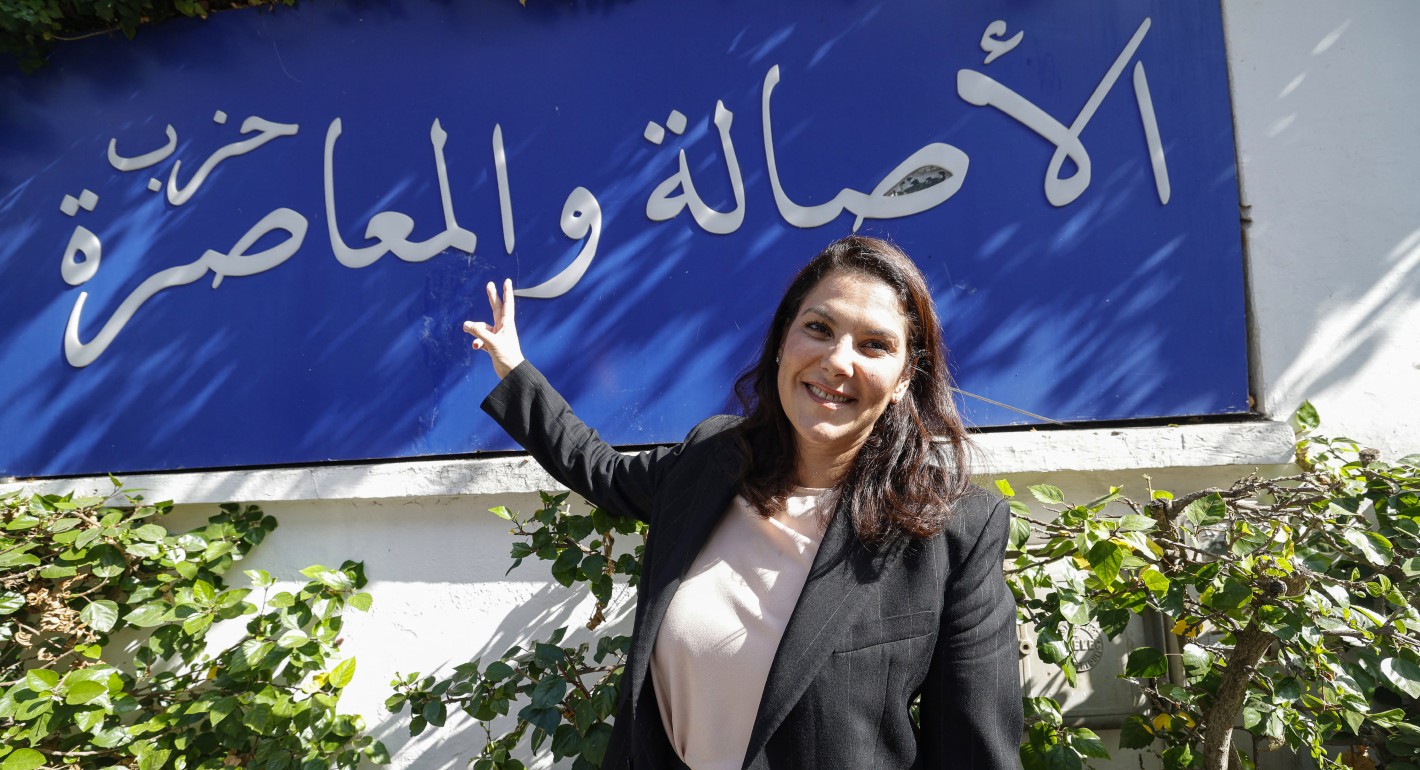
Fatima El Mansouri is the country’s first female prime minister. She’s also a privileged insider in a largely ceremonial position.
Sarah Yerkes

The domestic impacts of how long it is taking to end the war in Ukraine have pushed the French electorate to the political extremes and compromised the country’s diplomatic capacity.

Rym Momtaz

Before the next wave of EU enlargement takes place, the union needs to grapple with thorny questions of how power is distributed among its members.


Emil Sondaj Hansen, Ditte Brasso Sørensen