

In The Media
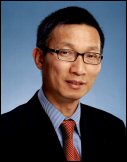
Minxin Pei
{
  "authors": [
    "Minxin Pei"
  ],
  "type": "legacyinthemedia",
  "centerAffiliationAll": "dc",
  "centers": [
    "Carnegie Endowment for International Peace",
    "Carnegie China"
  ],
  "collections": [],
  "englishNewsletterAll": "asia",
  "nonEnglishNewsletterAll": "",
  "primaryCenter": "Carnegie China",
  "programAffiliation": "AP",
  "programs": [
    "Asia"
  ],
  "projects": [],
  "regions": [
    "China"
  ],
  "topics": [
    "Economy",
    "Domestic Politics"
  ]
}
Source: Getty
Whether China will undertake political reform, which is broadly defined here as institutional changes that rationalize bureaucracy, strengthen the rule of law, expand political participation, and protect human rights, has been one of the most important issues facing policy- makers in China and the West ever since China began its economic reform in 1979.
Whether China will undertake political reform, which is broadly defined here as institutional changes that rationalize bureaucracy, strengthen the rule of law, expand political participation, and protect human rights, has been one of the most important issues facing policy- makers in China and the West ever since China began its economic reform in 1979. Many Western policy-makers expected that, as China becomes more wealthy and integrated into the global economy, the combination of social change especially the growth of the middle class), political evolution (the emergence of a new and perhaps more forward- looking elite), and economic-technological transformation (expanding private sector and access to information) would foster political liberalization
in China.
For full text of the article, please see the PDF document on the right

Former Adjunct Senior Associate, Asia Program
Pei is Tom and Margot Pritzker ‘72 Professor of Government and the director of the Keck Center for International and Strategic Studies at Claremont McKenna College.
Recent Work
Minxin Pei
Minxin Pei
Carnegie does not take institutional positions on public policy issues; the views represented herein are those of the author(s) and do not necessarily reflect the views of Carnegie, its staff, or its trustees.

Five problems—and solutions—to make it actually work as a tool of great power competition.
Afreen Akhter

One is hopeful. One is realistic. One is cautionary.

Andrew Leber, Sam Worby
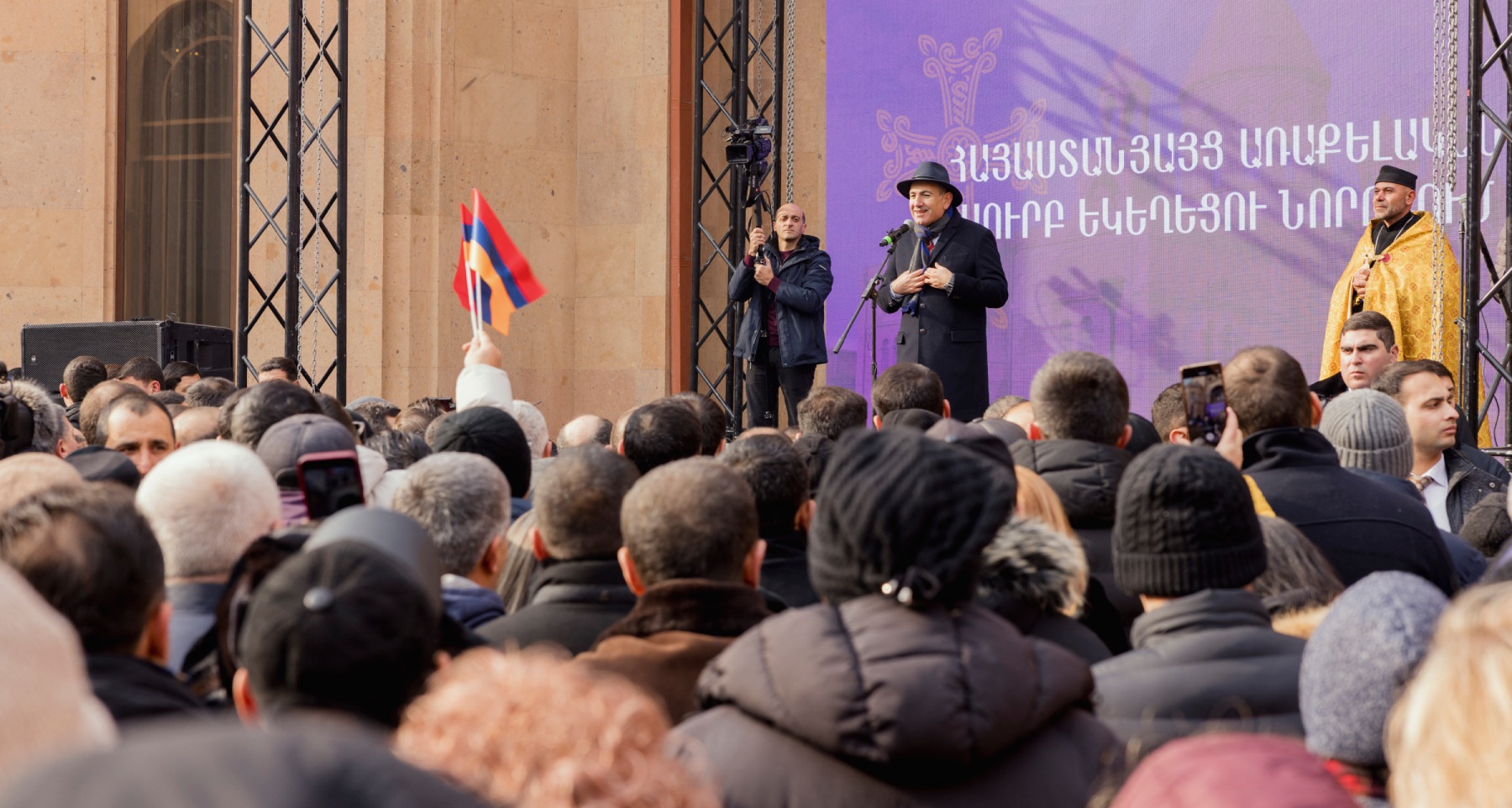
It’s true that many Armenians would vote for anyone just to be rid of Pashinyan, whom they blame for the loss of Nagorno-Karabakh, but the pro-Russia opposition is unlikely to be able to channel that frustration into an electoral victory.

Mikayel Zolyan
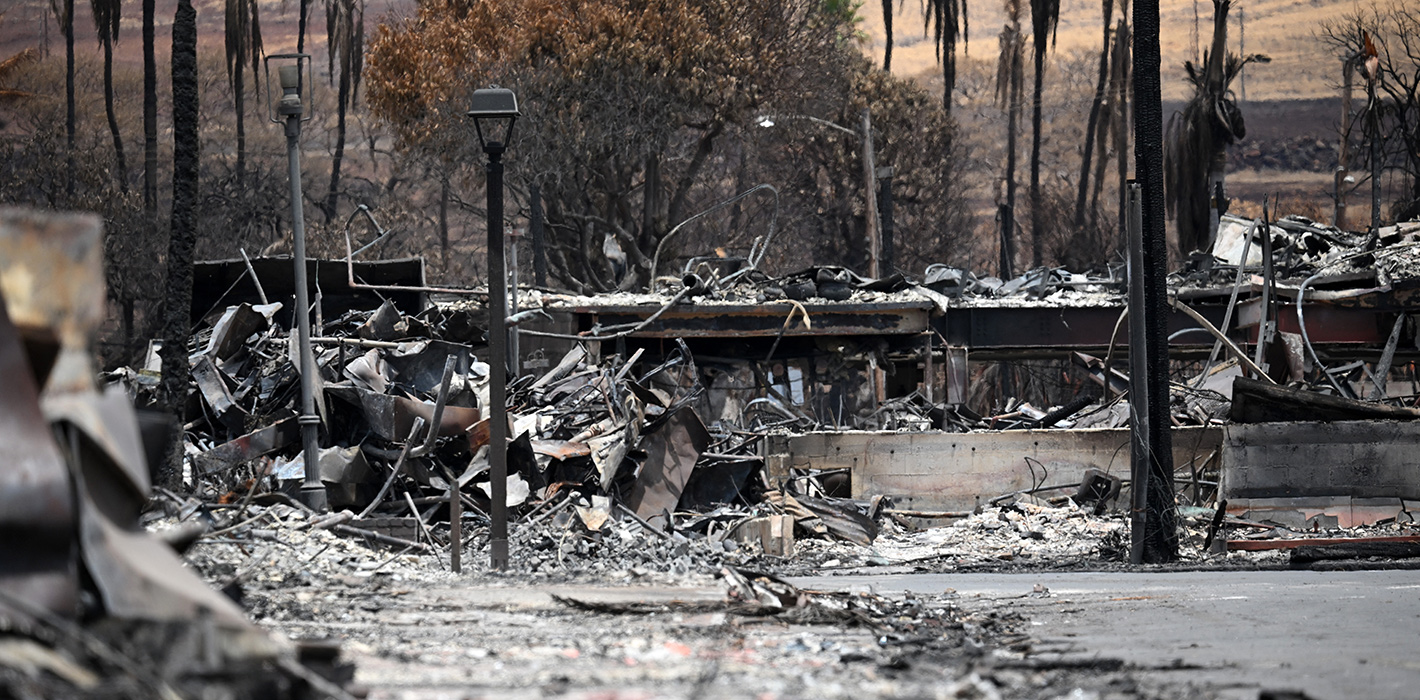
By reorganizing federal disaster policy around the rights of displaced people, the United States could unlock additional federal resources, accelerate the rebuilding of lives and livelihoods, and reduce suffering and economic disruption.
Kayly Ober

Its reinstatement should be celebrated, but it retains some major shortcomings.

Leonardo Martinez-Diaz