

Commentary
The Bureau of Industry and Security needs to adjust its focus and practices to maintain its position as the U.S. government’s primary champion of international technological competition.
Geoffrey Irving
{
  "authors": [],
  "type": "pressRelease",
  "centerAffiliationAll": "dc",
  "centers": [
    "Carnegie Endowment for International Peace"
  ],
  "collections": [],
  "englishNewsletterAll": "ctw",
  "nonEnglishNewsletterAll": "",
  "primaryCenter": "Carnegie Endowment for International Peace",
  "programAffiliation": "NPP",
  "programs": [
    "Nuclear Policy"
  ],
  "projects": [],
  "regions": [
    "Iran"
  ],
  "topics": [
    "Security",
    "Foreign Policy",
    "Nuclear Policy",
    "Nuclear Energy"
  ]
}
REQUIRED IMAGE
Talks last week between Iran and world powers in Geneva—and the first public, bilateral negotiations between the United States and Iran in 30 years—yielded unexpected progress. Iran has been forced onto the defensive by its loss of legitimacy, exacerbated by the gains President Obama made by demonstrating resolve to negotiate a peaceful accommodation with the Islamic Republic.
WASHINGTON, Oct 8—Talks last week between Iran and world powers in Geneva—and the first public, bilateral negotiations between the United States and Iran in 30 years—yielded unexpected progress. Iran has been forced onto the defensive by its loss of legitimacy, exacerbated by the gains President Obama made by demonstrating resolve to negotiate a peaceful accommodation with the Islamic Republic, contends a new paper by George Perkovich.
Perkovich explains that the Iranian government is determined to be seen acting within international law, in order to defend the government’s legitimacy at home and to ward off international sanctions or the use of force. Getting caught on the wrong side of the law in building the Qom nuclear facility endangers the government’s legitimacy and adds to the international legitimacy President Obama has gained. The United States and other powers negotiating with Iran should press Iran to accept legally precise definitions of what are peaceful nuclear activities and what are not.
Key Conclusions
“Iranian leaders are caught between the law and a hard place,” writes Perkovich.” Either they negotiate back into compliance with the rules and restore international confidence, or they abandon any pretense of being law-abiding members of the international community and accept the risks of being known to seek nuclear weapons.”
###
NOTES
Carnegie does not take institutional positions on public policy issues; the views represented herein are those of the author(s) and do not necessarily reflect the views of Carnegie, its staff, or its trustees.

The Bureau of Industry and Security needs to adjust its focus and practices to maintain its position as the U.S. government’s primary champion of international technological competition.

Geoffrey Irving
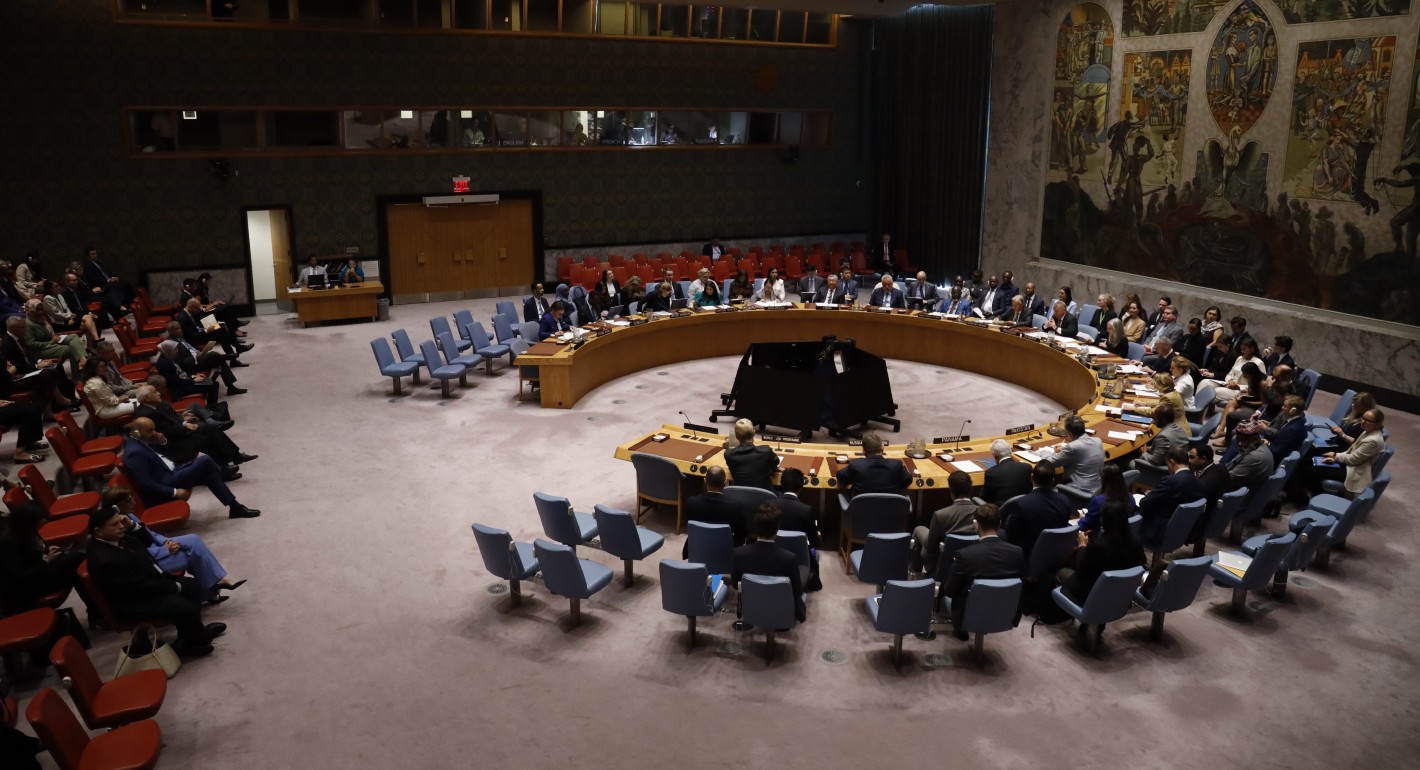
They face an uphill climb, but they could draw on a strategy that other diplomats have used in the past.


Shana Tabak, Alejandro Martin Rodriguez

European Commission President Ursula von der Leyen is about to give her annual address on the state of the EU. Here’s what she won’t—but should—say.

Rym Momtaz
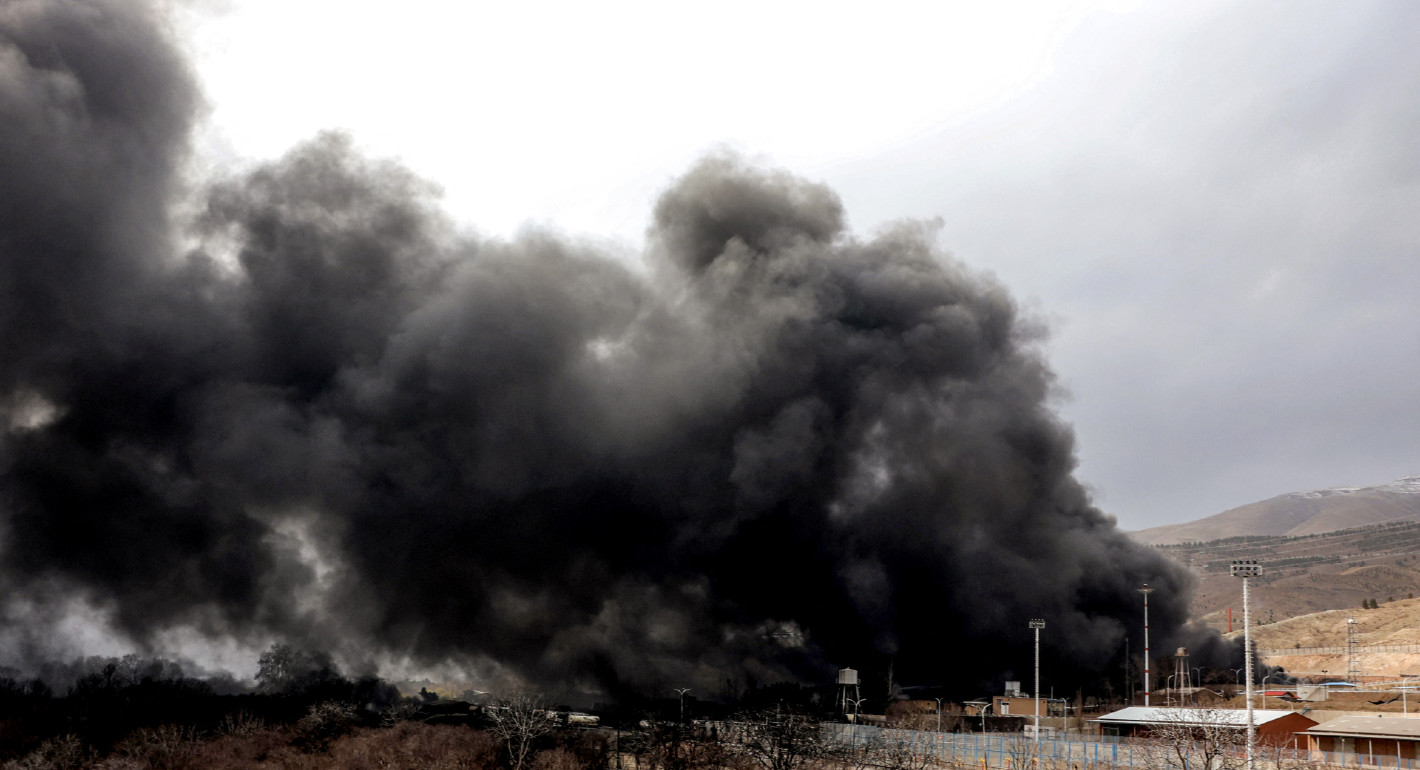
Understanding the climatic pain points is necessary for policymakers hoping to minimize the war’s negative environmental consequences.


Alejandro Martin Rodriguez, Joy Arkeh, Sarah Yerkes

The books, podcasts, and films that explain the world it made.

Andrew Leber