• Research
  • Emissary
  • About
  • Experts
Carnegie Global logoCarnegie lettermark logo
DemocracyIran
  • Donate
{
  "authors": [
    "Christopher Boucek"
  ],
  "type": "testimony",
  "centerAffiliationAll": "dc",
  "centers": [
    "Carnegie Endowment for International Peace",
    "Carnegie Europe",
    "Malcolm H. Kerr Carnegie Middle East Center"
  ],
  "collections": [],
  "englishNewsletterAll": "menaTransitions",
  "nonEnglishNewsletterAll": "",
  "primaryCenter": "Carnegie Endowment for International Peace",
  "programAffiliation": "MEP",
  "programs": [
    "Middle East"
  ],
  "projects": [],
  "regions": [
    "Middle East",
    "Yemen",
    "Gulf"
  ],
  "topics": [
    "Security",
    "Foreign Policy"
  ]
}

Source: Getty

Testimony

Yemen Faces Grave and Growing Domestic Challenges

While growing Islamic extremism in Yemen is alarming, in the longer term it is the country’s domestic challenges that threaten to bring Yemen to its knees, with potentially destabilizing consequences for the region.

Link Copied
By Christopher Boucek
Published on Feb 3, 2010
Program mobile hero image

Program

Middle East

The Middle East Program in Washington combines in-depth regional knowledge with incisive comparative analysis to provide deeply informed recommendations. With expertise in the Gulf, North Africa, Iran, and Israel/Palestine, we examine crosscutting themes of political, economic, and social change in both English and Arabic.

Learn More

Source: House Committee on Foreign Affairs

A confluence of looming challenges—rapidly disappearing oil reserves, diminishing water supplies, and a booming, undereducated, and underemployed population—threaten to overwhelm the Yemeni government. In testimony before the House Foreign Affairs Committee today, Christopher Boucek warned that while growing Islamic extremism in Yemen is alarming, in the longer term it is the country’s domestic challenges that threaten to bring Yemen to its knees, with potentially destabilizing consequences for the region.

Yemen’s Domestic Challenges:

  • Oil: Barring any major new discoveries, energy experts estimate that Yemen’s reserves will be entirely depleted within the next ten years. There are few viable options for a sustainable post-oil economy.
     
  • Water: Shortages are acute throughout the country and Sanaa risks becoming the first capital city in the world to run out of water.
     
  • Qat: A significant amount of Yemen’s water consumption is devoted to the irrigation of qat, a semi-narcotic plant habitually chewed by an estimated 75 percent of Yemeni men. Additionally, so much land is being used for qat cultivation that the country is now a net food importer.
     
  • Unemployment: Yemen is the poorest country in the Arab world. The faltering economy and poorly educated workforce have pushed unemployment to 35 percent, on par with the Great Depression in the United States.
     
  • Education: The Yemeni government has been unable to provide adequate education or other public services for the rapidly expanding population. More than two-thirds of the population is under the age of 24 and illiteracy stands at over 50 percent.


U.S. Policy Recommendations:

  • Financial Assistance: Provide increased financial assistance to Yemen—not just increased security aid. Such assistance would help prevent state failure, as well as offset the difficult economic choices that need to be made in Yemen as it prepares to transition to a post-oil economy.
     
  • Water Regulation: Help enact a legal regime to govern the use and distribution of groundwater in Yemen. Current rules allow anyone who wants water in Yemen (and can afford to do so) to dig a well, further depleting already limited supplies.
     
  • Agriculture: Encourage the importation of qat from East Africa and help Yemeni farmers transition to growing cereals and other foodstuffs as a way to both curtail water usage and improve nutrition.
     
  • Local Capacity: Support and fund local capacity-building efforts, such as teacher training courses, micro-finance enterprises, and exchange programs for judges, members of parliament, journalists, government workers, and academics to help fill voids left by the limited capacity of the Yemeni state.
     
  • Donor Coordination: Coordinate closely with other donor states to maximize the overall impact of foreign aid.

About the Author

Christopher Boucek

Former Associate, Middle East Program

Boucek was an associate in the Carnegie Middle East Program where his research focused on security challenges in the Arabian Peninsula and Northern Africa.

    Recent Work

  • Q&A
    Yemen After Saleh’s Return and Awlaki’s Exit

      Christopher Boucek

  • Q&A
    Rivals—Iran vs. Saudi Arabia

      Christopher Boucek, Karim Sadjadpour

Christopher Boucek
Former Associate, Middle East Program
Christopher Boucek
SecurityForeign PolicyMiddle EastYemenGulf

Carnegie does not take institutional positions on public policy issues; the views represented herein are those of the author(s) and do not necessarily reflect the views of Carnegie, its staff, or its trustees.
More Work from Carnegie Endowment for International Peace

  • Commentary
    Strategic Europe
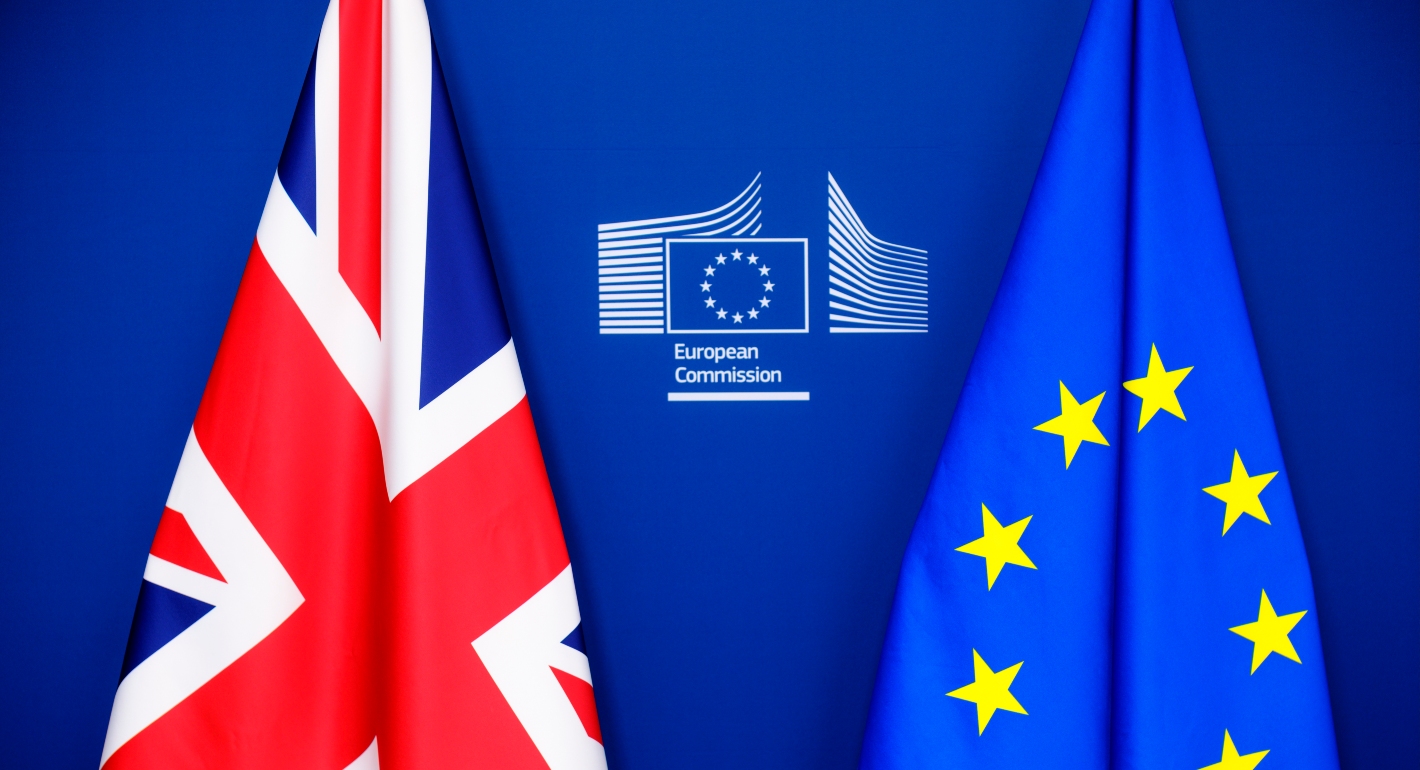
    Taking the Pulse: Is the EU Ready for Rapprochement With the UK?

    Closer EU-UK ties could help address urgent European concerns. But is the EU ready for rapprochement with the United Kingdom?

      • Rym Momtaz

      Rym Momtaz, ed.

  • Commentary
    Diwan
    A Military Balance Sheet in the U.S. and Israeli War With Iran

    In an interview, Jim Lamson discusses the ongoing regional conflict and sees an unclear picture when it comes to winners and losers. 

      Michael Young

  • Duterte stands with his fist raised and a crowd of people stand behind him
    Paper
    Duterte’s Populist Foreign Policy as Illiberal Defiance: Consequences and Prospects

    In the Philippines, Duterte-era discourse emphasizing sovereignty, anti-Western skepticism, and strongman diplomacy mirrors tenets of populist foreign policy around the world.
      Aries A. Arugay
  • Commentary
    Strategic Europe
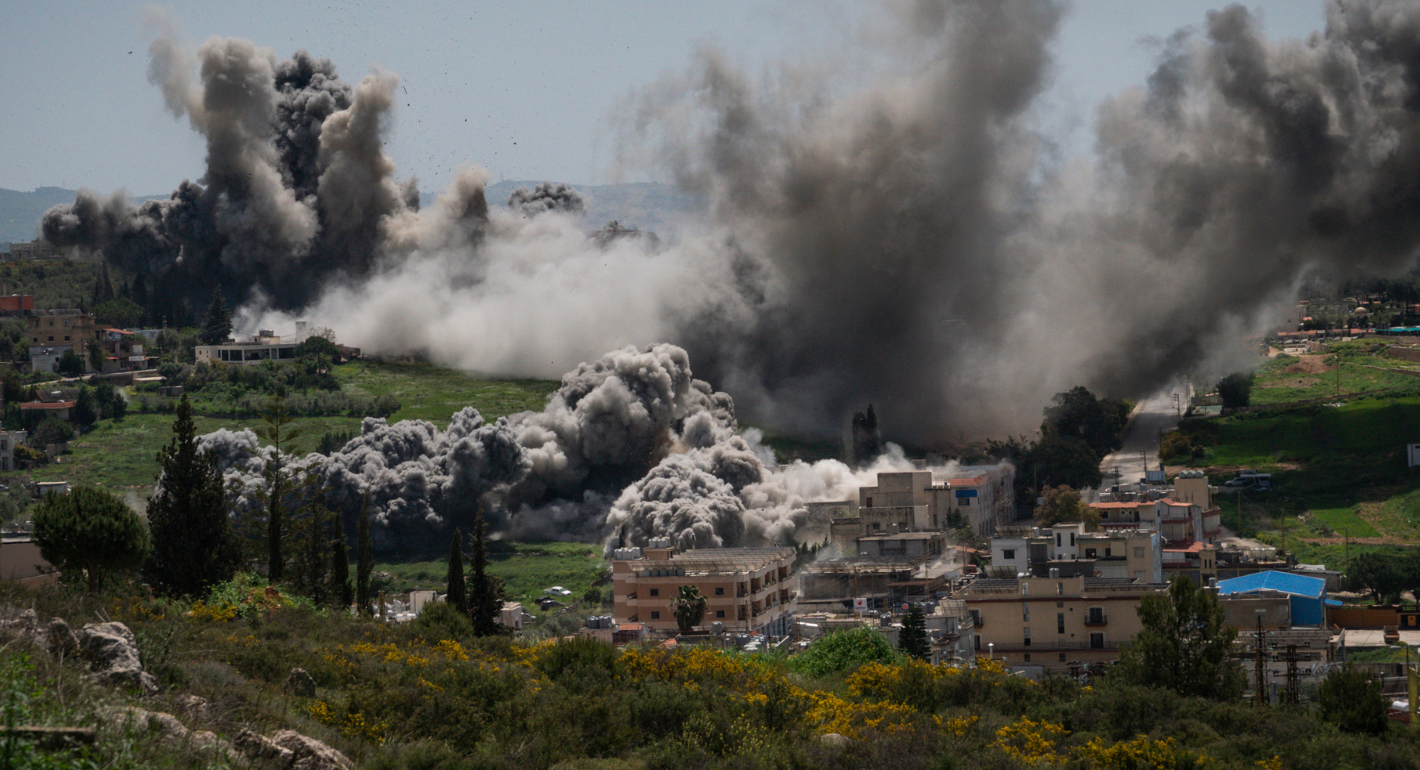
    France, Italy, and Spain Should Use Force in Lebanon

    Europe has been standing by while its Southern neighborhood is being redrawn by force. To establish a path to peace between Israel and Lebanon, it’s time for Europeans to get involved with hard power.

      • Rym Momtaz

      Rym Momtaz

  • Commentary
    Carnegie Politika
    Is Opposition to Online Restrictions an Inflection Point for the Russian Regime?

    After four years of war, there is no one who can stand up to the security establishment, and President Vladimir Putin is increasingly passive. 

      Tatiana Stanovaya

Get more news and analysis from
Carnegie Endowment for International Peace
Carnegie global logo, stacked
1779 Massachusetts Avenue NWWashington, DC, 20036-2103Phone: 202 483 7600
  • Research
  • Emissary
  • About
  • Experts
  • Donate
  • Programs
  • Events
  • Blogs
  • Podcasts
  • Contact
  • Annual Reports
  • Careers
  • Privacy
  • For Media
  • Government Resources
Get more news and analysis from
Carnegie Endowment for International Peace
© 2026 Carnegie Endowment for International Peace. All rights reserved.