{
  "authors": [
    "Marwan Muasher",
    "Javier Solana"
  ],
  "type": "legacyinthemedia",
  "centerAffiliationAll": "dc",
  "centers": [
    "Carnegie Endowment for International Peace",
    "Carnegie Europe",
    "Malcolm H. Kerr Carnegie Middle East Center",
    "Carnegie Russia Eurasia Center"
  ],
  "collections": [
    "Arab Awakening"
  ],
  "englishNewsletterAll": "menaTransitions",
  "nonEnglishNewsletterAll": "",
  "primaryCenter": "Carnegie Endowment for International Peace",
  "programAffiliation": "MEP",
  "programs": [
    "Middle East"
  ],
  "projects": [
    "Eurasia in Transition"
  ],
  "regions": [
    "Middle East",
    "Israel",
    "Palestine",
    "Levant"
  ],
  "topics": [
    "Political Reform",
    "Security",
    "Foreign Policy"
  ]
}
Source: Getty
In The Media
Push Ahead Now For A Solution In Palestine
As revolutionary change sweeps across the Arab world, there is a distinct window of opportunity for the United States and Israel to push urgently for a lasting peace between Israel and Palestine.
Push Ahead Now For A Solution In PalestineAs revolutionary change sweeps across the Arab world, it is easy to think that now is not the time to push for peace between Israel and Palestine. Until the dust settles on the new Middle East, the old road maps seem dated and conventional wisdom holds that progress towards a peace agreement is wishful thinking in the face of regional upheaval. But the opposite is true. There is a distinct window of opportunity for the US and Israel to push urgently for a lasting settlement.
Everyone needs to start thinking differently. The international community’s old approach was to prioritise stability over democracy and pursue Israeli-Arab peace on a totally separate diplomatic track. This policy proved to be a failure – stability over democracy brought neither and isolated peace efforts went nowhere. If the US and other world powers want to make headway on the three objectives – stability, political reform and peace – they need to understand the intimate links among them and chase all three simultaneously and holistically.
The US has been behind the curve from the moment the recent turmoil sparked. It tried to play catch-up as authoritarian governments in Tunisia and Egypt were toppled by popular protest and more regimes have attempted to cling to power. Washington now needs to get out in front; and as the US and the broader international community attempt to address the unfolding events, it would be a mistake to leave the peace process off the agenda.
For the US, broad sympathy for Arabs’ yearning for freedom cannot exclude compassion for Palestinians dreaming of lives free of occupation. The Arab world wants dignity and this includes ending the occupation. Washington should not be selective in its support for freedom and democracy. If the US is not seen as an avid supporter of a two-state solution, it will stay well behind the curve and damage its own interests in the Middle East.
Israel also needs to revisit its policies. As political reform achieves results, Israel will no longer be able to claim it is the only democracy in the Middle East; and with conditions changing on the ground it will be harder to ignore Palestinians’ need for independence. Israel’s concern that the region will grow more hostile will become a self-fulfilling prophecy if new democracies see the Israeli government impeding steps towards a viable and dignified solution. At the same time, a peace process with elected and more legitimate Arab governments will help solidify long-term peace and stability.
With time for a two-state solution quickly running out, a speedy settlement is in everyone’s interest. The US, in particular, would be unwise to wait in the hope that more favourable conditions will emerge down the line. If there is no movement towards peace as new Arab democracies take shape, negative views of Israel and the US will harden – and Arab public opinion clearly matters, as we saw in Tahrir Square. Bad perceptions will make a breakthrough even less likely. With new governments less forgiving than the old ones about Israel’s continuing occupation of Palestinian lands, the US could end up with less of a role in a new Middle East.
Those who argue that peacemaking cannot be successful in a situation in flux ignore the fact that, precisely in these circumstances, outsiders can help shape the process. Pushing the peace process now can help the west win over the Arab public and give the US more sway. We do not need never-ending bilateral negotiations between Israel and Palestine, there needs to be a regional solution.
Tomorrow’s Middle East will not be the same as the region we knew a mere two months ago, but its ultimate shape is of course unknown. The US has a chance to get on the right side of history and help shape its direction by supporting real reform and moving forward on a deadlocked peace process. In the end, an uprising against poor governance presents an opening to achieve not only democracy, but also stability and peace – all at the same time. This crisis, just like so many others, would be a horrible thing to waste.
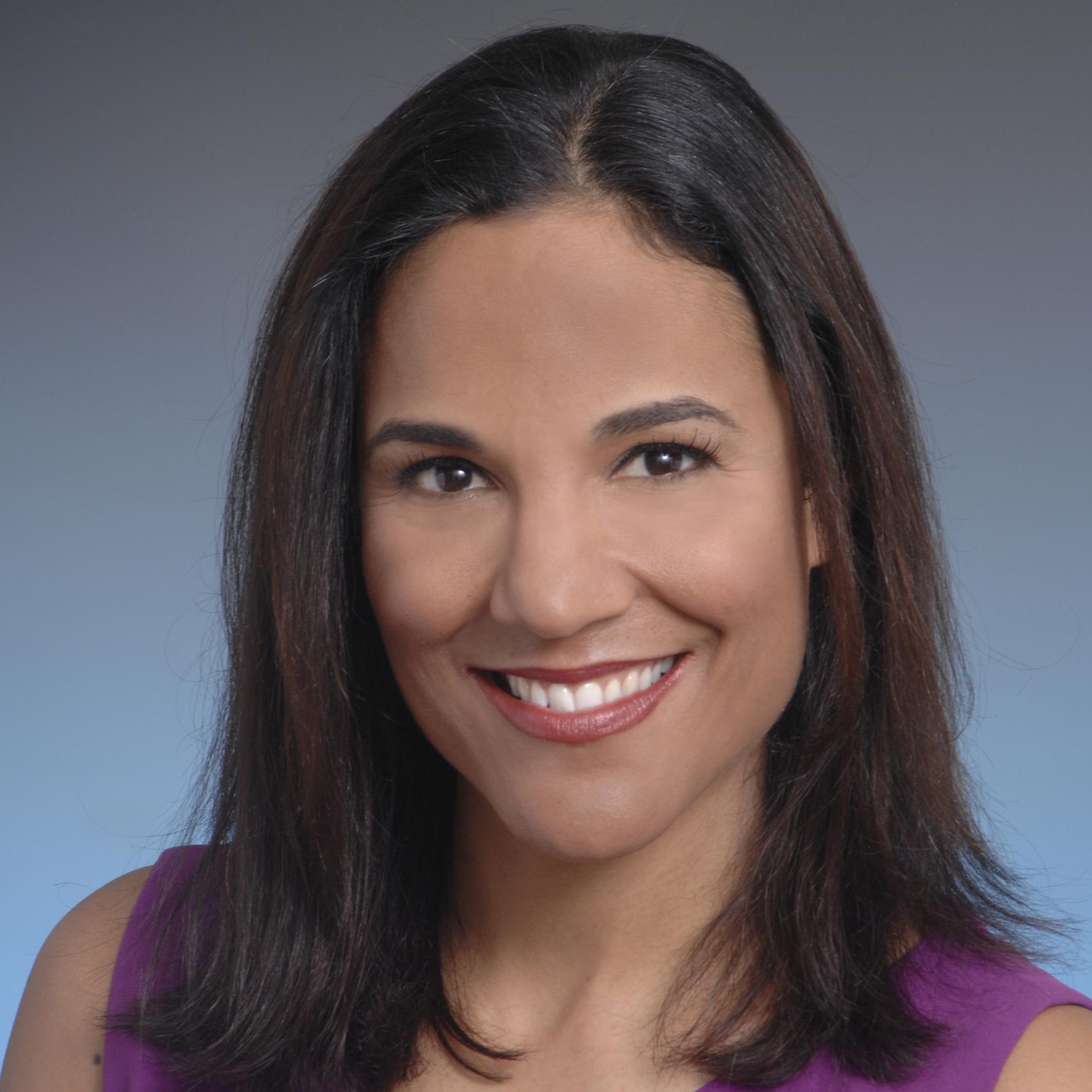
Marwan Muasher is vice president for studies at Carnegie, where he oversees research in Washington and Beirut on the Middle East. Muasher served as foreign minister (2002–2004) and deputy prime minister (2004–2005) of Jordan, and his career has spanned the areas of diplomacy, development, civil society, and communications.
Javier Solana
President, ESADE Center for Global Economy and Geopolitics
Javier Solana is the president of the ESADE Center for Global Economy and Geopolitics and a former EU high representative for the Common Foreign and Security Policy.
Carnegie does not take institutional positions on public policy issues; the views represented herein are those of the author(s) and do not necessarily reflect the views of Carnegie, its staff, or its trustees.
More Work from Carnegie Endowment for International Peace
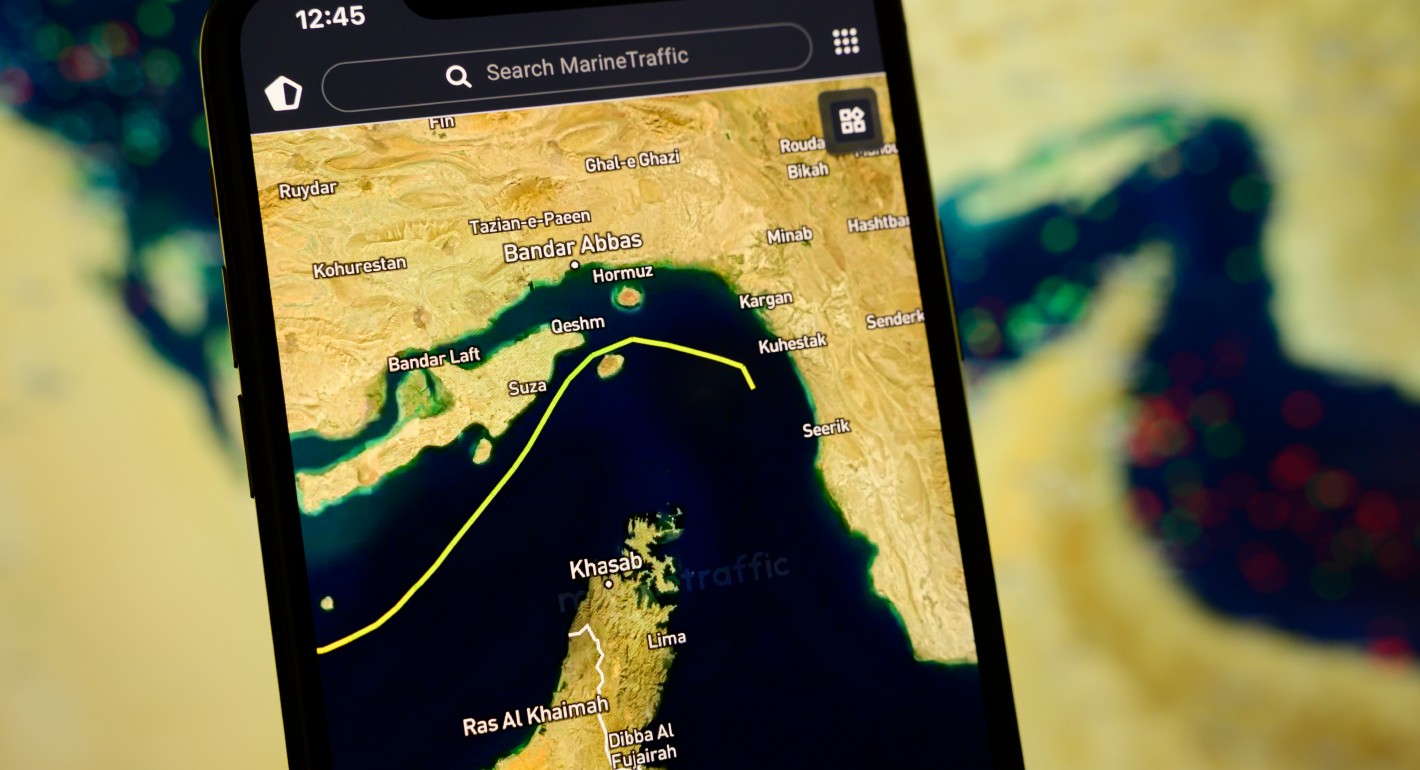
As the war between the United States, Israel, and Iran continues, Carnegie scholars contribute cutting-edge analysis on the events of the war and their wide-reaching implications. From the impact on Iran and its immediate neighbors to the responses from Gulf states to fuel and fertilizer shortages caused by the effective shutdown of the Strait of Hormuz, the war is reshaping Middle East alliances and creating shockwaves around the world. Carnegie experts analyze it all.
The return of war as the organizing factor in Middle Eastern politics has predictable consequences: governments are prioritizing regime stability and becoming averse to political and social reform.
Donald Trump has repeatedly bashed NATO and European allies, threatening to annex Canada and Greenland and deploring their lack of enthusiasm for his war of choice in Iran. Is this latest round of abuse the final straw?