• Research
  • Emissary
  • About
  • Experts
Carnegie Global logoCarnegie lettermark logo
DemocracyIran
  • Donate
{
  "authors": [
    "Henri J. Barkey"
  ],
  "type": "legacyinthemedia",
  "centerAffiliationAll": "dc",
  "centers": [
    "Carnegie Endowment for International Peace",
    "Malcolm H. Kerr Carnegie Middle East Center"
  ],
  "collections": [
    "Arab Awakening"
  ],
  "englishNewsletterAll": "menaTransitions",
  "nonEnglishNewsletterAll": "",
  "primaryCenter": "Carnegie Endowment for International Peace",
  "programAffiliation": "MEP",
  "programs": [
    "Middle East"
  ],
  "projects": [],
  "regions": [
    "Middle East",
    "Türkiye",
    "Syria",
    "Levant"
  ],
  "topics": [
    "Political Reform"
  ]
}

Source: Getty

In The Media

A Discussion on Turkey

The Arab Spring has presented problems for Ankara’s foreign policy of zero problems with its neighbors. The outcome of the popular uprisings in neighboring Syria will ultimately have a significant impact on this policy and on the projection of Turkish power in the region.

Link Copied
By Henri J. Barkey
Published on May 12, 2011
Program mobile hero image

Program

Middle East

The Middle East Program in Washington combines in-depth regional knowledge with incisive comparative analysis to provide deeply informed recommendations. With expertise in the Gulf, North Africa, Iran, and Israel/Palestine, we examine crosscutting themes of political, economic, and social change in both English and Arabic.

Learn More

Source: Charlie Rose Show

While the past decade has seen significant political and economic success for Turkey, the popular uprisings across the Middle East and North Africa, known collectively as the Arab Spring, have presented problems for Ankara, explained Henri Barkey on the Charlie Rose Show. “Turkey’s zero problems policy with its neighbors has become a policy of zero problems with Arab regimes,” Barkey explained. This is particularly the case in Syria, where Ankara worked hard to improve relations with the increasingly unpopular Assad regime. Unlike in Egypt or Tunisia, Barkey warned that the potential for a bloodbath in Syria is significant and with an open border between Turkey and Syria, the possibility of thousands of Syrians fleeing to Turkey is very high. “Prime Minister Erdogan and President Obama are both working to promote a soft transition” in Syria, in order to mitigate violence and instability, Barkey concluded. 

About the Author

Henri J. Barkey

Former Visiting Scholar, Middle East Program

Barkey served as a member of the U.S. State Department Policy Planning Staff, working primarily on issues related to the Middle East, the Eastern Mediterranean, and intelligence from 1998 to 2000.

    Recent Work

  • Article
    Winners and Losers in Turkey’s Election

      Henri J. Barkey

  • Article
    The Road to Turkey’s June Elections: Crises, Strategies, and Outcomes

      Henri J. Barkey

Henri J. Barkey
Former Visiting Scholar, Middle East Program
Henri J. Barkey
Political ReformMiddle EastTürkiyeSyriaLevant

Carnegie does not take institutional positions on public policy issues; the views represented herein are those of the author(s) and do not necessarily reflect the views of Carnegie, its staff, or its trustees.

More Work from Carnegie Endowment for International Peace

  • Man speaking into two mics
    Commentary
    Emissary
    Three Scenarios for the Gulf States After the Iran War

    One is hopeful. One is realistic. One is cautionary.

      • Andrew Leber

      Andrew Leber, Sam Worby

  • Article
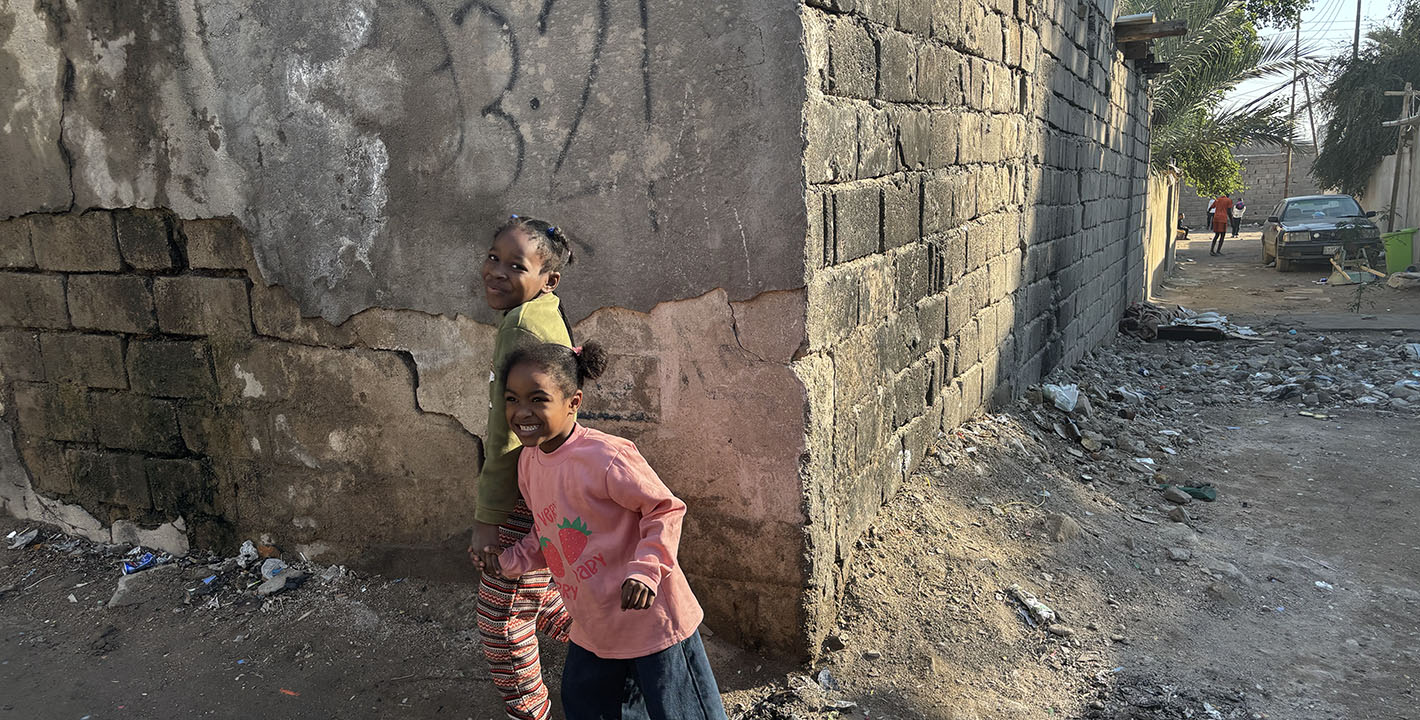
    Afro-Iraqis, Climate Change, and Environmental Injustice in Basra

    Afro-Iraqis experience political, economic, and social marginalization and discrimination, which exposes the poorest members of the community to the harsh realities of the region’s climate disaster.
      Zeinab Shuker
  • Commentary
    Carnegie Politika
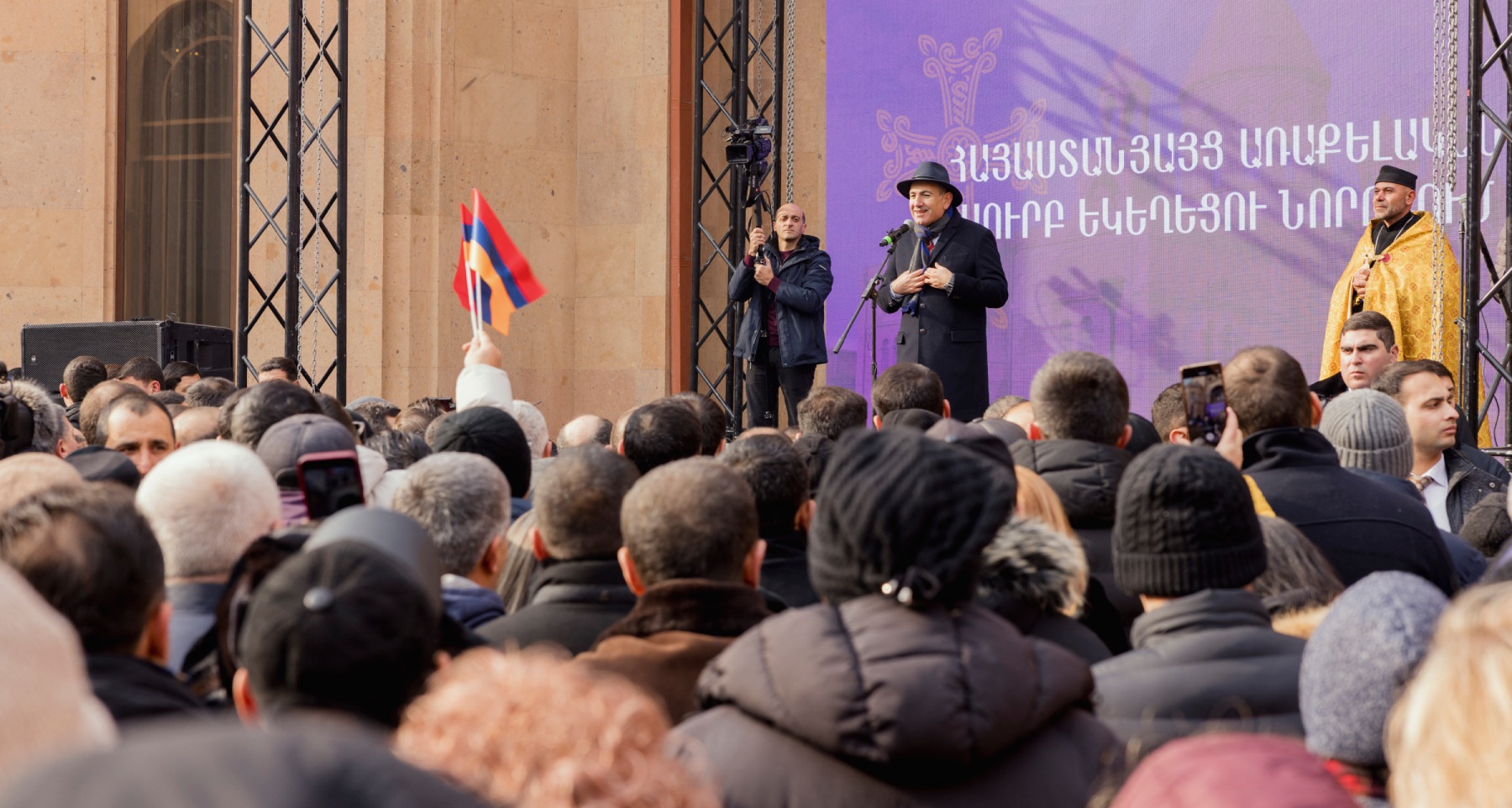
    Is Frustration With Armenia’s Pashinyan Enough to Bring the Pro-Russia Opposition to Power?

    It’s true that many Armenians would vote for anyone just to be rid of Pashinyan, whom they blame for the loss of Nagorno-Karabakh, but the pro-Russia opposition is unlikely to be able to channel that frustration into an electoral victory.
      Mikayel Zolyan
  • Commentary
    Diwan
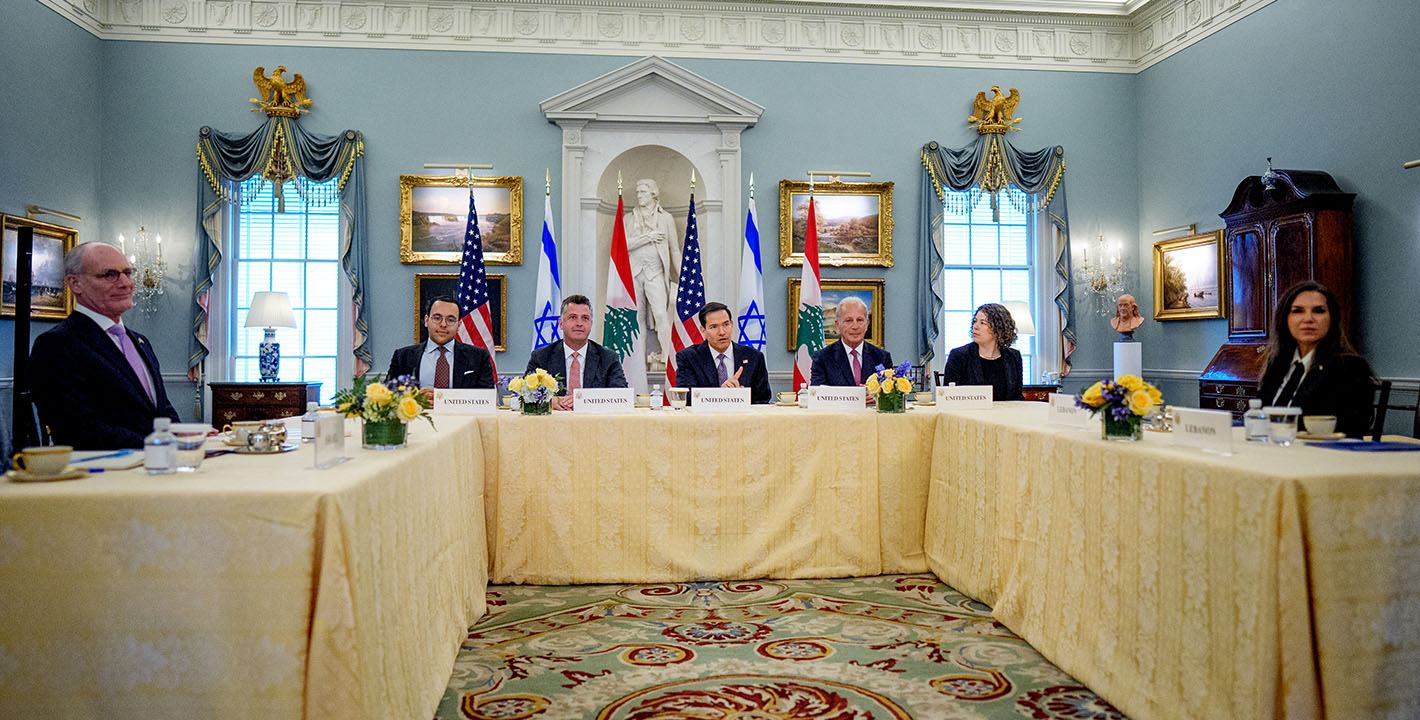
    Realism and the Lebanon-Israel Talks

    Beirut’s desire to break free from Iranian hegemony may push it into a situation where it has to accept Israel’s hegemony.  

      Michael Young
  • Commentary
    Strategic Europe
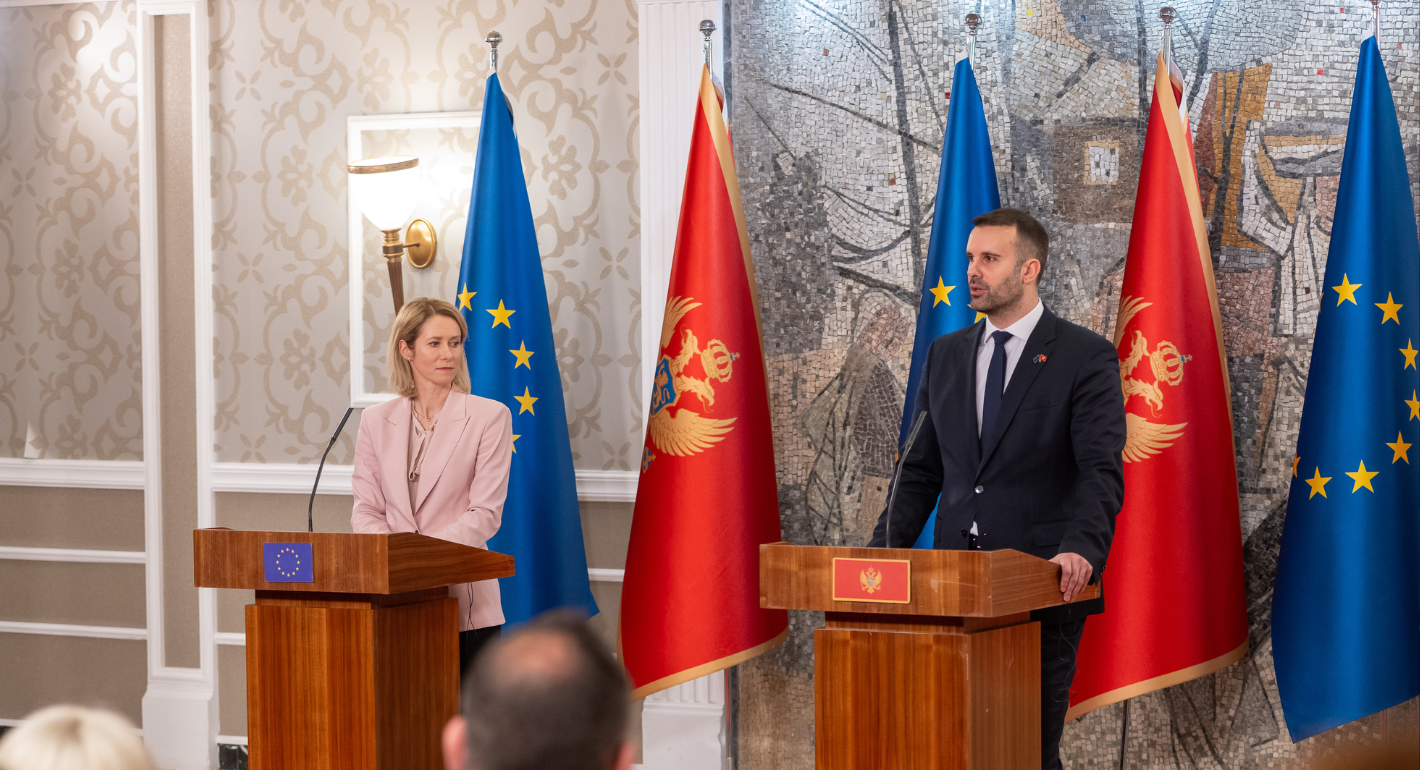
    How to Join the EU in Three Easy Steps

    Montenegro and Albania are frontrunners for EU enlargement in the Western Balkans, but they can’t just sit back and wait. To meet their 2030 accession ambitions, they must make a strong positive case.


      Dimitar Bechev, Iliriana Gjoni

Get more news and analysis from
Carnegie Endowment for International Peace
Carnegie global logo, stacked
1779 Massachusetts Avenue NWWashington, DC, 20036-2103Phone: 202 483 7600Fax: 202 483 1840
  • Research
  • Emissary
  • About
  • Experts
  • Donate
  • Programs
  • Events
  • Blogs
  • Podcasts
  • Contact
  • Annual Reports
  • Careers
  • Privacy
  • For Media
  • Government Resources
Get more news and analysis from
Carnegie Endowment for International Peace
© 2026 Carnegie Endowment for International Peace. All rights reserved.