

Q&A
Christopher Boucek
{
  "authors": [
    "Christopher Boucek"
  ],
  "type": "other",
  "centerAffiliationAll": "",
  "centers": [
    "Carnegie Endowment for International Peace",
    "Malcolm H. Kerr Carnegie Middle East Center"
  ],
  "collections": [],
  "englishNewsletterAll": "",
  "nonEnglishNewsletterAll": "",
  "primaryCenter": "Carnegie Endowment for International Peace",
  "programAffiliation": "",
  "programs": [],
  "projects": [],
  "regions": [
    "Middle East",
    "Saudi Arabia",
    "Gulf"
  ],
  "topics": [
    "Security"
  ]
}
Source: Getty
The Carnegie Endowment offers a first-of-its-kind interactive site to explore the people, places, and organizations that impacted the lives of eleven prominent Saudi terrorists known as the “Saudi Eleven.”
Saudi Arabia released the names of 85 of its most wanted terrorists shortly after the formation of al-Qaeda in the Arabian Peninsula (AQAP) in January 2009. Eleven of those men shared a similar story: Each had been detained at Guantanamo Bay, underwent rehabilitation after returning to Saudi Arabia, and subsequently fled to Yemen and joined AQAP. Secret U.S. government documents recently released by WikiLeaks offer unprecedented insight into how the “Saudi Eleven” embraced jihad.
Ten years after 9/11, this interactive site offers a first-of-its-kind opportunity to explore the people, places, and organizations that impacted each individual’s radicalization and, for some, their ultimate renouncement of radical Islam. By representing relationships visually, users can explore important figures and patterns of behavior common to the Saudi Eleven. Only through a better understanding of the social and other connections between all of the actors tied to global terrorism can more effective strategies be crafted to reduce the threat.

Each person, place, and organization is represented as an interconnected icon. Visitors can click on an icon to see basic biographical information, or click on the lines connecting any two icons to learn more about the relationship. Each member of the Saudi Eleven has their own unique timeline, which allows users to see how a particular individual’s experience unfolded chronologically. Individual’s movements around the world are also plotted on a map. Visit the site to journey through the lives of some of the world’s most dangerous terrorists.
Former Associate, Middle East Program
Boucek was an associate in the Carnegie Middle East Program where his research focused on security challenges in the Arabian Peninsula and Northern Africa.
Recent Work
Christopher Boucek

Christopher Boucek, Karim Sadjadpour
Carnegie does not take institutional positions on public policy issues; the views represented herein are those of the author(s) and do not necessarily reflect the views of Carnegie, its staff, or its trustees.
How Ukraine is driving doctrinal change in modern warfare.

Andriy Zagorodnyuk
The Russian leadership wants to avoid a dangerous precedent in which it is squeezed out of Iran by the United States and Israel—and left powerless to respond in any meaningful way.

Nikita Smagin
One is hopeful. One is realistic. One is cautionary.

Andrew Leber, Sam Worby
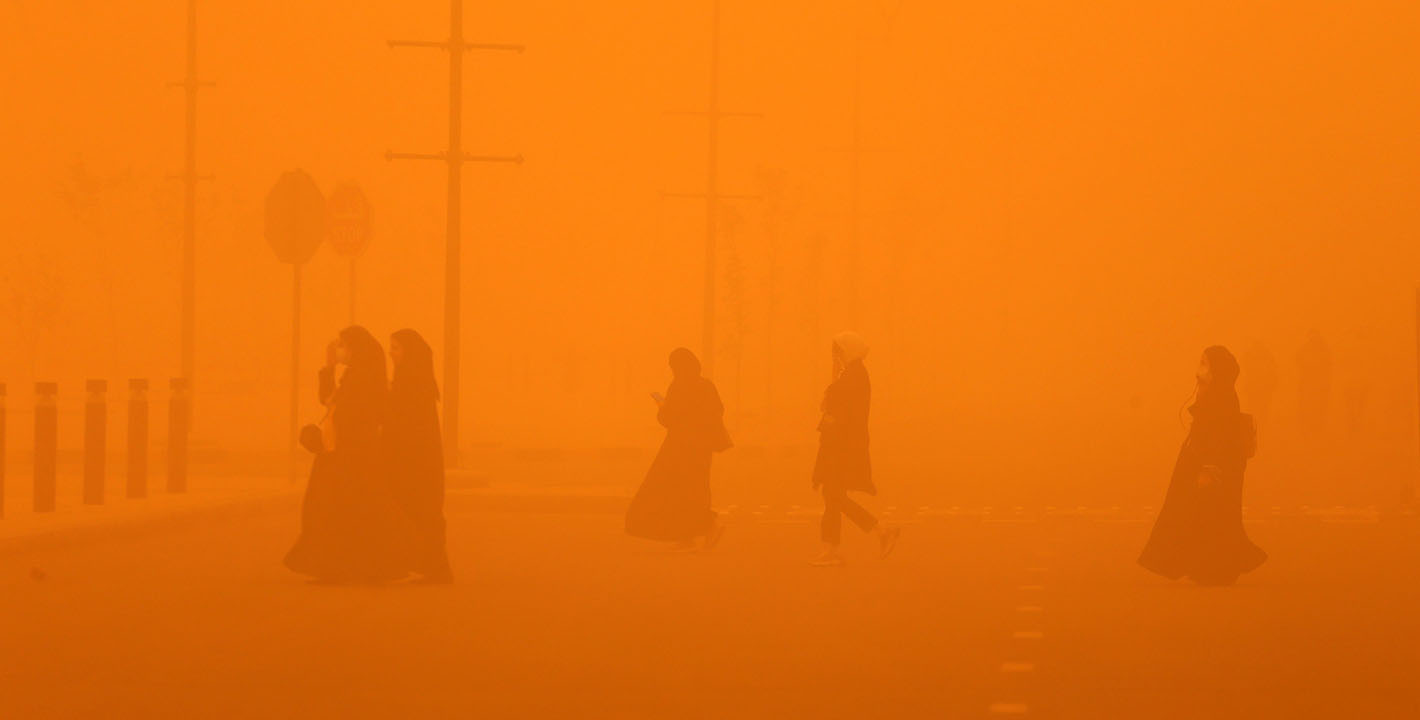
Mitigating the repercussions of climate change in Kuwait is crucial for lessening economic disparities and achieving social justice.
Courtney Freer
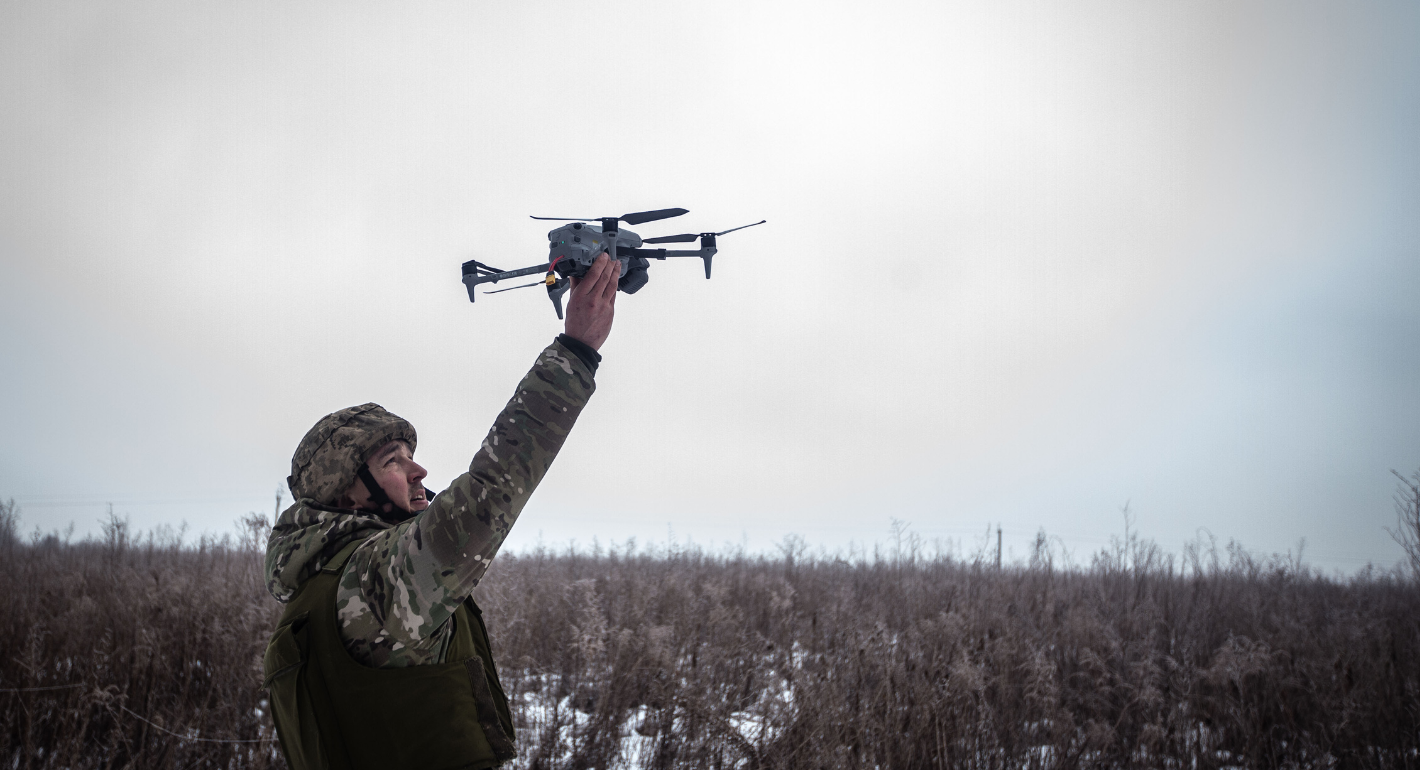
In Ukraine, Gaza, and Iran, AI warfare has come to dominate, with barely any oversight or accountability. Europe must lead the charge on the responsible use of new military technologies.

Raluca Csernatoni