• Research
  • Emissary
  • About
  • Experts
Carnegie Global logoCarnegie lettermark logo
DemocracyIran
  • Donate
{
  "authors": [
    "Matthew Rojansky"
  ],
  "type": "legacyinthemedia",
  "centerAffiliationAll": "dc",
  "centers": [
    "Carnegie Endowment for International Peace"
  ],
  "collections": [],
  "englishNewsletterAll": "ctw",
  "nonEnglishNewsletterAll": "",
  "primaryCenter": "Carnegie Endowment for International Peace",
  "programAffiliation": "russia",
  "programs": [
    "Russia and Eurasia"
  ],
  "projects": [],
  "regions": [
    "Caucasus",
    "Russia"
  ],
  "topics": [
    "Political Reform",
    "Foreign Policy"
  ]
}
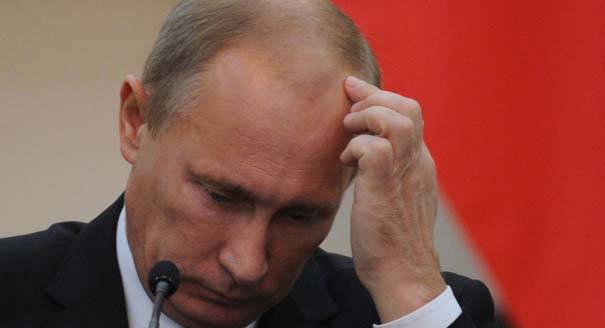
Source: Getty

In The Media

Vladimir Putin Wins a Still-Contested Election in Russia

After winning Russia's presidential elections, Vladimir Putin faces a number of major domestic and foreign policy challenges.

Link Copied
By Matthew Rojansky
Published on Mar 6, 2012
Program mobile hero image

Program

Russia and Eurasia

The Russia and Eurasia Program continues Carnegie’s long tradition of independent research on major political, societal, and security trends in and U.S. policy toward a region that has been upended by Russia’s war against Ukraine.  Leaders regularly turn to our work for clear-eyed, relevant analyses on the region to inform their policy decisions.

Learn More

Source: Southern California Public Radio

Speaking with Patt Morrison on Southern California Public Radio, Carnegie’s Matthew Rojansky argued that the governmental structure in Russia does not necessarily gravitate towards the strong man. “I don’t buy the arguments that say that somehow Russians either innately crave authoritarianism or that it is something about Russian culture or something about the Russian climate massive land empire surrounded by enemies,” said Rojansky. “Russia just hasn’t really had much time to evolve into a liberal participatory democracy - we stand 20 years from the end of the absolute communist dictatorship and that is not a very long time.”

  • Putin as a Politician and a Statesman: “Putin is perhaps a competent statesman but not a great strategist,” said Rojansky. Russia’s geopolitical position is more isolated now than it has been for a very long time. “Russia has found itself on the wrong side of the Syria issue, not just in the moral sense, but also in terms of Russia’s traditional allies, like the Arab League,” explained Rojansky.  Both on foreign policy and on domestic issues, Putin is facing some really major challenges, he concluded.
     
  • Russia’s Future: “Putin has been given a new chance. I think if he were a strategic thinker, not just a tactical thinker, he would view this as a chance to hear the grievances described by the protests and deliver real results,” said Rojansky. The greatest popular grievance in Russia is corruption, which is, unfortunately, such an integral feature of the system, “that it is not something I can realistically see Putin tackling,” said Rojansky. 

This interview was originally aired on Southern California Public Radio.
About the Author

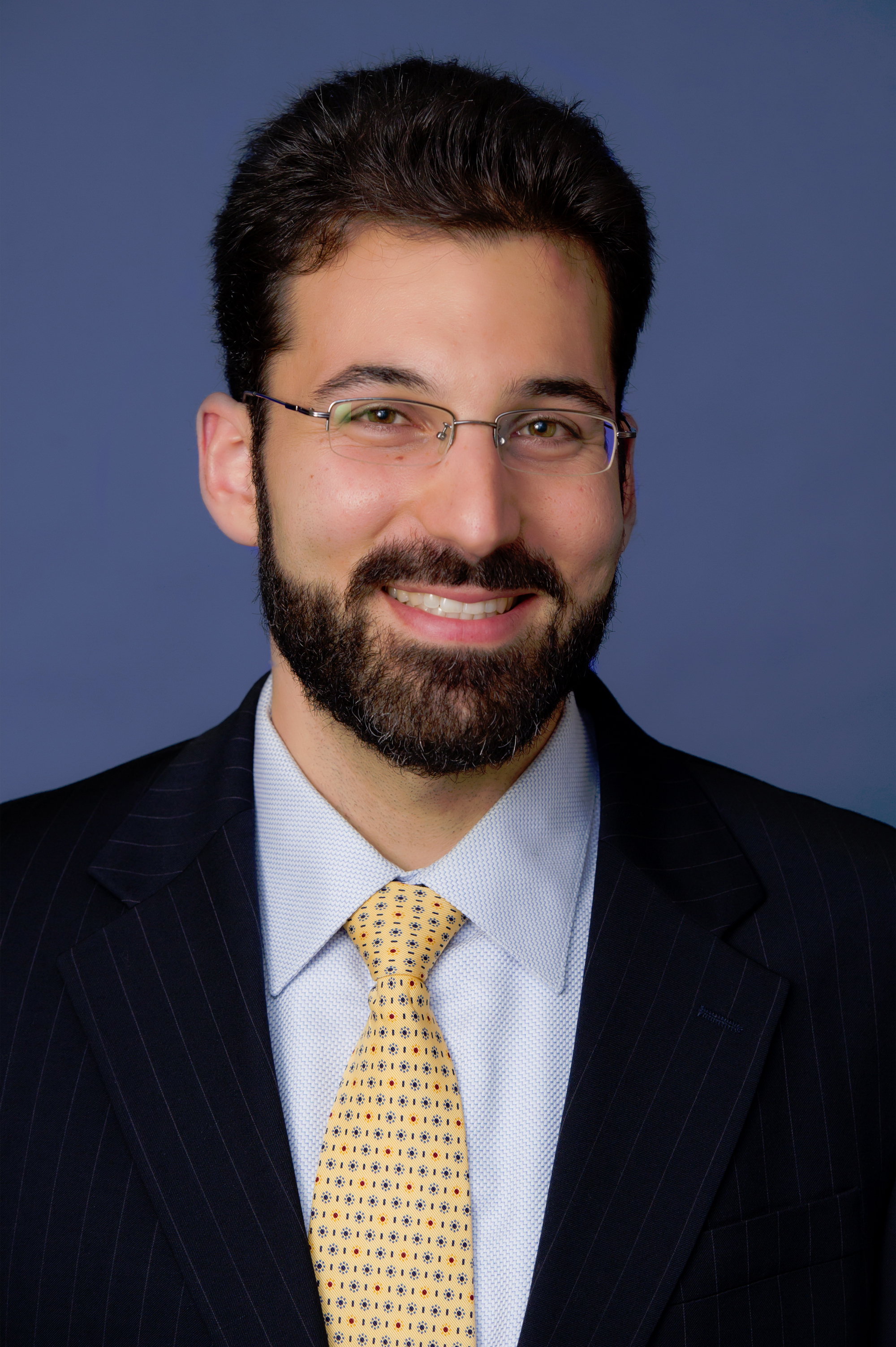
Matthew Rojansky

Former Deputy Director, Russia and Eurasia Program

Rojansky, formerly executive director of the Partnership for a Secure America, is an expert on U.S. and Russian national security and nuclear-weapon policies.

    Recent Work

  • Paper
    An Opportunity for Ambition: Ukraine’s OSCE Chairmanship

      Matthew Rojansky

  • In The Media
    Presiding Over the OSCE: Challenges and Opportunities

      Matthew Rojansky

Matthew Rojansky
Former Deputy Director, Russia and Eurasia Program
Matthew Rojansky
Political ReformForeign PolicyCaucasusRussia

Carnegie does not take institutional positions on public policy issues; the views represented herein are those of the author(s) and do not necessarily reflect the views of Carnegie, its staff, or its trustees.
More Work from Carnegie Endowment for International Peace

  • Commentary
    Strategic Europe
    Taking the Pulse: Is the EU Ready for Rapprochement With the UK?

    Closer EU-UK ties could help address urgent European concerns. But is the EU ready for rapprochement with the United Kingdom?

      • Rym Momtaz

      Rym Momtaz, ed.

  • Commentary
    Carnegie Politika
    Who Is Responsible for the Demise of the Russian Internet?

    The Russian state has opted for complete ideological control of the internet and is prepared to bear the associated costs.

      Maria Kolomychenko
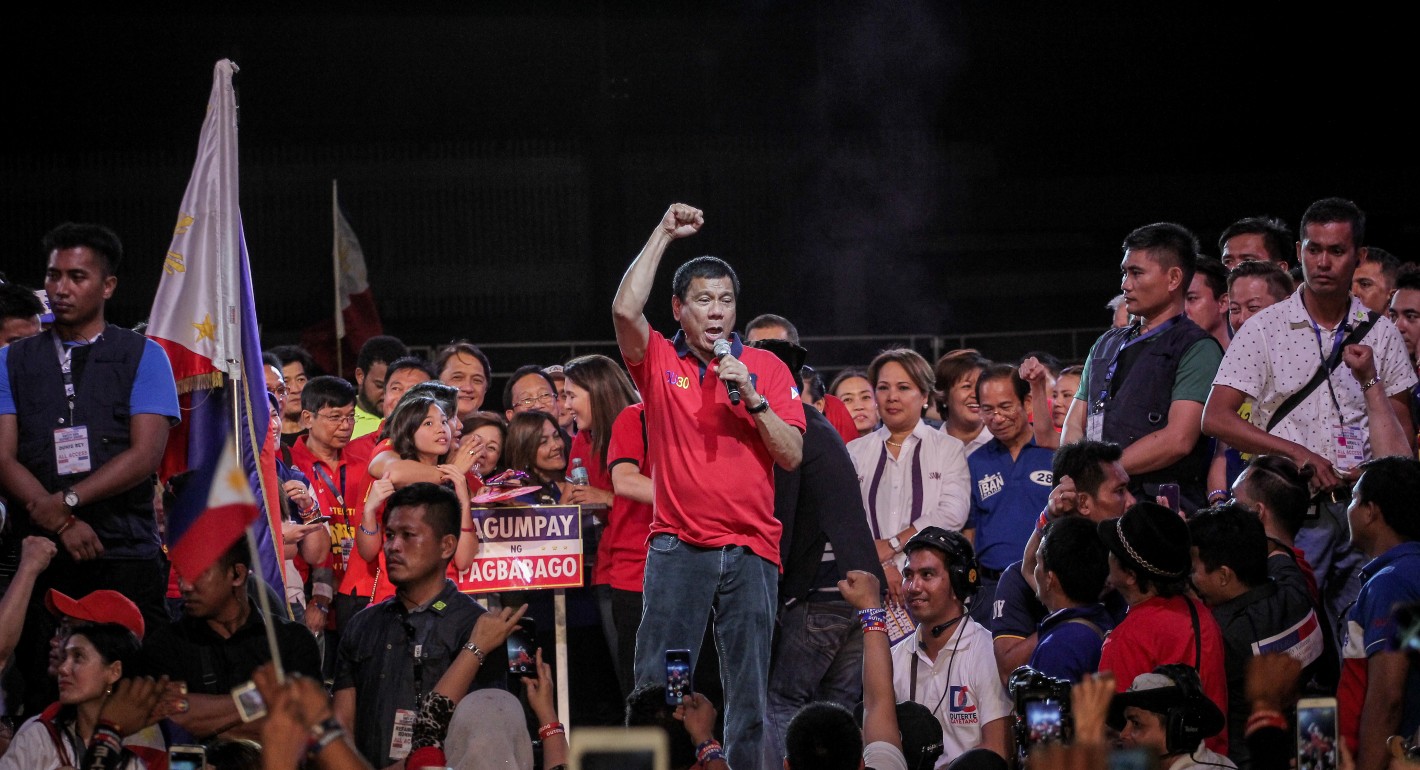
  • Duterte stands with his fist raised and a crowd of people stand behind him
    Paper
    Duterte’s Populist Foreign Policy as Illiberal Defiance: Consequences and Prospects

    In the Philippines, Duterte-era discourse emphasizing sovereignty, anti-Western skepticism, and strongman diplomacy mirrors tenets of populist foreign policy around the world.
      Aries A. Arugay
  • Commentary
    Carnegie Politika
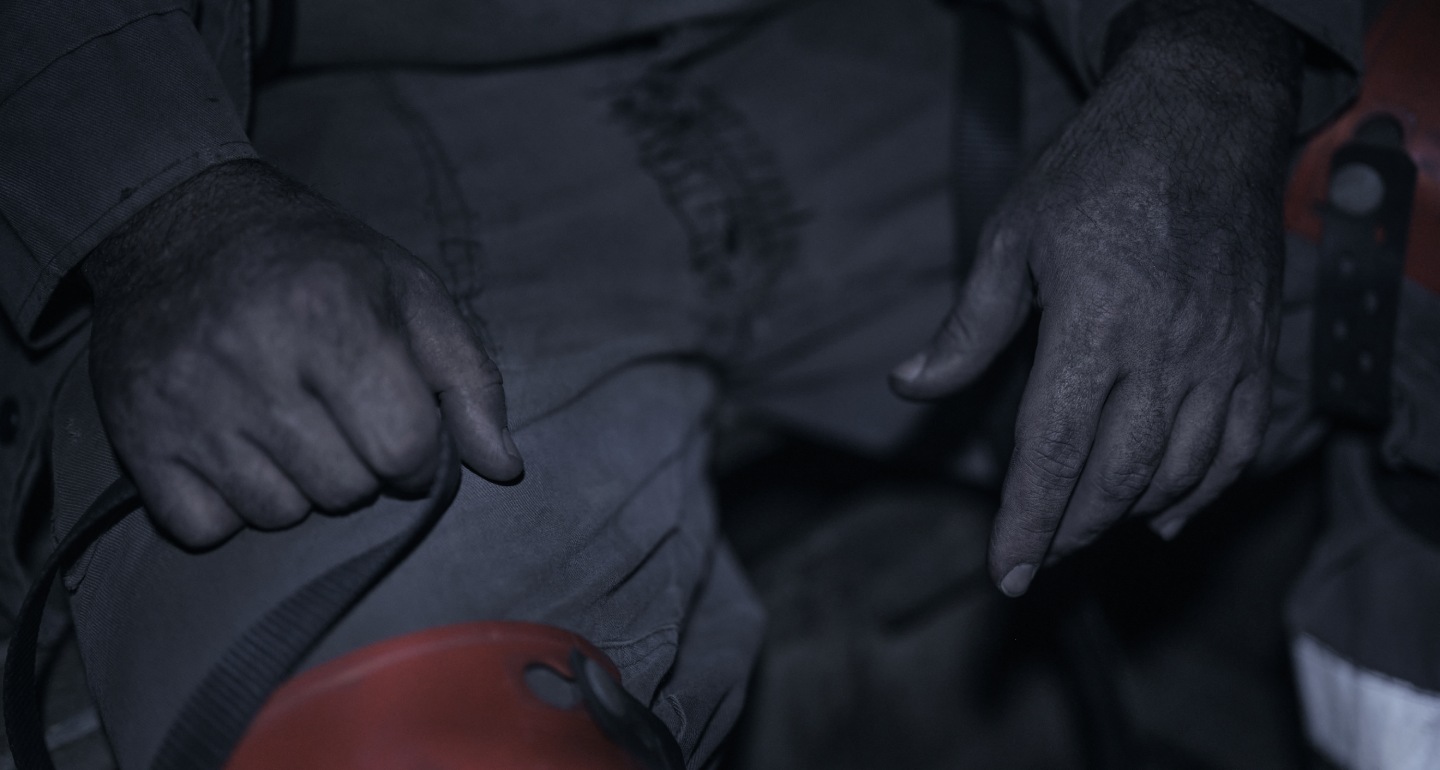
    Russia’s Coal Industry Is Running on Borrowed Time

    Powerful lobbyists and inertia led to Russia’s coal-mining sector missing an excellent opportunity to solve its structural problems.

      Alexey Gusev
  • Commentary
    Strategic Europe
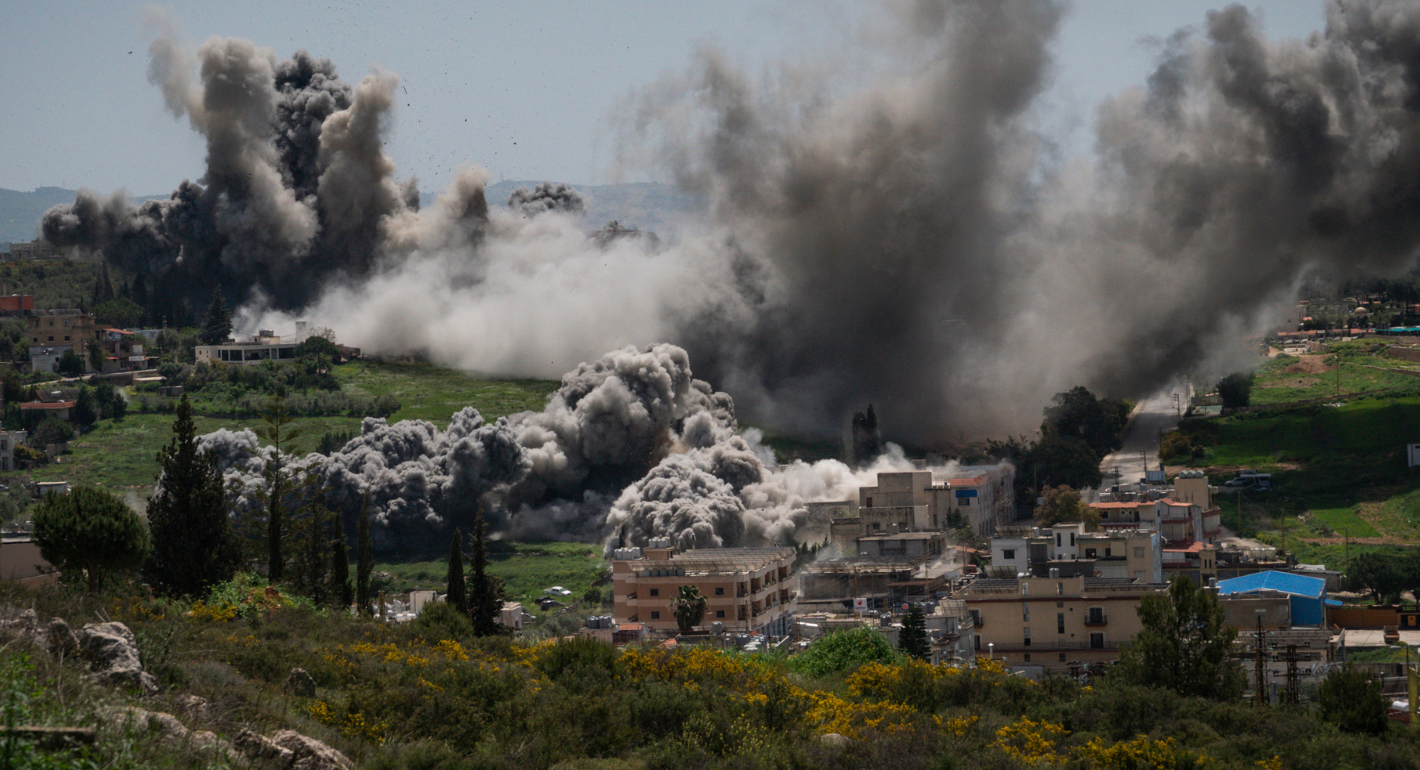
    France, Italy, and Spain Should Use Force in Lebanon

    Europe has been standing by while its Southern neighborhood is being redrawn by force. To establish a path to peace between Israel and Lebanon, it’s time for Europeans to get involved with hard power.

      • Rym Momtaz

      Rym Momtaz

Get more news and analysis from
Carnegie Endowment for International Peace
Carnegie global logo, stacked
1779 Massachusetts Avenue NWWashington, DC, 20036-2103Phone: 202 483 7600
  • Research
  • Emissary
  • About
  • Experts
  • Donate
  • Programs
  • Events
  • Blogs
  • Podcasts
  • Contact
  • Annual Reports
  • Careers
  • Privacy
  • For Media
  • Government Resources
Get more news and analysis from
Carnegie Endowment for International Peace
© 2026 Carnegie Endowment for International Peace. All rights reserved.