• Research
  • Emissary
  • About
  • Experts
Carnegie Global logoCarnegie lettermark logo
DemocracyIran
  • Donate
{
  "authors": [
    "Matthew Rojansky"
  ],
  "type": "legacyinthemedia",
  "centerAffiliationAll": "dc",
  "centers": [
    "Carnegie Endowment for International Peace",
    "Malcolm H. Kerr Carnegie Middle East Center",
    "Carnegie Russia Eurasia Center"
  ],
  "collections": [
    "Arab Awakening"
  ],
  "englishNewsletterAll": "ctw",
  "nonEnglishNewsletterAll": "",
  "primaryCenter": "Carnegie Endowment for International Peace",
  "programAffiliation": "russia",
  "programs": [
    "Russia and Eurasia"
  ],
  "projects": [
    "Eurasia in Transition"
  ],
  "regions": [
    "Middle East",
    "Syria",
    "Caucasus",
    "Russia",
    "Levant"
  ],
  "topics": [
    "Foreign Policy"
  ]
}
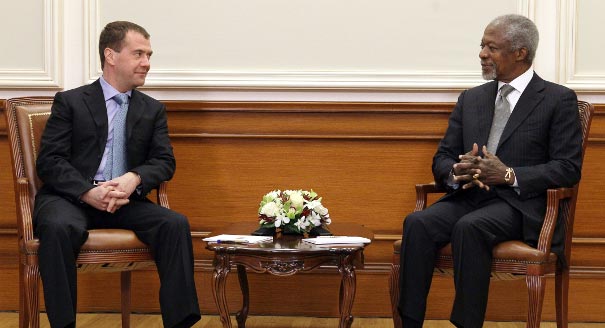
Source: Getty

In The Media

Russia Prepares for a Syria Without Assad

Although Russia seeks to remain the critical broker between Bashar al-Assad and the Syrian opposition, its stance on Syria is beginning to shift as the prospects for Assad's long-term rule diminish.

Link Copied
By Matthew Rojansky
Published on Mar 24, 2012
Program mobile hero image

Program

Russia and Eurasia

The Russia and Eurasia Program continues Carnegie’s long tradition of independent research on major political, societal, and security trends in and U.S. policy toward a region that has been upended by Russia’s war against Ukraine.  Leaders regularly turn to our work for clear-eyed, relevant analyses on the region to inform their policy decisions.

Learn More
Project hero Image

Project

Eurasia in Transition

Learn More

Source: BBC World News

In an interview with BBC World News, Carnegie’s Matthew Rojansky argued that Russia’s stance on Syria is beginning to shift as the prospects for Assad’s long-term rule diminish. “Russia is going to want to craft a kind of balanced solution that maintains their interests” both now and in a post-Assad scenario, he added.

Moscow’s priority is to ensure that “Russia remains pivotal in the solution” and continues to serve as the “critical broker” between Assad and the opposition, Rojansky explained. In the end, Russia’s leverage “depends on Assad’s belief that Russia is his best friend” and will remain a “back channel” of support, Rojansky concluded.
 

About the Author

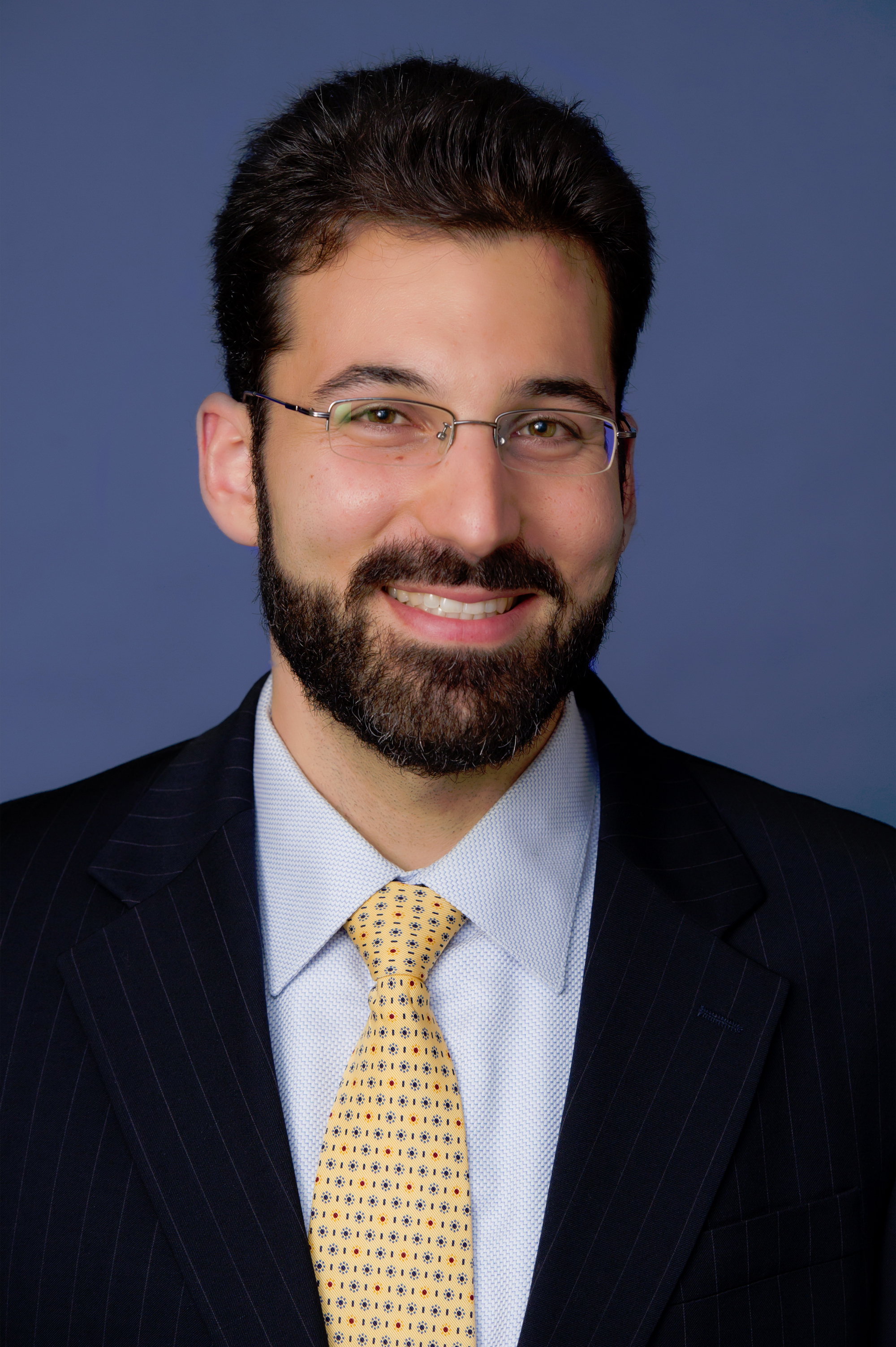
Matthew Rojansky

Former Deputy Director, Russia and Eurasia Program

Rojansky, formerly executive director of the Partnership for a Secure America, is an expert on U.S. and Russian national security and nuclear-weapon policies.

    Recent Work

  • Paper
    An Opportunity for Ambition: Ukraine’s OSCE Chairmanship

      Matthew Rojansky

  • In The Media
    Presiding Over the OSCE: Challenges and Opportunities

      Matthew Rojansky

Matthew Rojansky
Former Deputy Director, Russia and Eurasia Program
Matthew Rojansky
Foreign PolicyMiddle EastSyriaCaucasusRussiaLevant

Carnegie does not take institutional positions on public policy issues; the views represented herein are those of the author(s) and do not necessarily reflect the views of Carnegie, its staff, or its trustees.
More Work from Carnegie Endowment for International Peace

  • Commentary
    Carnegie Politika
    What’s Having More Impact on Russian Oil Export Revenues: Ukrainian Strikes or Rising Prices?

    Although Ukrainian strikes have led to a noticeable decline in the physical volume of Russian oil exports, the rise in prices has more than made up for it.

      • Sergey Vakulenko

      Sergey Vakulenko

  • Shipping port at dawn from above
    Commentary
    Emissary
    The U.S. Export-Import Bank Was Built for a Different Era. Here's How to Fix It.

    Five problems—and solutions—to make it actually work as a tool of great power competition.
      • Afren Akhter

      Afreen Akhter

  • Commentary
    Carnegie Politika
    Russia Is Meddling for Meddling’s Sake in the Middle East

    The Russian leadership wants to avoid a dangerous precedent in which it is squeezed out of Iran by the United States and Israel—and left powerless to respond in any meaningful way.

      Nikita Smagin
  • Man speaking into two mics
    Commentary
    Emissary
    Three Scenarios for the Gulf States After the Iran War

    One is hopeful. One is realistic. One is cautionary.

      • Andrew Leber

      Andrew Leber, Sam Worby

  • Article
    Afro-Iraqis, Climate Change, and Environmental Injustice in Basra

    Afro-Iraqis experience political, economic, and social marginalization and discrimination, which exposes the poorest members of the community to the harsh realities of the region’s climate disaster.
      Zeinab Shuker

Get more news and analysis from
Carnegie Endowment for International Peace
Carnegie global logo, stacked
1779 Massachusetts Avenue NWWashington, DC, 20036-2103Phone: 202 483 7600Fax: 202 483 1840
  • Research
  • Emissary
  • About
  • Experts
  • Donate
  • Programs
  • Events
  • Blogs
  • Podcasts
  • Contact
  • Annual Reports
  • Careers
  • Privacy
  • For Media
  • Government Resources
Get more news and analysis from
Carnegie Endowment for International Peace
© 2026 Carnegie Endowment for International Peace. All rights reserved.