

Other
- +18
James M. Acton, Saskia Brechenmacher, Cecily Brewer, …
{
  "authors": [
    "James M. Acton"
  ],
  "type": "other",
  "centerAffiliationAll": "dc",
  "centers": [
    "Carnegie Endowment for International Peace"
  ],
  "collections": [
    "U.S. Nuclear Policy"
  ],
  "englishNewsletterAll": "ctw",
  "nonEnglishNewsletterAll": "",
  "primaryCenter": "Carnegie Endowment for International Peace",
  "programAffiliation": "NPP",
  "programs": [
    "Nuclear Policy"
  ],
  "projects": [],
  "regions": [
    "North America",
    "United States",
    "Caucasus",
    "Russia"
  ],
  "topics": [
    "Nuclear Policy"
  ]
}
Source: Getty
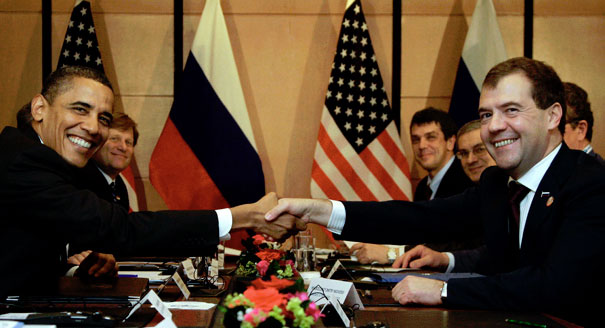
In contemporary discussions about nuclear disarmament, few pause to ask why–and indeed whether–transparency is desirable.
Source: Russia and the Dilemmas of Nuclear Disarmament

Many of the non-nuclear-weapon states and non-governmental organizations that advocate greater transparency see its main value in permitting closer scrutiny of the nuclear-weapon states and their commitment to disarmament. For fear of appearing to provide a tacit endorsement of nuclear deterrence, they are strongly disinclined to even consider whether greater transparency could, in some circumstances, negatively affect deterrence; instead, they prefer to assert – as though it were a truism – that greater openness would automatically result in greater security.
This approach is short sighted. The nuclear-weapon states have made it clear that abolition will be a gradual process with progress towards disarmament tied to changes in the broader international security environment. Given that nuclear weapons will continue to exist for some time, it is in the interests of all states that further transparency does not undermine the stability of deterrence by, say, precipitating an arms build-up or increasing the probability of nuclear use.

Jessica T. Mathews Chair, Co-director, Nuclear Policy Program
Acton holds the Jessica T. Mathews Chair and is co-director of the Nuclear Policy Program at the Carnegie Endowment for International Peace.
Recent Work


James M. Acton, Saskia Brechenmacher, Cecily Brewer, …
James M. Acton
Carnegie does not take institutional positions on public policy issues; the views represented herein are those of the author(s) and do not necessarily reflect the views of Carnegie, its staff, or its trustees.
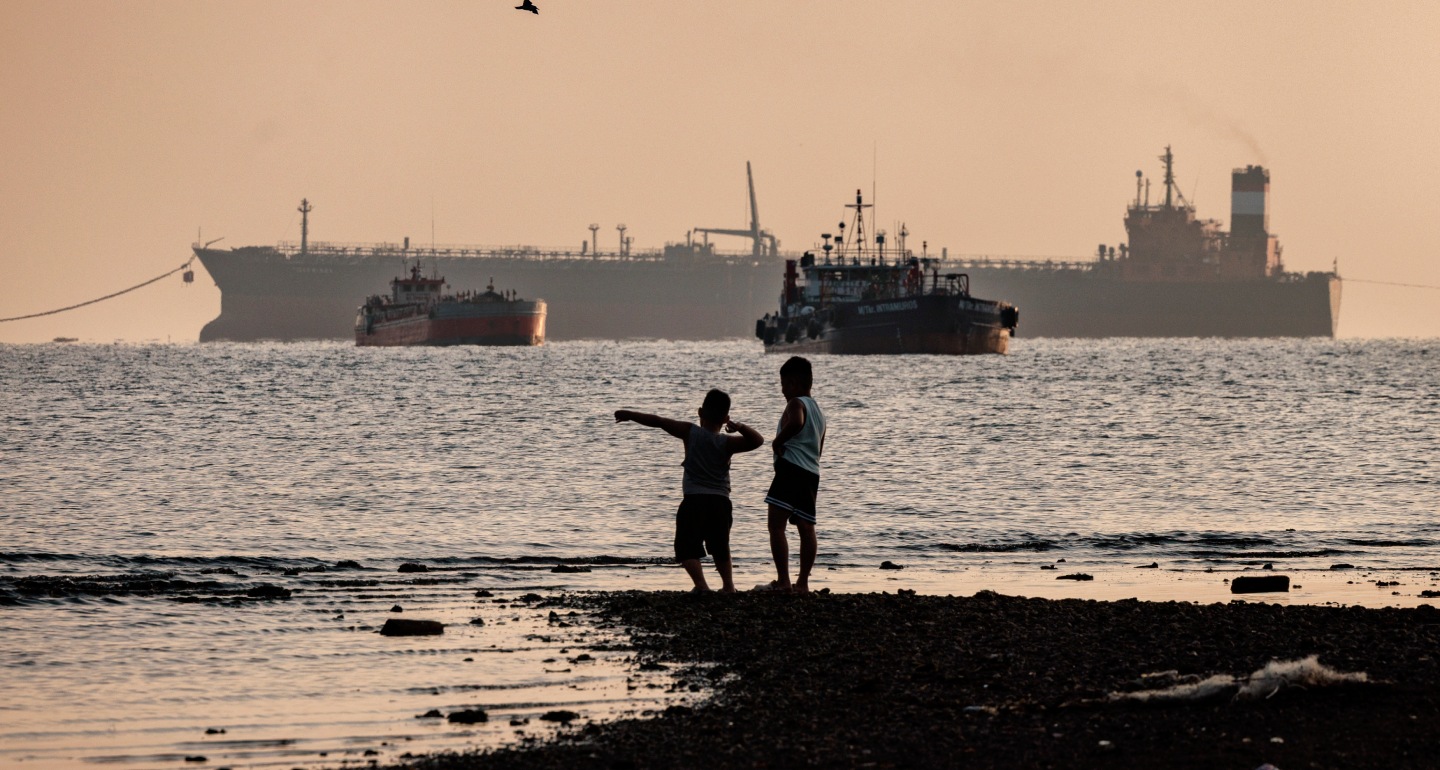
Although Ukrainian strikes have led to a noticeable decline in the physical volume of Russian oil exports, the rise in prices has more than made up for it.

Sergey Vakulenko

Five problems—and solutions—to make it actually work as a tool of great power competition.

Afreen Akhter

The Russian leadership wants to avoid a dangerous precedent in which it is squeezed out of Iran by the United States and Israel—and left powerless to respond in any meaningful way.

Nikita Smagin
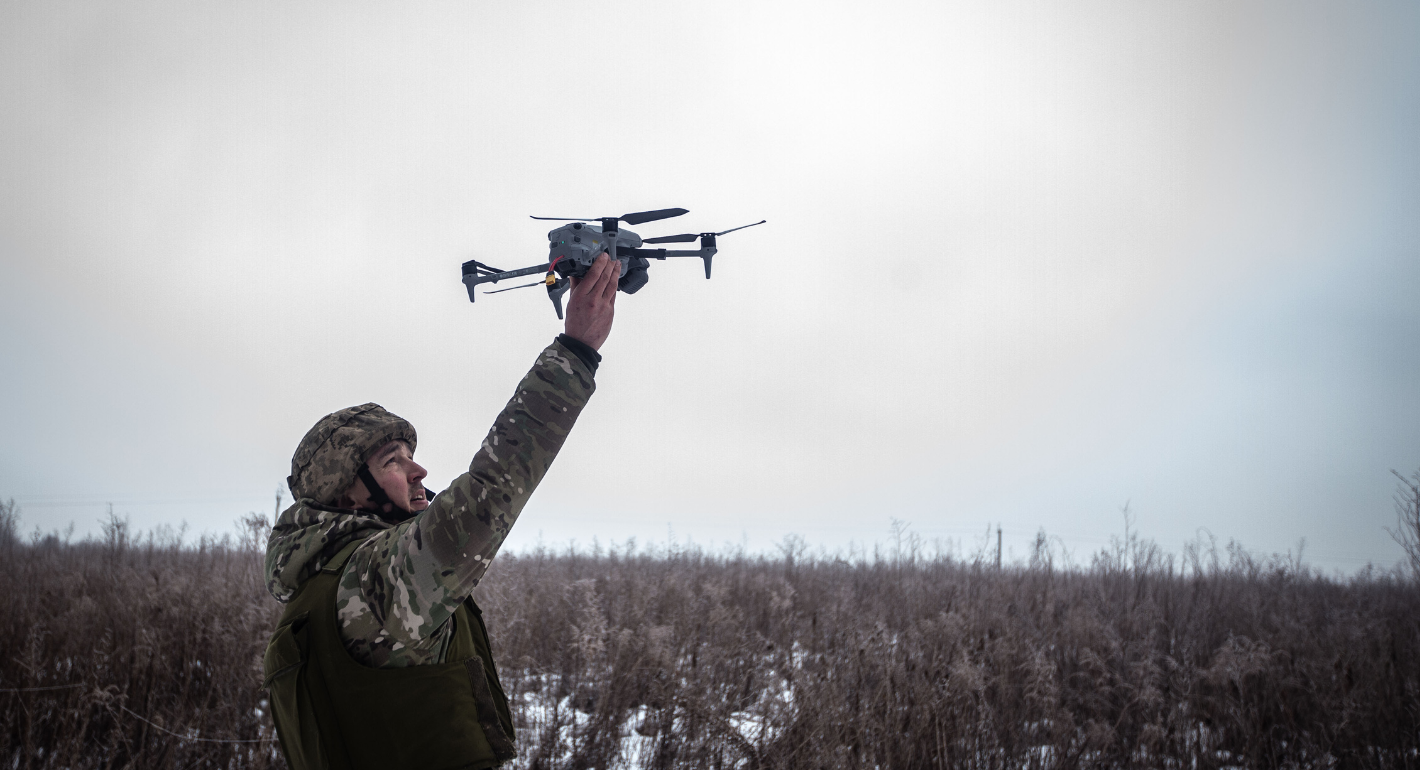
In Ukraine, Gaza, and Iran, AI warfare has come to dominate, with barely any oversight or accountability. Europe must lead the charge on the responsible use of new military technologies.

Raluca Csernatoni
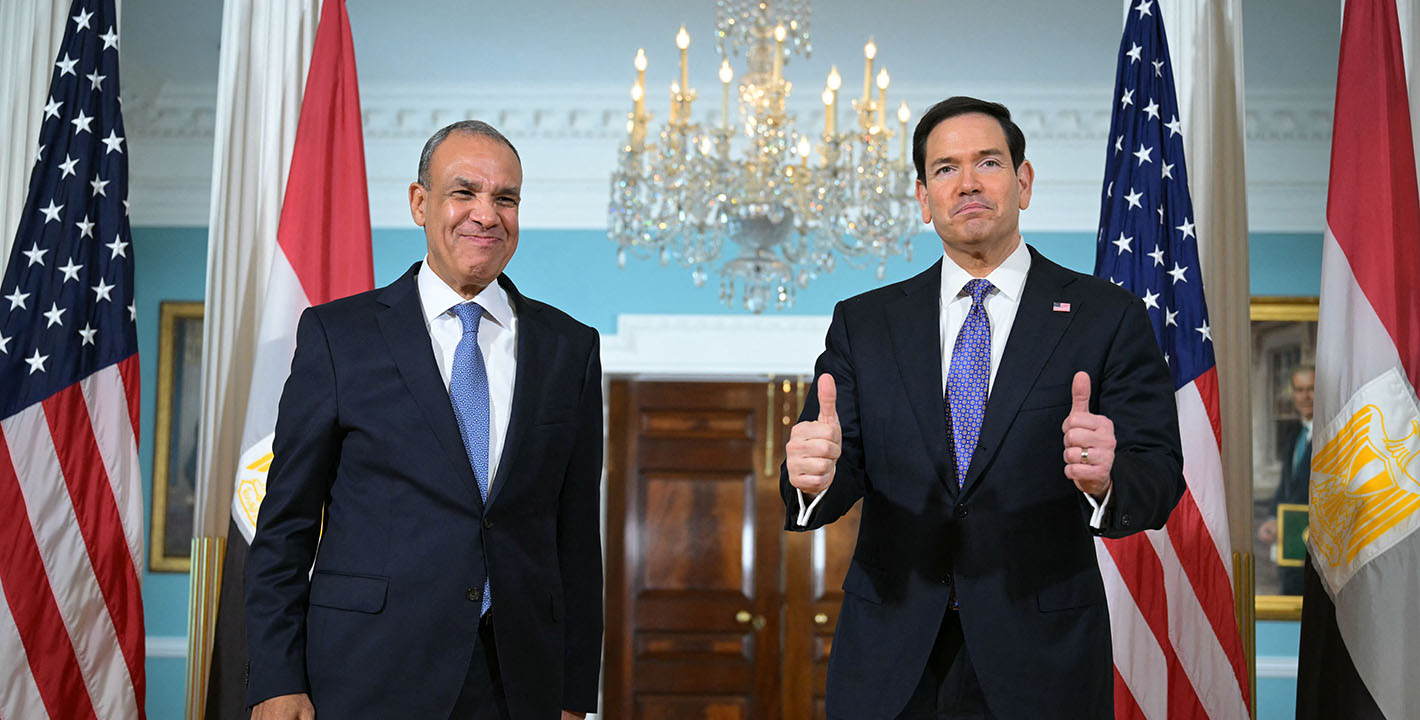
Cairo’s efforts send a message to the United States and the region that it still has a place at the diplomatic table.

Angie Omar