Research
- +6
Milan Vaishnav, Sameer Lalwani, Tanvi Madan, …
{
  "authors": [
    "Milan Vaishnav"
  ],
  "type": "legacyinthemedia",
  "centerAffiliationAll": "dc",
  "centers": [
    "Carnegie Endowment for International Peace"
  ],
  "collections": [],
  "englishNewsletterAll": "ctw",
  "nonEnglishNewsletterAll": "",
  "primaryCenter": "Carnegie Endowment for International Peace",
  "programAffiliation": "SAP",
  "programs": [
    "South Asia"
  ],
  "projects": [],
  "regions": [
    "South Asia",
    "India"
  ],
  "topics": [
    "Economy"
  ]
}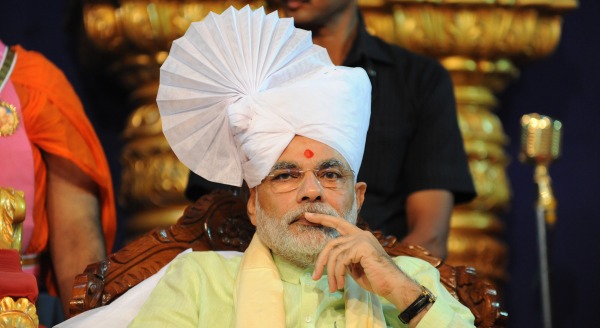
Source: Getty
Narendra Modi’s number one priority is the economy. But while he deserves some credit for improving India’s macroeconomic performance, he has been slow to enact bold reforms that could improve the business climate and the functioning of government.
Source: Monocle
As Narendra Modi completes a year in office, Monocle’s Steve Bloomfield is joined by Milan Vaishnav and Shashank Bengali to discuss where the world’s largest democracy is today.
Vaishnav begins by saying that Modi’s number one priority is the economy, and that he deserves some credit for improving India’s macroeconomic performance. However, he has been slow to enact bold reforms that could improve the business climate and the functioning of government. Vaishnav also notes that Modi has avoided addressing hot-button social issues himself, yet he has declined to condemn& inflammatory comments from his allies in the BJP and RSS.

Director and Senior Fellow, South Asia Program
Milan Vaishnav is a senior fellow and director of the South Asia Program and the host of the Grand Tamasha podcast at the Carnegie Endowment for International Peace. His primary research focus is the political economy of India, and he examines issues such as corruption and governance, state capacity, distributive politics, and electoral behavior. He also conducts research on the Indian diaspora.
Recent Work


Milan Vaishnav, Sameer Lalwani, Tanvi Madan, …
Sumitra Badrinathan, Devesh Kapur, Andy Robaina, …
Carnegie does not take institutional positions on public policy issues; the views represented herein are those of the author(s) and do not necessarily reflect the views of Carnegie, its staff, or its trustees.
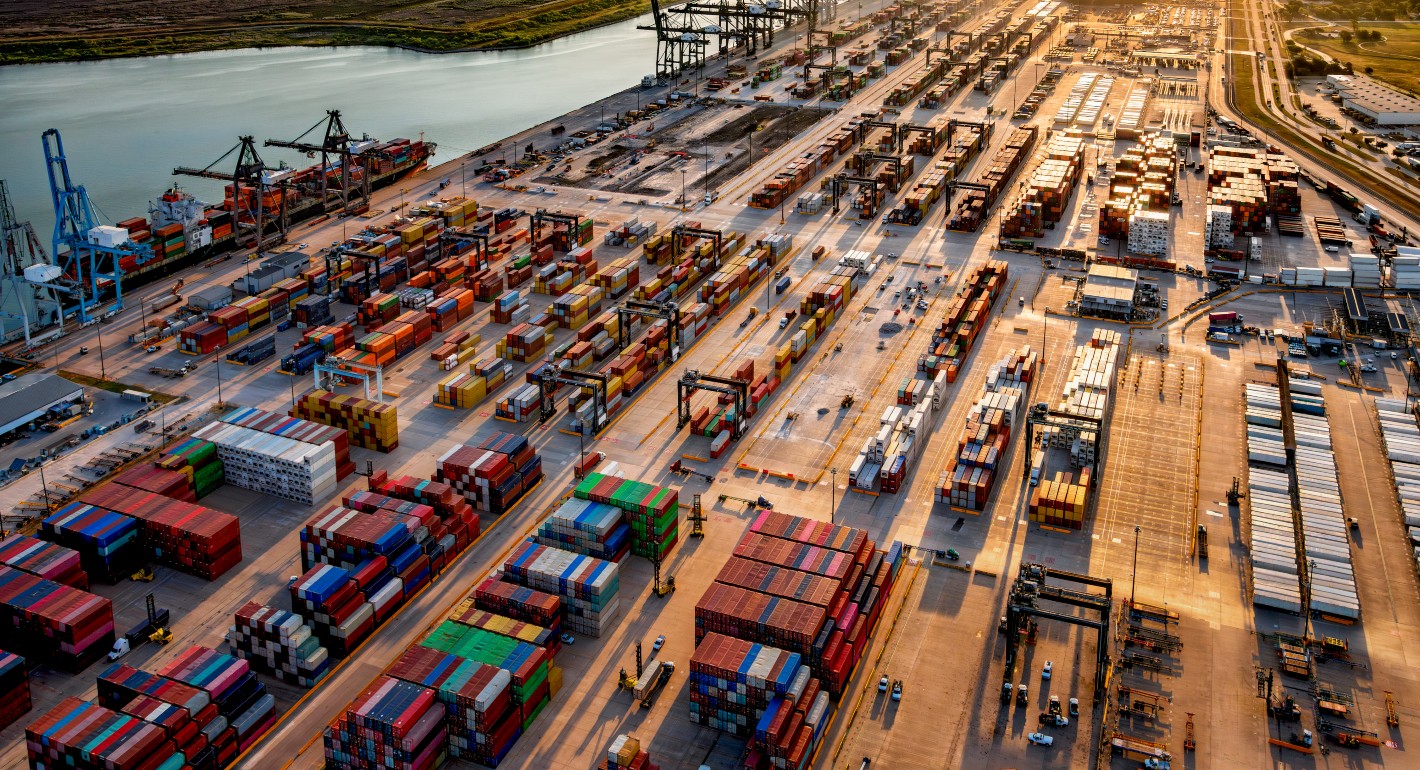
Five problems—and solutions—to make it actually work as a tool of great power competition.
Afreen Akhter
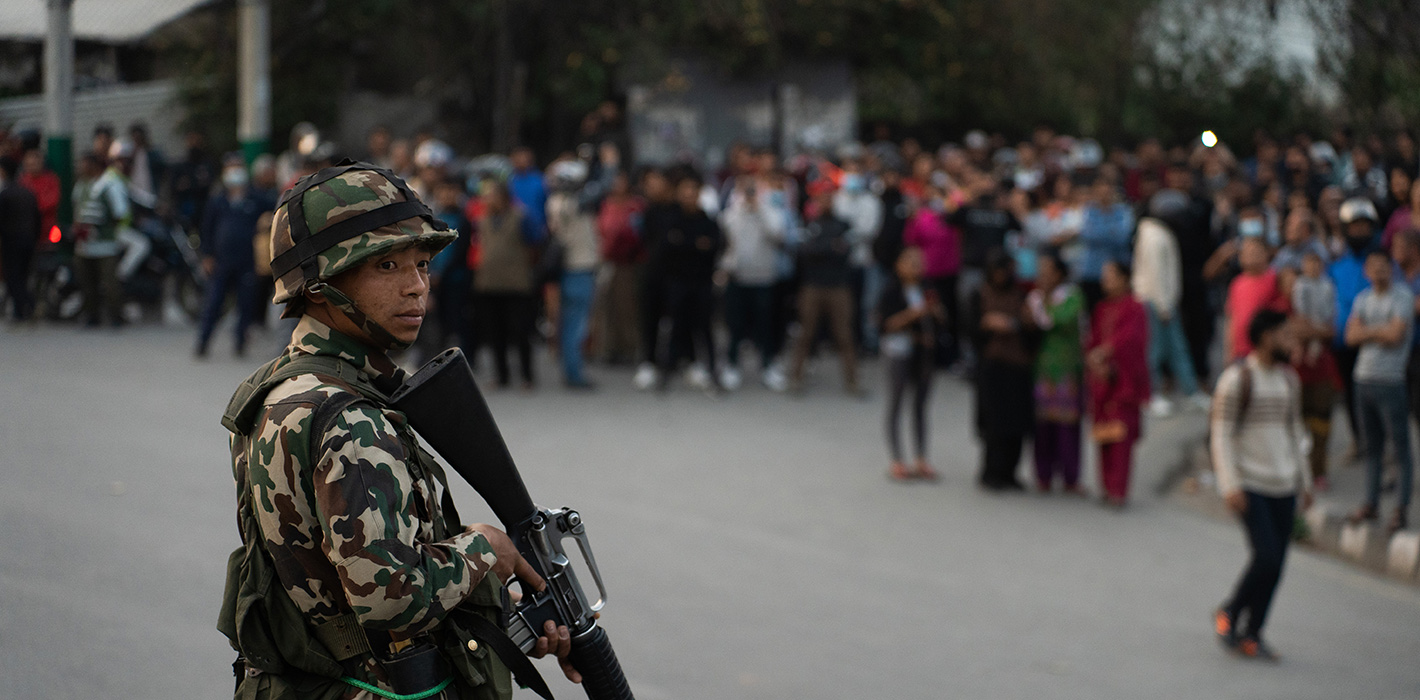
Military rule is now a defining political factor in South Asia. Here’s how analysts can understand and account for it.

Paul Staniland

This piece argues that the present Indian strategy, based on opportunistic diversification and utilization of limited strategic reserves, remains inadequate when confronting supply disruptions. It evaluates India’s options in the short, medium, and long terms.

Vrinda Sahai

As the war between the United States, Israel, and Iran continues, Carnegie scholars contribute cutting-edge analysis on the events of the war and their wide-reaching implications. From the impact on Iran and its immediate neighbors to the responses from Gulf states to fuel and fertilizer shortages caused by the effective shutdown of the Strait of Hormuz, the war is reshaping Middle East alliances and creating shockwaves around the world. Carnegie experts analyze it all.
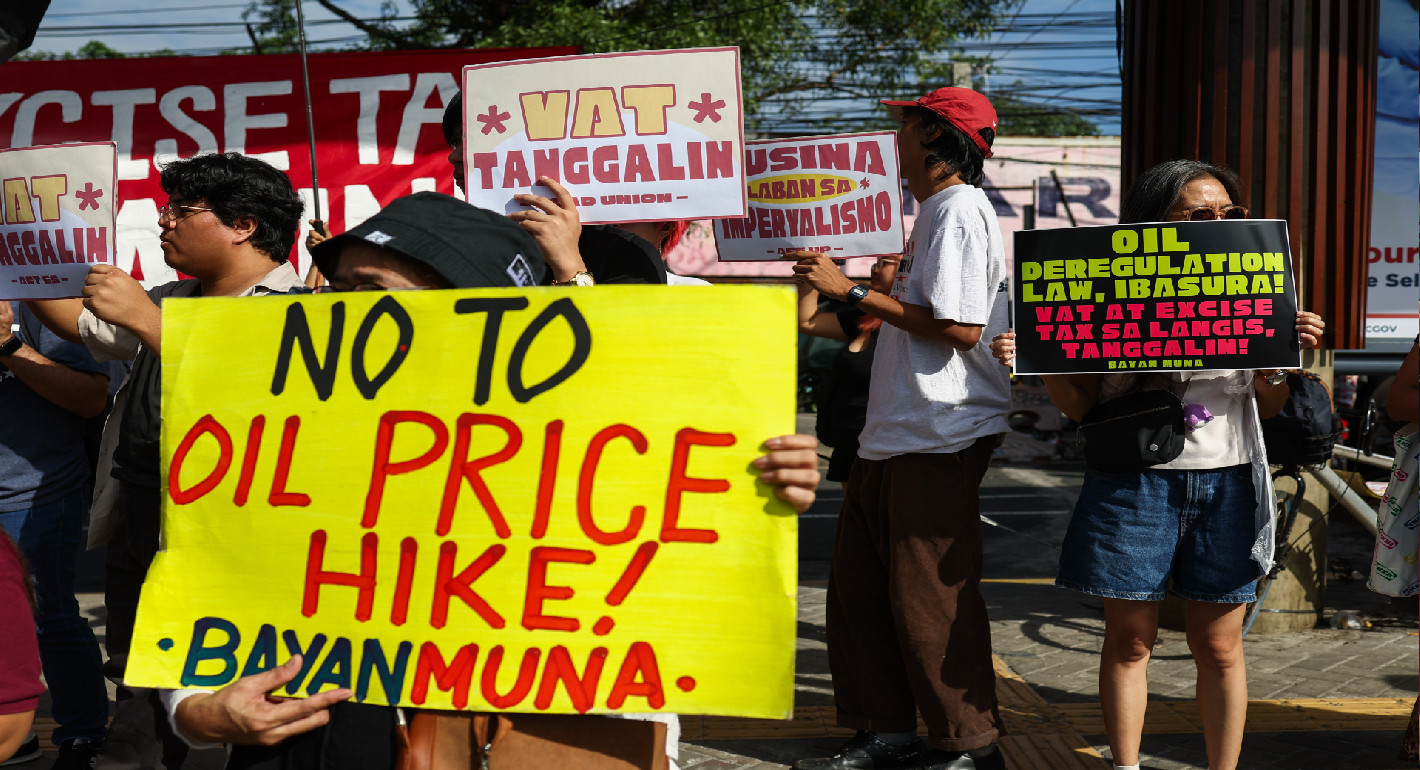
There is no better time for the countries of Southeast Asia to reconsider their energy security than during this latest crisis.
Gita Wirjawan