

Commentary
Andrei Kolesnikov
{
  "authors": [
    "Andrei Kolesnikov"
  ],
  "type": "legacyinthemedia",
  "centerAffiliationAll": "",
  "centers": [
    "Carnegie Endowment for International Peace",
    "Carnegie Russia Eurasia Center"
  ],
  "collections": [],
  "englishNewsletterAll": "",
  "nonEnglishNewsletterAll": "",
  "primaryCenter": "Carnegie Endowment for International Peace",
  "programAffiliation": "",
  "programs": [],
  "projects": [],
  "regions": [
    "Russia"
  ],
  "topics": [
    "Political Reform"
  ]
}
Source: Getty
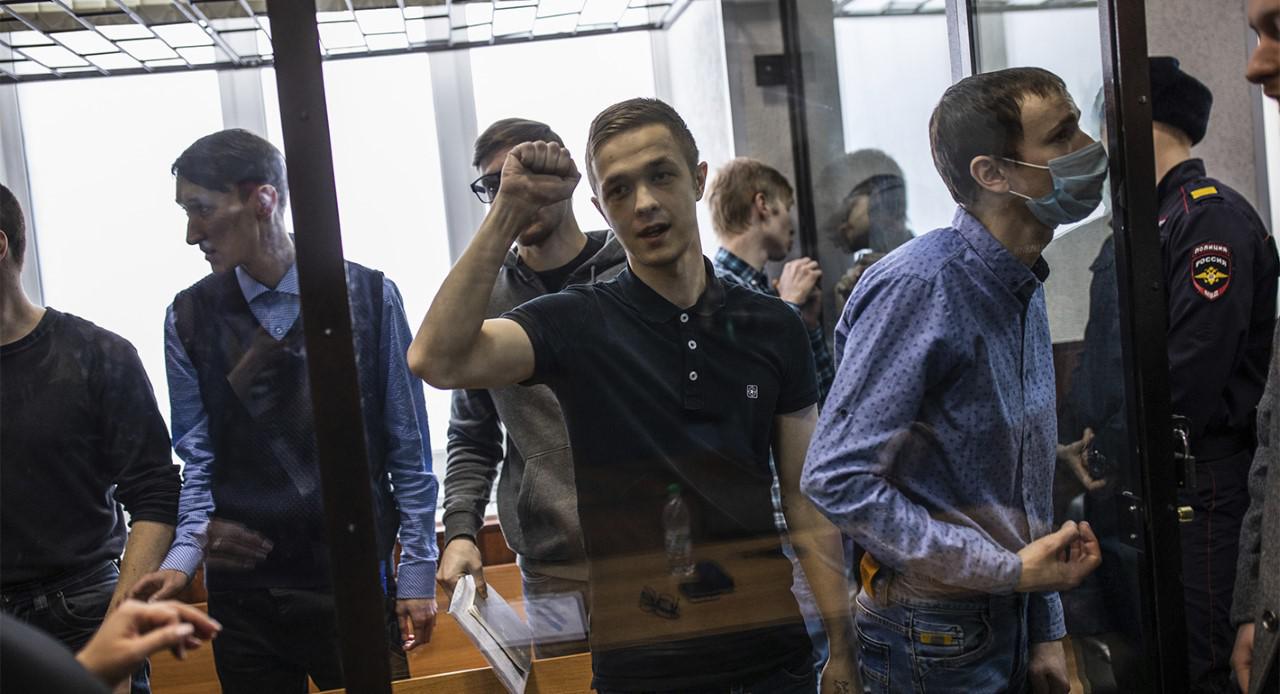
The extreme sentences handed down to defendants in what is being called the “Network Case” is an ominous sign.
Source: Moscow Times
On Monday, a court in central Russia jailed members of an anti-fascist activist group Set — Russian for “Network” — for up to 18 years on terrorism charges.
The seven young members of the group were arrested in the city of Penza in 2017.
Back then, investigators accused them of planning attacks during the 2018 presidential election and football World Cup. However, human rights defenders were quick to raise alarms and have said the charges of terrorism were fabricated. The accused themselves said they were severely tortured during the process.
We have to be absolutely clear here. An 18-year jail term for a 27-year-old who has neither killed, shot or beaten anybody, nor stolen billions — unlike most of the heroic representatives of various elites — is pure Stalinism.
This impression is only deepened by the authorities themselves, who hand out jail terms as if they were selling balloons: In this case a troika of judges in the Volga District military court gave the defendants prison sentences of 18, 16, 14, 10, nine, and six years. An NKVD-style troika, a military court, terrorists — this is a scene from 1937.
Why is it a Stalinist sentence? Because during the Khrushchev, and even Brezhnev eras, jail terms were far lower. Take any similar case at random, for instance, the 1963 sentence issued by the Supreme Court of the Belorussian SSR to three young “terrorists” who had allegedly set up an illegal organization “with the aim of achieving the establishment of a bourgeois-democratic republic in the U.S.S.R. using terrorist methods.”
This was a rather different case from the “Network Case.” The boys in 1963 were undermining the foundation of constitutional order with the goal of changing power in the country. In the Khrushchev era the sentence for such “crimes” was limited to eight to 10 years behind bars. Anti-Soviet agitation and propaganda was often punished with lesser terms than those given today for “inflicting moral suffering” on members of the police, or for throwing the notorious “plastic cups” in their direction.
Does this mean that the Soviet leadership during the Khrushchev Thaw and the subsequent stagnation under Brezhnev felt more confident than the current authorities?
The harshness of the sentences for the throwing of plastic cups and for organizing outdoor training, as the Network group did, is intended to demonstrate the state’s readiness to defend itself from any manifestations of dissatisfaction and dissent, even action that is not particularly vividly expressed.
Primarily, of course, this is down to the FSB exercising control over affairs of this kind, along with cases of espionage and treason. It is as if the Lyubyanka headquarters is sending a signal to say “We are the constitutional order.”
And they are prepared to protect themselves and their beloved cronies using any means.
The disproportionate terms being handed out by the judges, the procedural violations and the claims of torture, to which the judiciary then turns a blind eye, the fabricated accusations — all of this testifies either to the complete subordination of the judges to the FSB, or to their professional degradation. Which, as it happens, is one and the same thing.
The sentences are harsh for one main reason: To dissuade others from doing the same thing.
If you really want to train, run and shoot, you can join the ranks of the Donbass fighters, the Cossacks with their whips, or the “Youth Army,” depending on your age. You can even join the Wagner mercenary army, and go off to kill and torture people. But God forbid that the thought might even occur to a young person that there’s something wrong with the country’s power structure, something unfair. If it does, they can expect a Stalinist troika and Stalinist jail terms.
Somewhere high up the Kremlin is amending the constitution, searching for ways to prolong the autocratic system. And at the very bottom of the system they are handing out sentences to the very young and wrecking their lives, some for two consecutive presidential terms, some for three.
Former Senior Fellow, Carnegie Russia Eurasia Center
Kolesnikov was a senior fellow at the Carnegie Russia Eurasia Center.
Recent Work
Andrei Kolesnikov
Andrei Kolesnikov
Carnegie does not take institutional positions on public policy issues; the views represented herein are those of the author(s) and do not necessarily reflect the views of Carnegie, its staff, or its trustees.

Although Ukrainian strikes have led to a noticeable decline in the physical volume of Russian oil exports, the rise in prices has more than made up for it.

Sergey Vakulenko
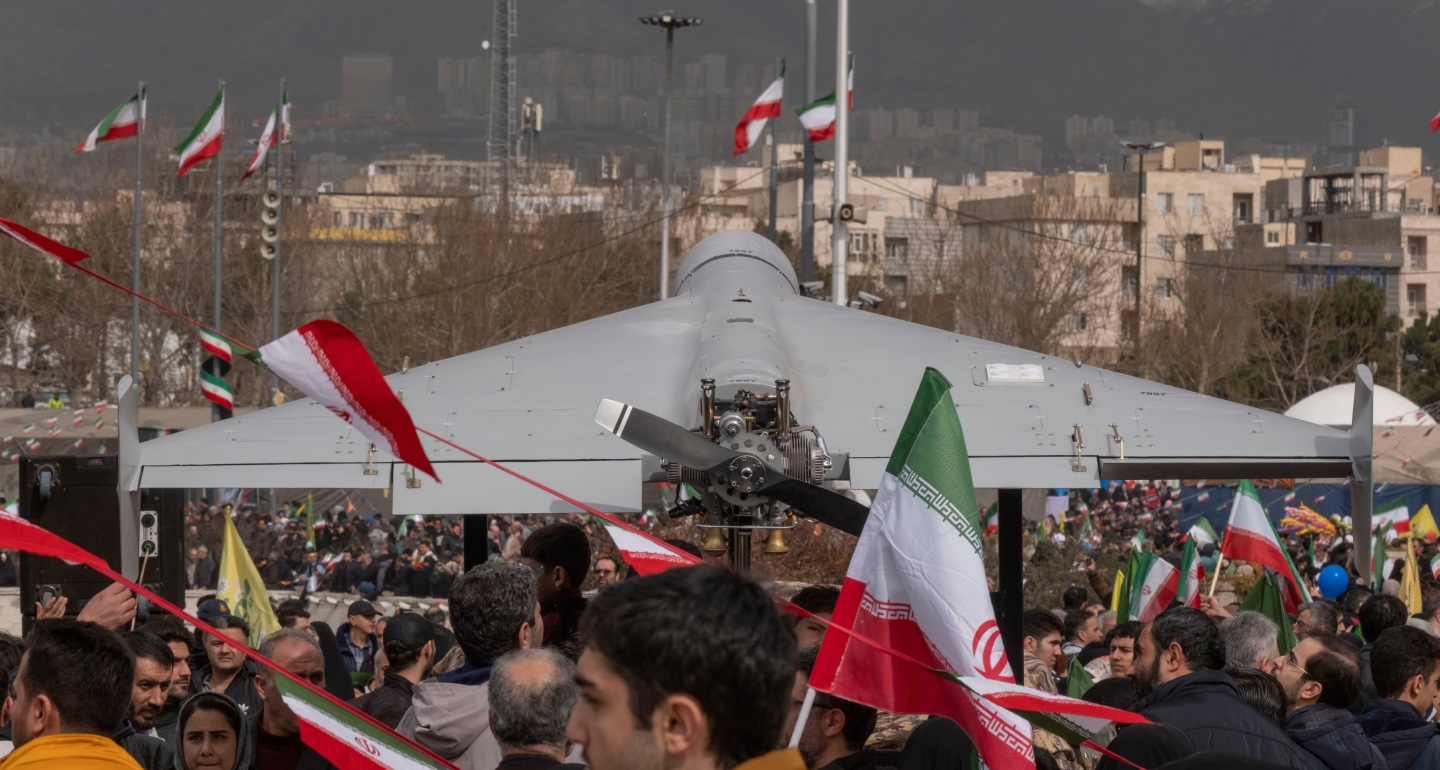
The Russian leadership wants to avoid a dangerous precedent in which it is squeezed out of Iran by the United States and Israel—and left powerless to respond in any meaningful way.

Nikita Smagin
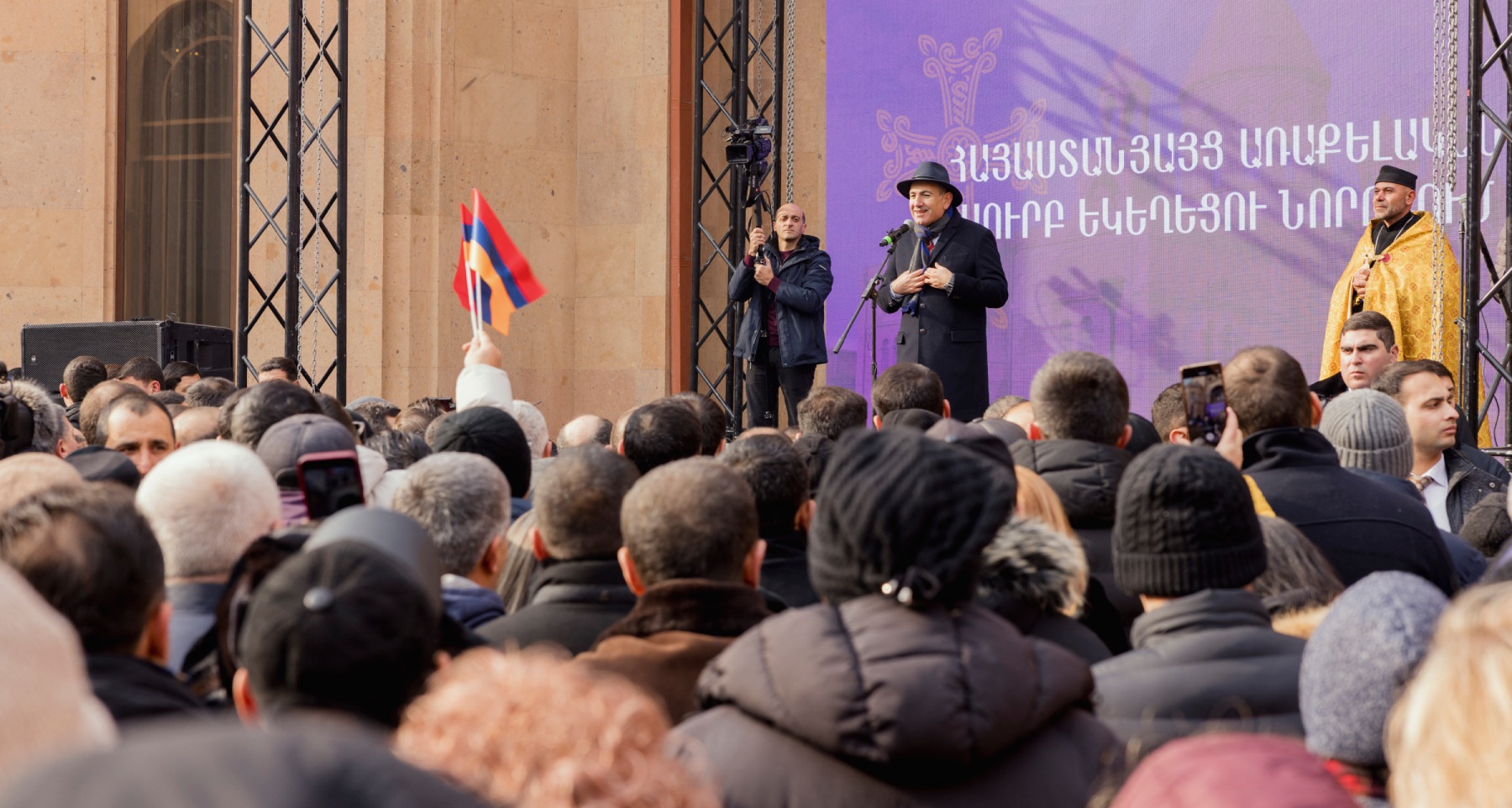
It’s true that many Armenians would vote for anyone just to be rid of Pashinyan, whom they blame for the loss of Nagorno-Karabakh, but the pro-Russia opposition is unlikely to be able to channel that frustration into an electoral victory.
Mikayel Zolyan
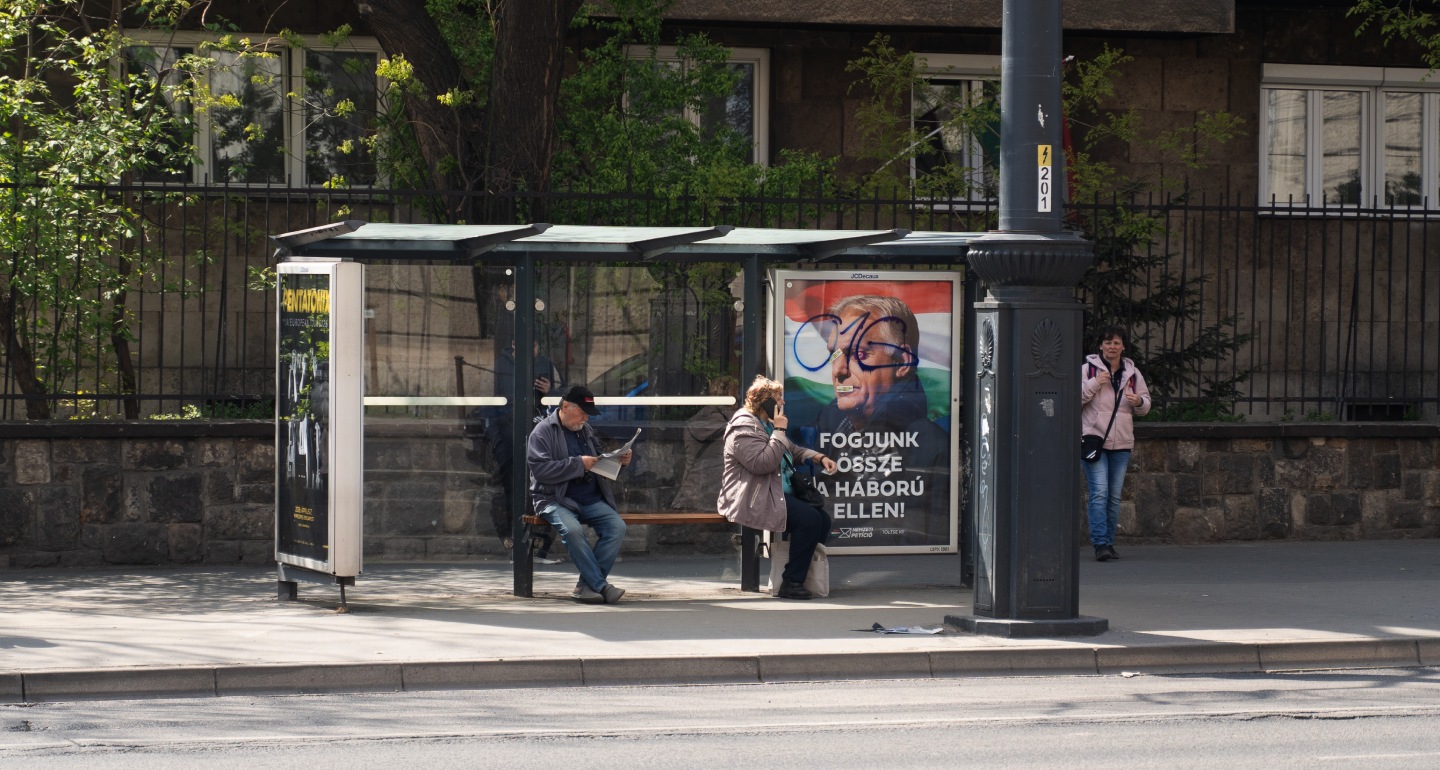
Orbán created an image for himself as virtually the only opponent of aid to Ukraine in the entire EU. But in reality, he was simply willing to use his veto to absorb all the backlash, allowing other opponents to remain in the shadows.
Maksim Samorukov
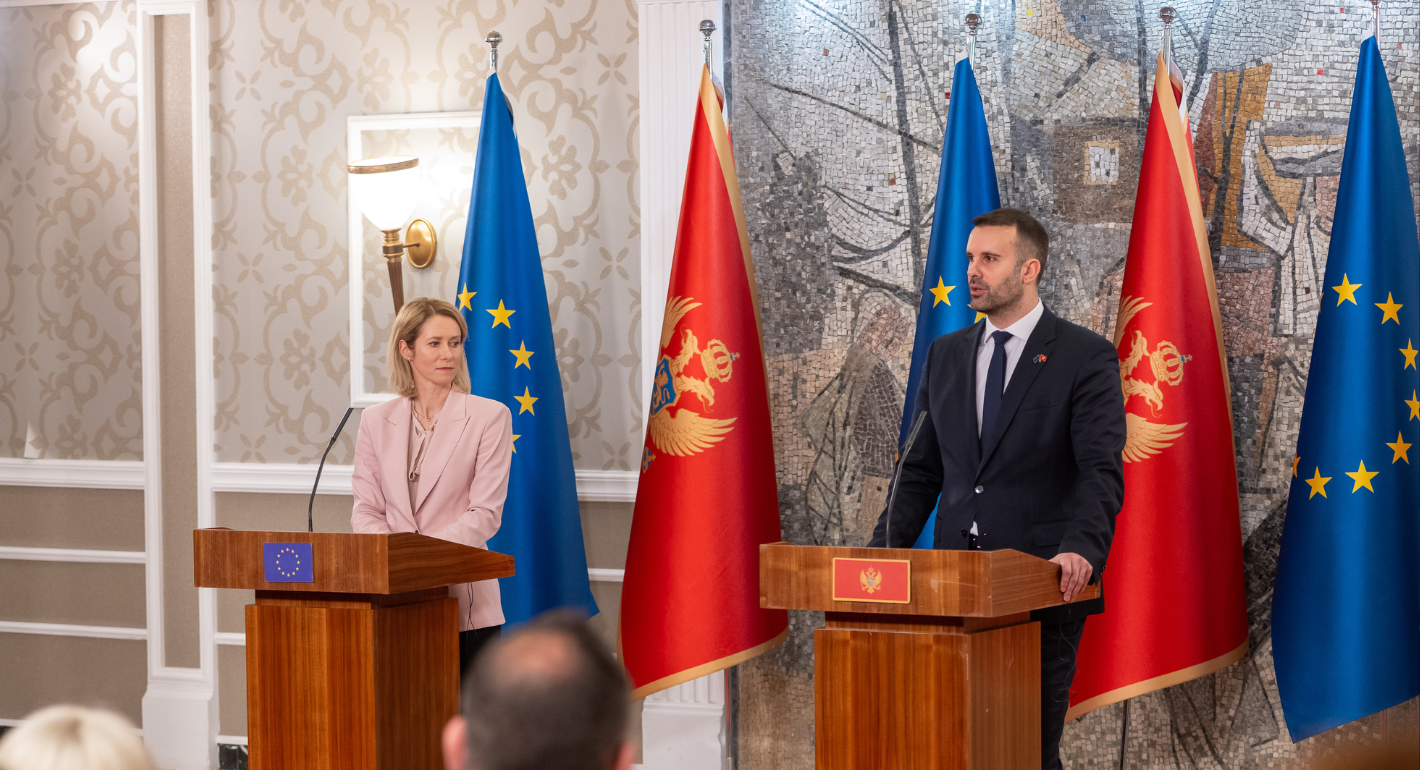
Montenegro and Albania are frontrunners for EU enlargement in the Western Balkans, but they can’t just sit back and wait. To meet their 2030 accession ambitions, they must make a strong positive case.


Dimitar Bechev, Iliriana Gjoni