

Commentary
H. A. Hellyer
{
  "authors": [
    "H. A. Hellyer"
  ],
  "type": "legacyinthemedia",
  "centerAffiliationAll": "dc",
  "centers": [
    "Carnegie Endowment for International Peace"
  ],
  "collections": [],
  "englishNewsletterAll": "menaTransitions",
  "nonEnglishNewsletterAll": "",
  "primaryCenter": "Carnegie Endowment for International Peace",
  "programAffiliation": "MEP",
  "programs": [
    "Middle East"
  ],
  "projects": [],
  "regions": [
    "Southeast Asia",
    "Eastern Europe",
    "Western Europe"
  ],
  "topics": [
    "Security",
    "Foreign Policy"
  ]
}
Source: Getty
The ideas of European Identitarians, an extremist far-right movement, affect and impact the politics of so much of the western world, and beyond.
Source: National
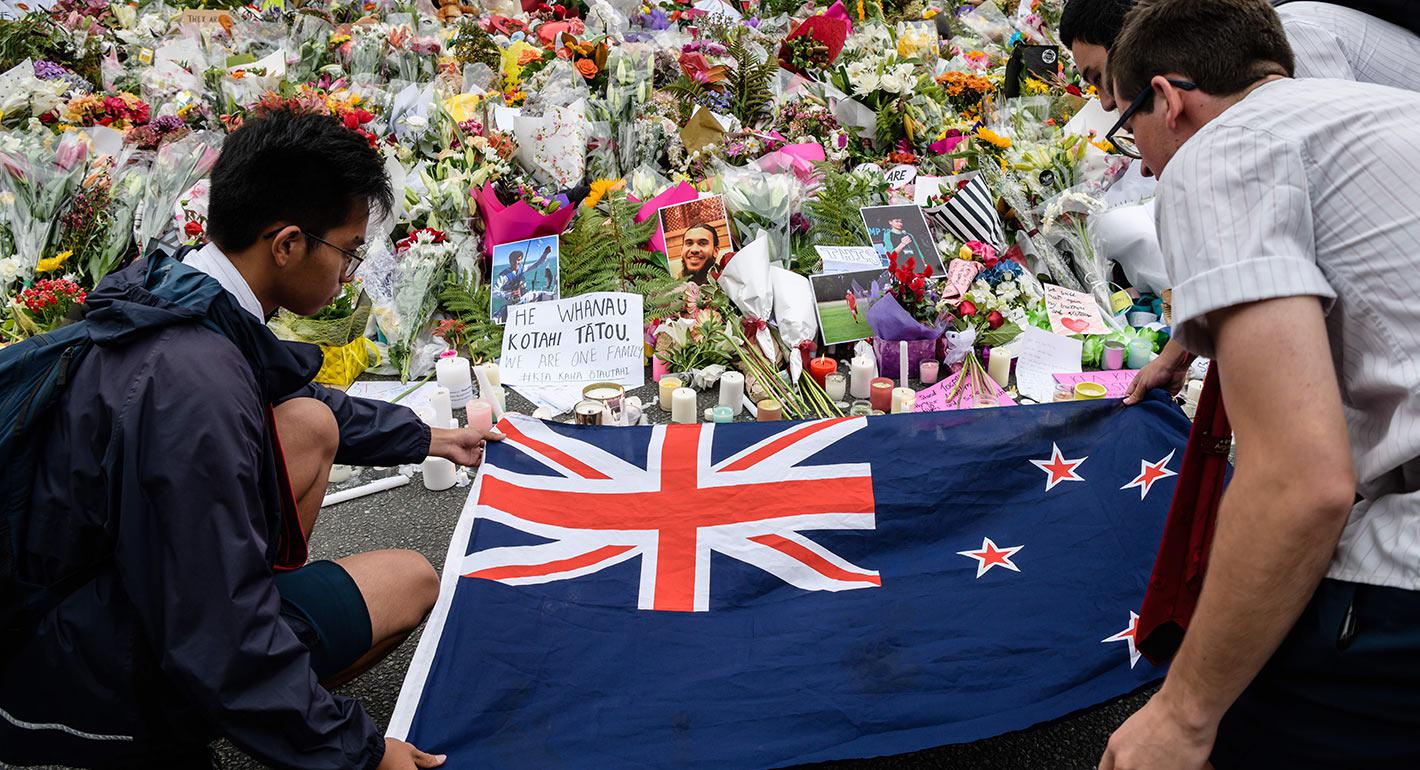
Brenton Tarrant, the terrorist of the New Zealand Christchurch massacre who killed 51 people in different mosques last year, was sentenced to life in prison without parole today. The verdict will no doubt provide some solace and closure to the survivors of the attacks, as well as to families of the victims. However, the phenomenon that produced him continues, and the question remains: how long will it continue before we address not simply the end result of this kind of bigotry, but the causes of it?
It is not as though this was the first time such a massacre took place. Almost a decade ago, a Norwegian Islamophobic white supremacist carried out one of the brutal terrorist attacks on European soil in recent history. Anders Behring Breivik detonated a bomb in Oslo, murdering 8 people; he then went to a youth camp, and killed another 69. His motivations were all clearly laid out in the manifesto he deliberately left for people to find. He was a bigot who hated Muslims, lauded white supremacy, and viewed himself as a soldier in a new crusade to save western civilisation.
Former Nonresident Scholar, Middle East Program
Dr. H.A. Hellyer was a nonresident scholar at the Carnegie Endowment for International Peace. He serves as a senior associate fellow at the Royal United Services Institute for Defence and Security Studies in London, and as a Cambridge University fellow.
Recent Work
H. A. Hellyer
H. A. Hellyer
Carnegie does not take institutional positions on public policy issues; the views represented herein are those of the author(s) and do not necessarily reflect the views of Carnegie, its staff, or its trustees.
Despite the agreement’s uncertainty, it’s still a significant development in regional and nuclear policy.


Andrew Leber, Jane Darby Menton
“AI safety in parallel” is modest and pragmatic but vital.

Matt Sheehan

Trump is distracted and Ukraine wants Europe to step up. The continent’s leaders must find their voice and assert it in talks with Russia.

Alissa de Carbonnel
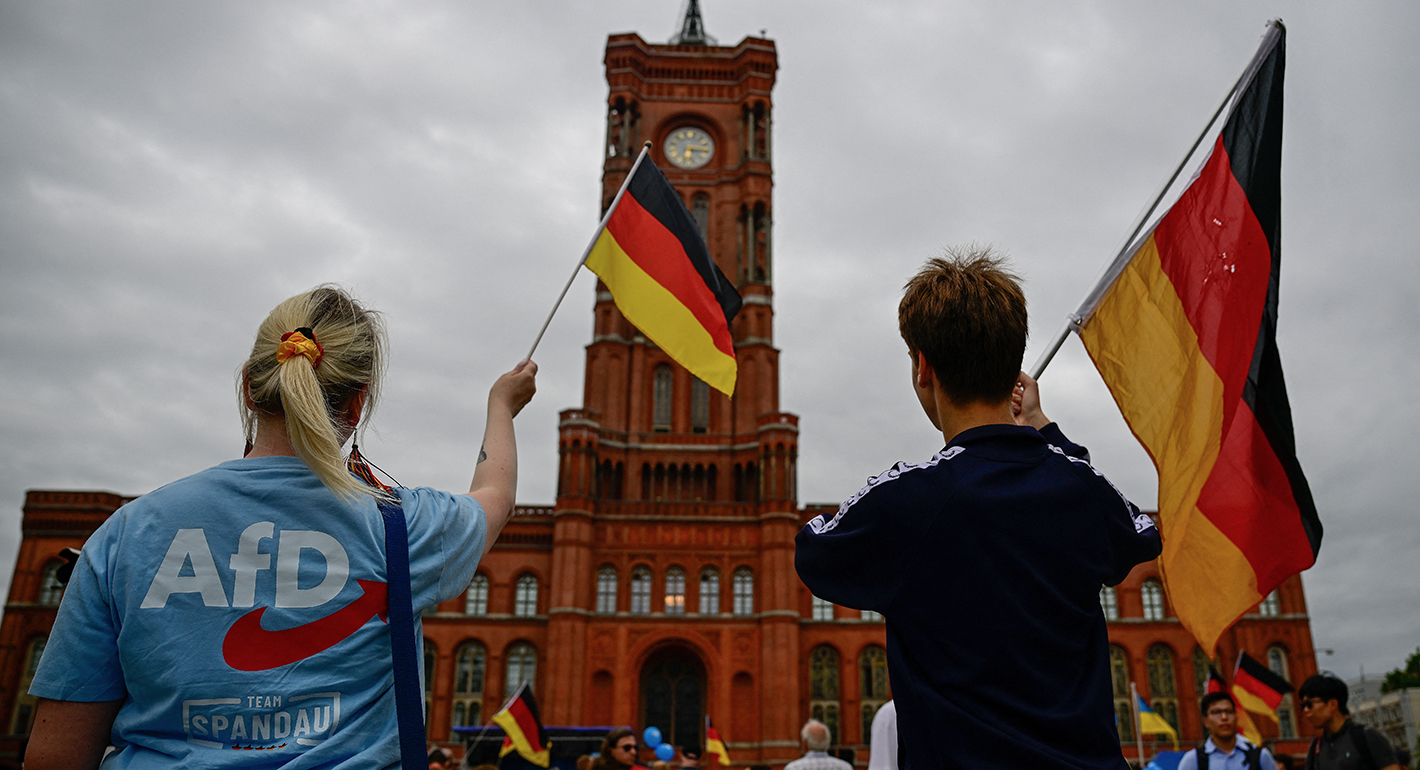
Unresolved tensions within the AfD may ultimately constrain the its potential as a leader among European and global populist forces.
Jeremy Cliffe

There is a deeply rooted assumption in post–Cold War American statecraft that overwhelming military and economic power translates directly into favorable political outcomes. But force alone is rarely enough. To meet the challenges of the mid-21st century, Washington needs a cultural shift toward a mindset that takes negotiation far more seriously.

Cecily Brewer