

Commentary
The Trump administration’s disruption attempts at the UN shipping agency are a test of multilateralism’s ability to defy the United States.
Theodore Zaritsky, Stewart Patrick
{
  "authors": [
    "Zainab Usman",
    "Alexander Csanadi"
  ],
  "type": "commentary",
  "centerAffiliationAll": "dc",
  "centers": [
    "Carnegie Endowment for International Peace"
  ],
  "collections": [
    "Climate and Energy Transitions"
  ],
  "englishNewsletterAll": "africa",
  "nonEnglishNewsletterAll": "",
  "primaryCenter": "Carnegie Endowment for International Peace",
  "programAffiliation": "AFP",
  "programs": [
    "Africa"
  ],
  "projects": [],
  "regions": [
    "Southern, Eastern, and Western Africa"
  ],
  "topics": [
    "Climate Change"
  ]
}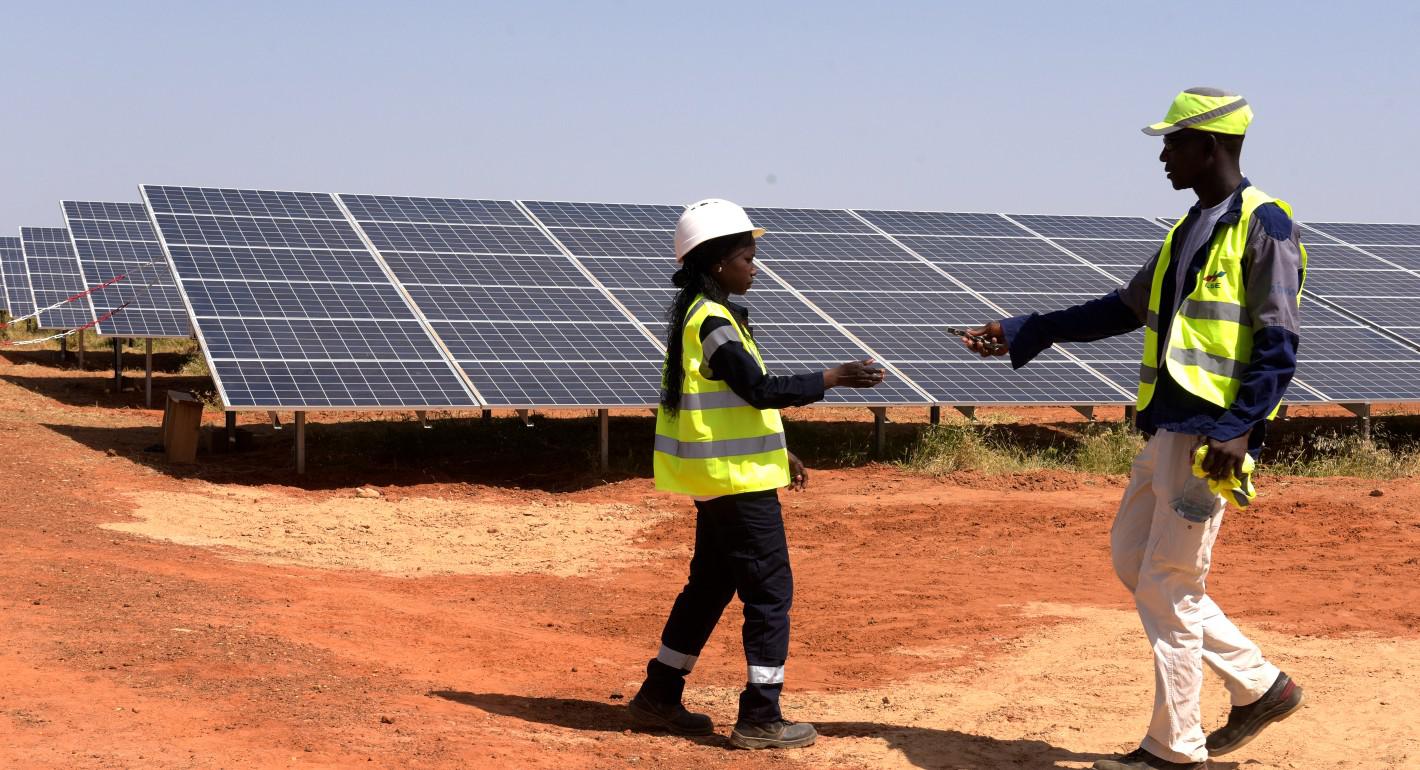
Source: Getty
This database contributes to increasing the visibility of African climate research organizations and thereby will help ensure that the priorities of African countries are represented in global climate debates.
Ahead of COP26 in 2021, Carnegie’s Africa Program produced a short analysis highlighting Africa-based organizations conducting research related to climate change. The piece was motivated by the fundamental lack of diversity in climate-science research, and an appreciation of the importance of such representation for setting global climate policy and discourse and the flow of research funding. As policymakers from around the world gather for COP27—dubbed the “Africa COP” because Egypt is hosting it—we revisit this issue, launching a database highlighting Africa-based organizations conducting research on a variety of climate-change-related topics.
To date, we have identified 154 organizations spanning the continent whose work ranges from physical-science research to legal and policy analysis—all in the context of climate change. We organized them by country and according to broad thematic areas: forestry and agriculture, extractive industries, energy, urban development, and industry. Some organizations work across multiple categories and are accordingly labeled under both categories. Organizations that clearly conduct relevant research activities but that do not specify a particular focus area are included as well and are categorized as general.

Where are these organizations located and what are their thematic foci? The vast majority (forty-nine) are located in South Africa, followed closely by Kenya (twenty-six) and Nigeria (fifteen). Thematically, nearly half (eighty-one) have a demonstrated focus on forestry and agriculture, and a similarly high number of them work on energy (sixty-four). The prioritization of agriculture, forestry, and energy is not surprising given the high share of employment in agriculture and the persistent energy poverty across the continent. Meanwhile, forty-four organizations work on extractive industries (such as oil, gas, and mining), while twenty-one are engaged in work on urban development, nineteen are focused on industry, and eighty work on general research.
In tracking these organizations, we have not included entities involved in advocacy, capacity development, financing, or other activities, unless they also have a clear, dedicated research component to their work. Universities are also not included in this list, unless they house a dedicated institute working on climate issues. At this time, individual researchers are not included, partially because other initiatives are already attempting to address this need and it makes sense to focus on organizations as our unit of analysis.
While we have attempted to make this list comprehensive, it is not exhaustive and remains a work in progress. The absence of a relevant organization herein should not be taken as an institutional position regarding the quality of that organization’s work. Potential additions are welcome, and instructions for submissions are available on the interactive website. By the same token, the inclusion of organizations does not constitute an endorsement of the quality of the work of that organization.
The intention of this initiative is to elevate the work that is already being done by Africa-based organizations. It is our hope that individuals and organizations—whether from the public, private, or nonprofit sectors—hoping to connect with African organizations on the ground working on climate-science issues can leverage this platform to identify such organizations.
Increasing the visibility and integration of African climate research organizations helps ensure that the priorities of African countries are sufficiently represented in climate debates. The continent stands to be disproportionately impacted by heavy flooding, droughts, and other climate disasters with increasing severity because the region lacks the financing to build resilient systems and infrastructure to adapt to these climate impacts. Adaptation to build resiliency, rather than mitigation of greenhouse gas emissions, is the priority for most African countries who are low emitters. Yet funding for adaptation accounts for only about a quarter of all climate finance. More equitable representation in the scientific conversations that produce the foundation of our understanding of the challenges posed by climate change will yield more responsive policy solutions.

Former Director, Africa Program
Zainab Usman was a senior fellow and the inaugural director of the Africa Program at the Carnegie Endowment for International Peace.
Alexander Csanadi
Former Research Analyst, Africa Program
Alexander Csanadi was a research assistant in the Carnegie Africa Program.
Carnegie does not take institutional positions on public policy issues; the views represented herein are those of the author(s) and do not necessarily reflect the views of Carnegie, its staff, or its trustees.
The Trump administration’s disruption attempts at the UN shipping agency are a test of multilateralism’s ability to defy the United States.
Theodore Zaritsky, Stewart Patrick
Conference delegates must decide whether their legacy will be stalled progress or a major step forward.
Shana Tabak
Too often, the climate solutions generated by the state are built on data that are out of date and insufficiently detailed.
Apoorva Jadhav
Democrats now have the gavel and the purse, but the executive branch still pulls the levers on the U.S. role in the world.

James M. Acton, Dan Baer, Mark Baldassare, …
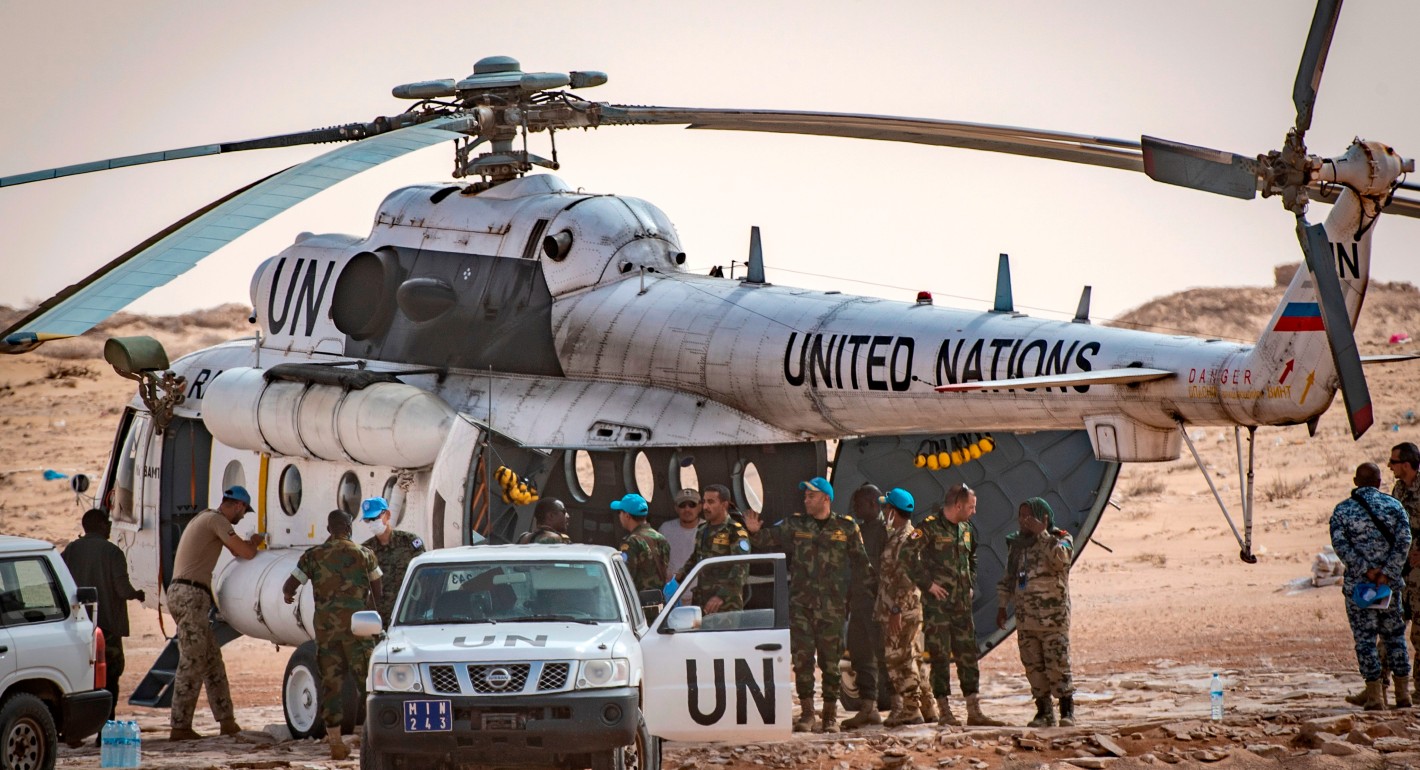
MINURSO’s renewal by the Security Council became highly politicized. Its expiration brings concerns about renewed violence and the future of demining efforts.
Sarah Yerkes