

Commentary
Nikolay Petrov
{
  "authors": [
    "Nikolay Petrov"
  ],
  "type": "legacyinthemedia",
  "centerAffiliationAll": "",
  "centers": [
    "Carnegie Endowment for International Peace",
    "Carnegie Russia Eurasia Center"
  ],
  "collections": [],
  "englishNewsletterAll": "",
  "nonEnglishNewsletterAll": "",
  "primaryCenter": "Carnegie Russia Eurasia Center",
  "programAffiliation": "",
  "programs": [],
  "projects": [],
  "regions": [],
  "topics": []
}
Source: Getty
In spite of the tight administrative controls that the Kremlin used to influence the recent regional elections, United Russia may soon realize it needs to change its strategy and consider allowing greater diversity and political freedom.
Source: The Moscow Times

Elections in recent years have been a roller coaster of Kremlin interference. In spring 2009, elections were relatively fair; in fall 2009, they were highly manipulated; in spring 2010, the Kremlin was less intrusive; and this fall, the Kremlin once again pulled out all the stops to achieve its goals. These recent elections, like those held a year ago, were not particularly fair or honest. United Russia has used its enormous administrative advantage to remove unwanted candidates, dominate media coverage and commit numerous elections violations by manipulating the voting process and results.
United Russia won an absolute majority in four of the seven regions that elected parliaments, surpassing its win of four years ago and falling only a little short of its 2007 Duma results. United Russia fared worse in the regions of Novosibirsk (with 44.8 percent of the vote), Kostroma (49.99 percent) and Magadan (50.7 percent).
The ruling party did not suffer any high-profile defeats in municipal elections this time around, with the exception of Angarsk, where United Russia lost outright to the Communists in city legislative elections. United Russia also suffered minor defeats in the Surgut mayoral elections and in the Cheboksary City Council elections. But the party won by a wide margin in Samara, where it ousted incumbent Mayor Viktor Tarkhov, a member of A Just Russia.
But it would be wrong to interpret United Russia’s electoral success as an indication that it can expect smooth sailing in the Duma and presidential elections. First, the geographical factor is important. Major elections were just held in regions that fall more easily under Kremlin control than the elections held last spring. In the 2011 Duma elections, the authorities will face problems in regions such as Kaliningrad, Sverdlovsk and Irkutsk, which typically criticize the leadership, and in regions such as Tatarstan, Bashkortostan and Moscow, where the ouster of heavyweight governors has upset the balance in local political machines. Whenever a regional leader is replaced, it reduces the ability of authorities to manipulate elections with impunity.
Events in the Irkutsk region serve as a good example of the negative repercussions that can result from United Russia’s heavy-handed tactics. To avoid major upsets like they suffered in Irkutsk and Bratsk in the March elections, the authorities used pressure tactics to have regional deputies choose the mayor of Angarsk. As a result, the Communist Party won a decisive victory over United Russia.
It would seem that United Russia has reached the limit of how far it can go in eliminating outside competition. The resignation of the head of Chuvashia’s election committee, Lyudmila Linik, was the first sign of increasing discord between politicians and functionaries in the electoral system.
That means United Russia may have to change its strategy. It seems inevitable that the current system in which one party dominates the political scene by manipulating the vote will have to start giving way to a system of greater diversity and political freedom.
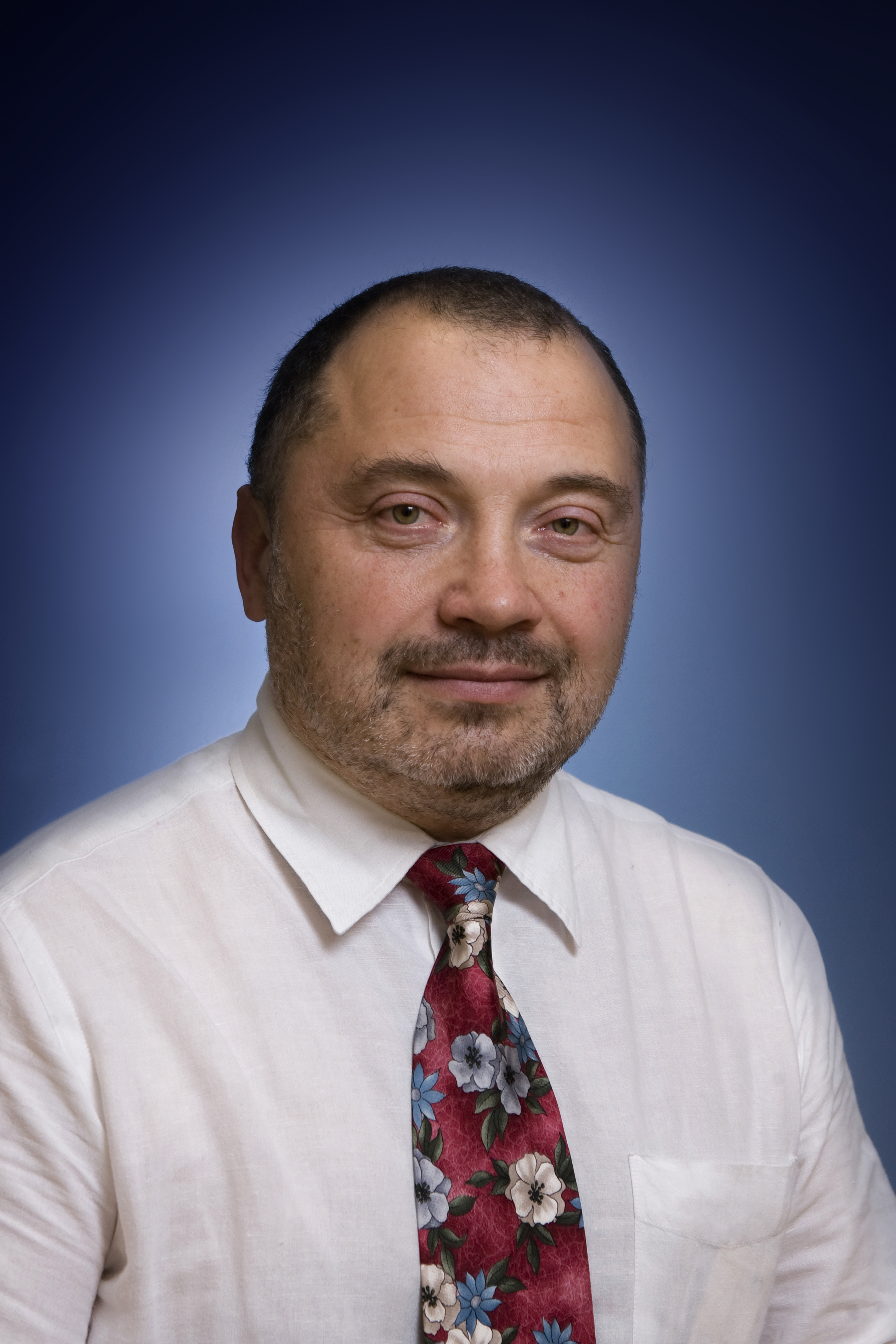
Former Scholar-in-Residence, Society and Regions Program, Moscow Center
Nikolay Petrov was the chair of the Carnegie Moscow Center’s Society and Regions Program. Until 2006, he also worked at the Institute of Geography at the Russian Academy of Sciences, where he started to work in 1982.
Recent Work
Nikolay Petrov
Nikolay Petrov
Carnegie does not take institutional positions on public policy issues; the views represented herein are those of the author(s) and do not necessarily reflect the views of Carnegie, its staff, or its trustees.