

Commentary
Fabrice Pothier
{
  "authors": [
    "Fabrice Pothier"
  ],
  "type": "legacyinthemedia",
  "centerAffiliationAll": "",
  "centers": [
    "Carnegie Endowment for International Peace",
    "Carnegie Europe"
  ],
  "collections": [],
  "englishNewsletterAll": "",
  "nonEnglishNewsletterAll": "",
  "primaryCenter": "Carnegie Europe",
  "programAffiliation": "",
  "programs": [],
  "projects": [],
  "regions": [
    "Asia",
    "Europe"
  ],
  "topics": [
    "Foreign Policy"
  ]
}
Source: Getty
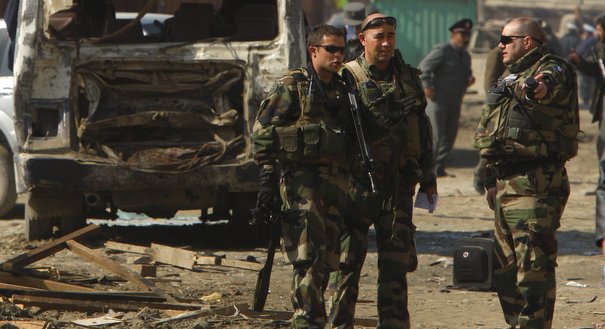
The European Union’s Afghanistan policies are the result of two different and contradictory constituencies: the transatlantic one, consisting of the United States and its European interests, and, on the other end of the spectrum, local party activists, who view Afghanistan as an unnecessary and dangerous war.
Source: E!Sharp

It provides few additional resources and, eight years into the mission, continues to emphasise improved coordination, as opposed to focusing on clear and achievable goals. The EU has yet to develop anything even approaching a post-election political strategy with the US and the Afghan leadership, least of all one based on constitutional reform. Even the funding of a low-cost, but crucial and symbolic, Afghan civilian academy has been scrapped from the final plan. Last but not least, whilst acknowledging the terminal understaffing and under-resourcing of EUPOL, the EU’s police mission in Afghanistan, EU governments fail to give any concrete indication of how they intend to fix it.
When you talk privately to officials in Brussels and other European capitals, their shrugs suggest the EU is giving up any hope of making a difference in Afghanistan. Afghan strategy has been on auto-pilot for years. But now European governments are stuck between the lack of will for further commitment and the lack of courage to start calling for an exit.
This contrasts starkly with the debate that has raged in and around the new US administration. Following the military and civilian surge launched by President Obama in spring 2009, Europe is receding into the background in Afghanistan. Today, European countries contribute less than a third of the combat forces in the country and their civilian presence is paltry in comparison to the thousands of experts Washington has deployed. There is much complaint about the US training scheme for Afghan police, which, according to EU officials, trains police for counter-insurgency missions instead of more traditional civilian security work. But with Europe still struggling to provide the missing 200 police trainers for its own training mission, its concerns carry little weight in Washington.
The contention in European capitals is that public support has been lost, depriving leaders of the precious political oxygen needed to sustain a long commitment. Countless surveys show that a majority of European voters feel that the mission in Afghanistan is failing and are opposed to any additional troop deployments. A Pew Global Attitudes Survey in August showed public opinion in Britain not far from that of traditionally pacifist Germany, with 51 and 63 percent of their respective populations opposing further troop deployments. A recent BBC poll put British opposition to the military mission at 56 percent.
The reality though is that public opinion is a convenient truth for European governments to hide behind. Afghanistan is hardly a priority for most Europeans, and officials are unlikely to be voted out of office over a distant war. The key issues for voters are the same as they have always been: unemployment, the cost of living and the economy.
European leaders are pulled between different and contradictory constituencies: the transatlantic one where, out of solidarity, they followed the US into Afghanistan after the 9/11 attacks; and, on the other end of the spectrum, local party activists, who view Afghanistan as an unnecessary and dangerous war. This partly explains the schizophrenic Afghan policy of many European governments, especially in parliamentary democracies like Germany and Italy, where party politics often hijack foreign policy agendas. Whilst most European governments have committed more troops to Afghanistan than in any recent theatre since the launch of European security and defence policy ten years ago, they have placed, with few exceptions, considerable limits on the mandate of those troops. This approach worked as long as the situation in Afghanistan was relatively stable and the US was following its own hollow course. But now that those two factors have fundamentally changed, Europe finds itself stuck with a Janus policy.
The open secret is that both the US and Europe are on course to fail in Afghanistan. By adopting a wait-and-see strategy, Europe is missing the last real opportunity it has to influence events in Washington and in Kabul, and to establish its relevance in confronting the challenges of failed states.
This article first appeared in E!Sharp as part of a series of special reports designed to raise the debate in Europe on Afghanistan and the broader crisis gripping south Asia.

Former Director, Carnegie Europe
Pothier, director of Carnegie Europe, is a noted commentator on European policy in Afghanistan and Pakistan, transatlantic issues, and global drug policy.
Recent Work
Fabrice Pothier
Fabrice Pothier
Carnegie does not take institutional positions on public policy issues; the views represented herein are those of the author(s) and do not necessarily reflect the views of Carnegie, its staff, or its trustees.

Malaysia’s chairmanship sought to fend off short-term challenges while laying the groundwork for minimizing ASEAN’s longer-term exposure to external stresses.

Elina Noor

For Malaysia, the conjunction that works is “and” not “or” when it comes to the United States and China.
Elina Noor
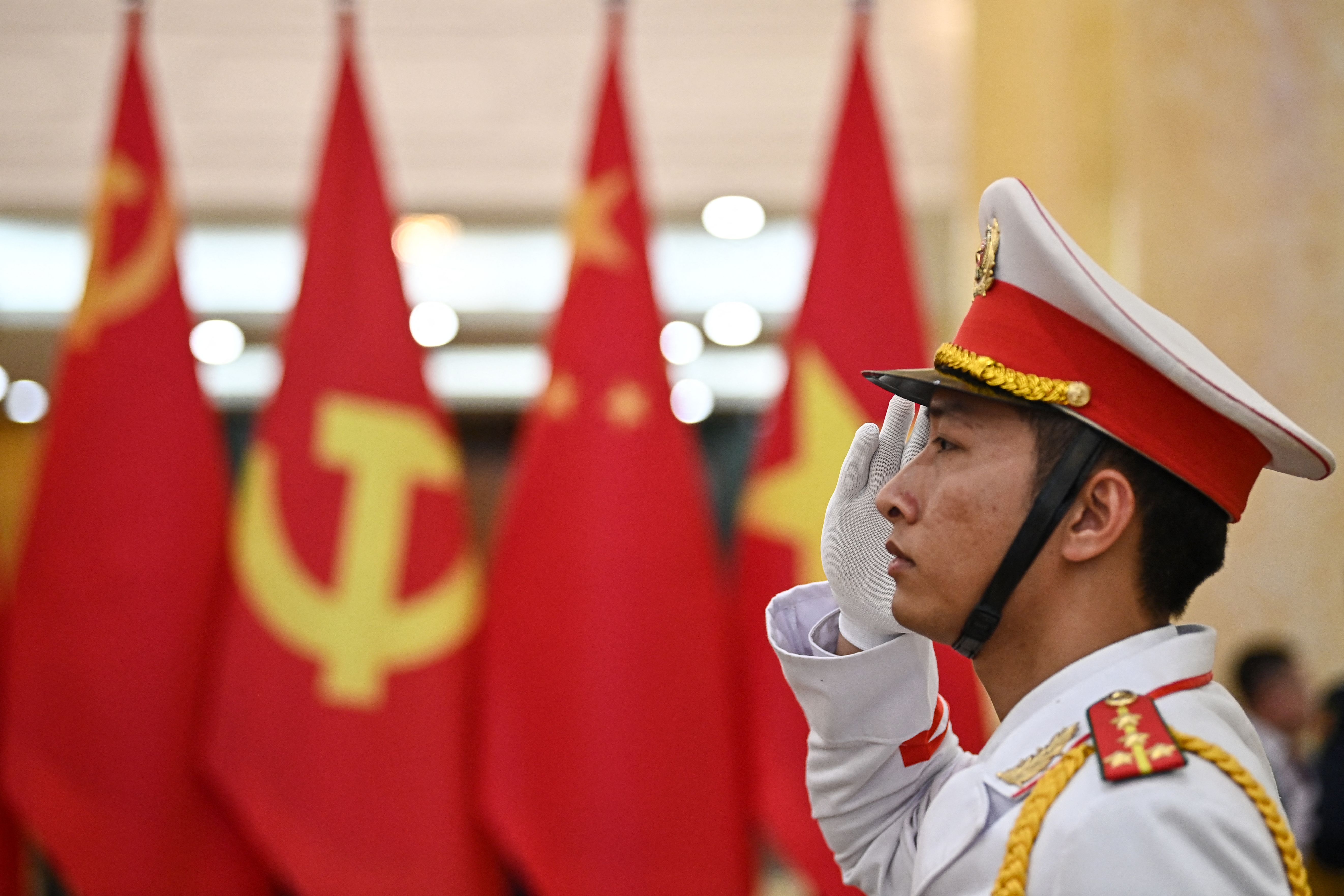
In July 2025, Vietnam and China held their first joint army drill, a modest but symbolic move reflecting Hanoi’s strategic hedging amid U.S.–China rivalry.

Nguyễn Khắc Giang
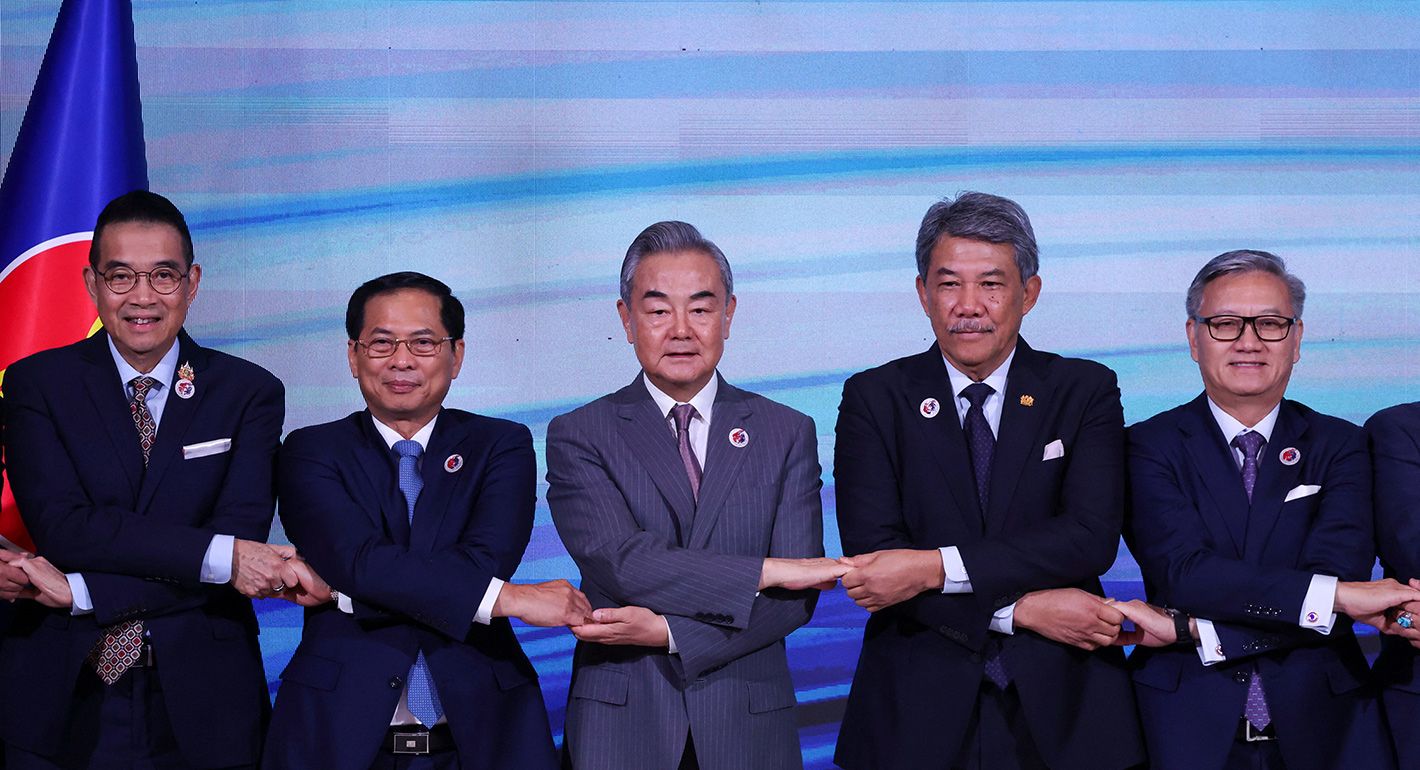
The Thai-Cambodian conflict highlights the limits to China's peacemaker ambition and the significance of this role on Southeast Asia’s balance of power.

Pongphisoot (Paul) Busbarat
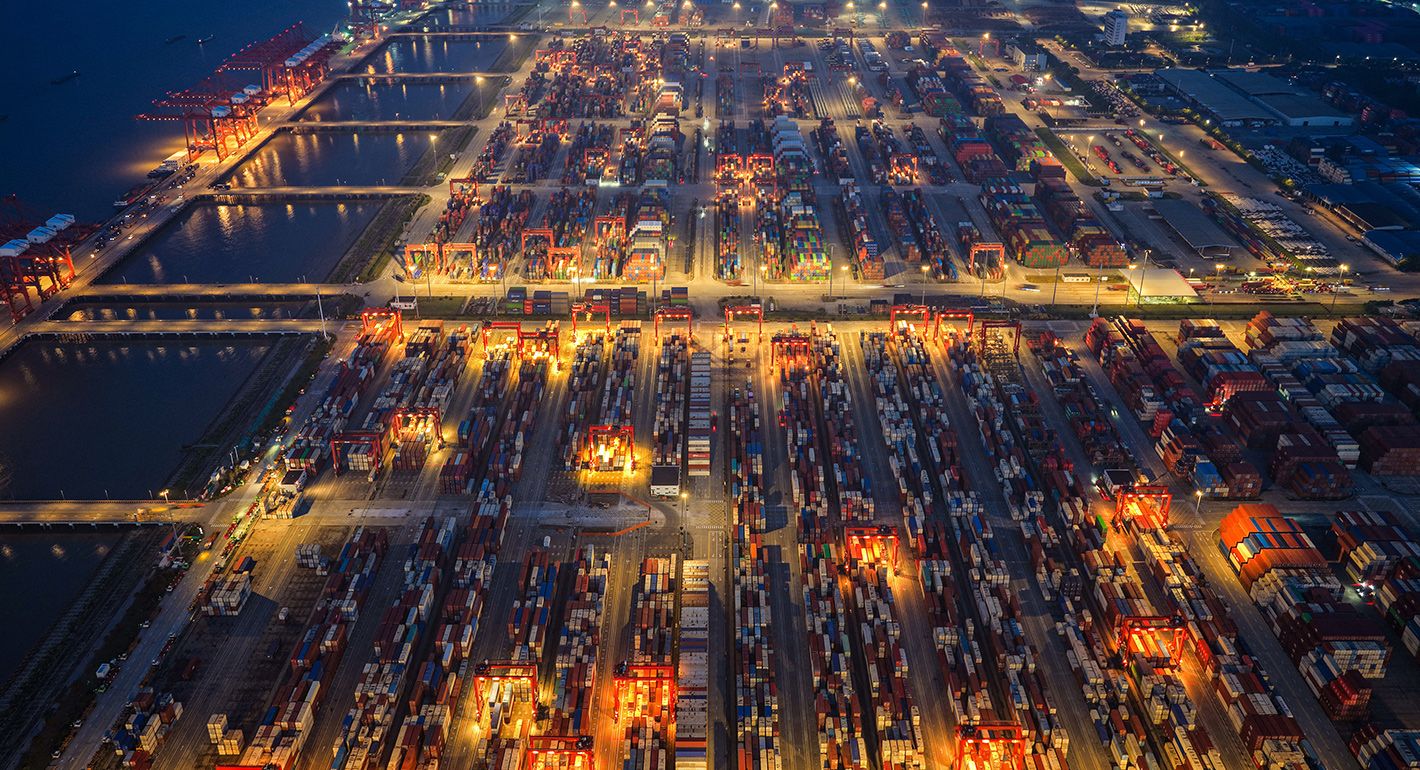
GDP growth means something fundamentally different in China than in most countries.

Michael Pettis