

In The Media
Lilia Shevtsova
{
  "authors": [
    "Lilia Shevtsova"
  ],
  "type": "commentary",
  "centerAffiliationAll": "",
  "centers": [
    "Carnegie Endowment for International Peace",
    "Carnegie Russia Eurasia Center"
  ],
  "collections": [],
  "englishNewsletterAll": "",
  "nonEnglishNewsletterAll": "",
  "primaryCenter": "Carnegie Russia Eurasia Center",
  "programAffiliation": "",
  "programs": [],
  "projects": [],
  "regions": [
    "Russia"
  ],
  "topics": [
    "Political Reform",
    "Democracy"
  ]
}
Source: Getty
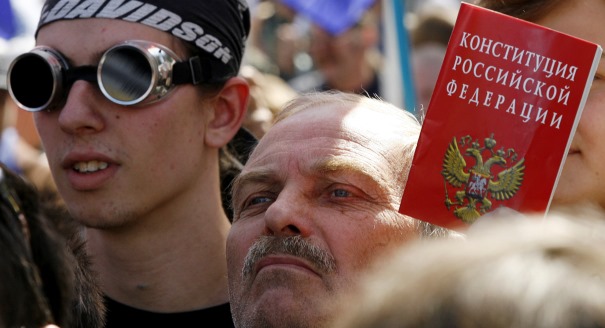
Russia’s Constitution is the main guarantee and instrument for keeping Russia’s authoritarianism in place. Constitutional reform that will ensure political competition should become the foundation for political reform in general and for opening up Russia’s system of government.
The upcoming anniversary of Russia’s Constitution is an occasion not only to look back on the situation in which it was adopted, but also to examine the type of system and relations between the government and society that it enshrines. The Constitution was approved after the executive authorities headed by Boris Yeltsin used force to crush the opposition rallied around the Supreme Soviet, and this set of circumstances in itself created the temptation for the victors to use the constitution to affirm their own monopoly on power. I do not dispute that this Constitution does indeed give the public broad rights and freedoms. But at the same time, it all but removes the possibility of political pluralism and a system of checks and balances. Yeltsin’s team drafted the Constitution in 1993 after their victory over their opponents in the Supreme Soviet. Yeltsin himself went through the draft, too. In the section setting out the way the government is organized in Russia, they concentrated all resources in the president’s hands and guaranteed his monopoly on power. The Constitution thus places the president above the society. The president is subordinate to no one, is in no one’s power, and answers to no one. It is practically impossible to remove the president from office. Furthermore, the president’s status makes it possible for him to constantly expand his powers. A study carried out by one of Russia’s best (probably the best) constitutional law specialists, Mikhail Krasnov, showed that since the present Constitution was adopted, the three Russian presidents to have held office gave themselves 502 (!) new prerogatives. What’s more, these new powers are not in accordance with the Constitution itself. The system that the Constitution enshrines in its provisions leans toward state control over society and toward a reproduction of personalized power, as was demonstrated, during their terms in office, by Vladimir Putin and Dmitry Medvedev, who repeatedly expanded their monopoly on power and restricted constitutional rights that are supposed to guarantee citizens’ freedoms.
The Constitution is thus the main guarantee and instrument for keeping Russia’s authoritarianism in place. For various reasons, not only the old Yeltsin team, responsible for its adoption, finds it very hard to admit this fact, but so do many liberals, who hope that a new leader, with the constitutional monopoly on power still in place, could resume the reform process. They try to prove that the problem is not the Constitution itself, but violations in the way it is enforced. In reality, these violations arise naturally in a situation that gives one group or person a monopoly on power. They can simply ignore rights and freedoms enshrined in other articles of the Constitution. This is just what Russia’s presidents have been doing.
Thus it is a situation when the appeals for honest elections and a change of power will not bring any results as long as the Yeltsin Constitution remains in place. There is no guarantee that honest politicians working in a system that offers them a monopoly on power will suddenly want to let competition go ahead and threaten their own absolute power.
Russia’s reformers need to make constitutional reform a strategic objective and give the public honest information about what the current Constitution’s trap really means. Constitutional reform that will guarantee political competition should become the foundation for political reform in general and for opening up Russia’s system of government.
Constitutional reform is one of Russia’s biggest problems. Attitudes toward the Constitution set the political dividing lines. Those who want to keep in place an autocratic and authoritarian Constitution are supporting personalized power, even if unconsciously. Those who want to change the constitutional principles underlying the government’s organizational structure and reject monopolies on power are reformers. The time will arrive when these dividing lines will become clearer. This will be the time when a political renewal will begin again and society will start thinking about not just changing the government but changing the rules of the game, too.
However, today we can observe a movement in the opposite direction. Members of the ruling United Russia party have prepared constitutional changes that undermine constitutional rights and freedom of citizen. Among them are suggestions to get rid of the Constitutional article that forbids state ideology; to do away with the priority of the international law for the Russian legislature; and to make Orthodoxy the “basis” of the Russian identity. These are the signs that the Kremlin is testing the waters trying to continue its movement toward the totalitarian state. Even if the president does not approve these constitutional changes now, we can get a feeling of the agenda that the authorities are working on.
Former Senior Associate, Russian Domestic Politics and Political Institutions Program, Moscow Center
Shevtsova chaired the Russian Domestic Politics and Political Institutions Program at the Carnegie Moscow Center, dividing her time between Carnegie’s offices in Washington, DC, and Moscow. She had been with Carnegie since 1995.
Recent Work
Lilia Shevtsova
Lilia Shevtsova
Carnegie does not take institutional positions on public policy issues; the views represented herein are those of the author(s) and do not necessarily reflect the views of Carnegie, its staff, or its trustees.
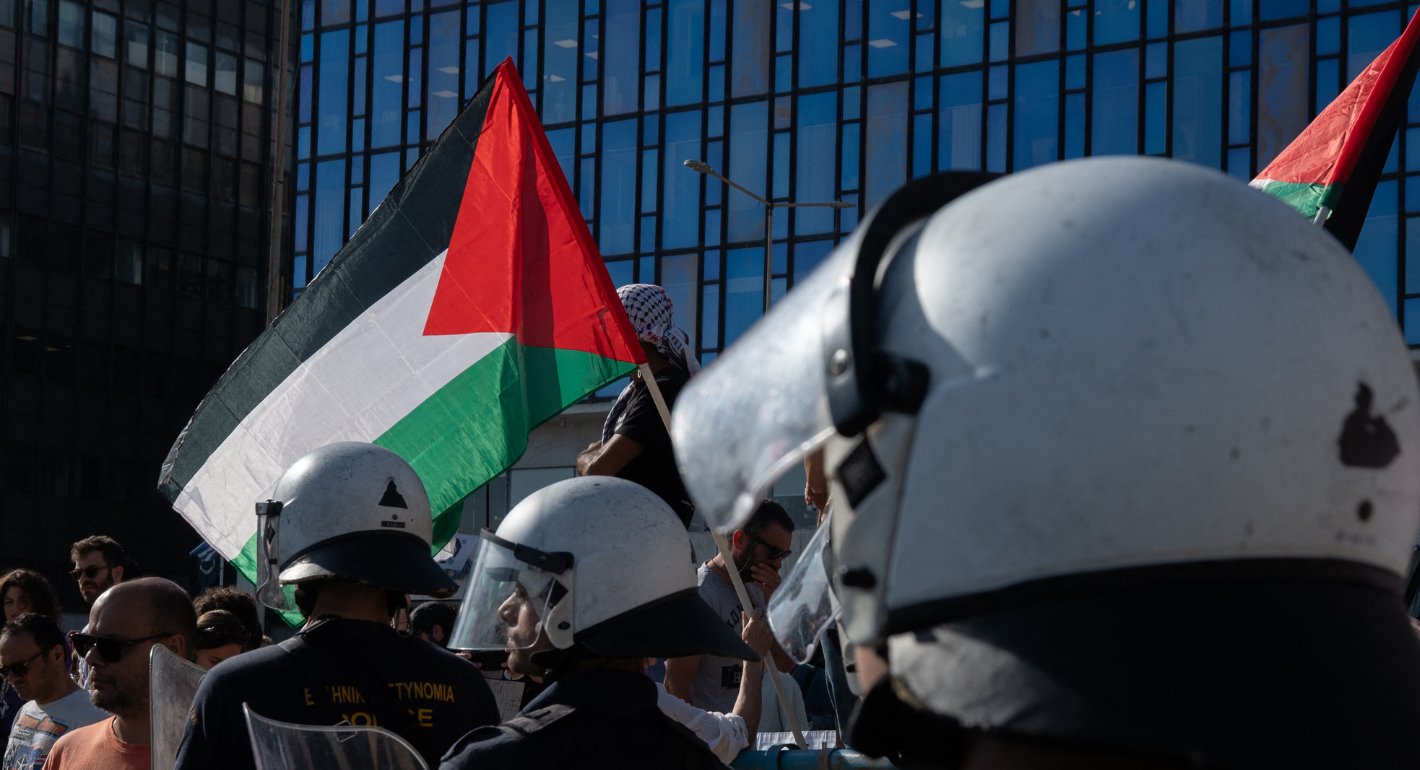
The battle over free speech has taken center stage since U.S. Vice President JD Vance accused Europe of censorship. From travel bans to social media regulation, especially around the Israel-Palestine conflict, are liberal democratic governments weaponizing free speech?

Rym Momtaz, ed.
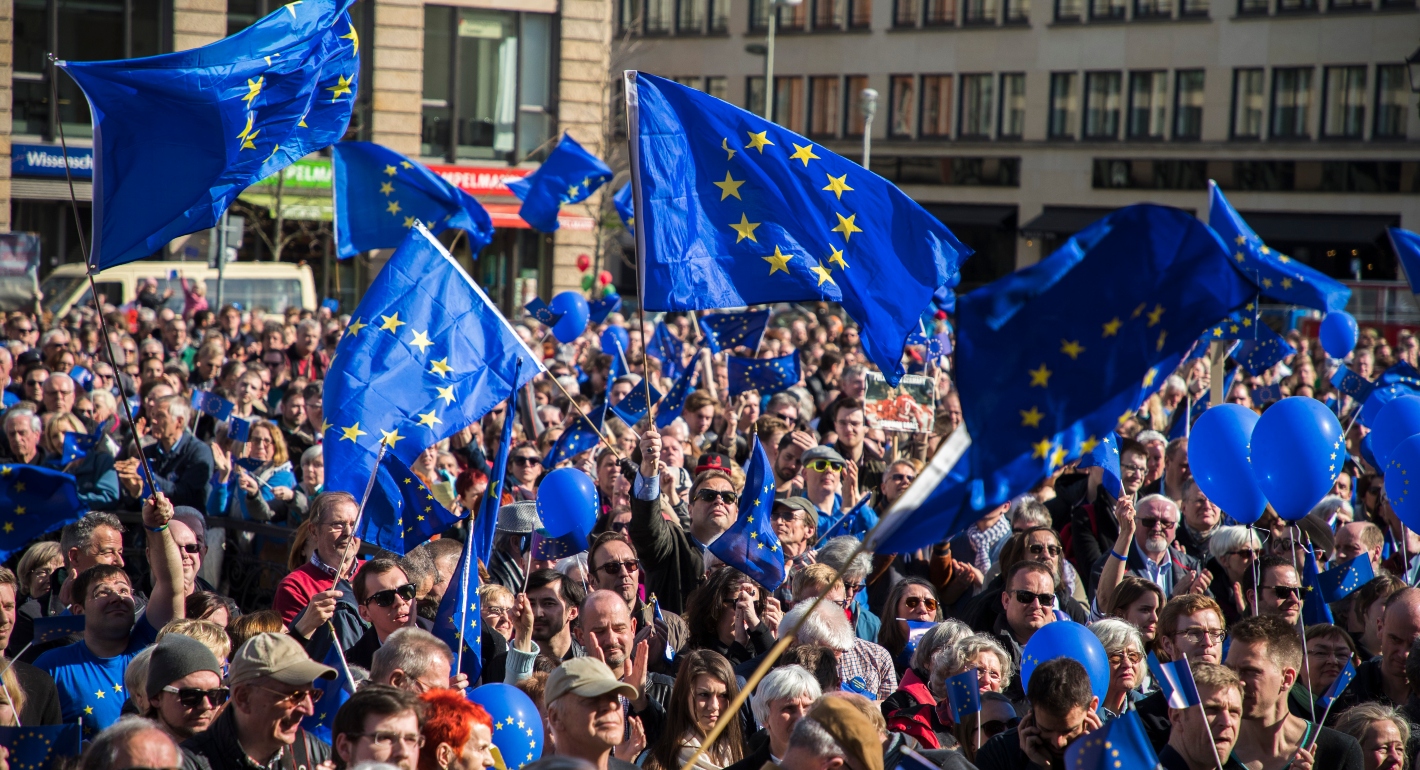
Preparing candidate countries for EU membership is no longer enough. As the enlargement process becomes a reality, the union must also prepare its own societies.

Iliriana Gjoni
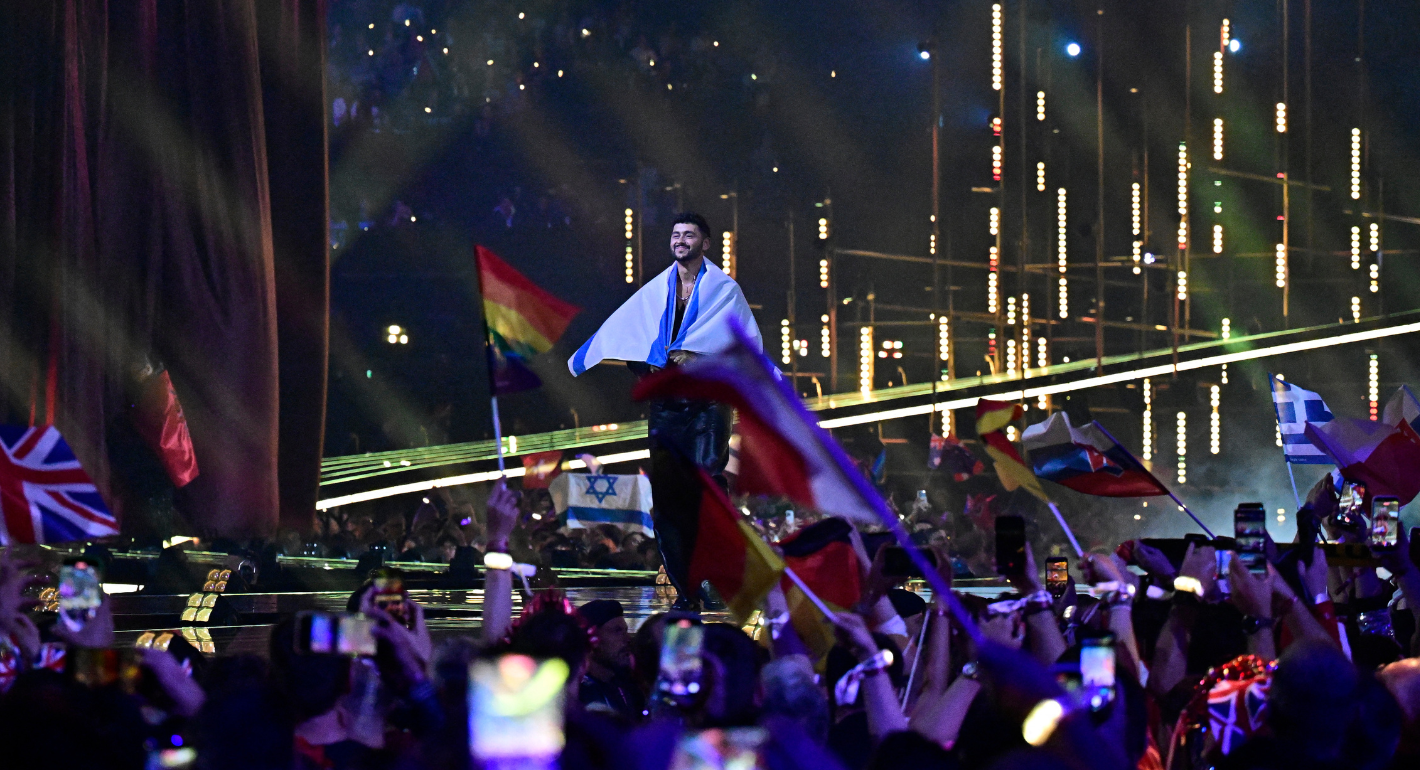
Five countries staged the biggest political boycott in Eurovision history over Israel’s participation. With the FIFA World Cup and other sporting or cultural touchstones on the horizon, are boycotts effective?
Rym Momtaz, ed.
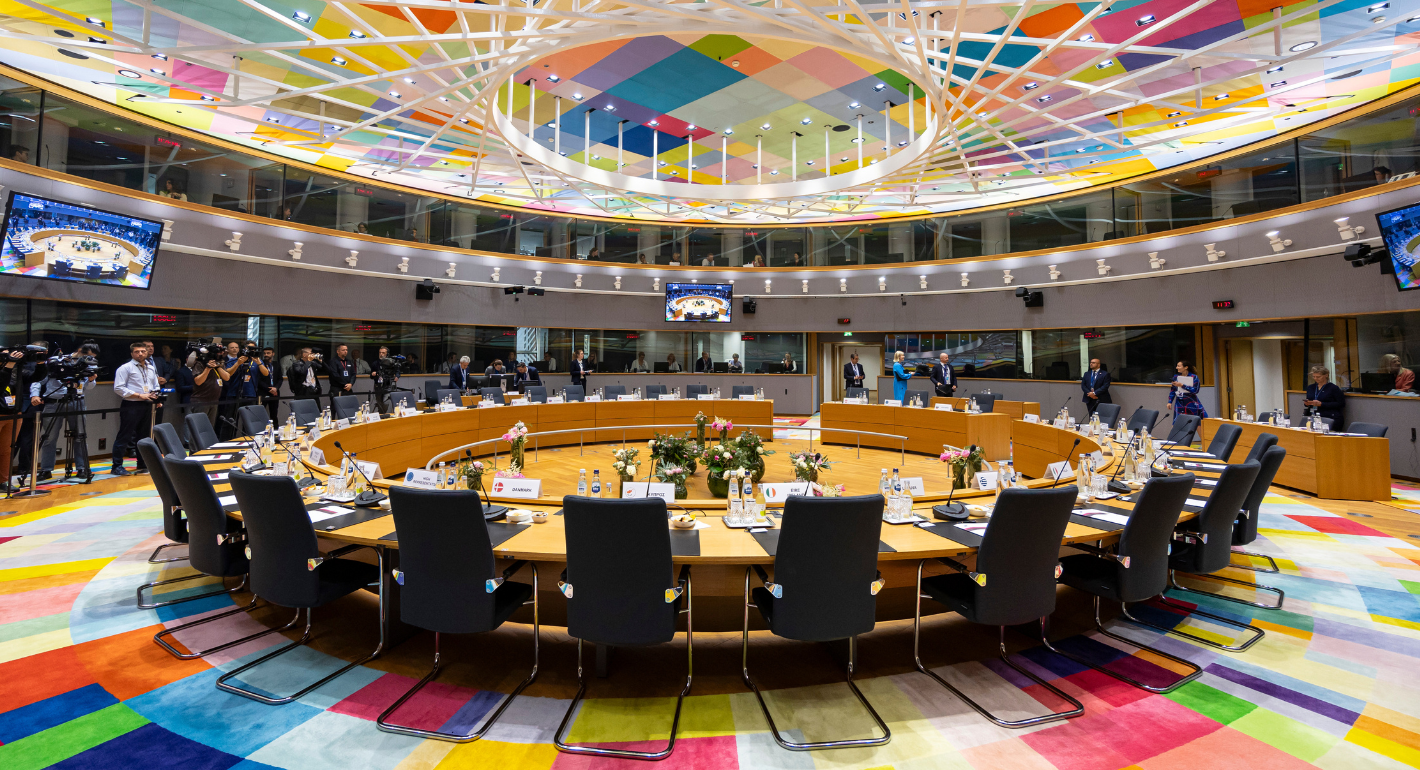
Countries face several hurdles in joining the EU, including the final stage of ratifying their accession treaties. Procedural reforms and substantive adjustments could help move the process forward.

Stefan Lehne
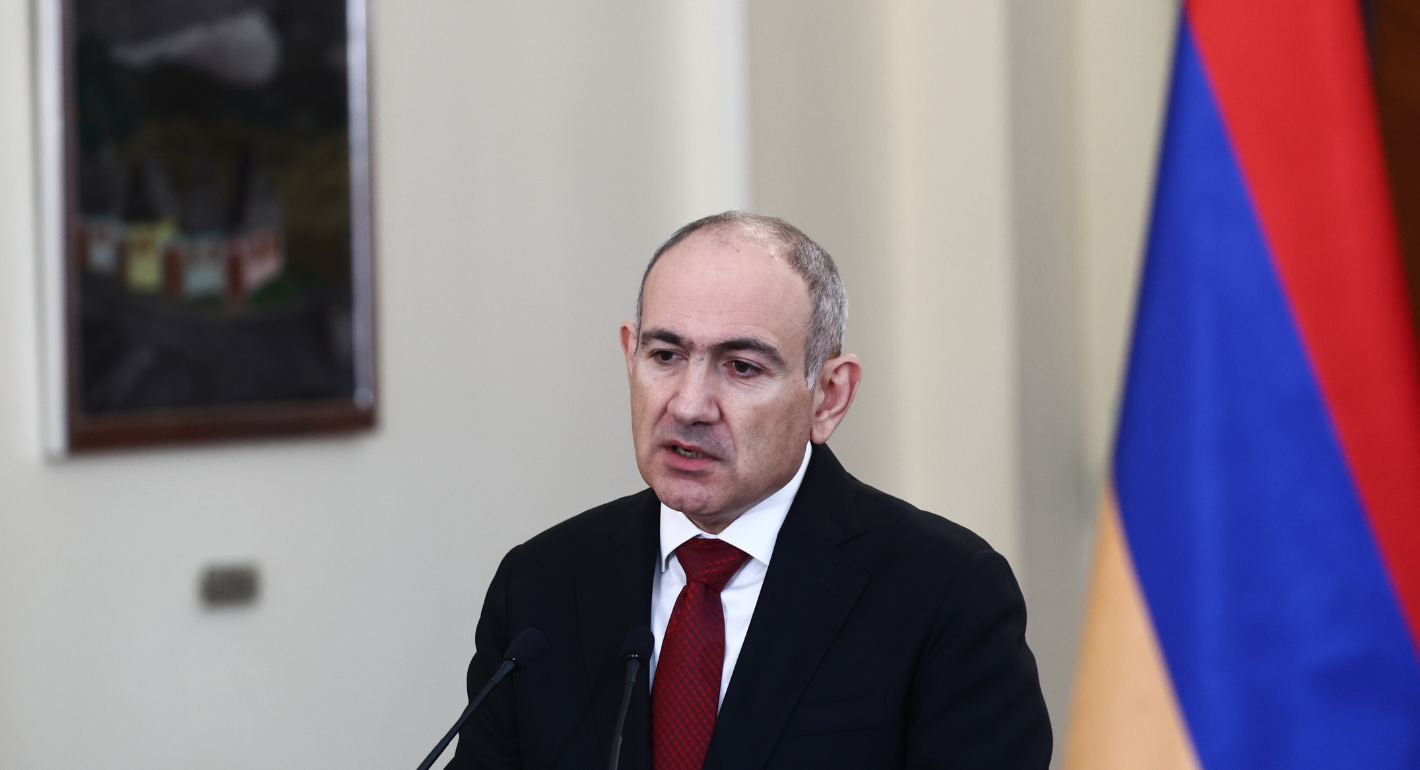
Europe has an interest in supporting Armenian leader Nikol Pashinyan as he tries to make peace with neighbors and loosen ties with Russia. But it is depersonalized support in the long term, not quickfire flash, that will win the day.

Thomas de Waal