Registration
You will receive an email confirming your registration.
Over the past decade, several Middle Eastern and North African countries have undergone leadership transitions marked by supposed ruptures with corruption and cronyism. Rulers such as Mohammed bin Salman of Saudi Arabia, Abdel-Fattah al-Sisi of Egypt, Abdelmadjid Tebboune of Algeria, Kais Saied of Tunisia, and Ahmad al-Sharaa of post-Assad Syria have launched high-profile campaigns targeting business elites associated with former governing circles. Yet beneath narratives of renewal and reform, a subtle reconfiguration of state-business relations has occurred. Processes framed as anti-corruption campaigns, asset recovery initiatives, or reassertion of state control over capital have included political purges, rent redistribution, and the construction of new networks of patronage and loyalty.
To what extent have these “new” regimes reproduced “old” patterns of crony capitalism, rather than dismantled them? How have business elites adapted to shifting patronage structures? What do reconfigurations in state-business relations reveal about the evolving nature of authoritarian rule in the post-2011 MENA region? What can we discern about how business elites from the Assad era are being treated in Syria today, and what might this tell us about the future trajectory of Syria’s political economy?
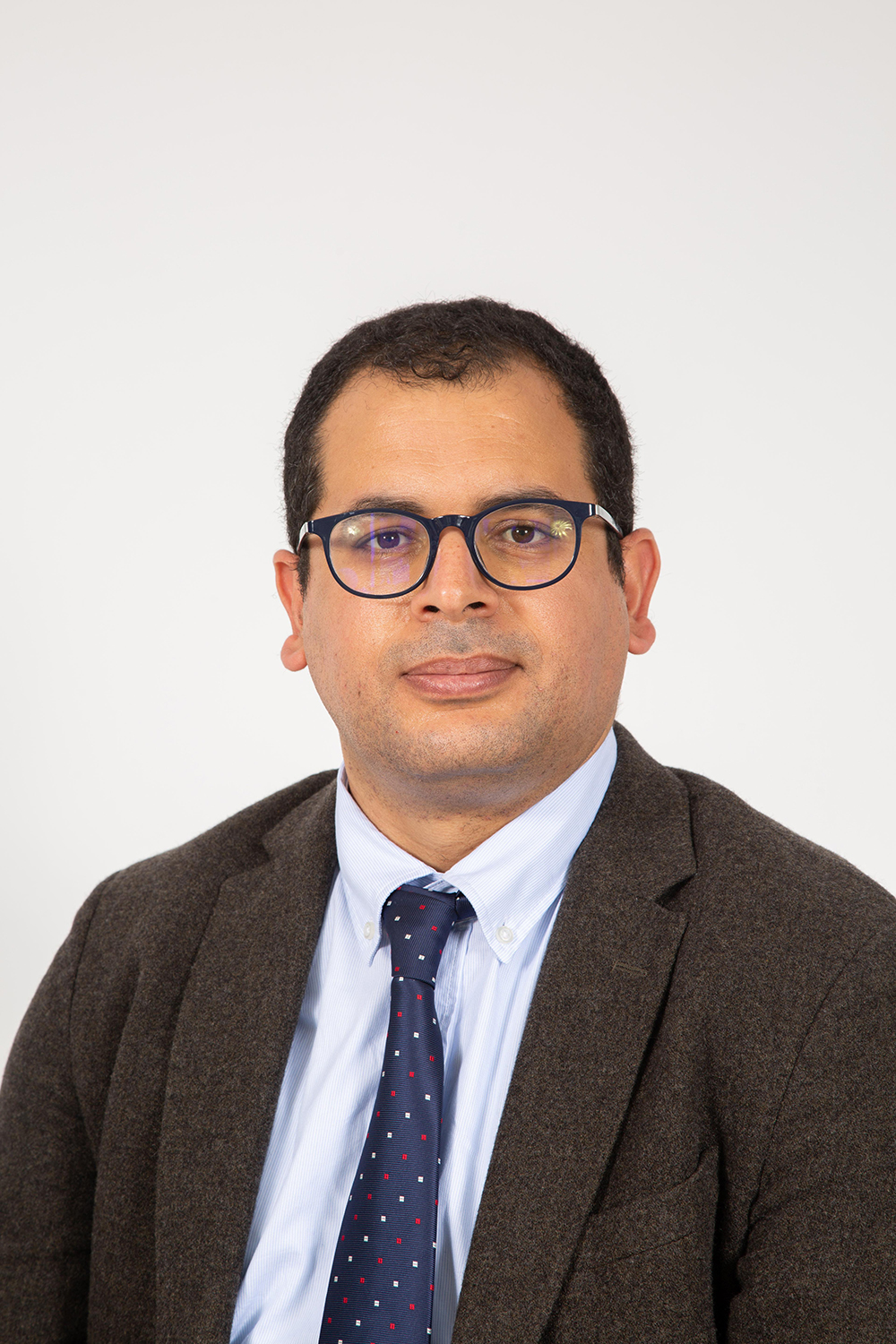
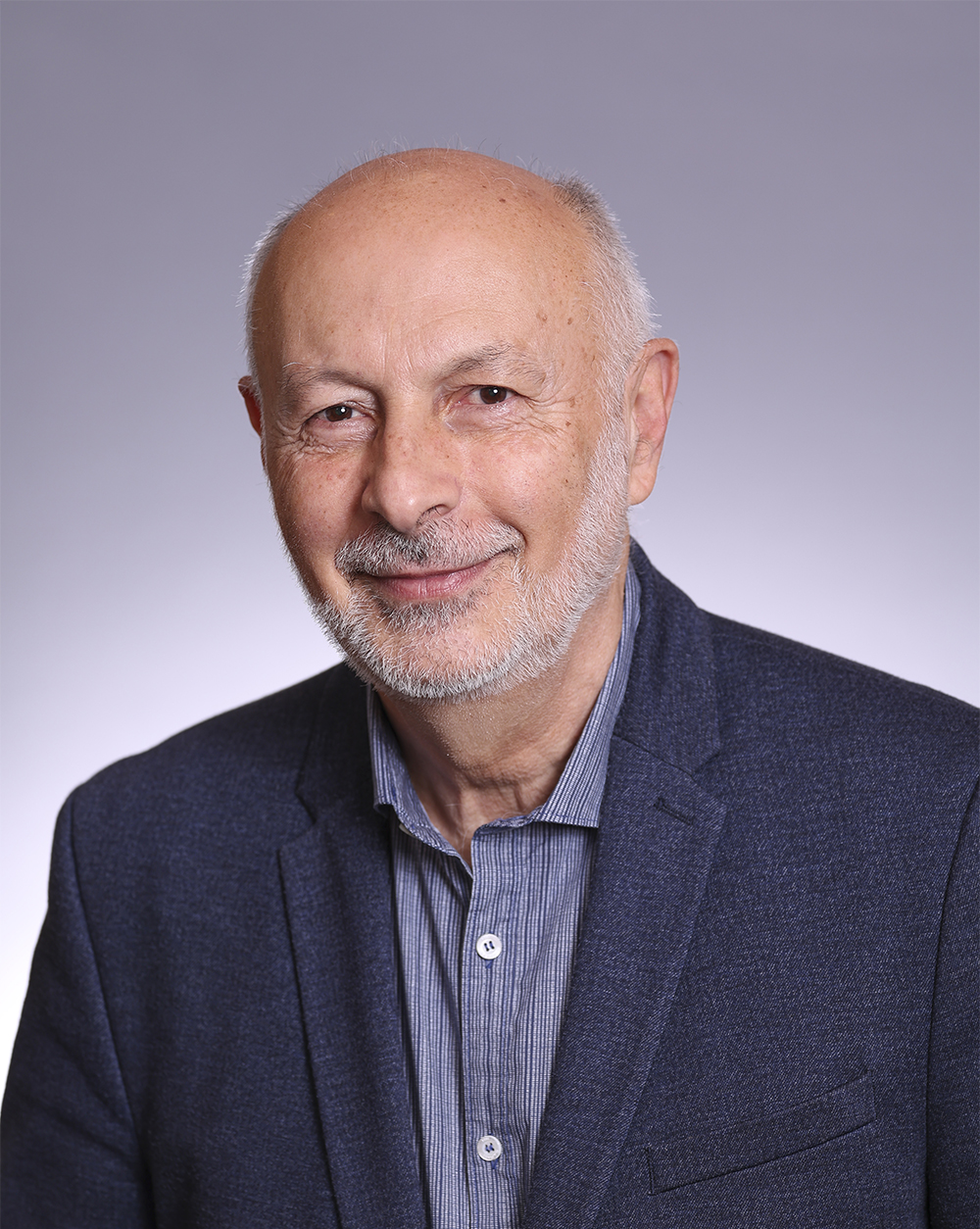
To address these questions, the Malcolm H. Kerr Carnegie Middle East Center will host a panel discussion on Thursday, November 13, at 4:00 PM EET (UTC+2). The panel will consist of Yezid Sayigh, senior fellow at the Malcolm H. Kerr Carnegie Middle East Center, Hamza Meddeb, research fellow at the Malcolm H. Kerr Carnegie Middle East Center, and Idriss Hadj Nacer, a political economist and co-founder of Itri Insights.
The event will be in English and moderated by Nur Arafeh, fellow at the Malcolm H. Kerr Carnegie Middle East Center.
For more information, please contact Najwa Yassine at najwa.yassine@carnegie-mec.org.