Q&A
- +2
Judy Dempsey, Alexander Gabuev, Rose Gottemoeller, …
{
  "authors": [
    "Rose Gottemoeller"
  ],
  "type": "legacyinthemedia",
  "centerAffiliationAll": "dc",
  "centers": [
    "Carnegie Endowment for International Peace"
  ],
  "collections": [],
  "englishNewsletterAll": "ctw",
  "nonEnglishNewsletterAll": "",
  "primaryCenter": "Carnegie Endowment for International Peace",
  "programAffiliation": "russia",
  "programs": [
    "Russia and Eurasia",
    "Nuclear Policy"
  ],
  "projects": [],
  "regions": [
    "Caucasus",
    "Russia"
  ],
  "topics": [
    "Foreign Policy",
    "Nuclear Policy"
  ]
}
REQUIRED IMAGE
Source: Carnegie
Reprinted from the Washington Post, December 7, 2000
Not yet knowing who will occupy the Oval Office, Russian President Vladimir Putin put out a call to the next U.S. president to move quickly to further reductions in strategic nuclear weapons. In a Nov. 13 press statement, he said: "There must be no pause in nuclear disarmament--radical progress is a real requirement. Russia is ready."
He went on to repeat an offer to move to a level of 1,500 warheads, well below the limit of 2,000 to 2,500 agreed on in the 1997 Helsinki Statement. For the Russians, this number has the advantage of being more in line with the scant budget they say is available to support their strategic nuclear arsenal.
How do we get there--to 1,500 warheads? Putin emphasizes that the most important goal is for the two countries to move quickly and radically to lower the numbers. He says he would be willing to do it either jointly or in parallel. The second course, parallel action undertaken unilaterally, is actually at the heart of nuclear cutback proposals brought forth by Republican strategists this year. George W. Bush called for a unilateral approach to strategic arms reductions in a May 23 speech to the Council on Foreign Relations; he rejected formal negotiations and agreements as too time-consuming to negotiate and too expensive to implement.
But would unilateral action be enough to satisfy us when the reductions are in strategic nuclear arms, the weapons that pose the most direct threat to the territory of the United States? In that regard, I have a story to tell about how the Russians have carried out another arms reduction. It concerns the presidential nuclear initiatives of 1990-91--measures adopted by President George Bush and the Kremlin leadership. The goal was to remove non-strategic nuclear weapons from operational deployment and place them in central storage. The initiatives were not formal arms control agreements but unilateral measures to be implemented informally and in parallel in the United States and Russia. There were no understandings reached on implementation standards and no negotiated monitoring or verification measures.
Recently I was in Moscow and sat down for a chat with an old acquaintance, a navy man. He raised the subject of how the Soviet Union and, later, the Russian Federation, had implemented these unilateral measures in the Russian navy. "We took the warheads off naval platforms but still require them to be nuclear-ready," he said. "Our captains are still judged by how well their sailors are trained to handle nuclear weapons, even though nuclear weapons are no longer carried day to day."
I said that the United States had implemented the initiatives differently, in that we no longer have such training requirements. He replied, "I don't believe you. Why would you make changes absent a formal arms control agreement?"
When I said, "Budget," he responded, "I still don't believe you. In our navy, unless there is a legal government-to-government document in the form of a treaty or agreement, the procedures and requirements stay the same."
When I recount this story, people tell me that it worries them. I agree: An overemphasis on unilateral measures in arms control policy will cause problems. President Bush and the two Russian presidents did not agree on any particular approach to implementation, and so the Russians have carried out the initiatives in a way that suits their law and policy. But the result does not give the United States the military objective that it wanted: an end to nuclear capability on Russia's non-strategic naval platforms.
Uncertain military results are the weak link in any arms control policy that is wholly dependent on unilateral measures. The answer, however, is not to abandon unilateral action--a proven method for accelerating stalled arms control policies. Instead, the United States needs to consider ways to strengthen unilateral measures.
One way might be simply to establish certain broad guidelines for implementation. For example, stipulate that "warheads should be stored away from active deployment areas." Although such a measure could not be formally verified in a unilateral action, at least it would give the two sides a common standard.
Another step might be to devise confidence-building measures, such as reciprocal visits to naval platforms to see how unilateral reductions are being made. Yet another could be a hybrid approach: Unilateral measures are used to jump-start a reduction process but are then followed up by increasingly ambitious implementation and cooperation in monitoring, eventually arriving at a full-fledged reduction-and-verification regime.
This may sound complicated, but it is easier than trying to wrestle with the questions that would arise from wholly unilateral reductions in strategic nuclear arms. If the Russians chose not to disband units, halt training or destroy launch platforms, then we could not know that we had actually achieved a reduction in the strategic nuclear threat to the United States. For our intelligence agencies and military, the burden of trying to judge and counter the threat would be extraordinary. For the new president, the uncertainty would be grave.
The writer, a senior associate at the Carnegie Endowment for International Peace, was an assistant secretary for nonproliferation at the Energy Department during the Clinton administration.

Nonresident Senior Fellow, Nuclear Policy Program
Rose Gottemoeller is a nonresident senior fellow in Carnegie’s Nuclear Policy Program. She also serves as lecturer at Stanford University’s Freeman Spogli Institute for International Studies and is a research fellow at the Hoover Institution. Ambassador Gottemoeller served as the deputy secretary general of NATO from 2016 to 2019.
Recent Work


Judy Dempsey, Alexander Gabuev, Rose Gottemoeller, …
Carnegie does not take institutional positions on public policy issues; the views represented herein are those of the author(s) and do not necessarily reflect the views of Carnegie, its staff, or its trustees.
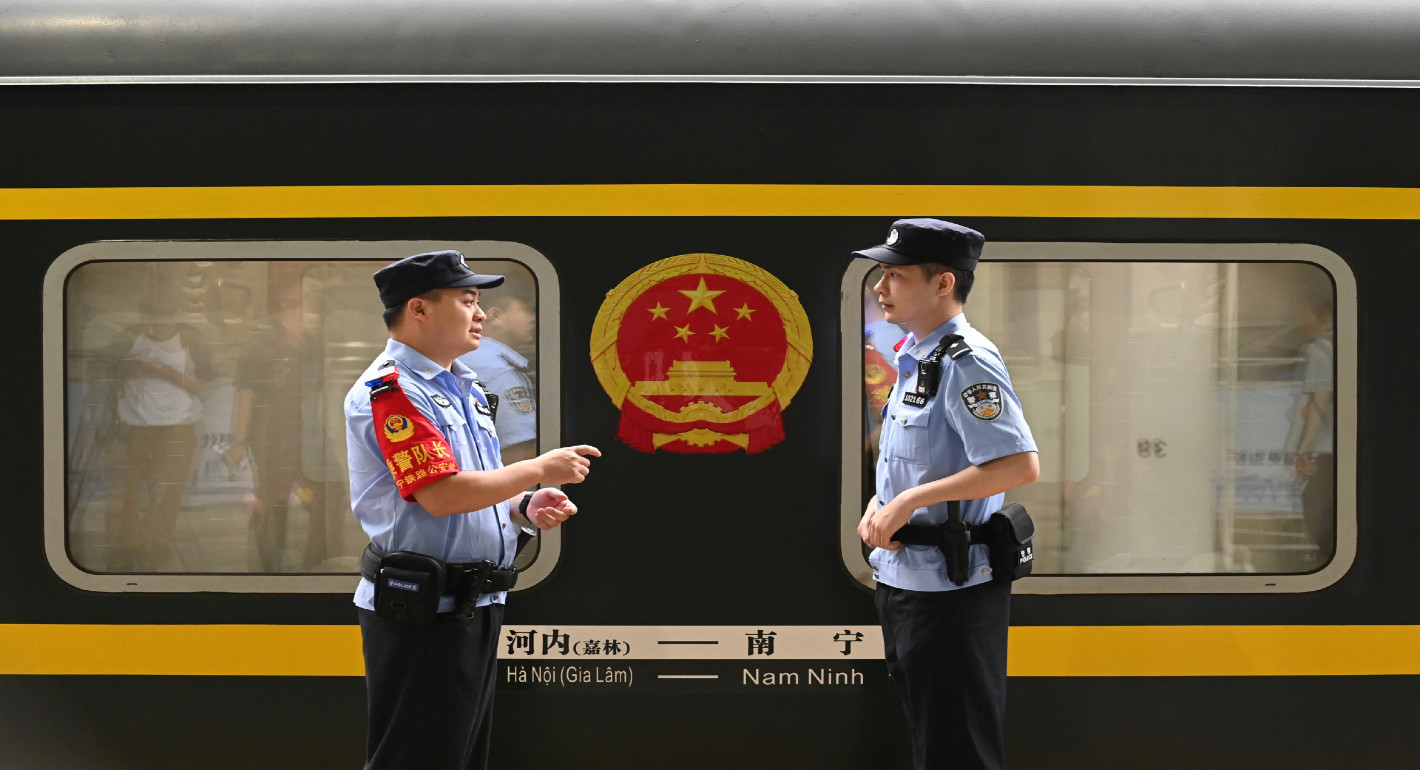
Despite long-standing differences, China and Vietnam are reinforcing common ground for collaboration, especially in public security. This internal security–centered diplomacy offers a strengthened road map for how China moves forward with Southeast Asia.
Sophie Zhuang

Climate mobility interventions can vary, but they all present opportunities to unlock transformative results that mitigate costs associated with inaction.

Alejandro Martin Rodriguez
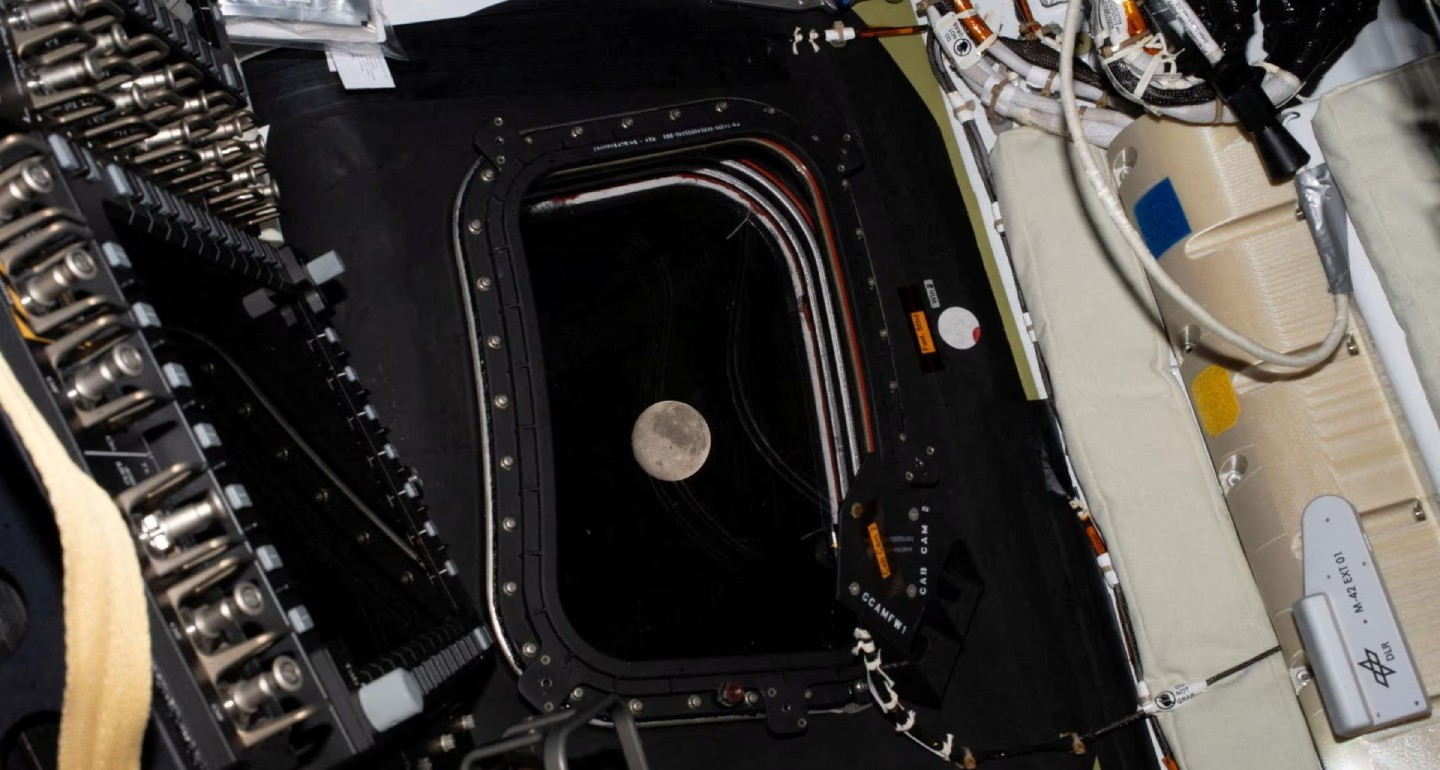
Despite having the resources and expertise, the Russian space industry missed the opportunity to offer the United States or China a mutually rewarding partnership in the lunar race.
Georgy Trishkin
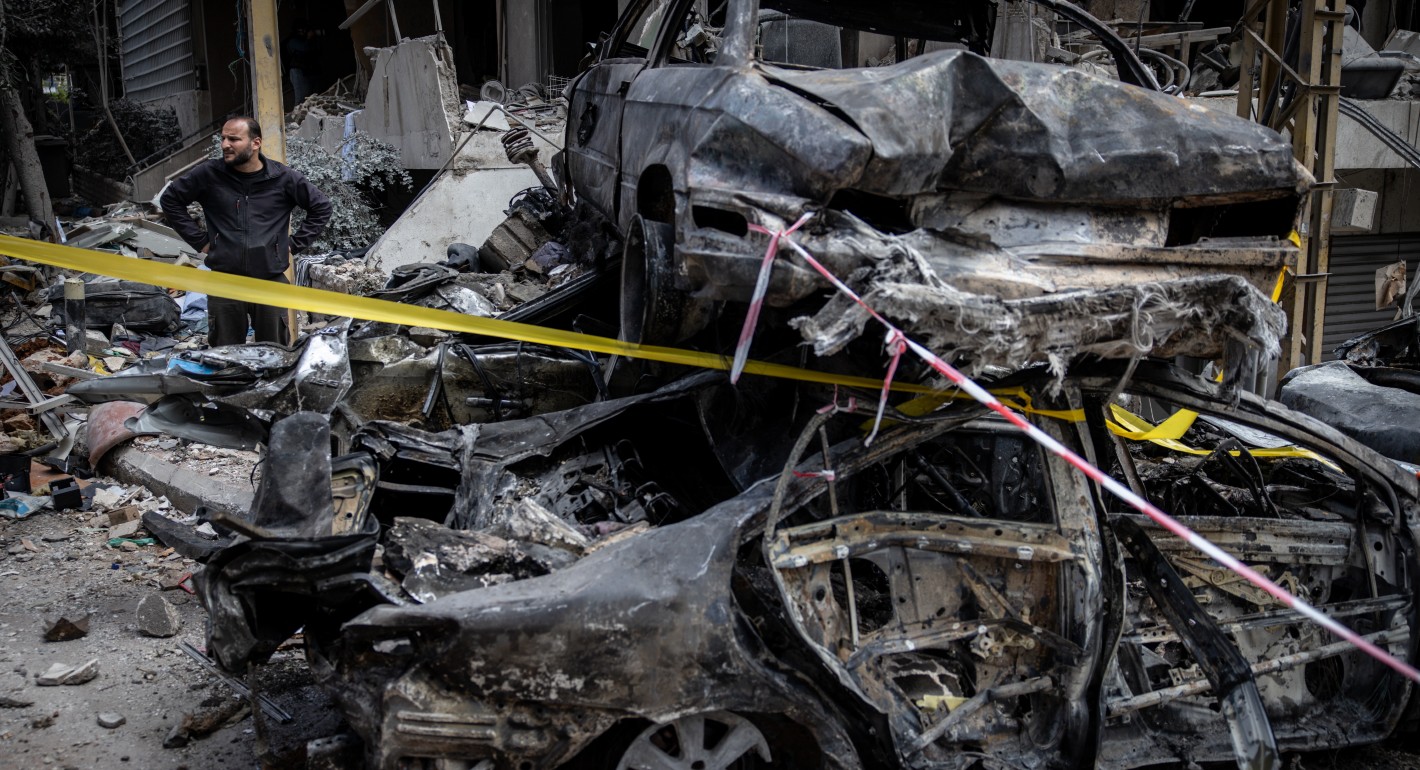
Four Middle East experts analyze the region’s reactions and next steps.



Amr Hamzawy, Andrew Leber, Eric Lob, …
As the war between the United States, Israel, and Iran continues, Carnegie scholars contribute cutting-edge analysis on the events of the war and their wide-reaching implications. From the impact on Iran and its immediate neighbors to the responses from Gulf states to fuel and fertilizer shortages caused by the effective shutdown of the Strait of Hormuz, the war is reshaping Middle East alliances and creating shockwaves around the world. Carnegie experts analyze it all.