

In The Media
Lahcen Achy
{
  "authors": [
    "Lahcen Achy"
  ],
  "type": "legacyinthemedia",
  "centerAffiliationAll": "",
  "centers": [
    "Carnegie Endowment for International Peace",
    "Malcolm H. Kerr Carnegie Middle East Center"
  ],
  "collections": [],
  "englishNewsletterAll": "",
  "nonEnglishNewsletterAll": "",
  "primaryCenter": "Malcolm H. Kerr Carnegie Middle East Center",
  "programAffiliation": "",
  "programs": [],
  "projects": [],
  "regions": [
    "Maghreb"
  ],
  "topics": [
    "Economy"
  ]
}
Source: Getty
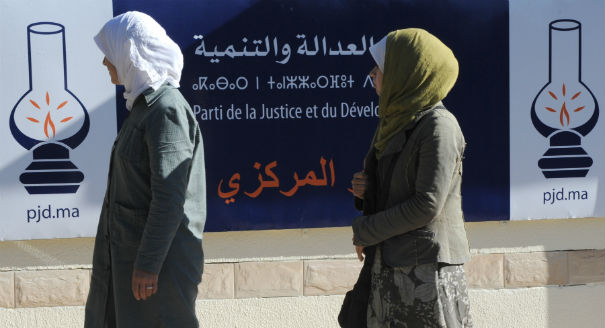
The Justice and Development Party, which leads the government in Morocco, must invest the trust it currently enjoys wisely, working with the many groups that make up Moroccan society to set priorities.
Source: Al-Hayat

The party’s victory, aside from the regional context that has seen the rise of Islamic parties in Tunisia and Egypt, stems from three factors:
First, the PJD has never been a part of any previous government, which made it an alternative to the other political parties, be they on the right, center, or left.
Second, the party played a notable role in the opposition during the last parliamentary cycles. Its members in the parliament made outstanding contributions to the discussion of draft laws and the questioning of ministers.Third, the party campaigned on ambitious social and economic programs with specific goals, backed by quantifiable commitments to win the voters’ trust.
The PJD has set as its target an economic growth rate of 7 percent a year, an exceptional level given Morocco’s economic growth history. Average growth was below 5 percent during the period between 2007 and 2011, despite extensive investment, both public and private. The party’s target also seems to be exaggerated when compared with the International Monetary Fund’s prediction that ranges from 4.5 to 5.5 percent.
Two other factors make the 7 percent economic growth goal unrealistic. The first is the European Union’s (EU's) stalled economy. The EU is Morocco’s most important economic and financial partner, absorbing two-thirds of its exports and supplying 80 percent of its tourism revenue, in addition to 90 percent of all remittances, which are sent home by Moroccans living in the EU. The slow pace of economic growth within the European Union, which is not expected to surpass 2 percent over the next five years, could adversely affect European demand for Moroccan goods and services and hurt the country’s growth prospects.
And second, economic growth in Morocco remains closely tied to the agricultural sector, which provides 40 percent of jobs and no less than 15 percent of gross domestic product. This sector, however, has been characterized by severe fluctuations because of its dependence on climate conditions.
The PJD has also promised to increase the monthly minimum wage by more than 25 percent—to the equivalent of $370. While rising wages may help improve private sector workers’ living conditions, this increase cannot be sustained without improving productivity, especially since the minimum wage saw a 10 percent increase last year. Companies need to increase productivity to maintain their ability to compete in both domestic and foreign markets. To increase productivity, however, the qualifications of the labor force need upgrading, as two-thirds of Moroccan workers do not have any formal qualifications.
As part of its program, the Justice and Development Party has also committed to keep the government’s budget deficit under 3 percent of gross domestic product (GDP)—the current figure is around 6 percent. This commitment is inconsistent with the ambitious goals the party has set to improve human development indicators. Any fiscal consolidation will require cutting universal food and fuel subsidies at a high political cost, especially in the short term. The political cost may be higher if the party cuts the tax rate on corporate profits from 30 to 25 percent as announced.
Sound economics suggests that the PJD’s ambitious goals require more government spending in the fields of education, health, and combating poverty and social exclusion. It is unclear how the party intends to do this while simultaneously cutting taxes and capping the deficit within 3 percent of GDP.
While attempting to satisfy a broad spectrum of voters, the PJD has lost the consistency necessary to create a realistic and implementable government program.
The party’s program emphasizes the key role of effective governance, as well as establishing rules of competition and transparency in order to improve both growth and social indicators. Improving governance, reforming the bureaucracy, fighting corruption, and enforcing market competition, however, require deep political and institutional reforms that may take years to materialize.
The new leadership cannot govern on rhetoric alone. The Justice and Development Party must invest the trust it currently enjoys wisely and honestly, working with the many groups that make up Moroccan society to set priorities and determine what is possible and achievable. It must then make bold, realistic choices that will probably not satisfy everyone but are in the interest of the country and its long-term stability. Most importantly, the party should avoid raising hopes and expectations unreasonably, leading to frustration and disappointment.
Former Nonresident Senior Associate, Middle East Center
Achy is an economist with expertise in development, institutional economics, trade, and labor and a focus on the Middle East and North Africa.
Recent Work
Lahcen Achy
Lahcen Achy

On March 10, 2026, India’s Union Cabinet approved amendments to Press Note 3, a regulation that mandated government approval on all foreign direct investment (FDI) from countries sharing a land border with India. This amendment raises questions primarily about whether its stated benefits will materialize and if the risks have been adequately weighed. This piece will address the same.

Konark Bhandari

This piece examines India’s response to U.S. sanctions and tariffs, specifically assessing the immediate market consequences, such as alterations in import costs, and the broader strategic implications for India’s energy security and foreign policy orientation.

Vrinda Sahai

This paper examines the evolution of India-China economic ties from 2005 to 2025. It explores the impact of global events, bilateral political ties, and domestic policies on distinct spheres of the economic relationship.

Santosh Pai
The India-U.S. relationship currently appears buffeted between three “Ts”—TRUST, Tariffs, and Trump.
Arun K. Singh
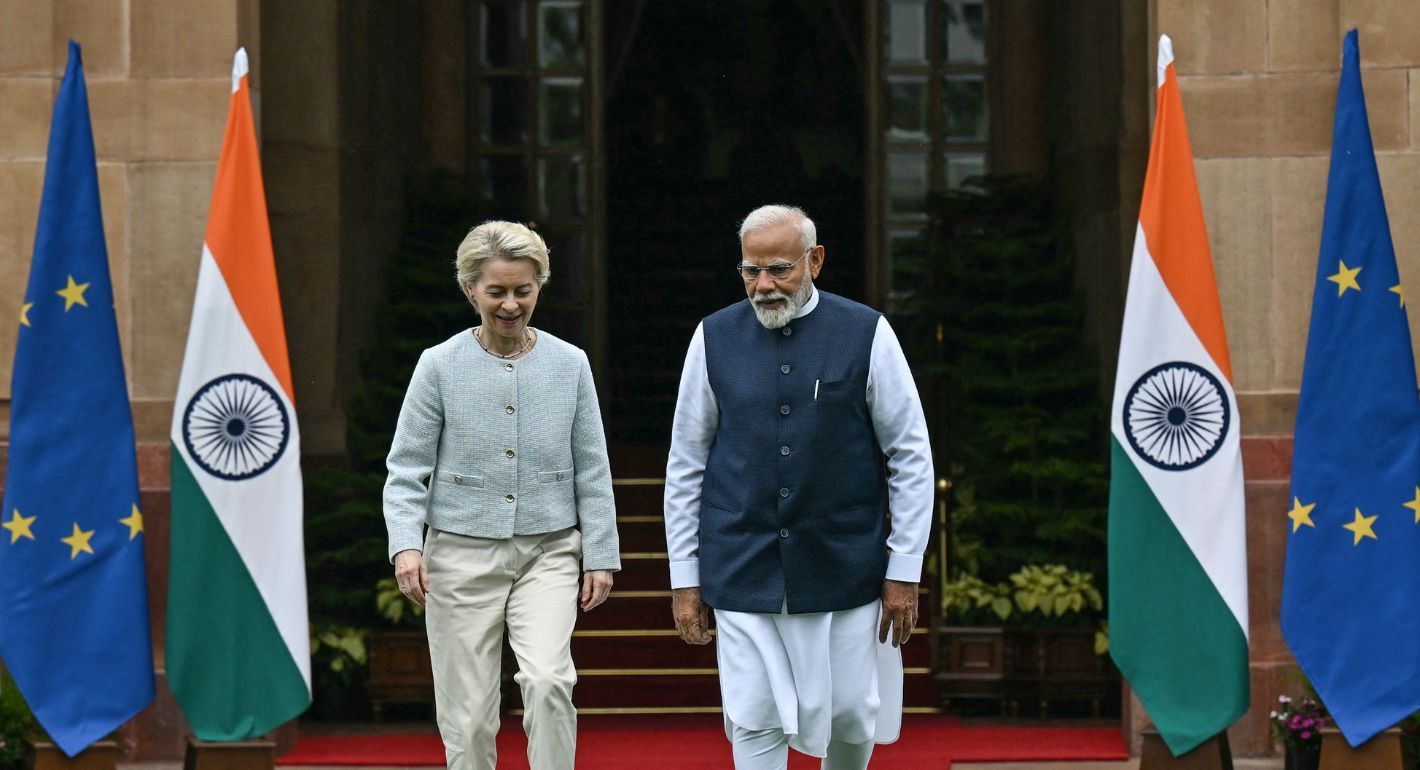
This article argues that the geopolitical circumstances have never been more conducive, not merely for the early conclusion of the free trade agreement (FTA) between India and the EU, but also for crafting a substantive and comprehensive strategic partnership.

Mohan Kumar