

Commentary
Nathalie Tocci, Jan Techau
{
  "authors": [
    "Jan Techau"
  ],
  "type": "legacyinthemedia",
  "centerAffiliationAll": "",
  "centers": [
    "Carnegie Endowment for International Peace",
    "Carnegie Europe"
  ],
  "collections": [],
  "englishNewsletterAll": "",
  "nonEnglishNewsletterAll": "",
  "primaryCenter": "Carnegie Europe",
  "programAffiliation": "",
  "programs": [],
  "projects": [],
  "regions": [
    "Europe"
  ],
  "topics": []
}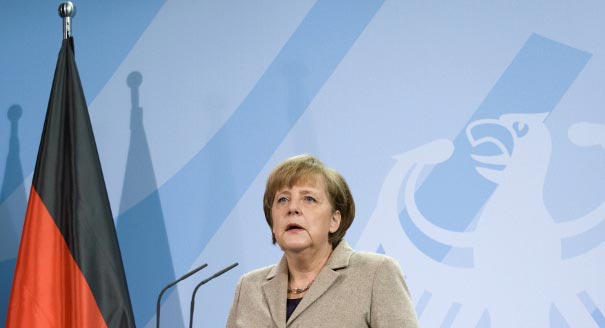
Source: Getty
The demand for leadership in Europe is immense and European leaders are looking to Germany, the largest, strongest and most centrally located country, for guidance.
Source: Global Brief

Second, during the nearly five decades of being under Allied custodianship, Germans were relieved of the need to fend for their own survival. This bred a culture of irresponsibility for themselves and for others. Today, the absence of felt responsibility for the world surrounding Germany is the most worrisome feature of the country’s foreign policy. Examples of that absence of felt responsibility can be found everywhere: abstaining on Libya; caveats in Afghanistan; sleepwalking through the euro crisis; putting the brakes on EU foreign policy; and refusing to contribute to the development of NATO.
However, in marked contrast to earlier phases in its history, Germany harbours no desire to dominate its neighbours, or to rule the continent by some informal diktat from Berlin. Quite the contrary: there is nothing for which Germans have a greater preference than being left unbothered by the demanding political realities around them. Instead, they wish that they could simply reimmerse themselves in the comfortable, apolitical world of Biedermeier – cushioned by ever-increasing demand for their high-quality industrial export products.
But the demand for leadership in Europe is immense. Naturally, European leaders look to the largest, strongest and most centrally located country for guidance. They desire an internationally minded Germany that is aware of its strength, solidaire, protective and engaged. They do not fear German tank divisions, but rather German self-centeredness and endless soul-searching.
Director, Europe Team, Eurasia Group
Techau is director with Eurasia Group's Europe team, covering Germany and European security from Berlin. Previously, he was director of Carnegie Europe.
Recent Work
Nathalie Tocci, Jan Techau
Jan Techau
Carnegie does not take institutional positions on public policy issues; the views represented herein are those of the author(s) and do not necessarily reflect the views of Carnegie, its staff, or its trustees.

Germany's sometimes ambiguous nuclear policy advocates nuclear weapons for deterrence purposes but at the same time adheres to non-proliferation. This dichotomy can turn into a formidable dilemma and increase proliferation pressures in Berlin once no nuclear protector is around anymore, a scenario that has become more realistic in recent years.

Ulrich Kühn
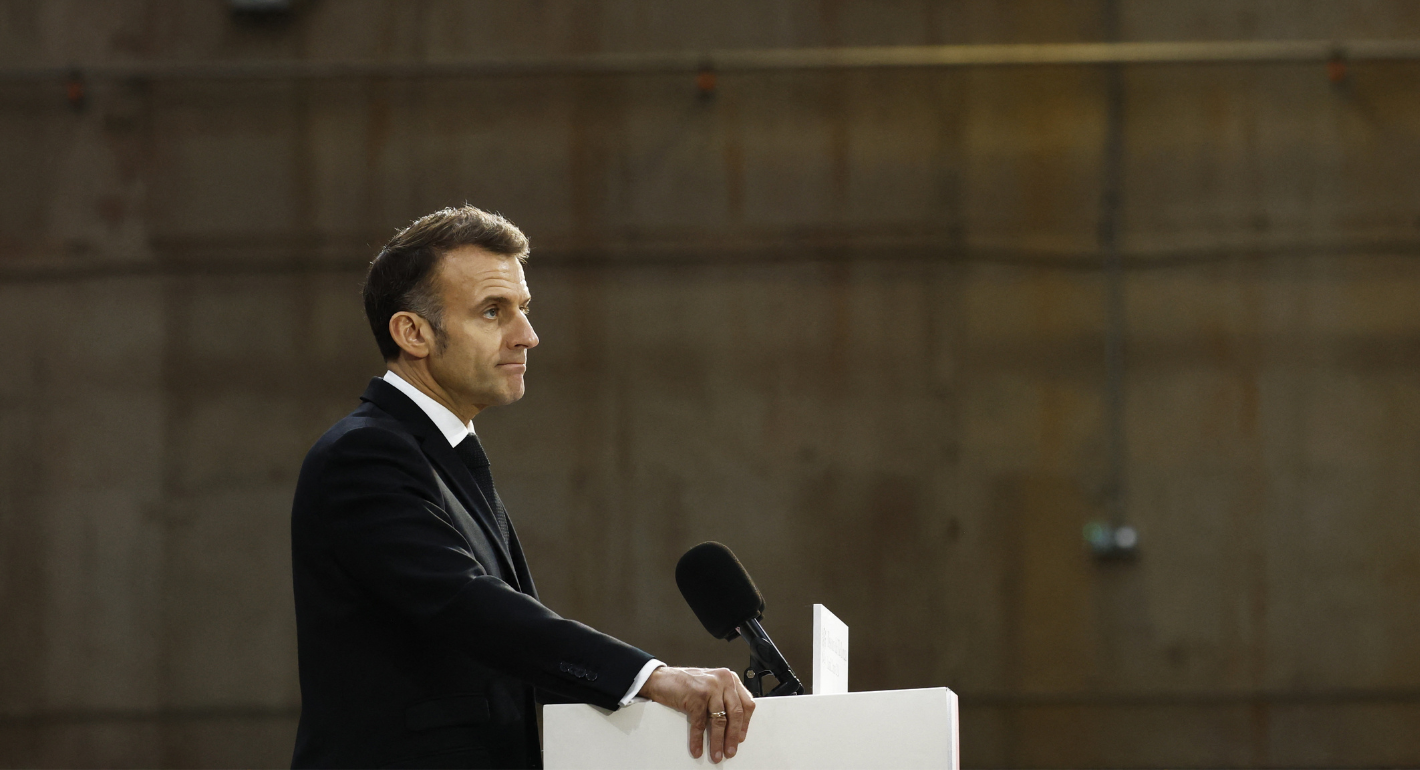
French President Emmanuel Macron has unveiled his country’s new nuclear doctrine. Are the changes he has made enough to reassure France’s European partners in the current geopolitical context?

Rym Momtaz, ed.
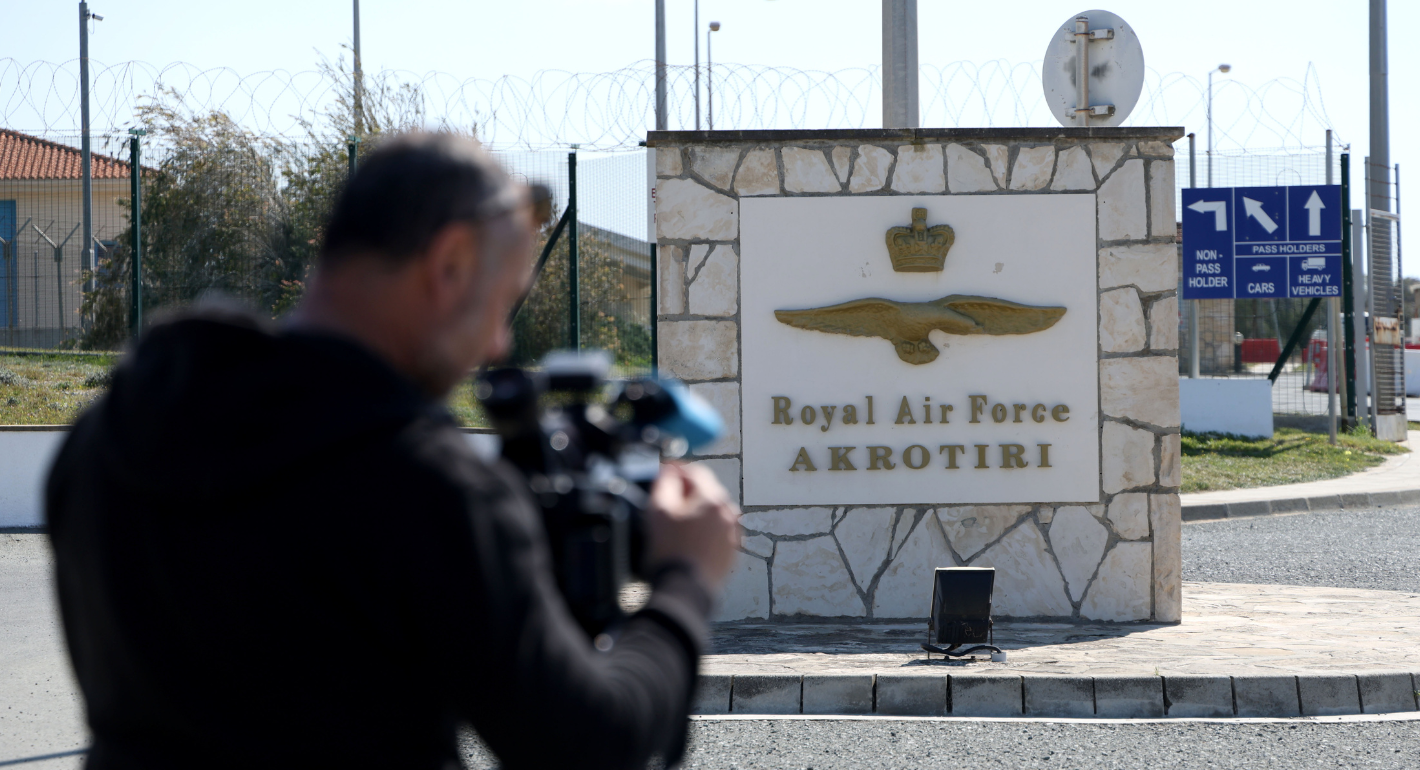
The drone strike on the British air base in Akrotiri brings Europe’s proximity to the conflict in Iran into sharp relief. In the fog of war, old tensions in the Eastern Mediterranean risk being reignited, and regional stakeholders must avoid escalation.

Marc Pierini
European reactions to the war in Iran have lost sight of wider political dynamics. The EU must position itself for the next phase of the crisis without giving up on its principles.

Richard Youngs
For years, the United States anchored global cyber diplomacy. As Washington rethinks its leadership role, the launch of the UN’s Cyber Global Mechanism may test how allies adjust their engagement.
Patryk Pawlak, Chris Painter