

Комментарий
Татьяна Становая
{
  "authors": [
    "Татьяна Становая"
  ],
  "type": "commentary",
  "centerAffiliationAll": "",
  "centers": [
    "Carnegie Endowment for International Peace",
    "Берлинский центр Карнеги"
  ],
  "collections": [],
  "englishNewsletterAll": "",
  "nonEnglishNewsletterAll": "",
  "primaryCenter": "Carnegie Endowment for International Peace",
  "programAffiliation": "",
  "programs": [],
  "projects": [],
  "regions": [],
  "topics": []
}
Источник: Getty
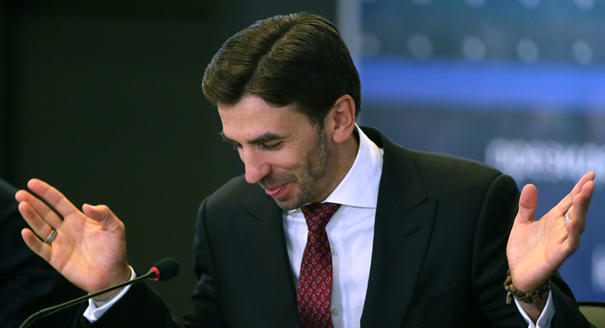
Арест Абызова показывает, как преследование за экономические преступления становится хаотичным, а политика, которая раньше была в основе громких арестов, теперь появилась только постфактум, как вторичный, хотя и немаловажный эффект
Удивительная история разворачивается вокруг громкого ареста некогда влиятельного выходца из политических и бизнес-кругов Михаила Абызова. Абызов хорошо известен в двух качествах. Во-первых, он был в команде премьер-министра Дмитрия Медведева, с 2012 по 2018 год руководил мало чем запомнившимся Министерством по делам Открытого правительства. Во-вторых, Абызов играл заметную роль в электроэнергетике, в конце 90-х работал под началом Анатолия Чубайса, а также имел в отрасли свой бизнес. Последнее время Абызов жил в Италии, но приехал в Москву, где и был задержан сотрудниками ФСБ (по неофициальным данным, оперативниками управления «К» Службы экономической безопасности ФСБ), открыв новую страницу в истории позднего путинского режима.
Надо признать, что Абызову не просто не повезло. В отличие от всех его соратников по несчастью, будь то Алексей Улюкаев, посаженные губернаторы или арестованный американский инвестор Майкл Калви, бывшему медведевскому министру почти никто не сочувствует. Абызов – бизнесмен с замашками из 90-х, которому на некоторое время удалось встроиться в политическую реальность, сделав ставку на второй срок Дмитрия Медведева. В 2011 году он заметно вложился в этот сценарий – например, организовал общественный комитет сторонников переизбрания.
Медведев не остался президентом, но поддержку Абызова оценил, предложив тому специально созданную под него должность министра по делам Открытого правительства – платформы для экспертной поддержки кабинета министров. Правда, после возвращения Путина на пост президента у правительства почти не оставалось возможностей проявлять инициативу. Поэтому Министерство по делам Открытого правительства, как и само правительство, в этом плане было парализовано. Вместо него функции генератора идей чаще выполняло, например, куда более влиятельное Агентство стратегических инициатив.
Можно вспомнить, как в январе 2013 года на Гайдаровском форуме глава Сбербанка Герман Греф отчитывал Михаила Абызова за провальную работу. Тогда Абызов получил замечания и от своего бывшего шефа Анатолия Чубайса, так что арест пока рано связывать с главным реформатором российской электроэнергетики. В 2015 году Абызов возглавил рабочую группу по подготовке «Стратегии-2030», из чего, как известно, ничего не получилось. В 2018 году Министерство Открытого правительства было ликвидировано за давней ненадобностью, а министр окончательно обосновался в эмиграции.
В этом плане Абызов не вызывает никаких симпатий у системных либералов, возмущавшихся арестами Никиты Белых, Алексея Улюкаева или Майкла Калви. Не кричат о злоупотреблениях силовиков и в среде либеральной оппозиции. Арест Абызова выглядит редким случаем, когда действия ФСБ вызывают понимание у критиков Путина. Алексей Навальный, два года назад опубликовавший свое расследование о злоупотреблениях Абызова, говорит, что расследование списано у него.
В деле сложно найти политическую интригу – Абызов если не вызывал раздражения, то уж точно не пользовался симпатией у самых разных частей российской элиты.
Не был Абызов и успешным бизнесменом. В 2015 году Абызов продал свою почти разорившуюся АО «Группа Е4» кредиторам, требовавшим погасить невыплачивавшийся долг и угрожавшим уголовным преследованием. «Альфа-банк» тогда писал в Главное управление экономической безопасности и противодействия коррупции (ГУЭБиПК) МВД заявление с требованием проверить руководство компании и обвинял Абызова в ведении бизнеса на госслужбе.
Все это, безусловно, раздражало даже покровителей Абызова. Медведев хоть и был благодарен за поддержку в нелегкий период падения тандемократии, но терпеть скандалы, бьющие по и без того слабому кабинету, тоже не мог.
Тогда ситуацию смогли уладить, но долговые проблемы так и не были решены. В марте «Альфа-банк» снова потребовал уже 33 млрд рублей с Абызова и его партнеров. В числе врагов бывшего министра называют и Виктора Вексельберга, долго судившегося с бывшим министром.
В основе нынешних обвинений Следственного комитета – сделка по продаже четырех энергокомпаний. Структуры Абызова продали их за 4 млрд рублей при реальной стоимости 186 млн рублей, писал «Коммерсантъ». Все это показывает, что в среде российского крупного бизнеса, и без того раздраженного санкциями и внутрироссийскими несправедливостями, была целая армия недовольных, которым было что спросить с Абызова.
Мы привыкли к тому, что силовые структуры – это эксклюзивный инструмент в руках только одного человека, ну или в исключительных ситуациях в руках его приближенных. Мы также стали привыкать к тому, что сама ФСБ все чаще проявляет инициативу и ловит коррупционеров даже без президентской отмашки, как, например, было с обысками у Андрея Бельянинова (бывшего главу Таможенной службы пришлось потом неумело реабилитировать).
В деле Абызова на поверхности чисто корпоративные конфликты, долговые разборки, сведение счетов, где инструментом выступают силовики при полной уголовной амуниции. Казалось бы, обычная для России практика, но в данном случае речь идет о представителе политической элиты, бывшем министре, человеке, очень хорошо осведомленном о, вероятно, не самых лицеприятных делах все еще могущественных фигур.
Тут есть что-то схожее с делом Калви (при всей значительной разнице): в обоих случаях силовики вмешиваются в корпоративные споры без внятной политической составляющей и без инициативы президента или кого-то из его друзей. И только потом дело может обрасти политикой. Калви пытались обвинить в финансировании оппозиции. Будет неудивительно, если что-то подобное появится и в деле Абызова. В соцсетях и телеграм-каналах уже подробно рассказывают, как Абызов играл против Путина в 2011 году, финансировал оппозиционный «Дождь», обеспечивал своих детей американским гражданством и роскошно жил в загнивающей Европе – идеальный враг путинского государства.
Такое политическое утяжеление может быть востребовано в силу того, что, какие бы частные разборки ни разруливала ФСБ, ориентироваться ей все равно приходится на Путина. Особенно если речь идет о бывшем министре и заметном представителе команды Медведева. В истории с Калви считается, что президента ввели в курс дела только через два дня после задержания. В этот раз Путин, если верить словам Дмитрия Пескова, был осведомлен о готовящейся операции.
Политизация дела может начаться по хорошо известному сценарию – «патриоты против продажных либералов». История будет очень кстати для условных национал-консерваторов, носителей силовой идеологии, презирающих «сислибов» и видящих в них пятую колонну, главный источник уязвимости путинской системы. Достаточно отметить, что Абызова обвиняют в создании преступного сообщества, участники которого «поставили под угрозу устойчивое экономическое развитие и энергетическую безопасность ряда регионов страны», что предусматривает до 20 лет лишения свободы.
Обвинения касаются периода, когда Абызов был министром в правительстве Медведева, что неизбежно бросает тень на самого премьера.
То же самое можно сказать и об обстоятельствах ареста Абызова. Бывший министр приехал в Москву, возможно, по просьбе тех, кого считал своими политическими заступниками. Самым значимым человеком в России для Абызова, скорее всего, был его бывший куратор в правительстве Аркадий Дворкович, на день рождения к которому, вероятно, он и ехал.
Дворкович – одна из самых слабых и в то же время одна из самых близких к Медведеву фигур. Он главный источник уязвимости Медведева, чем стремятся воспользоваться многие в силовых структурах. И арест Абызова – безусловно, удар по ближнему кругу нынешнего премьера.
За последние месяцы окружение Медведева уже пережило такое количество ударов (чего только стоит арест братьев Магомедовых), что происходящее выглядит новой стадией медведевского нисхождения. Первая была в 2011–2013 годах, когда реваншистски настроенная элита добилась отмены почти всех президентских начинаний Медведева. Та волна стала спадать к концу 2013 года, когда Путину пришлось выбирать: либо избавляться от Медведева, либо прекращать общенациональное унижение бывшего преемника и брать его под личное покровительство. Был выбран второй вариант, и с 2014 года критика в адрес правительства Медведева надолго прекратилась, а Путин в той или иной степени солидаризировался с кабинетом.
Нынешняя волна связана не с тем, что делал Медведев, а с теми, кто с ним работал. Силовики, кажется, хорошо усвоили, что неприкосновенен только бывший преемник, а все, что вокруг, – благодатная почва для самореализации и наведения порядка. Сначала был нанесен удар по Магомедовым, теперь Абызов. Если в истории группы «Сумма» многое было завязано на конфликты с участием силовиков, то Абызов слишком много должен тем, кто не готов в условиях «осажденной крепости» прощать долги тем, кто наслаждается жизнью за ее пределами.
Но арест Абызова важен еще и потому, что показывает, как силовики постепенно переходят от выборочного преследования к беспорядочному. А как хорошо известно, в России на любого чиновника и крупного бизнесмена копится компромат. Преследование за экономические преступления становится хаотичным, а политика, которая раньше была в основе громких арестов, теперь появилась только постфактум, как вторичный, хотя и немаловажный эффект.

Старший научный сотрудник
Татьяна Становая — старший научный сотрудник Берлинского центра Карнеги по изучению России и Евразии
Недавние работы
Татьяна Становая
Татьяна Становая
Карнеги не занимает институциональных позиций по вопросам государственной политики; изложенные здесь взгляды принадлежат автору(ам) и не обязательно отражают взгляды Карнеги, его сотрудников или попечителей.