

Paper
Mei Ying Gechlik (Veron Hung)
{
  "authors": [
    "Mei Ying Gechlik (Veron Hung)"
  ],
  "type": "other",
  "centerAffiliationAll": "dc",
  "centers": [
    "Carnegie Endowment for International Peace"
  ],
  "collections": [],
  "englishNewsletterAll": "asia",
  "nonEnglishNewsletterAll": "",
  "primaryCenter": "Carnegie Endowment for International Peace",
  "programAffiliation": "AP",
  "programs": [
    "Asia"
  ],
  "projects": [],
  "regions": [
    "East Asia",
    "China"
  ],
  "topics": [
    "Political Reform",
    "Democracy",
    "Economy",
    "Military"
  ]
}
REQUIRED IMAGE
Recognizing the growing public demand for democratization, the communist leadership of Beijing is prepared to enter a dialogue with Hong Kong democrats. Some in the U.S. Congress want to show solidarity with Hong Kong democrats and toughness toward Beijing by removing beneficial economic treatment that Hong Kong receives. This would be a mistake; better options exist.
Source: Carnegie Endowment
Demonstrations in Hong Kong highlight the ongoing struggle between its citizens and Chinese leaders over the course of democratization there. The United States has substantial economic stakes in Hong Kong, which would be threatened by political crisis. U.S. investment and trade interests depend on preservation of the rule of law in Hong Kong, while Hong Kong also is a bellwether for the political evolution of Greater China, including Taiwan.
Recognizing the growing public demand for democratization, the communist leadership of Beijing is prepared to enter a dialogue with Hong Kong democrats. However, the democrats’ leverage depends on their performance in the September 12 legislative elections. Some in the U.S. Congress want to show solidarity with Hong Kong democrats and toughness toward Beijing by removing beneficial economic treatment that Hong Kong receives. This would be a mistake; better options exist for Americans to help democratization in Hong Kong.
Click on link above for the full text of this Policy Brief.
A limited number of print copies are available.
Request a copy
About the Author
Veron Hung is an associate in the Carnegie Endowment’s China Program. She received her doctorate from Stanford University and has in-depth experience in Chinese law, and law and politics in the Asia-Pacific region. She is the author of China's WTO Commitment on Independent Judicial Review (Carnegie Paper No. 32).

Former Non-Resident Associate
Recent Work
Mei Ying Gechlik (Veron Hung)
Mei Ying Gechlik (Veron Hung)
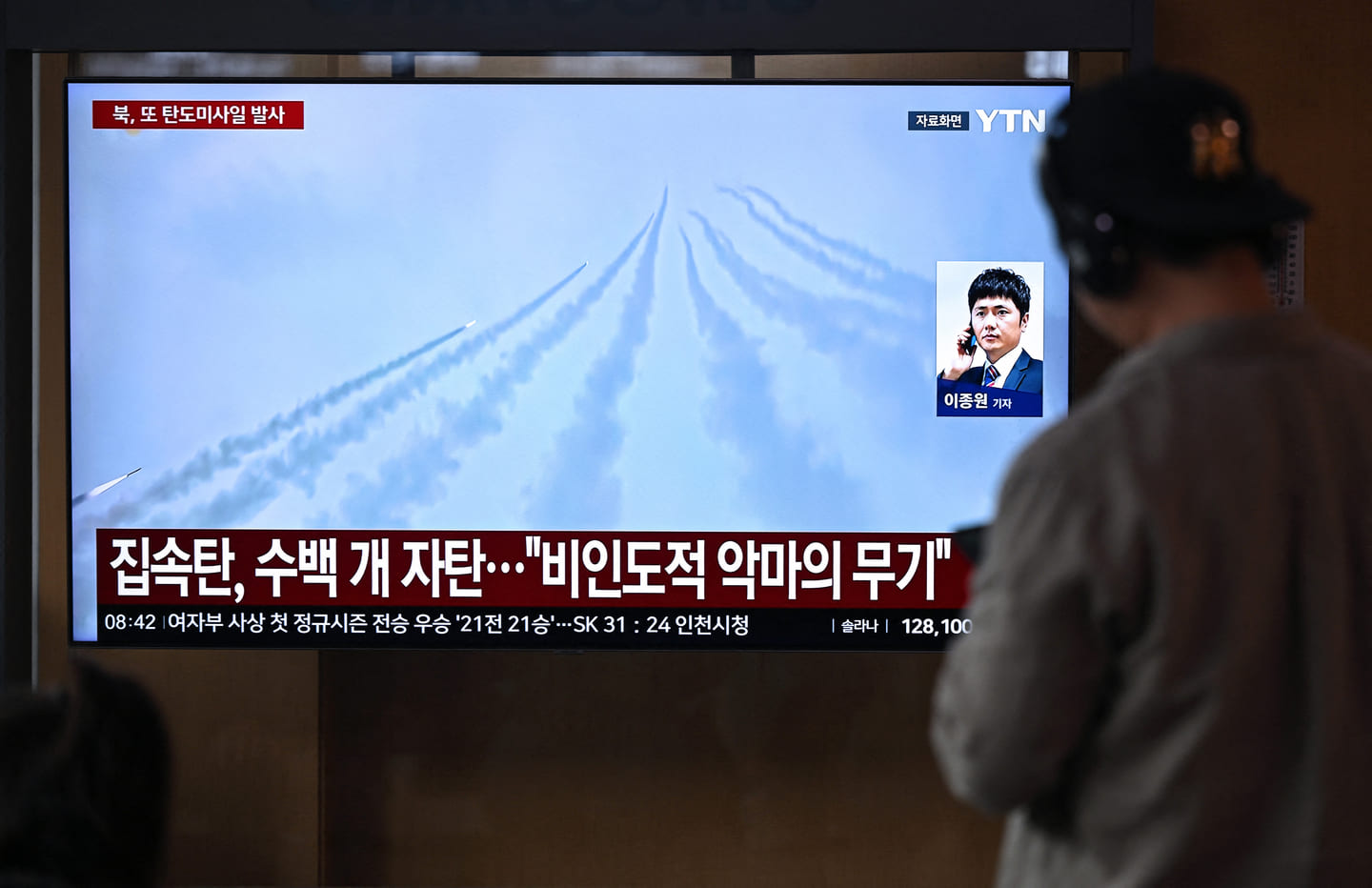
Troubled by the growing salience of nuclear debates in East Asia, Moscow has responded in its usual way: with condemnation and threats. But by exacerbating insecurity, Russia is forcing South Korea and Japan to consider radical security options.

James D.J. Brown
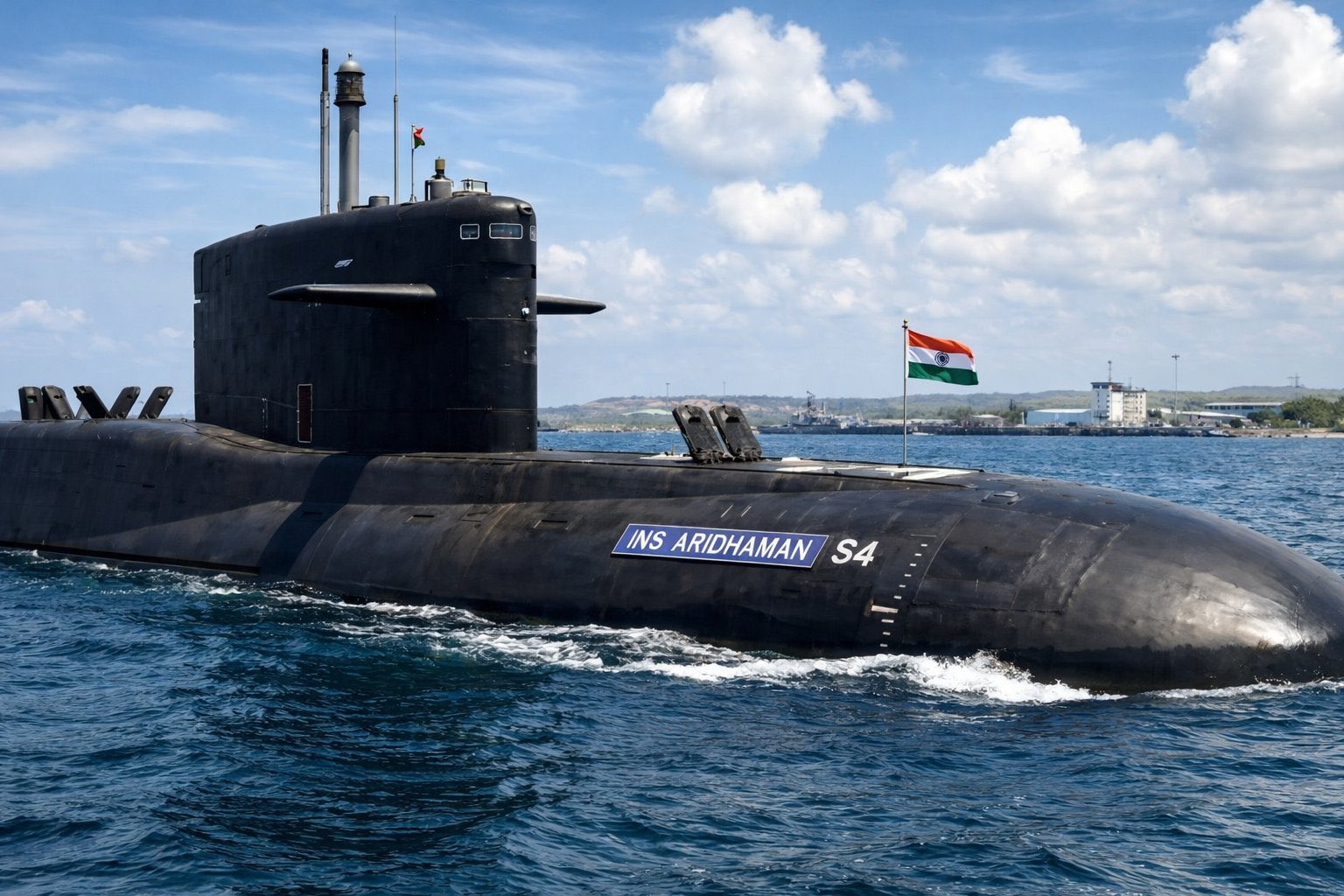
The induction of INS Aridhaman, which features several technological enhancements, now gives India the third nuclear ballistic missile submarine to ensure continuous at-sea deterrent.

Dinakar Peri

Hanoi and Beijing have long treated each other as distant cousins rather than comrades in arms. That might be changing as both sides draw closer to hedge against uncertainty and America’s erratic behavior.

Nguyễn Khắc Giang

AI could hollow out jobs, reshape them gradually, create entirely new ones—or do all three at once. The case for starting to act now doesn’t depend on knowing which.
Teddy Tawil

The Russian state has opted for complete ideological control of the internet and is prepared to bear the associated costs.

Maria Kolomychenko