

Commentary
The induction of INS Aridhaman, which features several technological enhancements, now gives India the third nuclear ballistic missile submarine to ensure continuous at-sea deterrent.
Dinakar Peri
{
  "authors": [
    "Tariq Thachil",
    "Milan Vaishnav"
  ],
  "type": "other",
  "centerAffiliationAll": "dc",
  "centers": [
    "Carnegie Endowment for International Peace"
  ],
  "collections": [],
  "englishNewsletterAll": "ctw",
  "nonEnglishNewsletterAll": "",
  "primaryCenter": "Carnegie Endowment for International Peace",
  "programAffiliation": "SAP",
  "programs": [
    "South Asia"
  ],
  "projects": [],
  "regions": [
    "South Asia",
    "India"
  ],
  "topics": [
    "Political Reform",
    "Democracy",
    "Civil Society"
  ]
}
Source: Getty
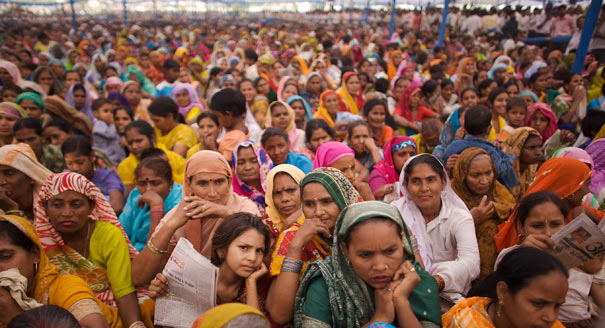
Engaging with the communities they study offers scholars meaningful critiques for their work and allows those communities to shape and benefit from the research agenda.
Source: PS: Political Science and Politics
US-based political scientists studying low-income countries make many demands of the communities that we study. Most of our projects would have been inconceivable without myriad forms of cooperation from local communities. Yet, in conceiving our projects and disseminating our findings, our attention is dominated by the imperatives provided by academic outlets written largely by and for other US-based academics. This focus is completely understandable given the incentives that scholars face, especially early in their career. However, this narrow window of engagement limits our reciprocal ability in at least two respects: (1) choosing research questions that are of importance to the communities we study, and (2) ensuring that the results of our studies are shared with such communities.
This article advocates broadening engagement through still relatively underutilized channels: writing for local news and scholarly outlets, and presenting at conferences and workshops for predominantly local audiences in the countries that we study. It is heartening to witness the growth of valuable venues for political scientists to provide accessible summaries of their research, such as the Washington Post’s “Monkey Cage” blog, the “War on the Rocks” blog, and Foreign Policy . These sites significantly broaden scholars’ exposure and help them connect their findings to relevant political developments of wider interest. Yet, despite the vibrancy and importance of these efforts, they remain oriented toward broadening a predominantly US readership. Similarly, scholars and students occasionally present their work to domestic audiences in the countries that they study. However, such efforts typically are not viewed as central to a project’s development or a graduate student’s professionalization, and they certainly are not regarded as on a par with presentations at US conferences and universities.
We present two principal arguments for scholars to increase their engagement in local forms of engagement. First, we argue that there are solid professional incentives to subject our work to local scrutiny at multiple stages of progress. This scrutiny can prove as central to ensuring the rigor of a project as critiques from US-based scholars. The second argument is a moral imperative to not simply inform and engage the communities that enable our careers but also to offer them a degree of agency in shaping our research agendas.
This article was originally published in PS: Political Science & Politics.
Tariq Thachil
Tariq Thachil is an Associate Professor of Political Science at Vanderbilt University

Director and Senior Fellow, South Asia Program
Milan Vaishnav is a senior fellow and director of the South Asia Program and the host of the Grand Tamasha podcast at the Carnegie Endowment for International Peace. His primary research focus is the political economy of India, and he examines issues such as corruption and governance, state capacity, distributive politics, and electoral behavior. He also conducts research on the Indian diaspora.
Carnegie does not take institutional positions on public policy issues; the views represented herein are those of the author(s) and do not necessarily reflect the views of Carnegie, its staff, or its trustees.
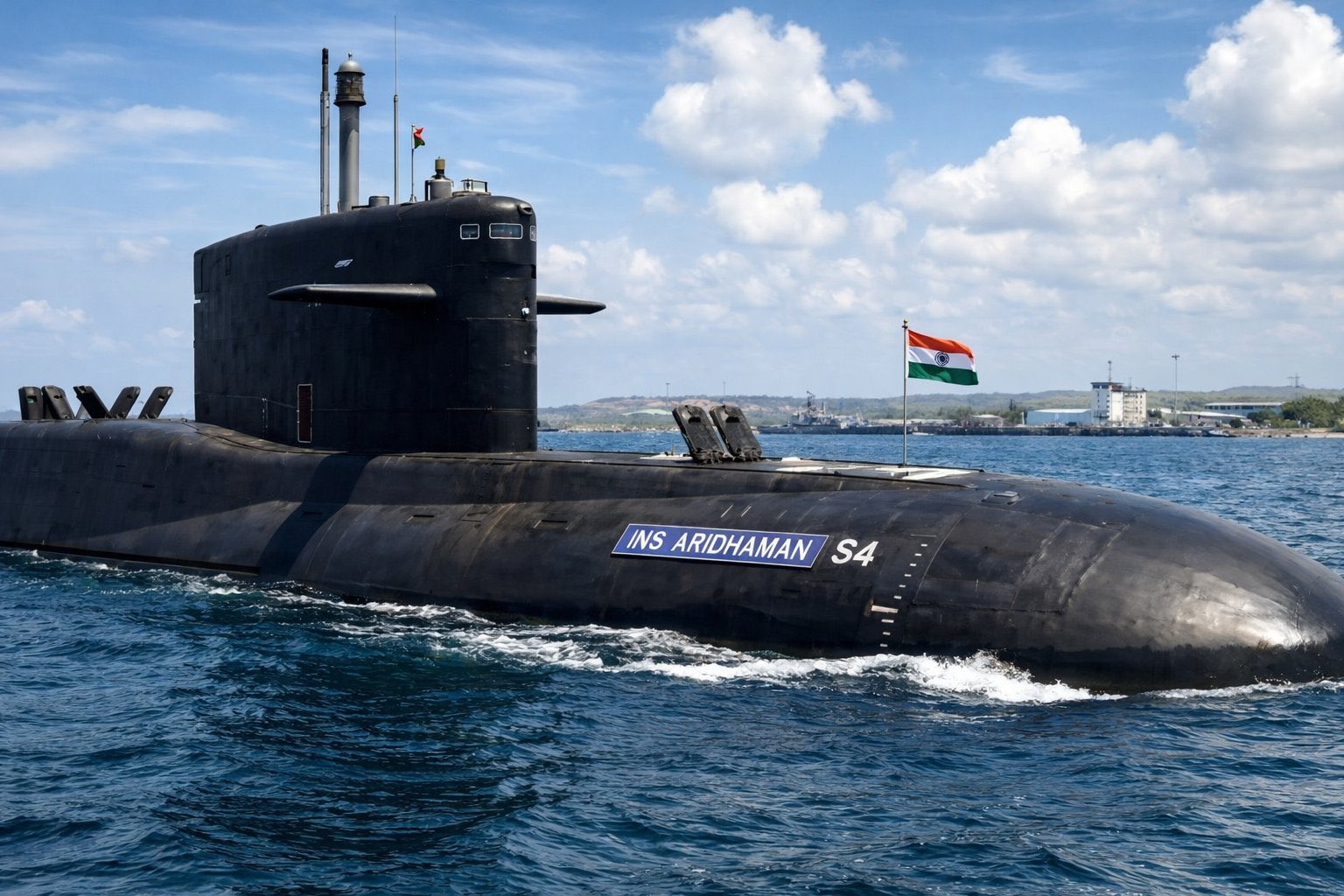
The induction of INS Aridhaman, which features several technological enhancements, now gives India the third nuclear ballistic missile submarine to ensure continuous at-sea deterrent.
Dinakar Peri
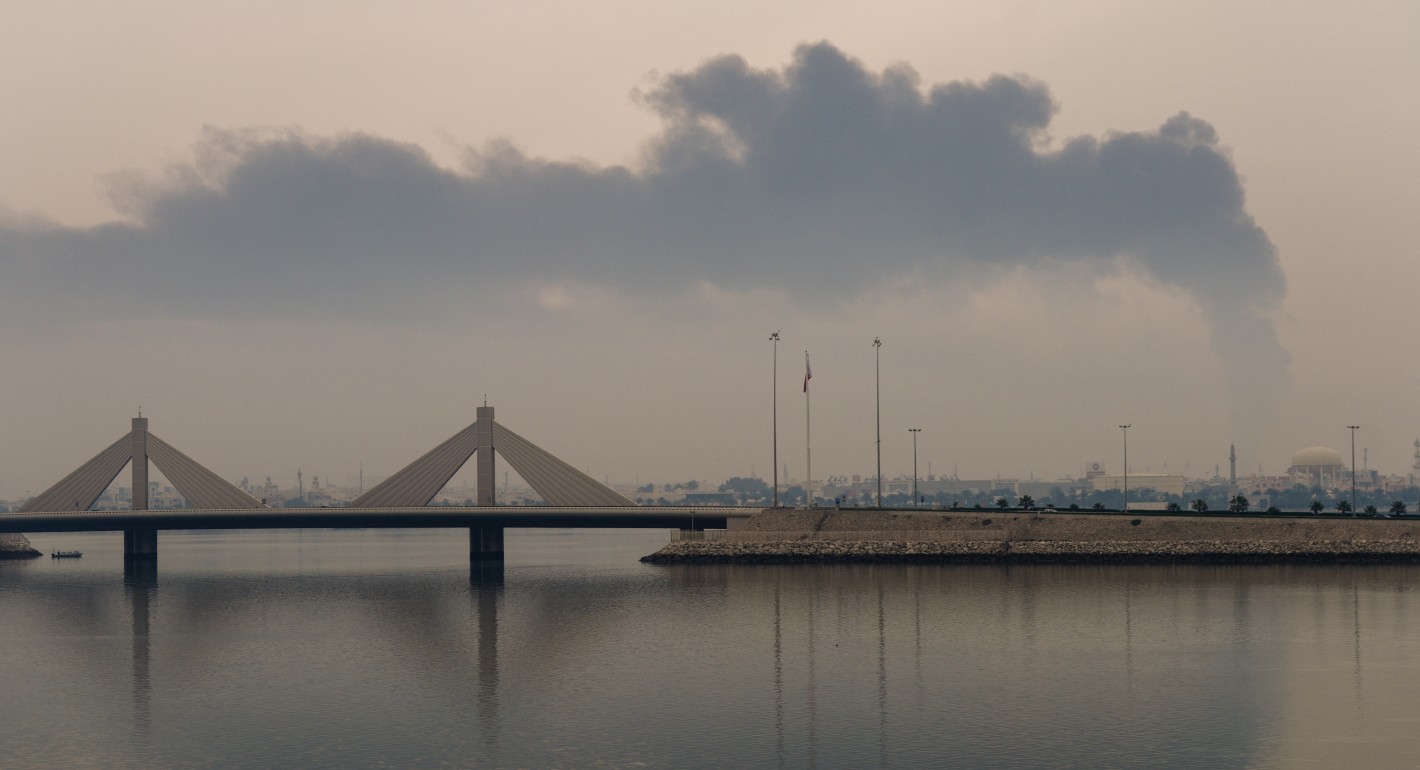
The conflict is exposing the flaws and fissures of their domestic governance and social cohesion.

Frederic Wehrey, Charles H. Johnson

The Russian state has opted for complete ideological control of the internet and is prepared to bear the associated costs.

Maria Kolomychenko

In the Philippines, Duterte-era discourse emphasizing sovereignty, anti-Western skepticism, and strongman diplomacy mirrors tenets of populist foreign policy around the world.
Aries A. Arugay

After four years of war, there is no one who can stand up to the security establishment, and President Vladimir Putin is increasingly passive.

Tatiana Stanovaya