• Research
  • Emissary
  • About
  • Experts
Carnegie Global logoCarnegie lettermark logo
DemocracyIran
  • Donate
{
  "authors": [
    "Sarah Yerkes"
  ],
  "type": "legacyinthemedia",
  "centerAffiliationAll": "dc",
  "centers": [
    "Carnegie Endowment for International Peace"
  ],
  "collections": [],
  "englishNewsletterAll": "menaTransitions",
  "nonEnglishNewsletterAll": "",
  "primaryCenter": "Carnegie Endowment for International Peace",
  "programAffiliation": "MEP",
  "programs": [
    "Middle East"
  ],
  "projects": [
    "Tunisia Monitor"
  ],
  "regions": [
    "North America",
    "United States",
    "North Africa",
    "Tunisia"
  ],
  "topics": [
    "Political Reform",
    "Democracy",
    "Foreign Policy"
  ]
}
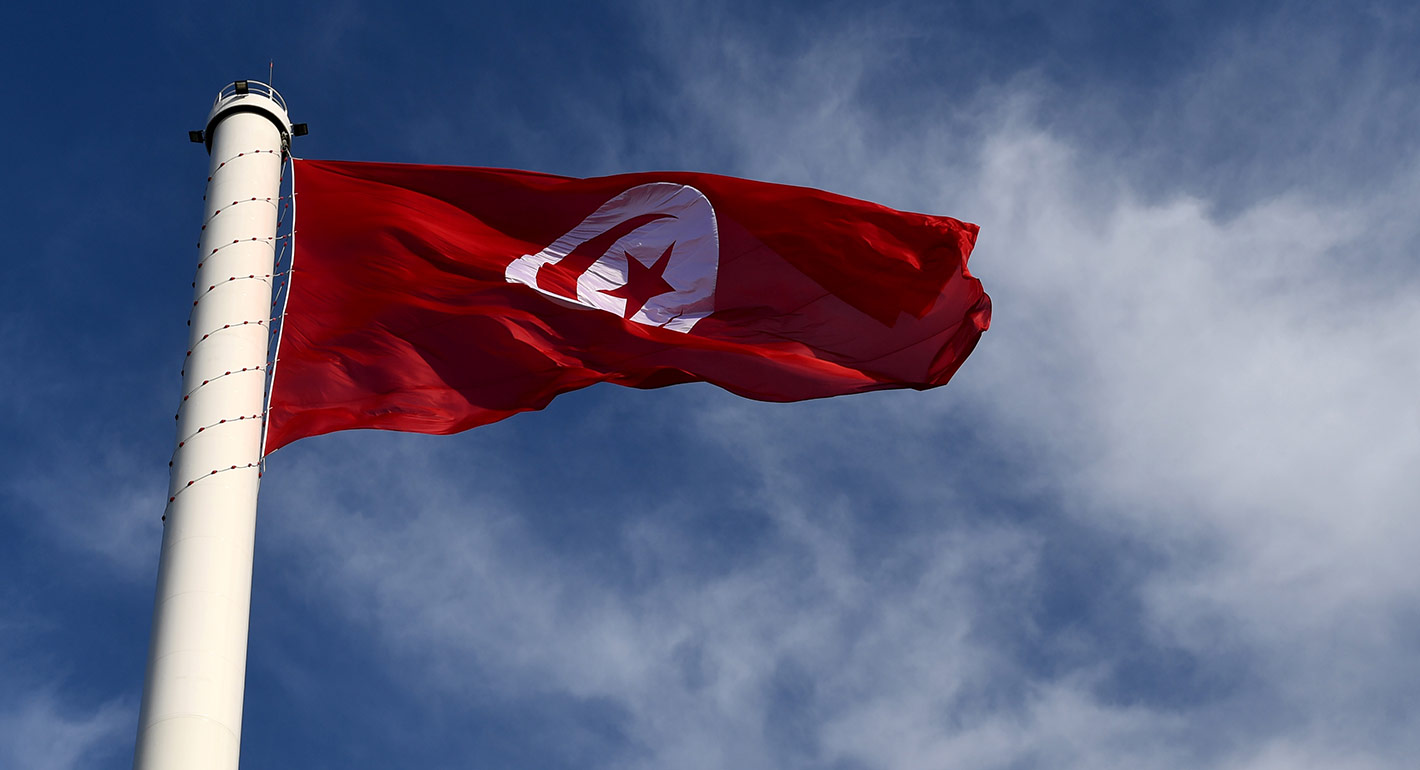
Source: Getty

In The Media

Nine Years After Bouazizi Set Himself on Fire, There Is a lot Riding on Tunisia’s New Government

Tunisia is embarking on the next phase of that transition with a newly elected government that is determined to finally deliver on the promises of the 2010-2011 revolution.
Link Copied
By Sarah Yerkes
Published on Dec 12, 2019
Program mobile hero image

Program

Middle East

The Middle East Program in Washington combines in-depth regional knowledge with incisive comparative analysis to provide deeply informed recommendations. With expertise in the Gulf, North Africa, Iran, and Israel/Palestine, we examine crosscutting themes of political, economic, and social change in both English and Arabic.

Learn More
Project hero Image

Project

Tunisia Monitor

Carnegie’s Tunisia Monitor project tracks the status of the country’s transition in the economic, political, and security spheres. This project provides original analysis and policy recommendations from a network of Tunisian contributors and Carnegie experts to inform decisionmakers in Tunisia, Europe, and the United States. This endeavor is supported by a grant from the Open Society Foundations.

Learn More

Source: National

Nine years ago, Tunisian street seller Mohamed Bouazizi set himself on fire in the rural town of Sidi Bouzid, setting off the Arab uprisings.

This year, as Tunisians commemorate the events that ushered in a democratic transition, the country is embarking on the next phase of that transition with a newly elected government that is determined to finally deliver on the promises of the 2010-2011 revolution.

Read the Full Text

This article was originally published by the National.

About the Author

Sarah Yerkes
Sarah Yerkes

Senior Fellow, Middle East Program

Sarah Yerkes is a senior fellow in Carnegie’s Middle East Program, where her research focuses on Tunisia’s political, economic, and security developments as well as state-society relations in the Middle East and North Africa.

    Recent Work

  • Article
    Amid Iran War, Gulf Countries Slow the Pace of Reforms
      • Sarah Yerkes

      Sarah Yerkes, Amr Hamzawy

  • Commentary
    The Iran War Is Making America Less Safe
      • Sarah Yerkes

      Sarah Yerkes

Sarah Yerkes
Senior Fellow, Middle East Program
Sarah Yerkes
Political ReformDemocracyForeign PolicyNorth AmericaUnited StatesNorth AfricaTunisia

Carnegie does not take institutional positions on public policy issues; the views represented herein are those of the author(s) and do not necessarily reflect the views of Carnegie, its staff, or its trustees.
More Work from Carnegie Endowment for International Peace

  • Wide shot of a wildfire burning a hillside near buildings
    Commentary
    What We Lost When Washington Walked Away From Climate-Health Efforts

    Our new report offers a path forward for local officials and future policymakers.

      • +2

      Joe McCannon, Jenny Keroack, Lauren Jensen, …
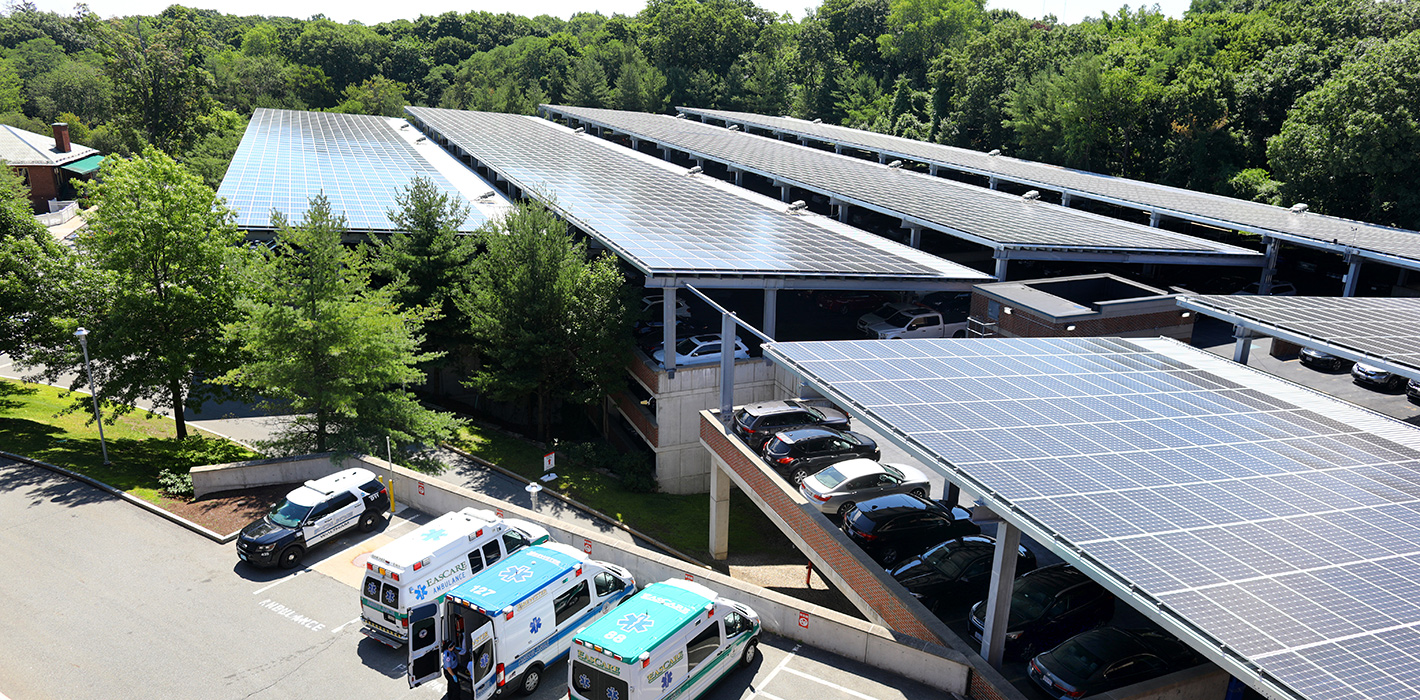
  • Newton-Wellesley Hospital has a bevy of solar panels atop their employee parking garage
    Paper
    Advancing Climate Health for Vulnerable Groups in the United States: Looking Back and Looking Ahead

    Present and future policymakers seeking to address climate-related health challenges can draw lessons from the successes and failures of the Biden administration.

      • +1

      Joe McCannon, Jenny Keroack, Lauren Jensen, …
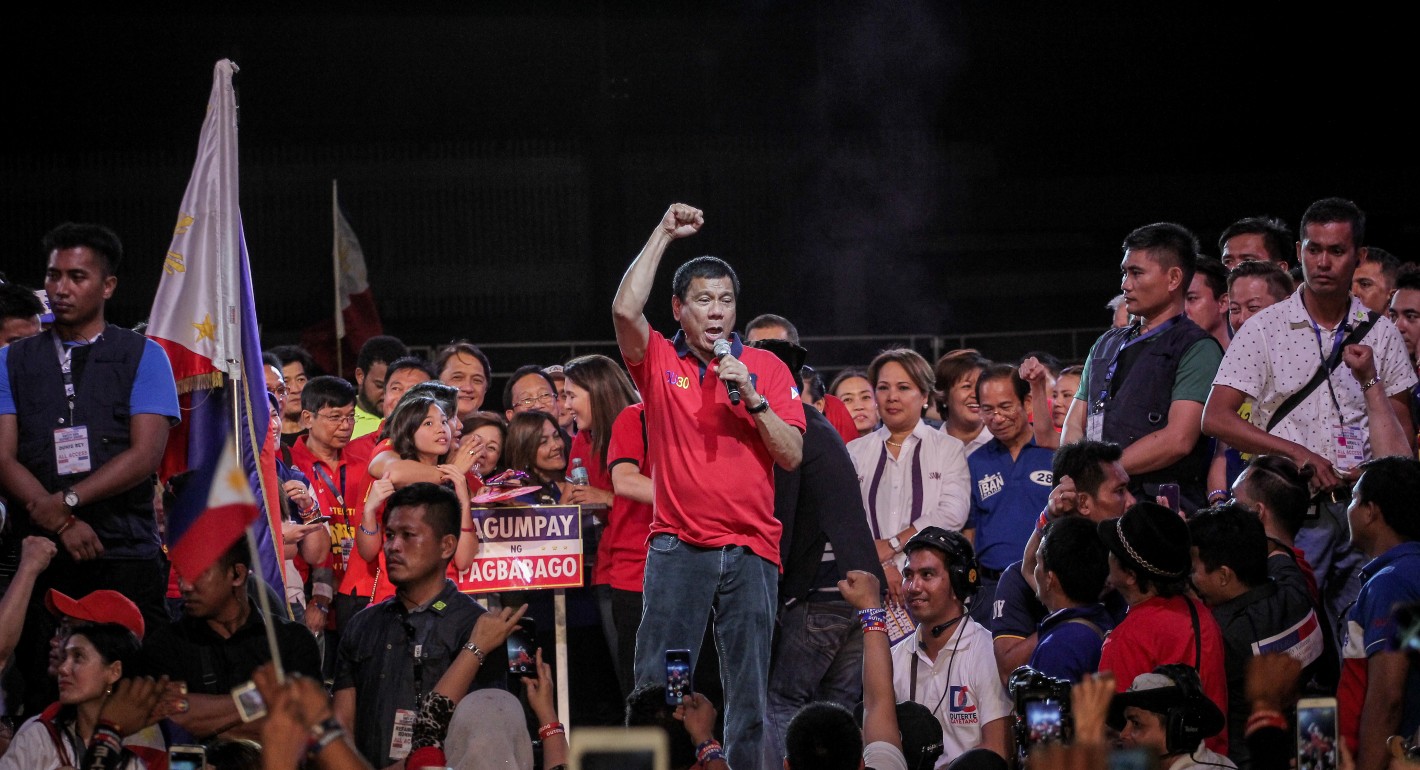
  • Duterte stands with his fist raised and a crowd of people stand behind him
    Paper
    Duterte’s Populist Foreign Policy as Illiberal Defiance: Consequences and Prospects

    In the Philippines, Duterte-era discourse emphasizing sovereignty, anti-Western skepticism, and strongman diplomacy mirrors tenets of populist foreign policy around the world.
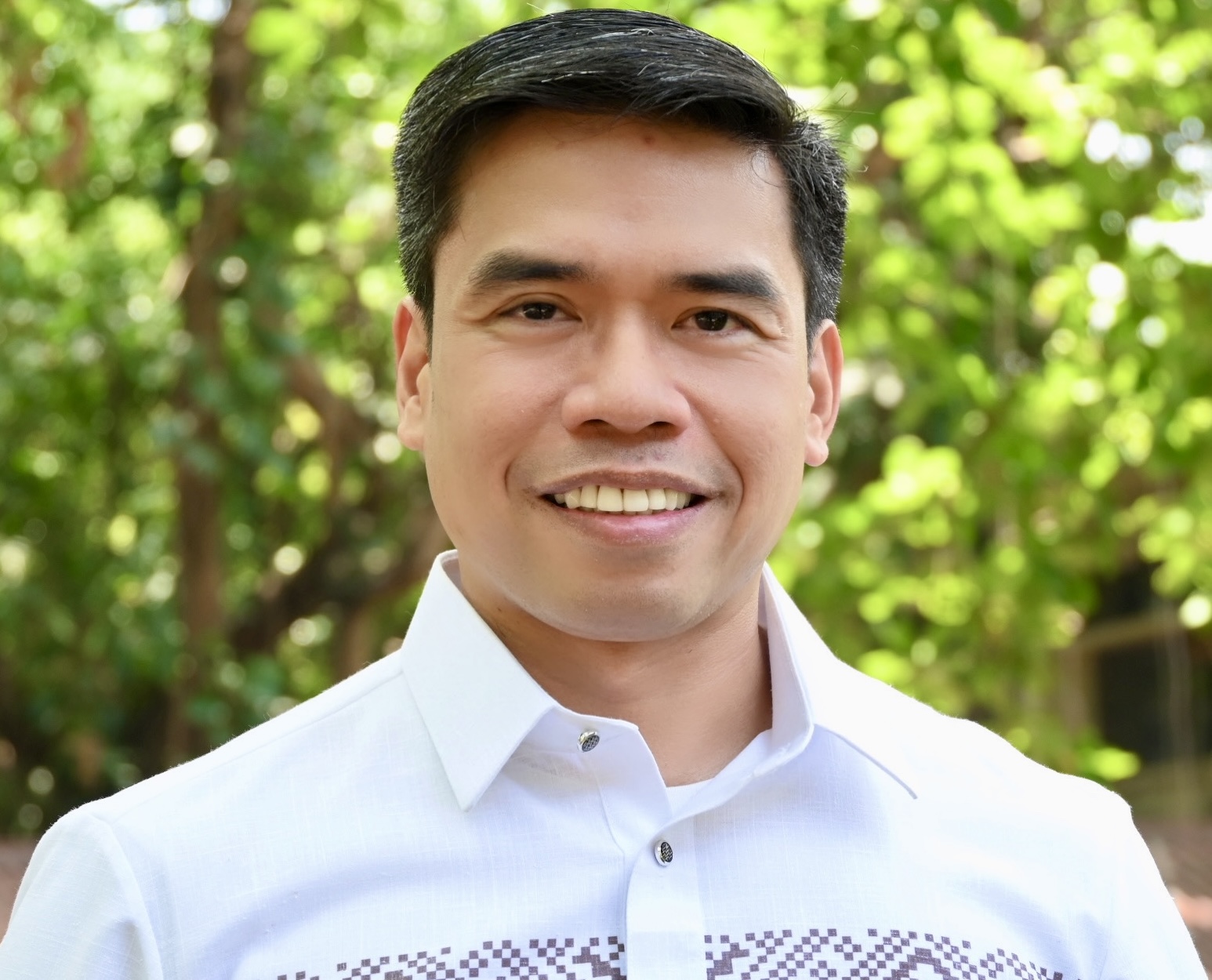
      Aries A. Arugay
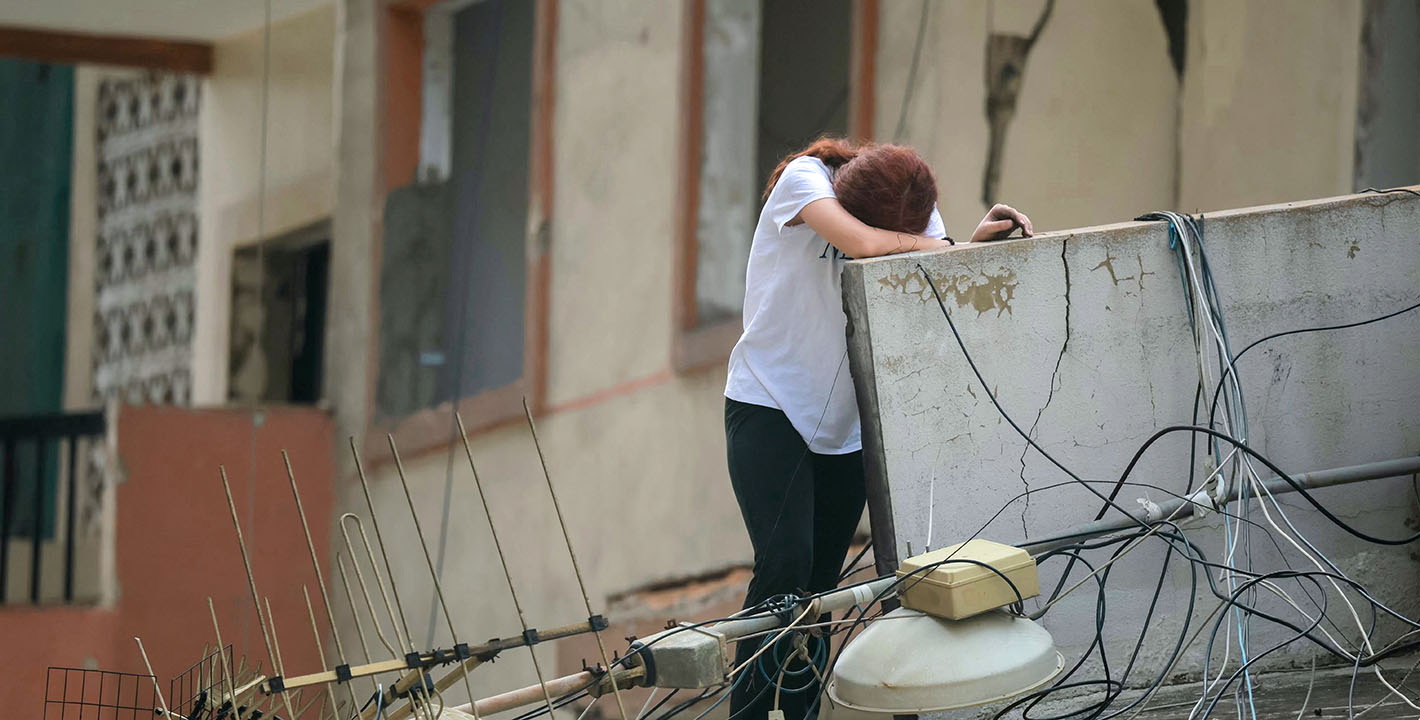
  • Commentary
    Diwan
    Lebanon Needs a New Negotiating Strategy with Israel

    Unless Beirut lowers expectations, any setbacks will end up bolstering Hezbollah’s narrative.

      Mohanad Hage Ali
  • Commentary
    Strategic Europe
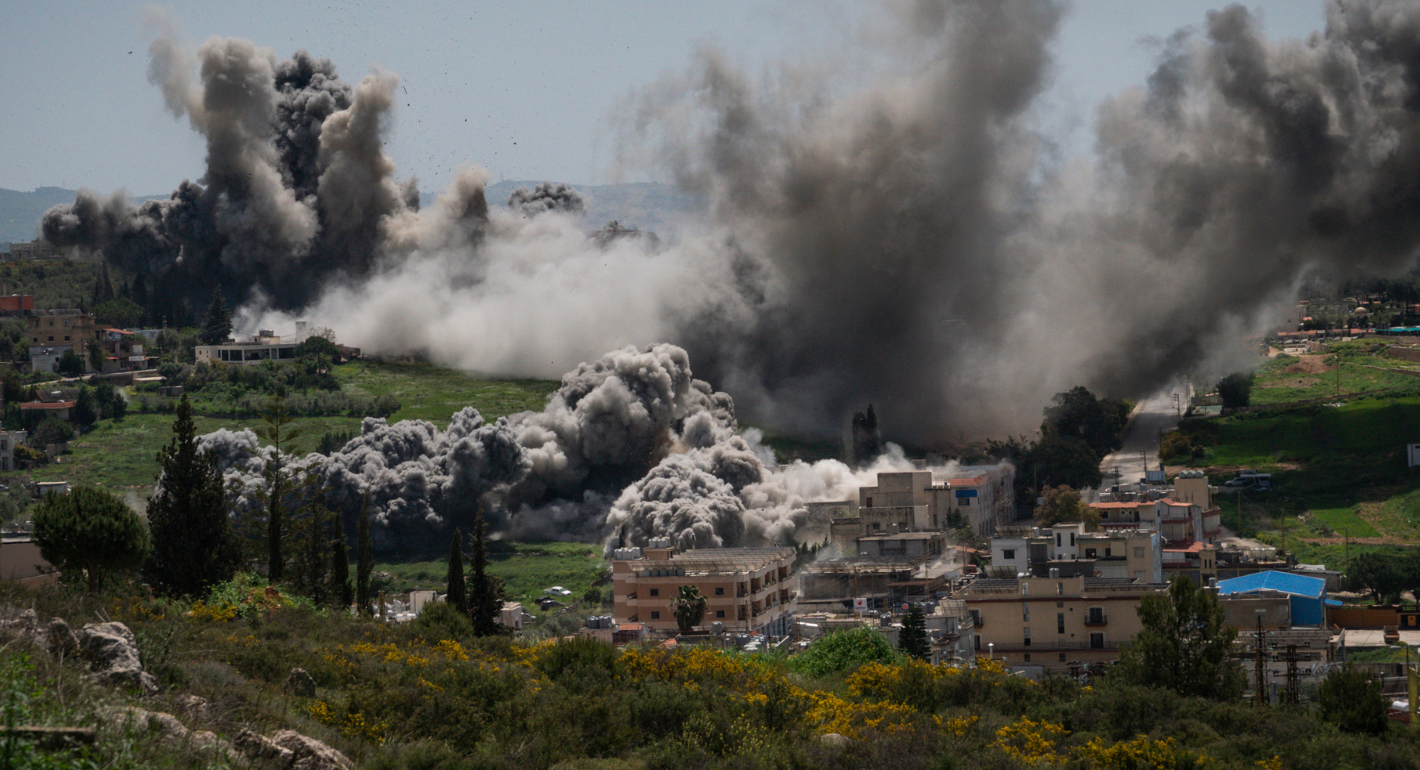
    France, Italy, and Spain Should Use Force in Lebanon

    Europe has been standing by while its Southern neighborhood is being redrawn by force. To establish a path to peace between Israel and Lebanon, it’s time for Europeans to get involved with hard power.

      • Rym Momtaz

      Rym Momtaz

Get more news and analysis from
Carnegie Endowment for International Peace
Carnegie global logo, stacked
1779 Massachusetts Avenue NWWashington, DC, 20036-2103Phone: 202 483 7600Fax: 202 483 1840
  • Research
  • Emissary
  • About
  • Experts
  • Donate
  • Programs
  • Events
  • Blogs
  • Podcasts
  • Contact
  • Annual Reports
  • Careers
  • Privacy
  • For Media
  • Government Resources
Get more news and analysis from
Carnegie Endowment for International Peace
© 2026 Carnegie Endowment for International Peace. All rights reserved.