• Research
  • Emissary
  • About
  • Experts
Carnegie Global logoCarnegie lettermark logo
DemocracyIran
  • Donate
Are Palestinians Building a State?

Source: Getty

Article

Are Palestinians Building a State?

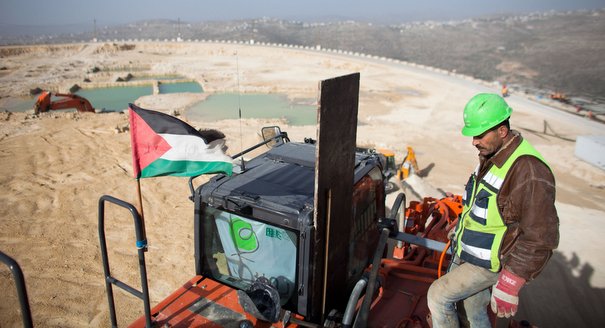
The international community’s understandable admiration for Palestinian Prime Minister Salam Fayyad and his efforts to rebuild the West Bank obscures a dangerous regression in democracy and human rights.

Link Copied
By Nathan J. Brown
Published on Jul 1, 2010

Additional Links

Full Text
Program mobile hero image

Program

Middle East

The Middle East Program in Washington combines in-depth regional knowledge with incisive comparative analysis to provide deeply informed recommendations. With expertise in the Gulf, North Africa, Iran, and Israel/Palestine, we examine crosscutting themes of political, economic, and social change in both English and Arabic.

Learn More

IMGXYZ5328IMGZYXThe international community’s understandable admiration for Palestinian Prime Minister Salam Fayyad and his efforts to rebuild the West Bank obscures a dangerous regression in democracy and human rights. Just back from the West Bank, Nathan J. Brown contends that the United States is once again confusing support for an admirable individual with that of a sound policy.

Key Conclusions

  • Government circumventing democracy. The unaccountable governing process that Fayyad has had to invent is not just postponing a democratic system—it is actively denying it.
     
  • Isolated successes do not create rule of law. The increasing number of cases seen and submitted to the courts indicates growing efficiency and confidence, but security services continue to act outside the law under the guise of cracking down on Hamas.
     
  • Lack of institution building. While Fayyad’s cabinet has managed to make a few existing institutions more effective and less corrupt, there has been regression in other governing bodies. Palestinian civil society is showing signs of decay as well.  Ironically, there was more institution building and civil society development under Yasser Arafat than there has been since the West Bank-Gaza split in 2007.
     
  • Disillusionment increasing among Palestinians. Popular support for Fayyad is growing but he still has no organized base. And Palestinians are increasingly cynical about the prospects for long-term development.
     
  • Fatah is in disarray. The party remains bitterly divided. Party leaders recently forced Fayyad’s cabinet to cancel local elections when Fatah could not organize itself on time.

“To the extent that Fayyadism is building institutions, it is unmistakably doing so in an authoritarian context,” writes Brown. “There is no reason to associate Fayyad personally with the most egregious aspects of this new authoritarianism, but there is no way his cabinet could have been created or sustained in a more democratic environment.”

“Palestinian authoritarianism in 2010 is different from Palestinian authoritarianism under Arafat—it is less venal and probably less capricious. But it is also more stultifying.”

 

About the Author

Nathan J. Brown

Nonresident Senior Fellow, Middle East Program

Nathan J. Brown, a professor of political science and international affairs at George Washington University, is a distinguished scholar and author of nine books on Arab politics and governance, as well as editor of five books.

    Recent Work

  • Commentary
    Old Wine in New Battles

      Nathan J. Brown

  • Commentary
    In the Trump Gaza Plan, Diplomatic Failure is Success

      Nathan J. Brown

Nathan J. Brown
Nonresident Senior Fellow, Middle East Program
Nathan J. Brown

Additional Links

Full Text
Middle EastPalestineLevantPolitical ReformSecurityForeign Policy

Carnegie does not take institutional positions on public policy issues; the views represented herein are those of the author(s) and do not necessarily reflect the views of Carnegie, its staff, or its trustees.
More Work from Carnegie Endowment for International Peace

  • Commentary
    Diwan
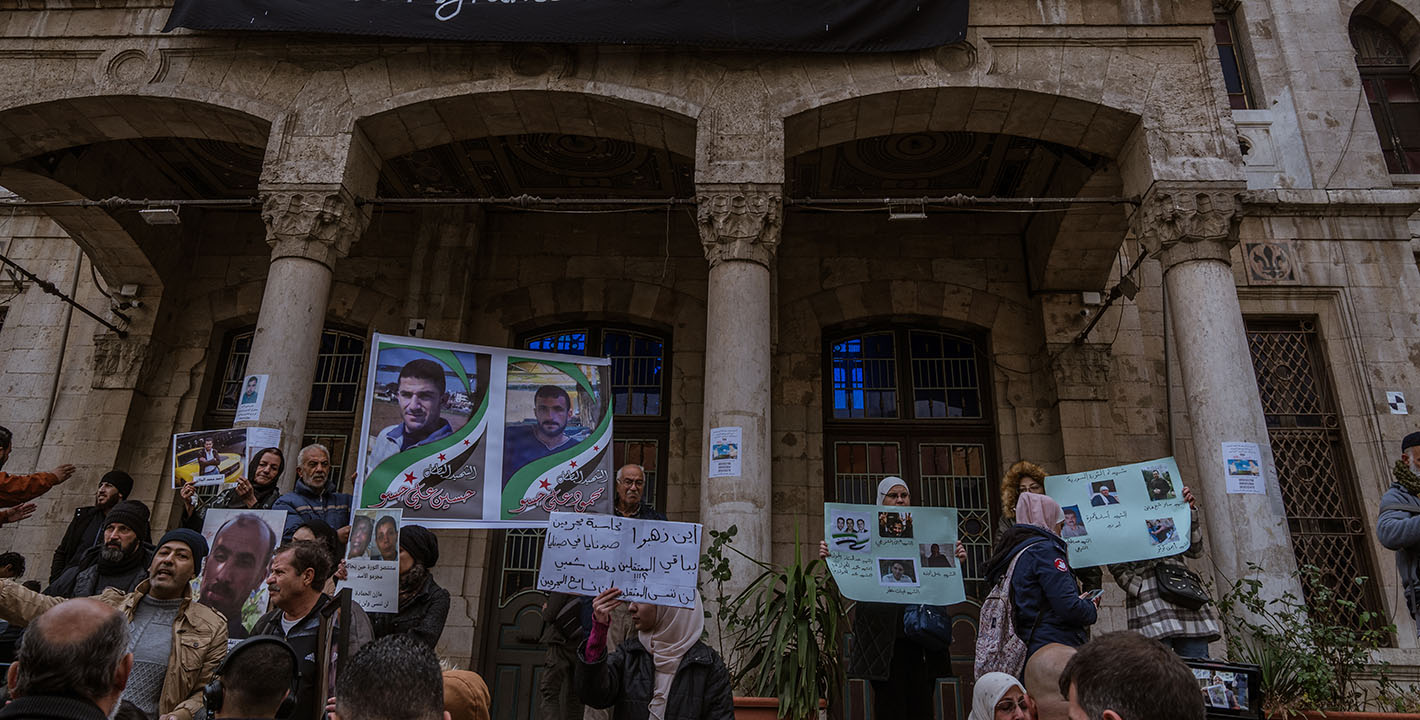
    Filling the Void as Syria’s Transitional Justice Stalls

    Reconciliation councils are emerging throughout the country to mediate in intracommunal disputes, many from the war years.

      Natacha Danon
  • Commentary
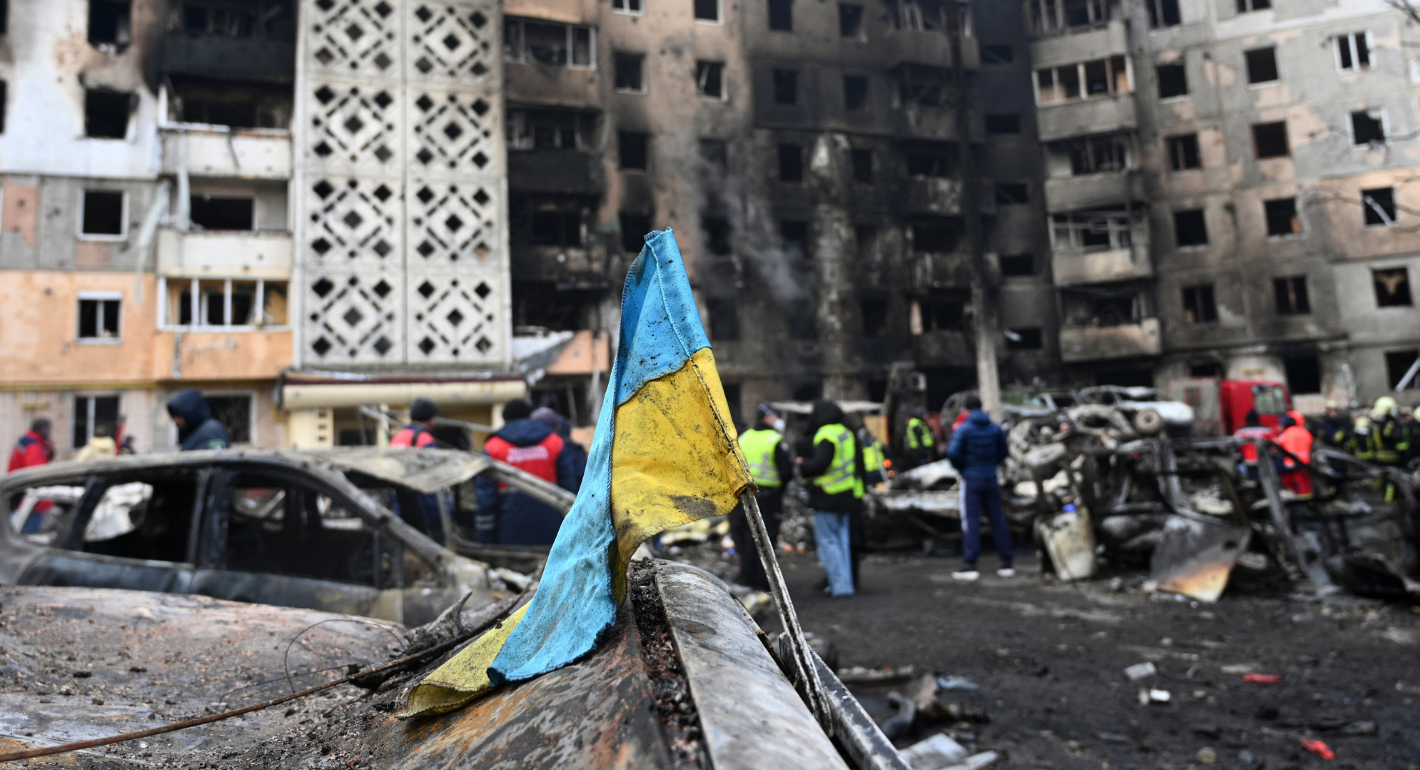
    Turning Russian Assets into Financing for Ukraine Now

    Funding Ukraine remains a priority for European leaders. As Russia’s war of aggression heads into another winter, two feasible options to mobilize support for Kyiv should be fast-tracked.
      Vladyslav Rashkovan, Gregory P. Wilson
  • Commentary
    Carnegie Politika
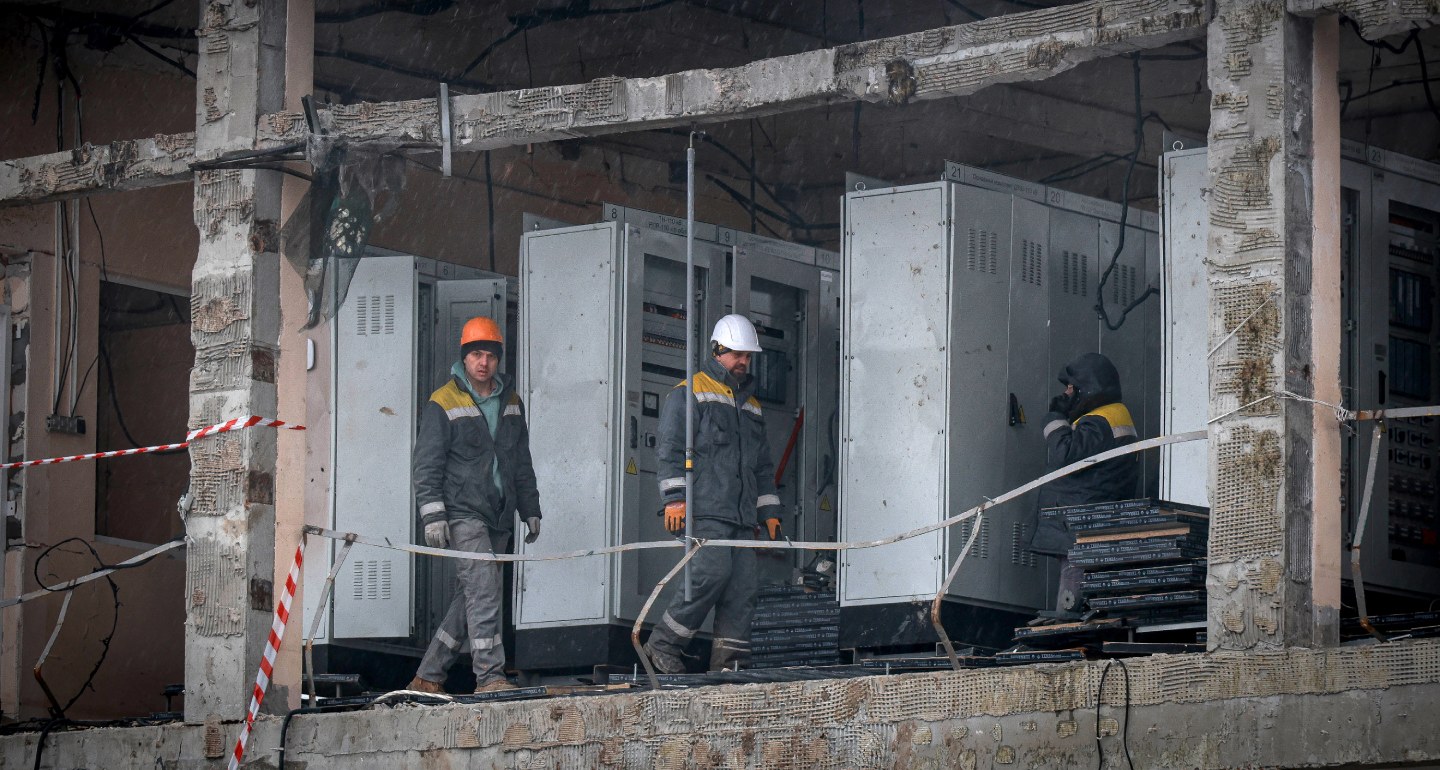
    Stalled at the Front, Russia Seeks to Undermine Ukraine’s Economic Capacity

    Russian strikes are weakening the economy sustaining Ukraine’s war effort. Closing the growing funding gap will require more European support and politically contentious reforms in Kyiv.
      Balázs Jarábik
  • Commentary
    Strategic Europe
    The EU’s Middle-Power Puzzle

    While the EU and European governments are embracing the much-lauded middle-power moment, this entails three difficult conundrums.
      Richard Youngs
  • Article
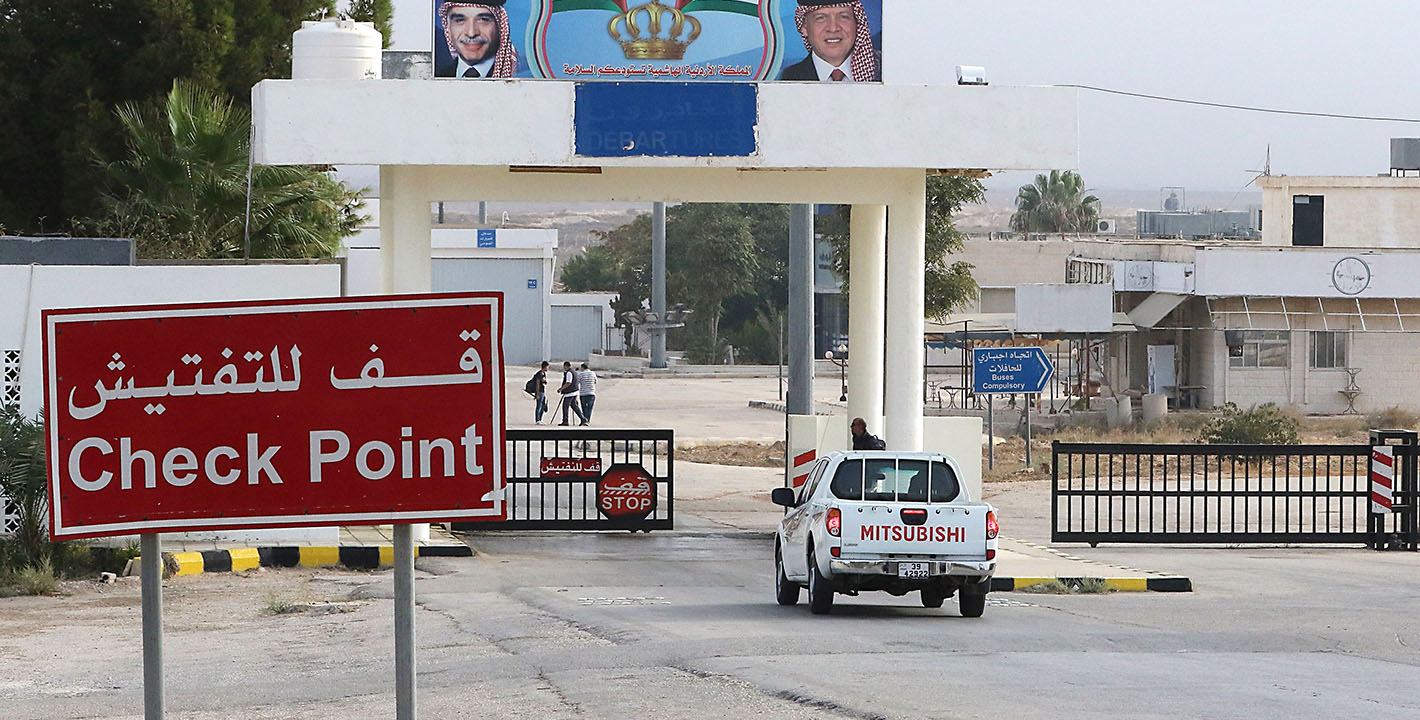
    Jordan’s Border Economy: Even Amid Transformation, the Drug Trade Endures

    The civil war in Syria may have ended, but the country continues to serve as a source for the trafficking of illegal substances into and via Jordanian territory.
      Armenak Tokmajyan, Laith Qerbaa

Get more news and analysis from
Carnegie Endowment for International Peace
Carnegie global logo, stacked
1779 Massachusetts Avenue NWWashington, DC, 20036-2103Phone: 202 483 7600
  • Research
  • Emissary
  • About
  • Experts
  • Donate
  • Programs
  • Events
  • Blogs
  • Podcasts
  • Contact
  • Annual Reports
  • Careers
  • Privacy
  • For Media
  • Government Resources
Get more news and analysis from
Carnegie Endowment for International Peace
© 2026 Carnegie Endowment for International Peace. All rights reserved.