

Commentary
From anime heroes to online gaming communities, Morocco’s Gen Z is building a new protest culture. What does this digital imagination reveal about youth politics, and how should institutions respond?
Abdelilah Farah
{
  "authors": [
    "Michael Meyer-Resende"
  ],
  "type": "commentary",
  "blog": "Sada",
  "centerAffiliationAll": "",
  "centers": [
    "Carnegie Endowment for International Peace"
  ],
  "collections": [],
  "englishNewsletterAll": "",
  "nonEnglishNewsletterAll": "",
  "primaryCenter": "Carnegie Endowment for International Peace",
  "programAffiliation": "",
  "programs": [],
  "projects": [],
  "regions": [
    "North Africa",
    "Morocco"
  ],
  "topics": [
    "Political Reform",
    "Democracy"
  ]
}

REQUIRED IMAGE
In looking at the September 2007 elections to Morocco’s lower house of parliament, foreign observers agreed on two principal conclusions: the elections were conducted freely and fairly, but the election system itself was unfair, not allowing the emergence of any strong party. But are these conclusions justified?
In looking at the September 2007 elections to Morocco’s lower house of parliament, foreign observers agreed on two principal conclusions: the elections were conducted freely and fairly, but the election system itself was unfair, not allowing the emergence of any strong party. But are these conclusions justified? Morocco’s elections are certainly more competitive and open than many other polls in the region and no party has alleged that the results were completely manipulated. There is a large area, however, between completely manipulated and genuinely democratic contestation—and the Moroccan elections fell somewhere in that gray zone.
Regarding the conduct of the elections, the preliminary findings by the National Democratic Institute (NDI) state that “overall, the voting went smoothly and was characterized by a spirit of transparency and professionalism.” Meanwhile the local observer network Collectif Associatif was more circumspect, voicing concerns about vote buying and bias among election officials in some cases. Several political parties also alleged vote buying and inaccurate counting and aggregation of results. Given these concerns, the question is how the Moroccan system deals with appeals. The NDI mission left shortly after election day and thus could not comment on counting, aggregation and publication of results, or complaints and appeals; the statement recognized that a final evaluation of the elections could only be made once all appeals have been dealt with. Some 400 appeals have been lodged with the Constitutional Council against results in specific electoral districts, sixteen of them by the largest opposition party, the Islamic Party of Justice and Development. Following the 2002 elections the Constitutional Council took two years to decide on election appeals. Such delays fail to provide an effective remedy, and elections without effective remedies suffer from a serious flaw.
When it comes to the electoral system, the conventional wisdom among journalists and scholars is that it is engineered to prevent any single political party from emerging with a majority. While it is true that there are many parties in the Moroccan Parliament and none holds more than 15 percent of the seats, this is not primarily an outcome of the election system. The fragmentation is primarily a reflection of the political landscape and voting results. In September’s elections no single party won more than 11 percent of the vote.
Morocco is divided into ninety-five electoral districts with two to five seats each. It is thus a proportional system with a very low district magnitude. Generally, small districts favor large parties. Where only two seats can be won, a small party stands little chance of winning one of them. The effects can be seen in the Moroccan elections; all large parties gained a higher share of seats than votes, as shown in Democracy Reporting International’s assessment of the elections. While such a system can result in the best-scoring party being checked by the second largest (but possibly much smaller) party, it can also result in a leading party sweeping the polls. Everything depends on local voting patterns. Thus in order for the Moroccan government to use this system in a manipulative way, it would need to have very accurate predictions of outcomes in each constituency and adjust the districts accordingly.
If it is not the proportional system, then it is the votes/seat allocation formula that observers often blame for the fragmentation of Morocco’s parliament. It is true that the method used in Morocco, which allocates leftover seats according to parties’ relative proportions of the vote, tends to favor smaller parties more than alternative methods do. Taken together, however, its various effects make the outcome more proportional, thereby balancing out the impact of low district magnitude, which tends to favor large parties, to some degree. Proportional election systems by definition do not easily allow one party to become overwhelmingly strong. In fact many people regard proportional election systems as more fair in terms of representation.
The fragmentation of Moroccan politics must therefore have causes other than the electoral system. There are many possibilities, including a history of royal intervention and royal creation of parties and the strong role of local notables, who often do not care under which party’s name they enter parliament. In retrospect, therefore, a second look at Morocco’s parliamentary elections shows that while the conduct of the elections was not as good as reported, the election system also is not as bad as is generally believed.
Michael Meyer-Resende is the coordinator of Democracy Reporting International (www.democracy-reporting.org).
Michael Meyer-Resende
Michael Meyer-Resende is the executive director at Democracy Reporting International.
Carnegie does not take institutional positions on public policy issues; the views represented herein are those of the author(s) and do not necessarily reflect the views of Carnegie, its staff, or its trustees.
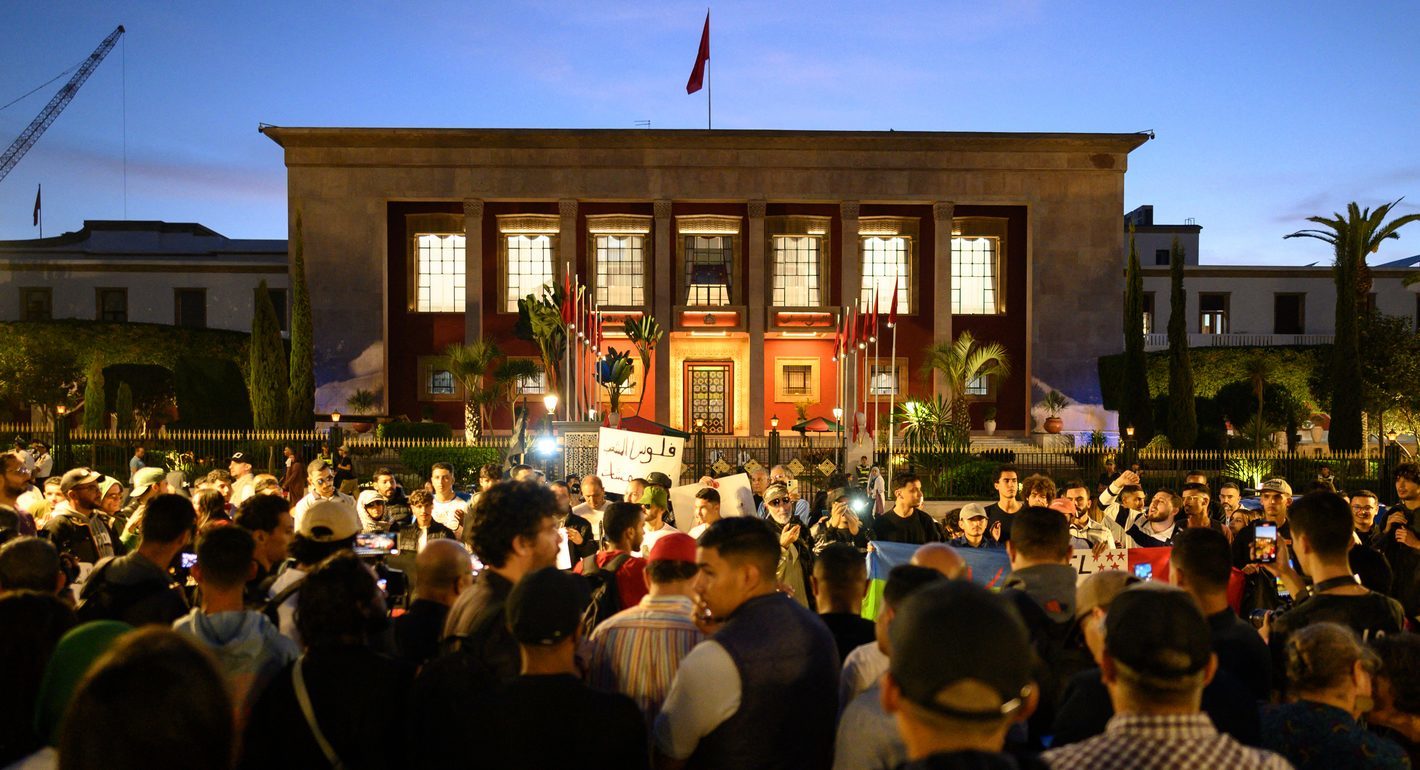
From anime heroes to online gaming communities, Morocco’s Gen Z is building a new protest culture. What does this digital imagination reveal about youth politics, and how should institutions respond?
Abdelilah Farah
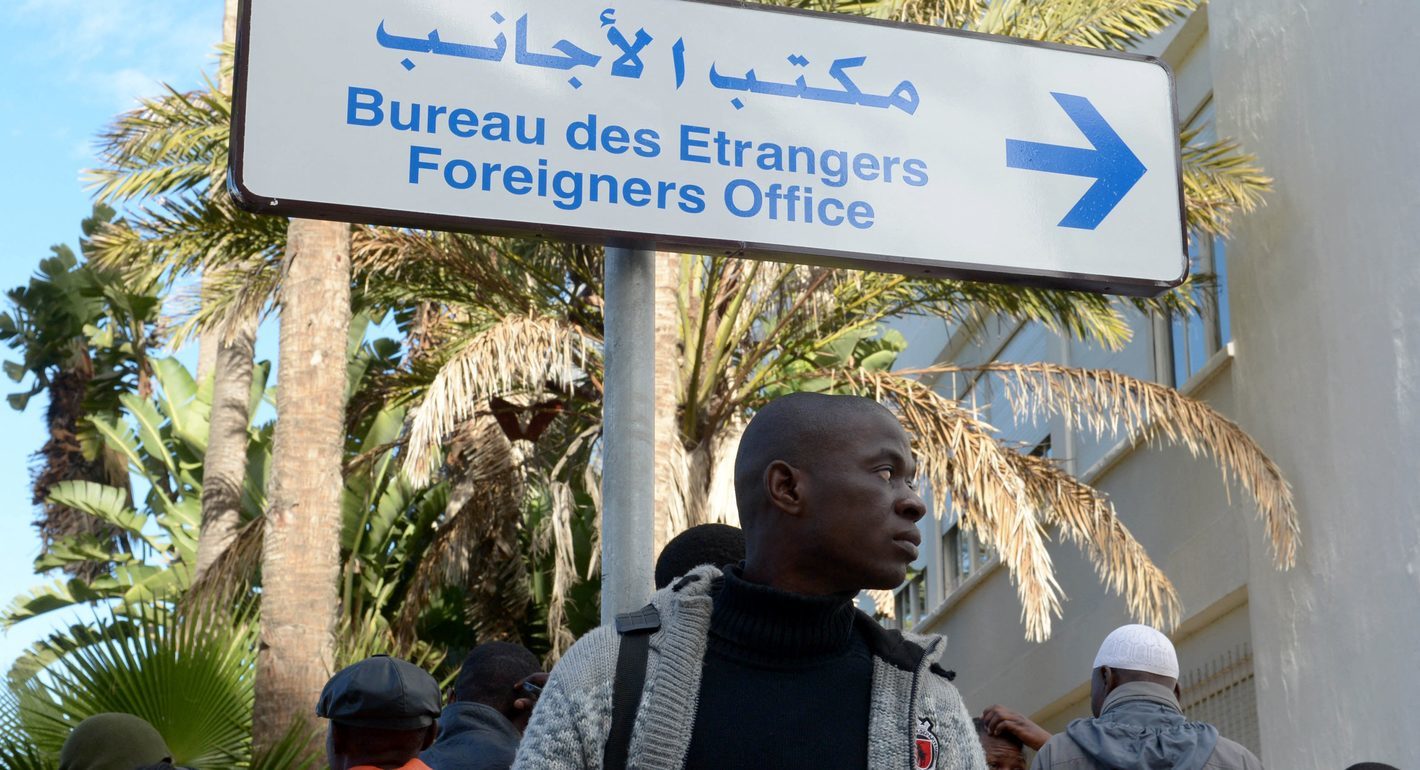
Is Morocco’s migration policy protecting Sub-Saharan African migrants or managing them for political and security ends? This article unpacks the gaps, the risks, and the paths toward real rights-based integration.
Soufiane Elgoumri
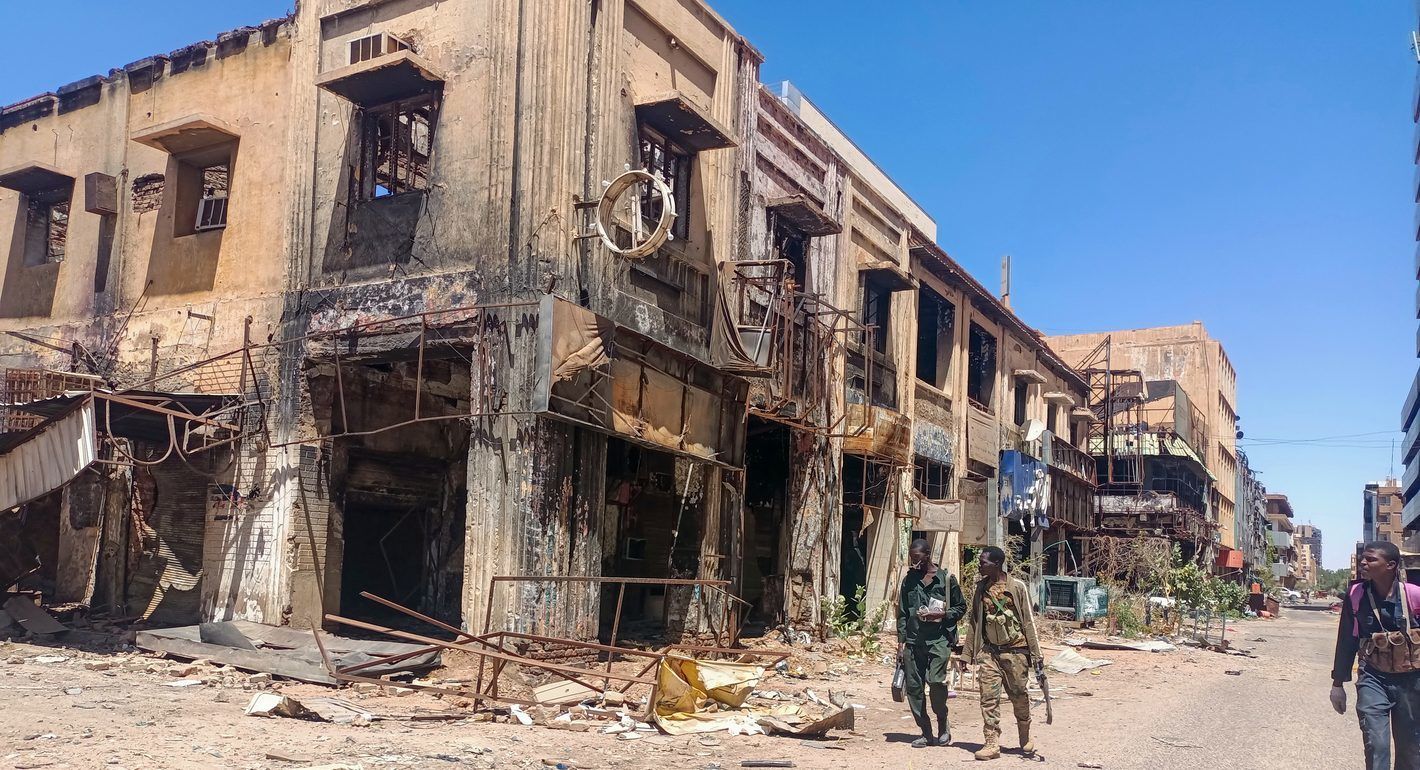
Hate speech has spread across Sudan and become a key factor in worsening the war between the army and the Rapid Support Forces. The article provides expert analysis and historical background to show how hateful rhetoric has fueled violence, justified atrocities, and weakened national unity, while also suggesting ways to counter it through justice, education, and promoting a culture of peace.
Samar Sulaiman
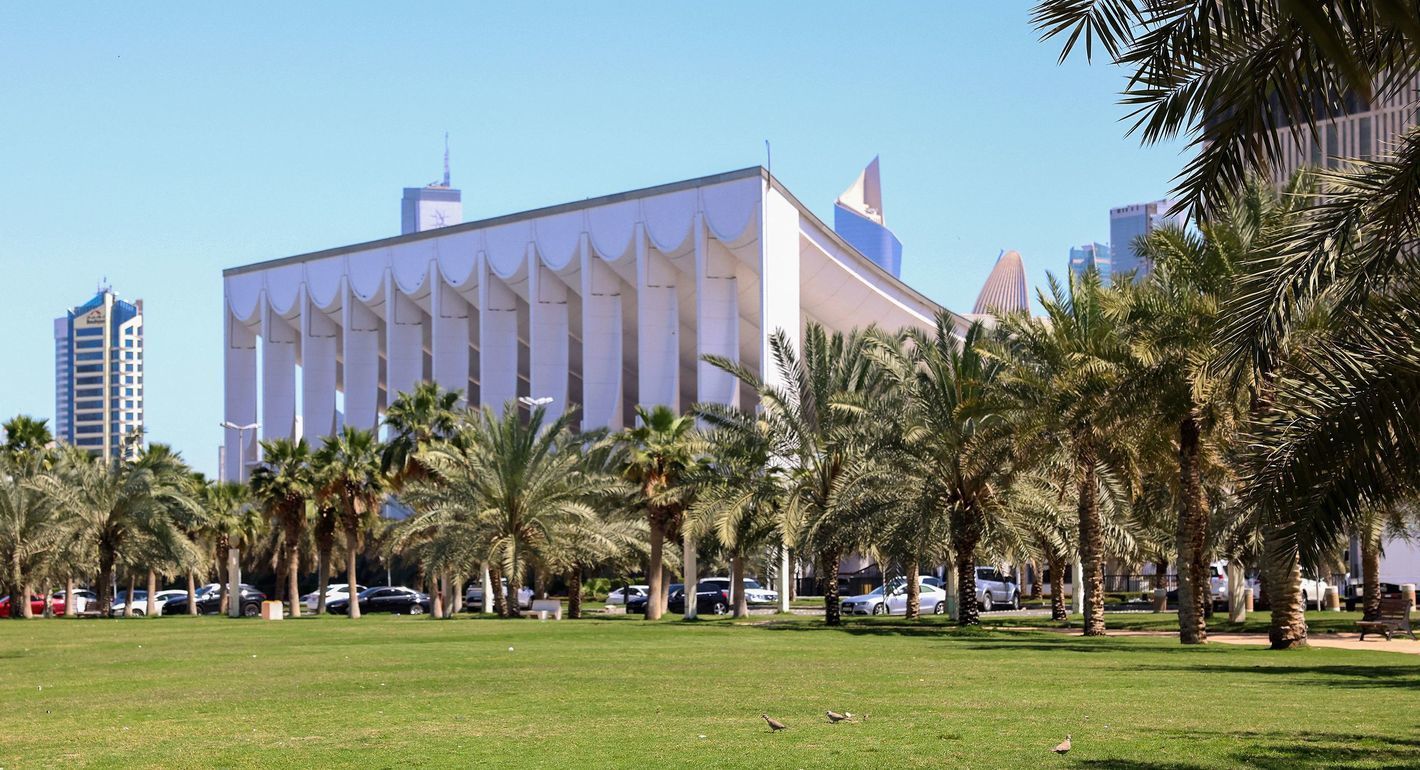
Kuwait’s government has repeatedly launched ambitious reforms under Kuwait Vision 2035, yet bureaucratic inefficiency, siloed institutions, and weak feedback mechanisms continue to stall progress. Adopting government analytics—real-time monitoring and evidence-based decision-making—can transform reform from repetitive announcements into measurable outcomes.
Dalal A. Marafie
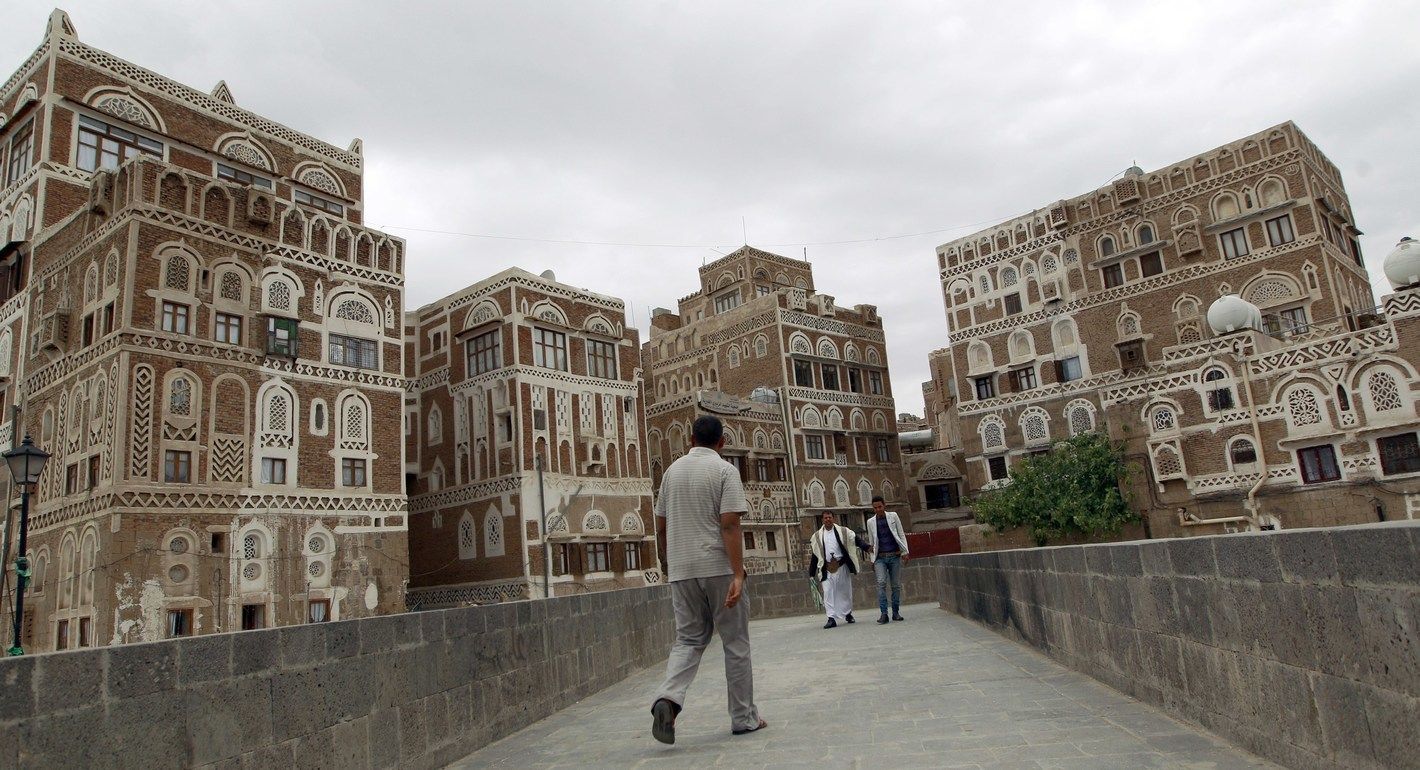
The chaos of street naming in Sana’a reflects the deep weakness of the Yemeni state and its failure to establish a unified urban identity, leaving residents to rely on informal, oral naming systems rooted in collective memory. This urban disorder is not merely a logistical problem but a symbolic struggle between state authority and local community identity.
Sarah Al-Kbat