


Commentary
From anime heroes to online gaming communities, Morocco’s Gen Z is building a new protest culture. What does this digital imagination reveal about youth politics, and how should institutions respond?
Abdelilah Farah
{
  "authors": [
    "Giacomo Luciani"
  ],
  "type": "commentary",
  "blog": "Sada",
  "centerAffiliationAll": "",
  "centers": [
    "Carnegie Endowment for International Peace"
  ],
  "collections": [],
  "englishNewsletterAll": "",
  "nonEnglishNewsletterAll": "",
  "primaryCenter": "Carnegie Endowment for International Peace",
  "programAffiliation": "",
  "programs": [],
  "projects": [],
  "regions": [
    "Middle East"
  ],
  "topics": [
    "Economy"
  ]
}

REQUIRED IMAGE
Do Arab governments deliberately announce misleading information about petroleum reserves, for political or economic reasons? One can only estimate, not truly measure, oil reserves in the ground, and reserve estimates can vary depending on the criteria adopted.
Do Arab governments deliberately announce misleading information about petroleum reserves, for political or economic reasons? One can only estimate, not truly measure, oil reserves in the ground, and reserve estimates can vary depending on the criteria adopted. A very conservative approach—one that is used by the U.S. Securities and Exchange Commission—includes only reserves that almost certainly exist and can be produced with current technology. The Society of Petroleum Engineers (SPE), on the other hand, advocates a probabilistic approach, classifying reserves by the probability that they are extractable: a 90 percent probability, a 50 percent probability, or a 10 percent probability.
Oil-producing countries publish estimates of their reserves without clearly stating the criteria used. This does not mean necessarily that such estimates are unrealistic, but simply that we do not know exactly what they mean and how they compare with other
| |||||||
In other cases, countries sometimes announce sudden increases in their reserve estimates, arousing suspicions as to whether such estimates are truly justified. Some countries have an interest in inflating their reserves in order to obtain larger production quotas from the Organization of Petroleum Exporting Countries (OPEC). OPEC quotas, however, have lost most of their importance in recent years, as some members are not able to fill their quotas and others exceed them. In any case, OPEC quotas are not necessarily proportional to reserves. Doubts about the true extent of reserves arise not only in international circles but also in domestic politics. In Kuwait, for example, the parliament has repeatedly asked in vain to be briefed about reserves, adding to suspicions about announced estimates.
One possible solution to the credibility problem would be for producing countries to have their reserves independently certified. Independent estimates do exist. Information Handling Services Energy Group (formerly Petroconsultant) maintains an extensive database and arrives at its own estimates of reserves, sometimes quite different from those published by the producing countries.
Ultimately, however, independent estimates are unlikely to be a panacea. Estimating reserves is an art, not a science, and it is based on information that the producer alone possesses. Any third party called to certify reserves inevitably depends on information received from the producer, and its experience of the field and operating conditions locally will, by definition, be inferior to that of the producer. Hence, any estimate provided by an independent party could be inferior to that offered by the producer.
In the end, the importance of reserve numbers is probably exaggerated. They are useful as a broad measure of the potential and significance of each country in the international oil arena, but the pecking order is unlikely to change much.
Do reserve estimates influence a country’s production policy? It is at best a tenuous link; producing countries consider changing their economic policies, such as opening doors to international investment and diversifying their economies more aggressively, if their production starts declining. Production levels will be influenced more by the perceived convenience of producing more today and less in the future than by measures of reserves. High oil prices should justify increases in the estimates of reserves (marginal oil that was not recoverable under low prices becomes so), and at the same time they discourage higher production, either through deliberate shut in, or, more likely, through the adoption of policies that result in lower production. The only matter that can be predicted easily is that disputes and debates about reserve estimates will continue until the last drop of oil is extracted.
Giacomo Luciani is Director of the Gulf Research Center (GRC) in Geneva.
Giacomo Luciani
Carnegie does not take institutional positions on public policy issues; the views represented herein are those of the author(s) and do not necessarily reflect the views of Carnegie, its staff, or its trustees.
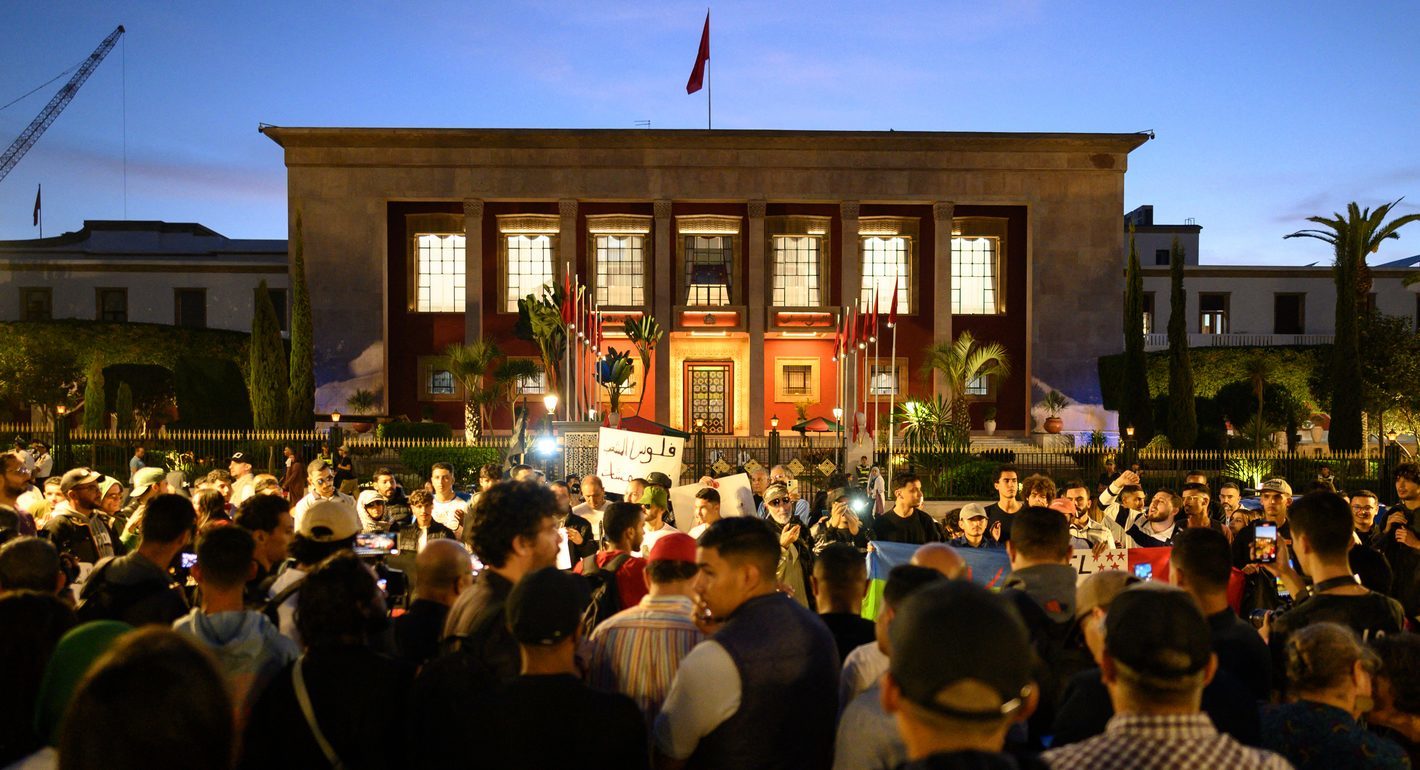
From anime heroes to online gaming communities, Morocco’s Gen Z is building a new protest culture. What does this digital imagination reveal about youth politics, and how should institutions respond?
Abdelilah Farah
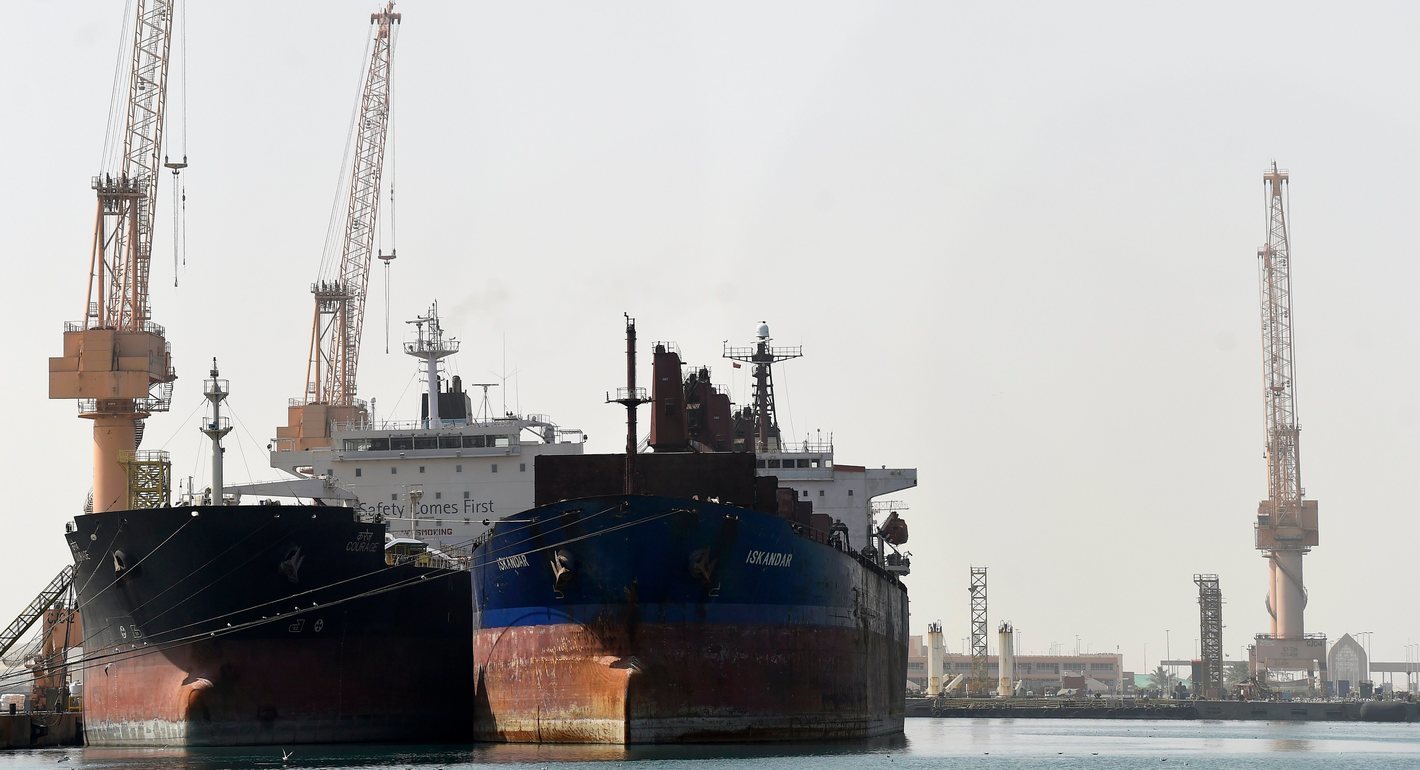
In a volatile Middle East, the Omani port of Duqm offers stability, neutrality, and opportunity. Could this hidden port become the ultimate safe harbor for global trade?
Giorgio Cafiero, Samuel Ramani
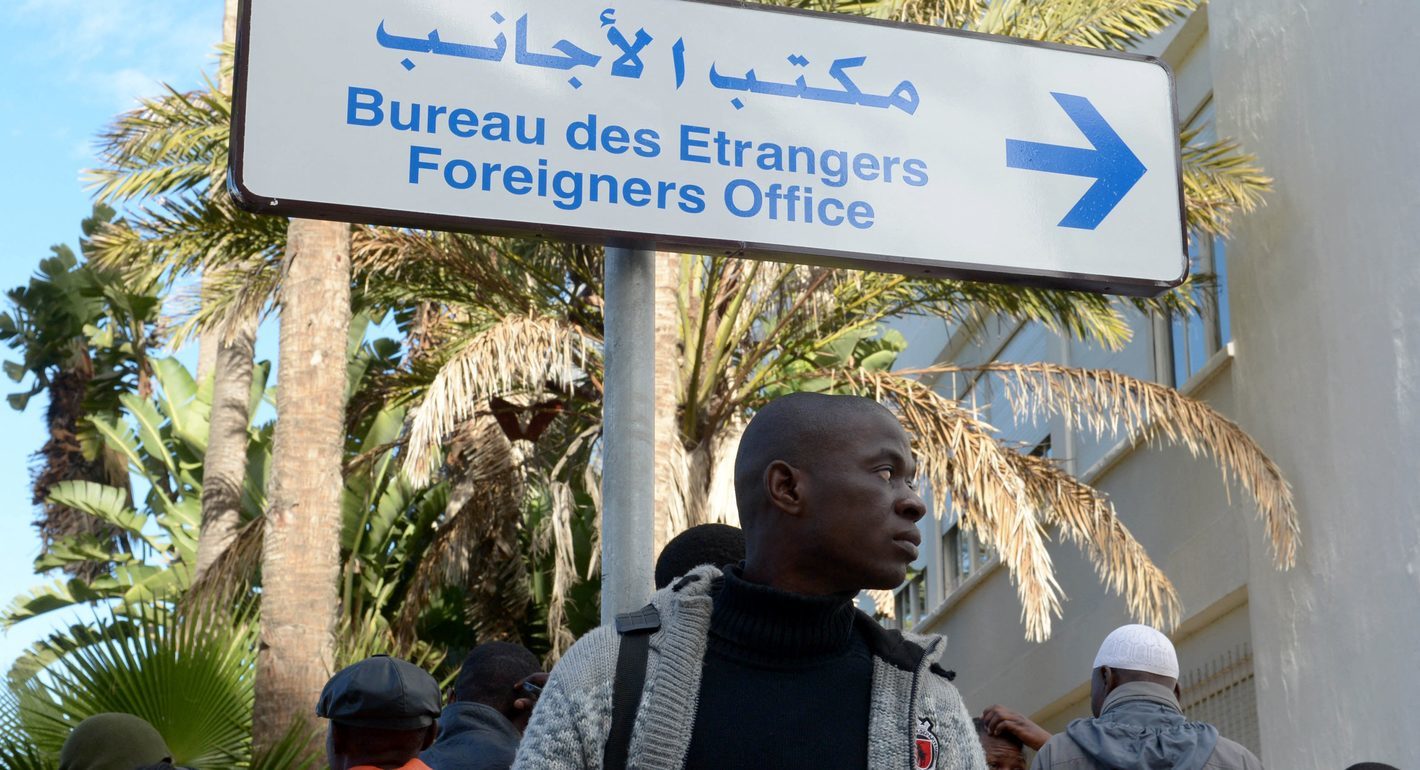
Is Morocco’s migration policy protecting Sub-Saharan African migrants or managing them for political and security ends? This article unpacks the gaps, the risks, and the paths toward real rights-based integration.
Soufiane Elgoumri
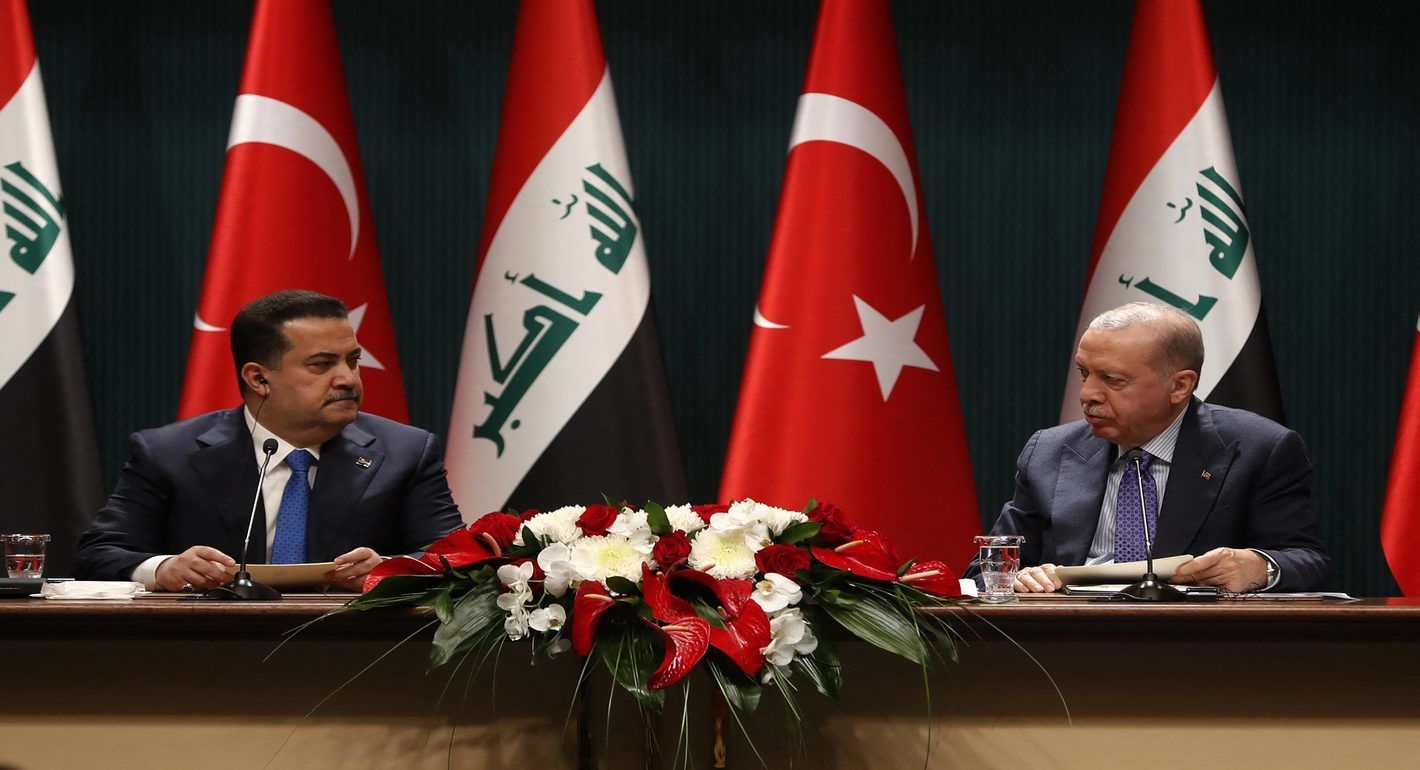
Iraq’s foreign policy is being shaped by its own internal battles—fractured elites, competing militias, and a state struggling to speak with one voice. The article asks: How do these divisions affect Iraq’s ability to balance between the U.S. and Iran? Can Baghdad use its “good neighbor” approach to reduce regional tensions? And what will it take for Iraq to turn regional investments into real stability at home? It explores potential solutions, including strengthening state institutions, curbing rogue militias, improving governance, and using regional partnerships to address core economic and security weaknesses so Iraq can finally build a unified and sustainable foreign policy.
Mike Fleet
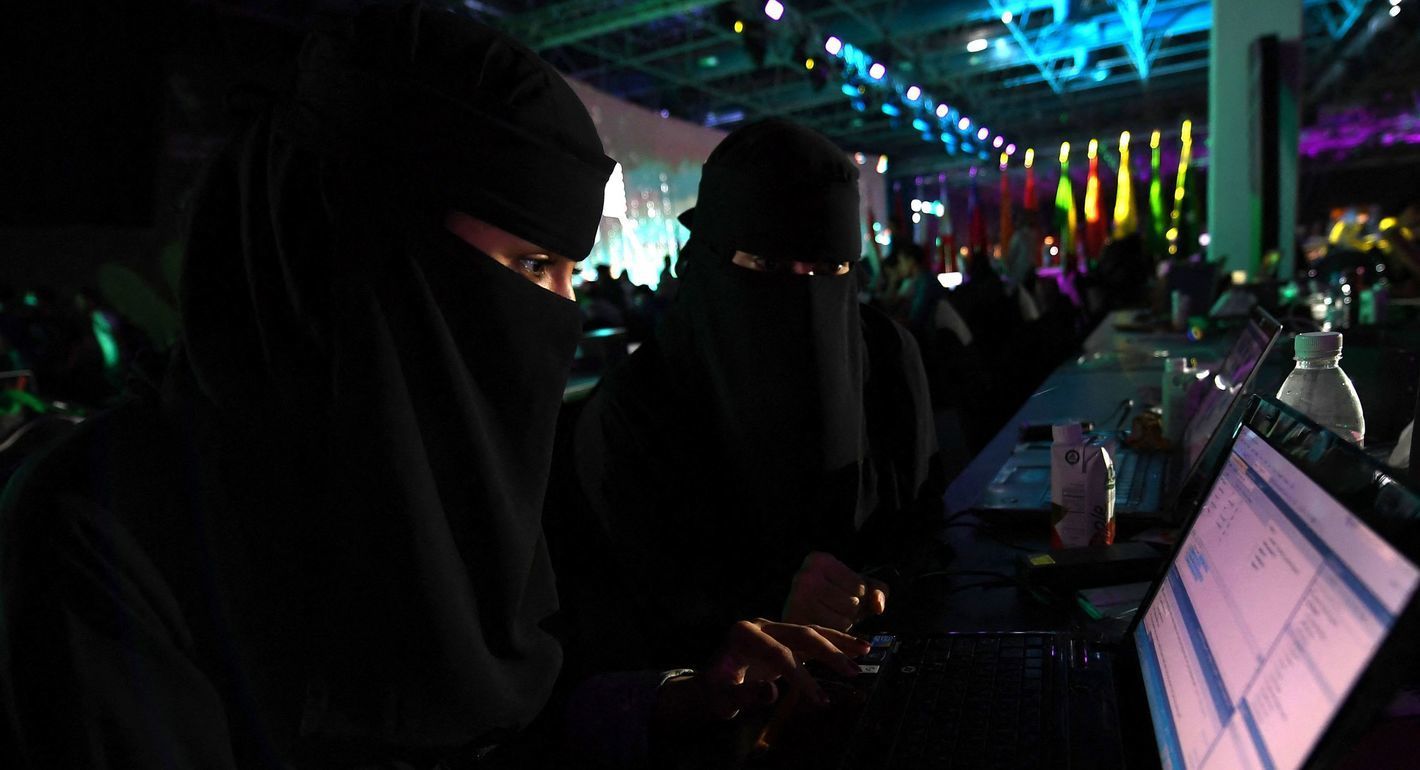
How can Saudi Arabia turn its booming e-commerce sector into a real engine of economic empowerment for women amid persistent gaps in capital access, digital training, and workplace inclusion? This piece explores the policy fixes, from data-center integration to gender-responsive regulation, that could unlock women’s full potential in the kingdom’s digital economy.
Hannan Hussain