

Commentary
From anime heroes to online gaming communities, Morocco’s Gen Z is building a new protest culture. What does this digital imagination reveal about youth politics, and how should institutions respond?
Abdelilah Farah
{
  "authors": [
    "Gareth Stansfield"
  ],
  "type": "commentary",
  "blog": "Sada",
  "centerAffiliationAll": "",
  "centers": [
    "Carnegie Endowment for International Peace"
  ],
  "collections": [],
  "englishNewsletterAll": "",
  "nonEnglishNewsletterAll": "",
  "primaryCenter": "Carnegie Endowment for International Peace",
  "programAffiliation": "",
  "programs": [],
  "projects": [],
  "regions": [
    "Iraq",
    "Middle East"
  ],
  "topics": [
    "Political Reform"
  ]
}

REQUIRED IMAGE
After months of negotiations, Nechirvan Barzani announced the formation of a unified Kurdistan Regional Government in Irbil on May 7, two weeks ahead of the announcement by Iraqi Prime Minister Nuri Al Maliki that a government for Iraq had been formed. While the world's media remained focused on Baghdad, it largely overlooked the significance of the events in the capital of the Kurdistan region.
After months of negotiations, Nechirvan Barzani announced the formation of a unified Kurdistan Regional Government (KRG) in Irbil on May 7, two weeks ahead of the announcement by Iraqi Prime Minister Nuri Al Maliki that a government for Iraq had been formed. While the world's media remained focused on Baghdad, it largely overlooked the significance of the events in the capital of the Kurdistan region of Iraq.
The KRG is already the preeminent governmental authority in Kurdistan-Iraq, with Baghdad's influence being non-existent. Unifying the Kurdistan region is also a powerful symbolic act that may serve to enhance the legitimacy of Kurdish politicians in Iraq as they negotiate their people's future with their Arab counterparts in Baghdad.
But there are of course problems facing Barzani and his new cabinet. The first is the rivalry between the KRG's two most important participants: the Kurdistan Democratic Party (KDP), led by Nechirvan's uncle Massoud Barzani; and the Patriotic Union of Kurdistan (PUK), led by current President of Iraq Jalal Talabani.
The second problem is the dissatisfaction of many Kurds with the performance of the KRG to date. Accusations of corruption are rife, but so too is the popular belief that the leaders of the KDP and PUK are betraying their support base by making too many compromises in Baghdad rather than advancing Kurdish demands more forcefully. Both dynamics are opening a political space into which Islamist movements on the one hand, and ultra-nationalist groupings on the other, have emerged.
The third problem relates to the Iraqi Constitution passed in October 2005, which envisages a federal structure for the state that devolves significant powers to the regions. There remain several points of contention related to the relationship between Kurdistan and the central government. These include the ownership of natural resources and control of revenues accruing from them; the security responsibilities of the Kurdistan Army (the peshmerga) and, perhaps most saliently, the precise location of the boundary of the Kurdistan Region and the status of sensitive disputed territories, including Sinjar, Makhmur, and Kirkuk.
Many of the current challenges can be traced to the division of the KRG into two entities from 1994 onwards. Political competition between KDP and PUK leaders, an unworkable power-sharing system, and the destabilizing actions of neighboring states combined to push the KDP and PUK into a conflict that came to a draw in 1997. From this point on, Kurdistan's political geography stabilized into two distinct regions: one dominated by the KDP and covering Irbil and Dohuk; the other presided over by the PUK and including Suleimaniyah and the territories of Kirkuk outside the control of the Iraqi government. New KRGs were established in each region, with the result that Kurdistan had two cabinets, two prime ministers, two sets of legislative procedures—in effect, two administrative systems.
The United States applied pressure to unify these two administrations, leading to the Washington Agreement of 1998, but the matter became urgent only following Saddam Hussein's downfall in 2003. Since then the two Kurdish groups have agreed on the duration of Nechirvan Barzani's tenure as Prime Minister (ending December 2007) and the need to promote a transparent approach to government. In terms of ministerial distribution, the KDP heads 13 ministries and the PUK 14. Three ministerial portfolios are held by the Islamic Union and the Islamic Group, with Assyrian and Turkmen parties each having one ministry in a bid to show the inclusion of minority communities. Still, it is apparent that there is some way to go in the building of trust between the KDP and PUK. Sensitive ministerial portfolios, such as peshmerga (defense) and finance, remain double-staffed in Irbil and Suleimaniyah.
The vestiges of two de facto Kurdish statelets are numerous, leading to several structural problems that Barzani needs to manage by a process of extensive reform. These include a grossly overstaffed civil service, conflicting legislation in key areas such as personal status laws and foreign investment codes, and different cultural practices between civil servants from Irbil and Suleimaniyah.
In dealing with these challenges, Barzani must show that the unified KRG is not simply an extension of the KDP and PUK but rather is acting in the interests of the people of Kurdistan overall. By achieving this, the KDP and PUK will remain the leading popular political forces in Kurdistan-Iraq. If they fail, they will be increasingly challenged by Islamist movements, ultra-nationalist secessionists, and the Kurdistan region will again fall prey to the meddling of its neighbors.
Gareth Stansfield is Reader in Middle East Politics at the University of Exeter and an Associate Fellow of Chatham House. He has been a regular visitor to Kurdistan since 2003, undertaking research funded by a United States Institute of Peace grant.
Gareth Stansfield
Carnegie does not take institutional positions on public policy issues; the views represented herein are those of the author(s) and do not necessarily reflect the views of Carnegie, its staff, or its trustees.
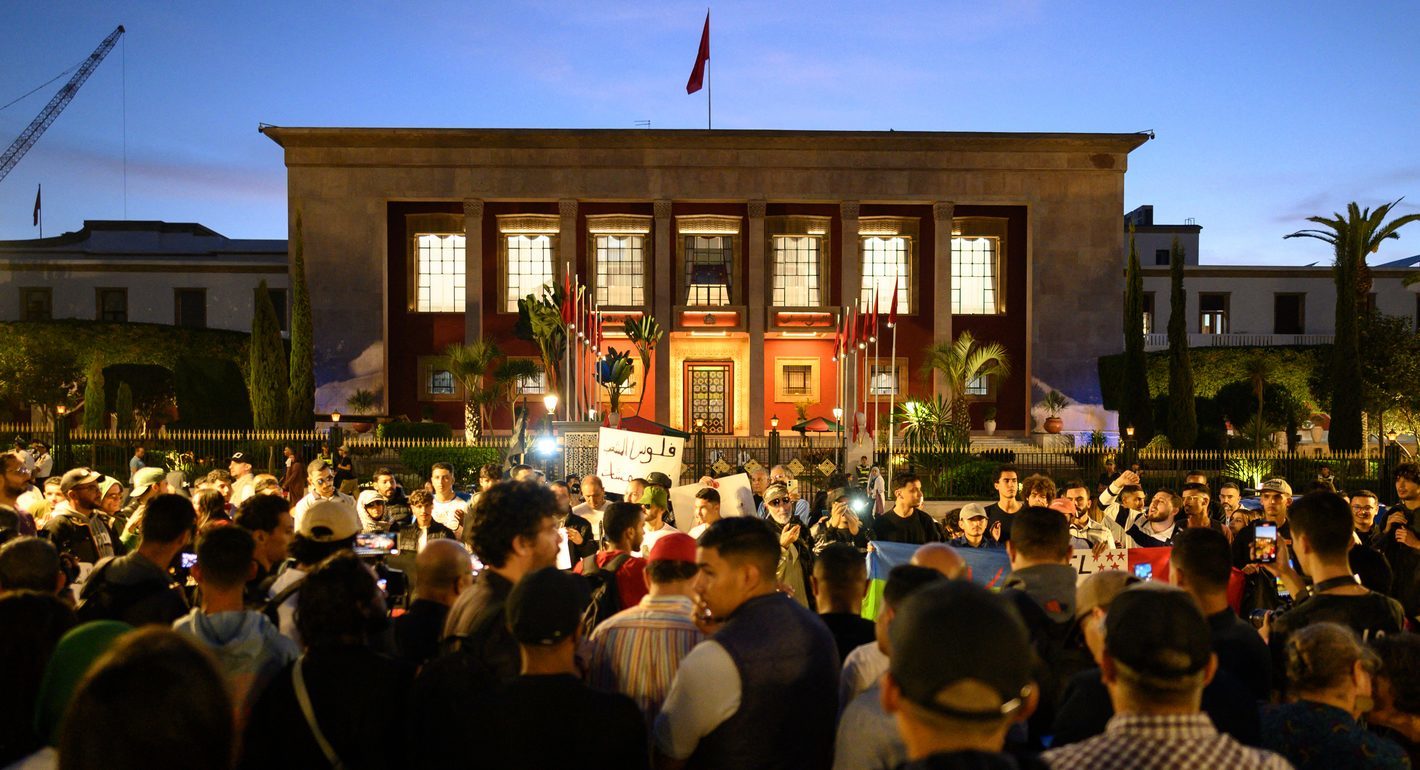
From anime heroes to online gaming communities, Morocco’s Gen Z is building a new protest culture. What does this digital imagination reveal about youth politics, and how should institutions respond?
Abdelilah Farah
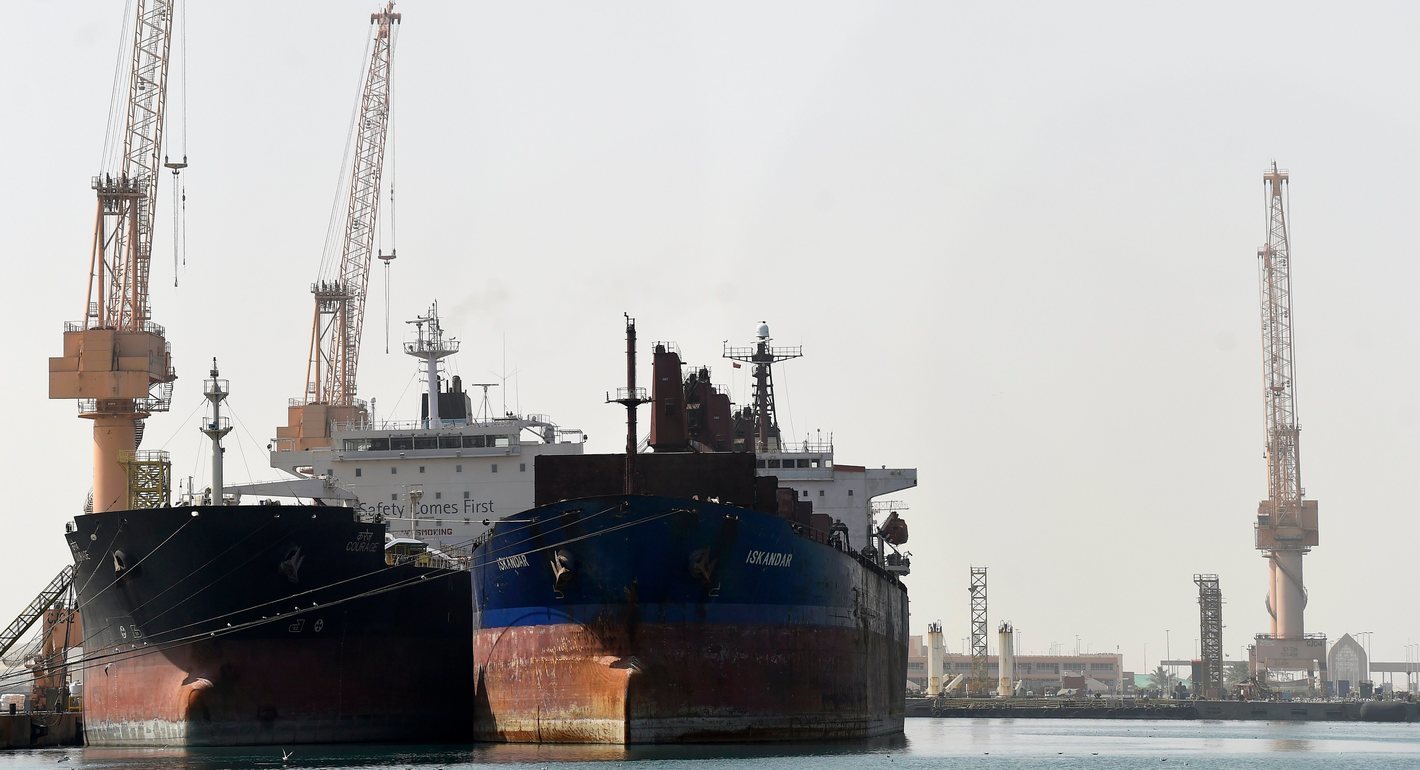
In a volatile Middle East, the Omani port of Duqm offers stability, neutrality, and opportunity. Could this hidden port become the ultimate safe harbor for global trade?
Giorgio Cafiero, Samuel Ramani
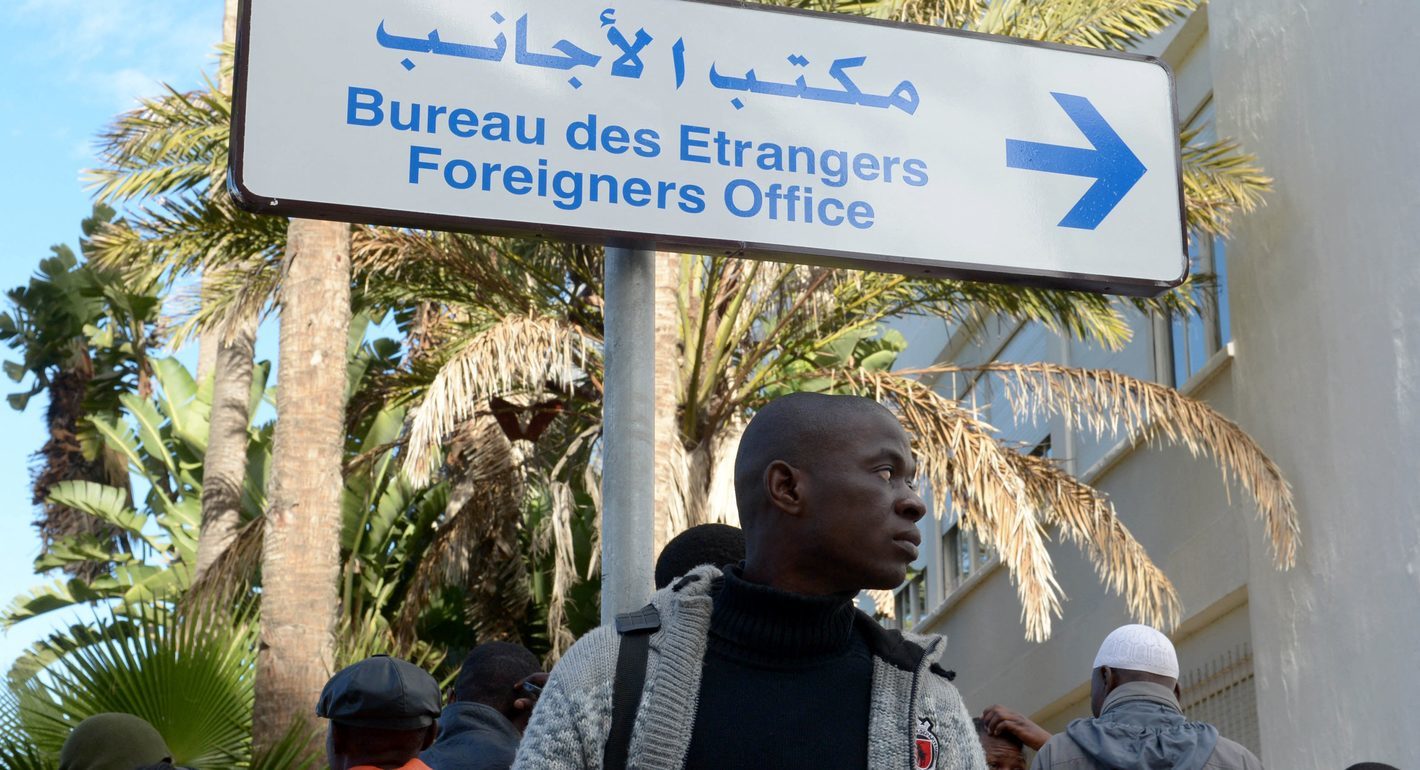
Is Morocco’s migration policy protecting Sub-Saharan African migrants or managing them for political and security ends? This article unpacks the gaps, the risks, and the paths toward real rights-based integration.
Soufiane Elgoumri
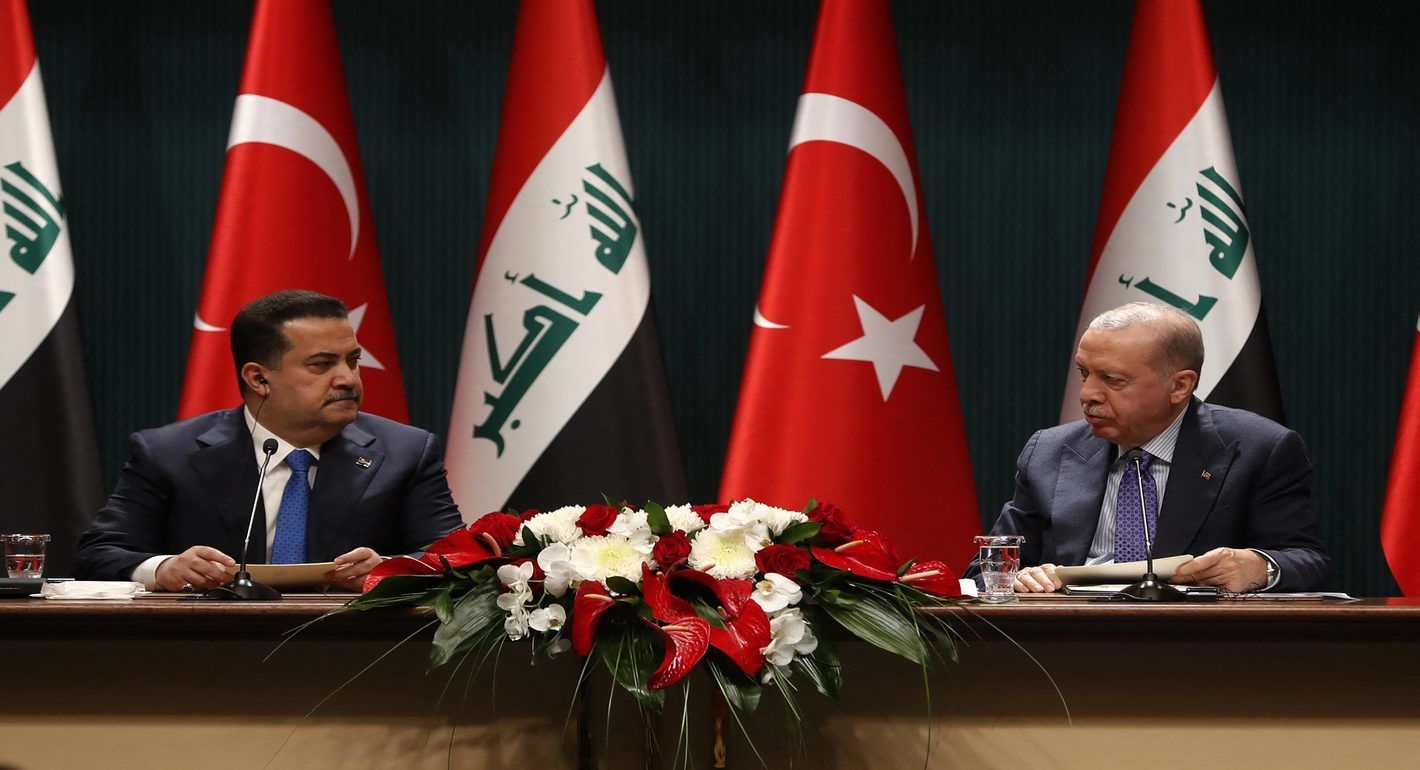
Iraq’s foreign policy is being shaped by its own internal battles—fractured elites, competing militias, and a state struggling to speak with one voice. The article asks: How do these divisions affect Iraq’s ability to balance between the U.S. and Iran? Can Baghdad use its “good neighbor” approach to reduce regional tensions? And what will it take for Iraq to turn regional investments into real stability at home? It explores potential solutions, including strengthening state institutions, curbing rogue militias, improving governance, and using regional partnerships to address core economic and security weaknesses so Iraq can finally build a unified and sustainable foreign policy.
Mike Fleet
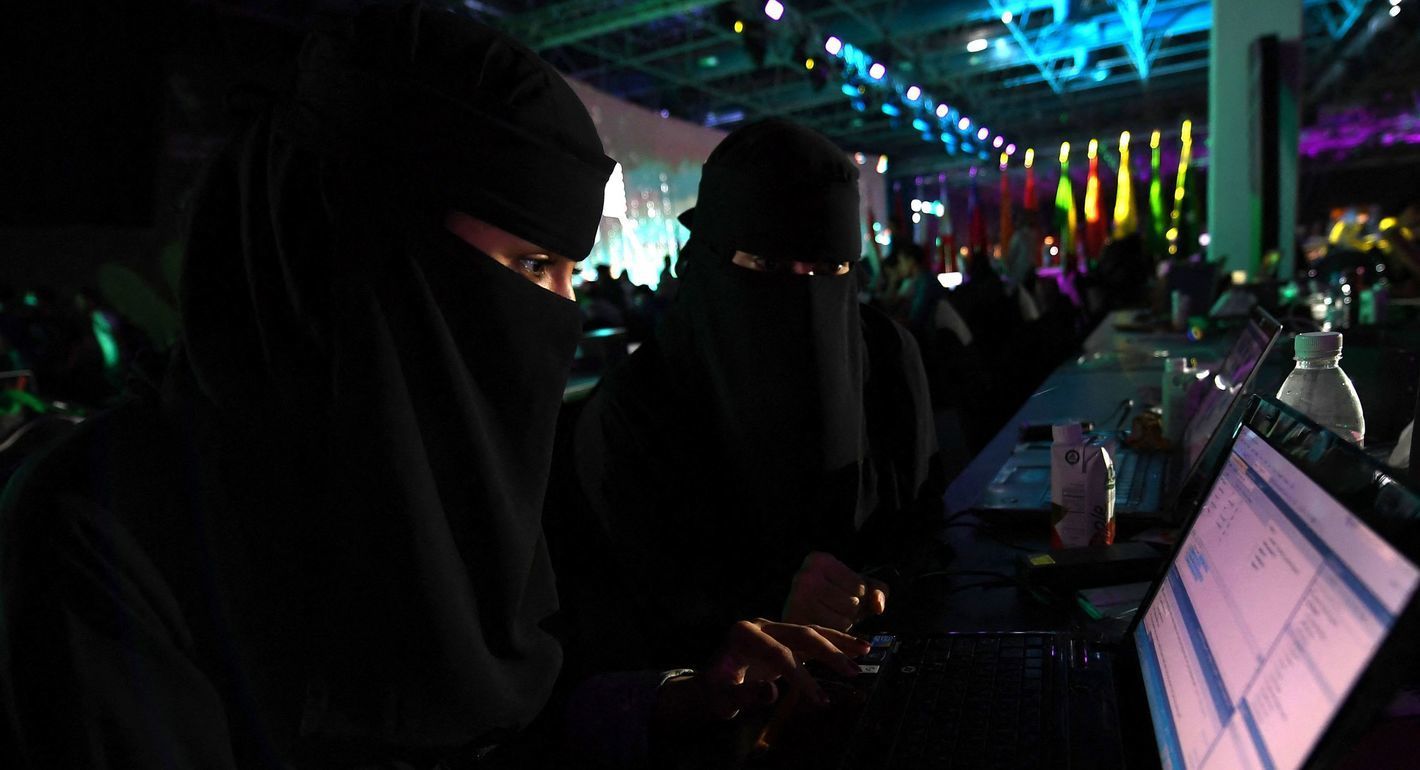
How can Saudi Arabia turn its booming e-commerce sector into a real engine of economic empowerment for women amid persistent gaps in capital access, digital training, and workplace inclusion? This piece explores the policy fixes, from data-center integration to gender-responsive regulation, that could unlock women’s full potential in the kingdom’s digital economy.
Hannan Hussain