

Commentary
From anime heroes to online gaming communities, Morocco’s Gen Z is building a new protest culture. What does this digital imagination reveal about youth politics, and how should institutions respond?
Abdelilah Farah
{
  "authors": [
    "Hossam Ezzedine"
  ],
  "type": "commentary",
  "blog": "Sada",
  "centerAffiliationAll": "",
  "centers": [
    "Carnegie Endowment for International Peace"
  ],
  "collections": [],
  "englishNewsletterAll": "",
  "nonEnglishNewsletterAll": "",
  "primaryCenter": "Carnegie Endowment for International Peace",
  "programAffiliation": "",
  "programs": [],
  "projects": [],
  "regions": [
    "Palestine",
    "Middle East"
  ],
  "topics": [
    "Political Reform"
  ]
}

REQUIRED IMAGE
Palestinians have been hoping that Hamas and Fatah will live up to their announced agreement that the government of national unity under formation would not concern itself with negotiations with Israel, which were supposed to remain the purview of President Mahmoud Abbas in his capacity as leader of the Palestine Liberation Organization (PLO).
Palestinians have been hoping that Hamas and Fatah will live up to their announced agreement that the government of national unity under formation would not concern itself with negotiations with Israel, which were supposed to remain the purview of President Mahmoud Abbas in his capacity as leader of the Palestine Liberation Organization (PLO). The politicized way in which the new government is taking shape, however, and the fact that Prime Minister Ismail Haniyya is meeting with all Palestinian factions, indicate that these hopes will be disappointed. Haniyya's government will not differ significantly from the age-old pattern relied upon by the PLO in distributing portfolios on a factional basis. Thus it is likely that the new government—like its predecessors—will lack professionalism in providing services to the Palestinian people as well as representation based in electoral politics.
In parliamentary democracies, governments are typically formed based on the parliamentary representation of each party. This stems from the belief that those who have obtained parliamentary seats did so by democratic means, relying on the electorate over which that government will rule. Of the 13 Palestinian political factions, only five gained seats in the Palestinian Legislative Council (PLC) elected in 2006. They are: Hamas (74 seats and four additional belonging to independents supported by Hamas); Fatah (45 seats); the Popular Front for the Liberation of Palestine (3 seats); an alliance composed of the Democratic Front for the Liberation of Palestine, the People's Party and the Democratic Union (2 seats), the Third Way (2 seats, occupied by liberals Salam Fayyad and Hanan Ashrawi), and Independent Palestine (2 seats, including former presidential candidate Mustafa Barghouti).
If Hamas and Fatah indeed have agreed to leave negotiations with Israel to the PLO and to task the new government only with the internal situation, then the Prime Minister should only discuss governmental formation with parties represented in the PLC, as they were chosen by the Palestinian electorate. Haniyya, however, has approached Islamic Jihad, which boycotted the legislative elections. He has also held talks with factions lacking the necessary popular support to win seats in the Council.
Furthermore, members of the parties represented in the PLC have been negotiating cabinet seats on an individual basis rather than as representatives of their parliamentary blocs.
If Hamas and Fatah are unable to distribute portfolios according to parliamentary representation, then at least they should choose technocrats with the ability to govern effectively. Hamas did make an important concession in this direction by ceding the Finance Ministry—one of the most sensitive posts in any government—to technocrat Dr. Salam Fayyad, as part of an effort to court the United States and Israel. This was a significant step for Hamas, which had previously held that the Finance Ministry must remain in the hands of the PLC's largest party.
Neither the proposed Finance Minister (Salam Fayyad, both a technocrat and an independent MP) nor the proposed Foreign Minister (independent MP Ziyad Abu Amr) will be able to work professionally and without constraints if the formation of the government is dependent on the principle of factional representation. Any factional dispute that occurs in the future, especially between Hamas and Fatah, will be a knife at the throats of the finance and foreign ministers as well as at any members of the government who attempt to work independently, which might well lead them to abandon professionalism in order to survive.
Independents in the PLC are calling for a government of technocrats, which will be protected to some extent from the political contention that is sure to occur. The first crisis this government will face is Israel 's continued detention of thirty-nine PLC deputies, thirty-five of them from Hamas. As a result of these detentions, Hamas has temporarily lost its PLC majority to the benefit of Fatah and other blocs, which is likely to result in Hamas obstructionism. Hamas is likely to prevent a PLC session to approve the new government if Hamas deputies remain in detention, fearing the passage of motions they oppose.
On March 7—dubbed “Democracy Day” by the PLC—the Council ended its first session and was to have begun a new one, which would require new elections for PLC leadership. Hamas would have subverted this process, however, as it fears losing leadership of the PLC while its deputies are in Israeli jails. To overcome this hurdle, Hamas and Fatah agreed to postpone the PLC's second session for forty days. This decision, which violated standard parliamentary procedures, proves that factionalism and not professionalism is still the name of the game in Palestinian legislative politics.
Hossam Ezzedine is a Palestinian journalist for the newspaper Al Ayyam. He has covered the Palestinian Legislative Council since 1996. This article was translated from Arabic by Kevin Burnham.
Hossam Ezzedine
Carnegie does not take institutional positions on public policy issues; the views represented herein are those of the author(s) and do not necessarily reflect the views of Carnegie, its staff, or its trustees.
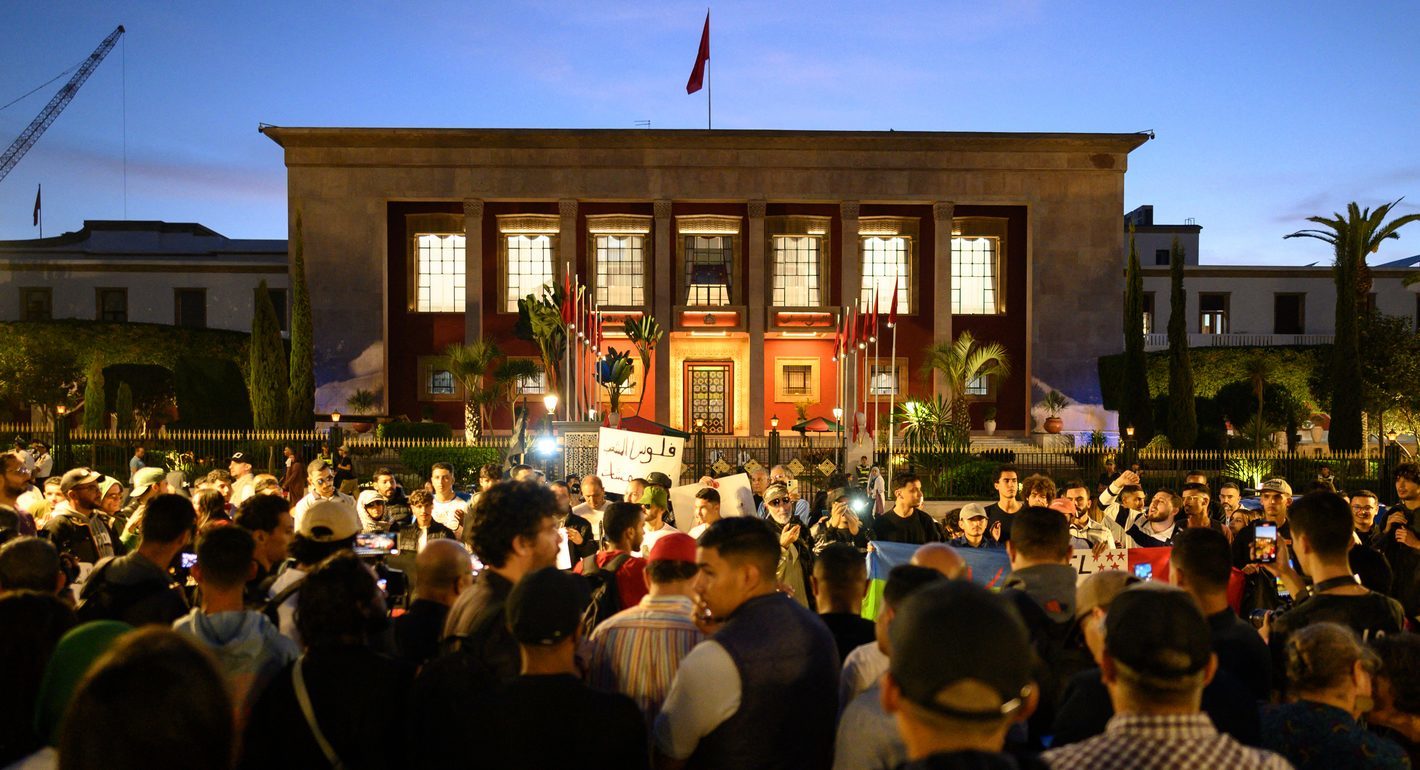
From anime heroes to online gaming communities, Morocco’s Gen Z is building a new protest culture. What does this digital imagination reveal about youth politics, and how should institutions respond?
Abdelilah Farah
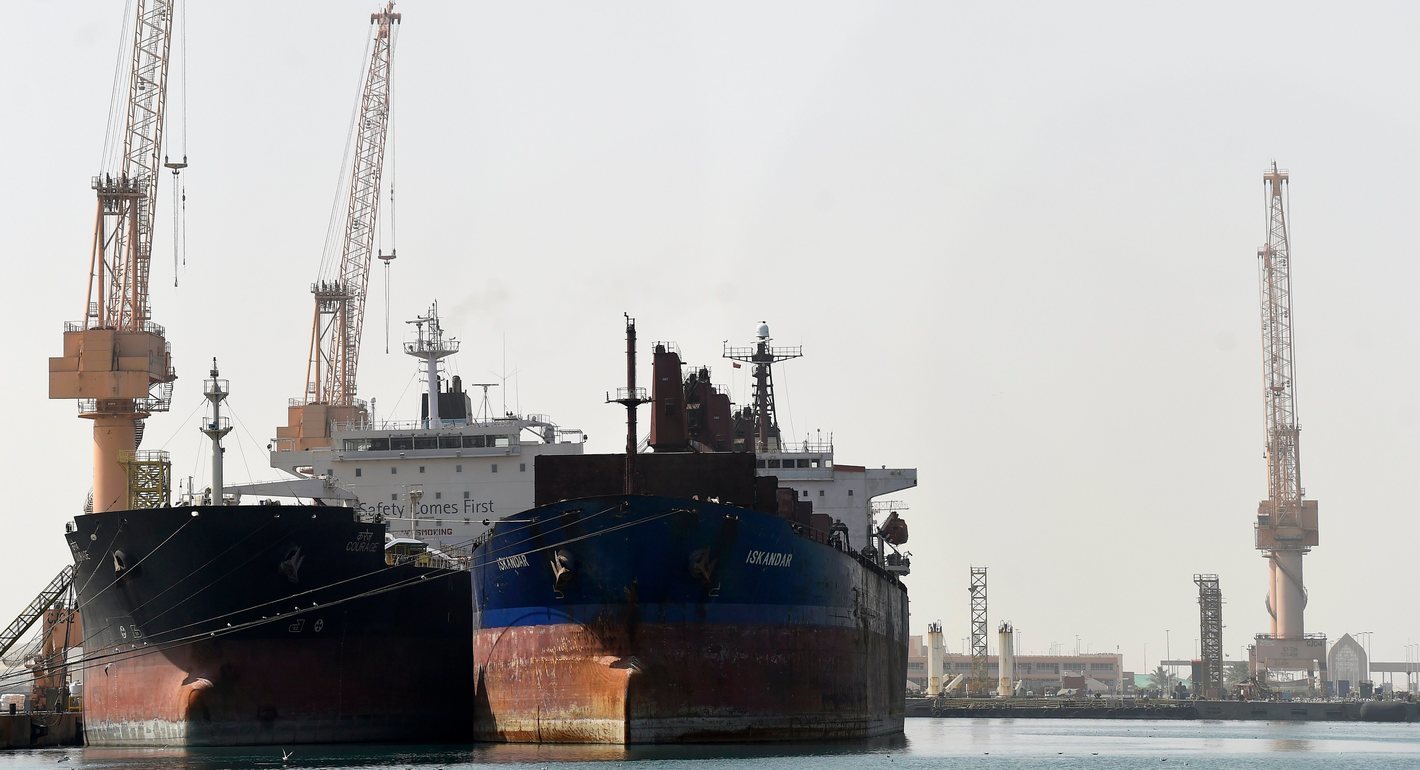
In a volatile Middle East, the Omani port of Duqm offers stability, neutrality, and opportunity. Could this hidden port become the ultimate safe harbor for global trade?
Giorgio Cafiero, Samuel Ramani
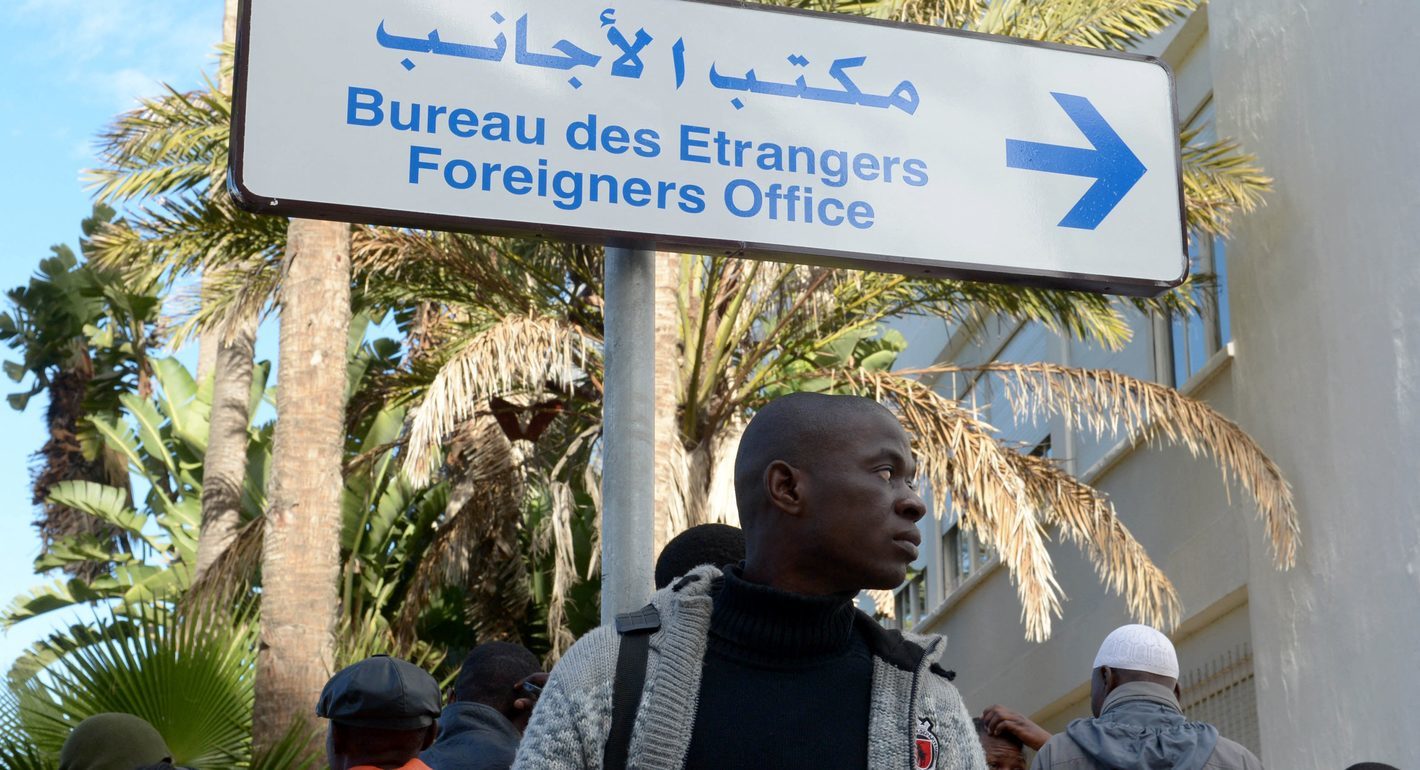
Is Morocco’s migration policy protecting Sub-Saharan African migrants or managing them for political and security ends? This article unpacks the gaps, the risks, and the paths toward real rights-based integration.
Soufiane Elgoumri
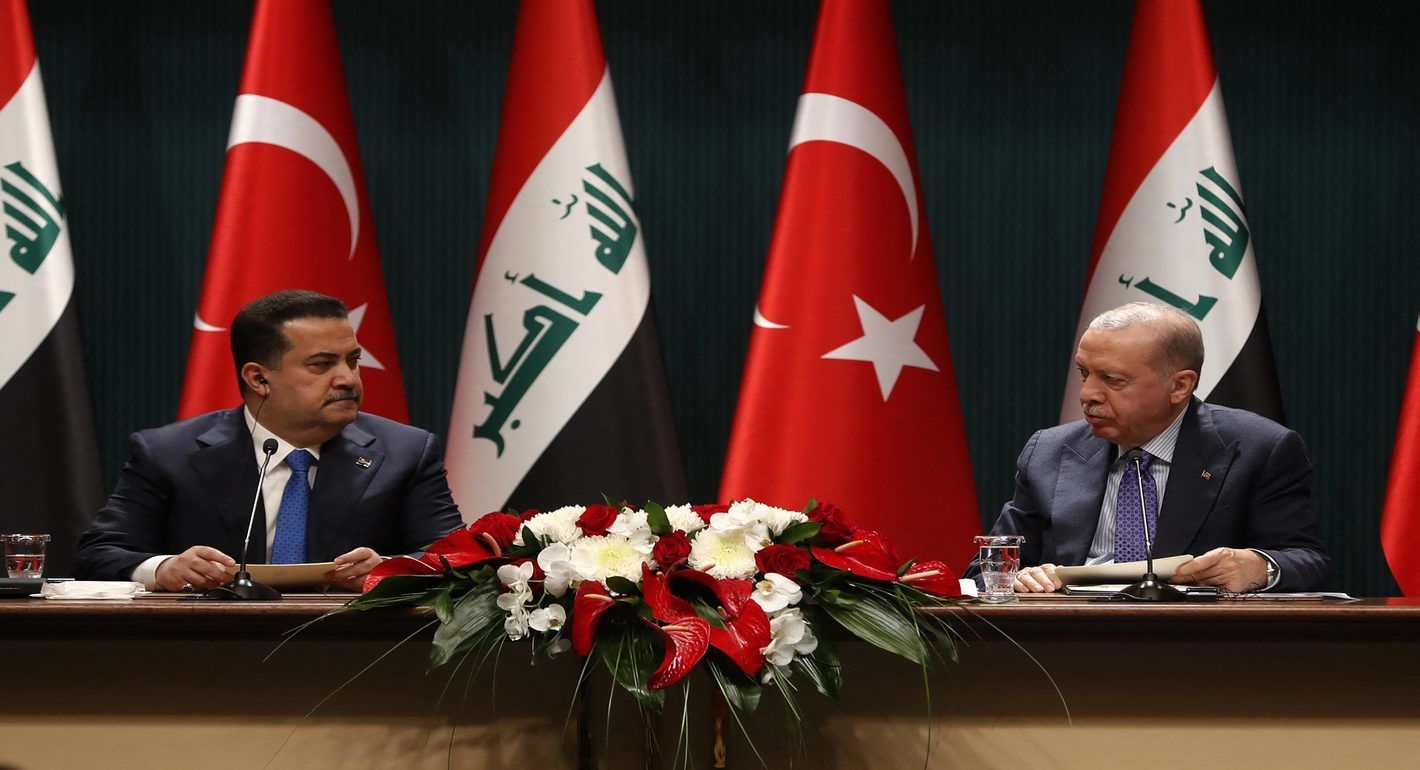
Iraq’s foreign policy is being shaped by its own internal battles—fractured elites, competing militias, and a state struggling to speak with one voice. The article asks: How do these divisions affect Iraq’s ability to balance between the U.S. and Iran? Can Baghdad use its “good neighbor” approach to reduce regional tensions? And what will it take for Iraq to turn regional investments into real stability at home? It explores potential solutions, including strengthening state institutions, curbing rogue militias, improving governance, and using regional partnerships to address core economic and security weaknesses so Iraq can finally build a unified and sustainable foreign policy.
Mike Fleet
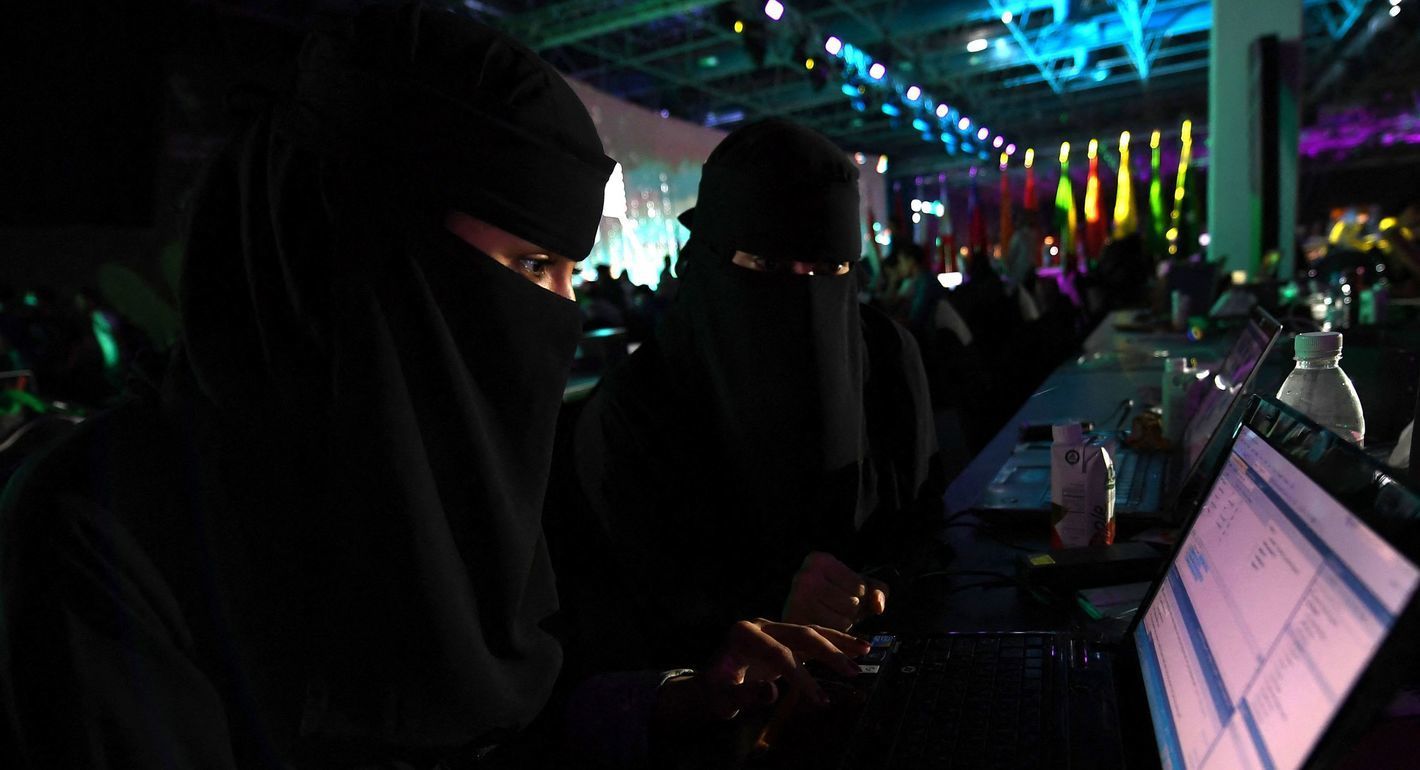
How can Saudi Arabia turn its booming e-commerce sector into a real engine of economic empowerment for women amid persistent gaps in capital access, digital training, and workplace inclusion? This piece explores the policy fixes, from data-center integration to gender-responsive regulation, that could unlock women’s full potential in the kingdom’s digital economy.
Hannan Hussain