

Commentary
From anime heroes to online gaming communities, Morocco’s Gen Z is building a new protest culture. What does this digital imagination reveal about youth politics, and how should institutions respond?
Abdelilah Farah
{
  "authors": [
    "Judith Yaphe"
  ],
  "type": "commentary",
  "blog": "Sada",
  "centerAffiliationAll": "",
  "centers": [
    "Carnegie Endowment for International Peace"
  ],
  "collections": [],
  "englishNewsletterAll": "",
  "nonEnglishNewsletterAll": "",
  "primaryCenter": "Carnegie Endowment for International Peace",
  "programAffiliation": "",
  "programs": [],
  "projects": [],
  "regions": [
    "Iraq",
    "Middle East"
  ],
  "topics": [
    "Political Reform"
  ]
}

REQUIRED IMAGE
Each of Iraq's three elections in 2005 has been a landmark event: the first free and transparent election on January 30, the first referendum to approve a constitution on October 15, and now the first election to choose a permanent government on December 15.
Each of Iraq's three elections in 2005 has been a landmark event: the first free and transparent election on January 30, the first referendum to approve a constitution on October 15, and now the first election to choose a permanent government on December 15. Iraq has acquired the trappings of democracy, including a parliament, elected government, free press, and the outlines of democratic institutions. It also has deep-seated sectarian and ethnic rivalries, unstable political alliances, closed-door deals, institutionalized corruption, and cronyism, which also sometimes occur in democracies.
Iraqis have high hopes that the constitution and relatively open elections will usher in a new age of peace, end the insurgencies, and provide greater security and an exit strategy for the occupiers. Under the current provisional government of President Jalal Talabani and Prime Minister Ibrahim Al Jaafari, the federal government has been at near total loggerheads, with no ability to restrain the greed of its ministers and no attempt to prevent politicization of all government offices and actions. But each faction has already articulated a set of non-negotiable demands regarding the new government to be created:
Another critical task for the new government to be formed will be building stable and transparent governance based on merit and not on cronyism. No one expects Iraq to be perfect; but it would be desirable if corruption could be contained to avoid breaking the government, looting the treasury, or diverting oil revenues to private profit. This would require a stronger central government than the current constitution permits; independent watchdogs to monitor government agents and agencies; and an independent judiciary.
While the balance of forces in the new parliament is not yet certain, what is clear is that democracy in Iraq is a work in progress. Iraq's politics will be diverse, with religious and non-religious parties arguing for or against secular rule, and parties based on ethnic, tribal, or class distinctions. They will form alliances based on issues, and not always on ethnic or religious identity. A successful democratic process will not change the security situation in Iraq in the short term, but it may lead to the creation of political institutions and partnerships that can bring the violence under control. Political haggling, temporary alliances, and trading support are what make democracy democracy; it is imperfect, it is messy, it is even unfair, but the alternatives are so much worse. Ask an Iraqi.
Judith Yaphe is a Senior Fellow at National Defense University's Institute for National Strategic Studies. The opinions expressed here are those of the author and do not reflect the views of the University, the Department of Defense, or any other government agency.
Judith Yaphe
Carnegie does not take institutional positions on public policy issues; the views represented herein are those of the author(s) and do not necessarily reflect the views of Carnegie, its staff, or its trustees.
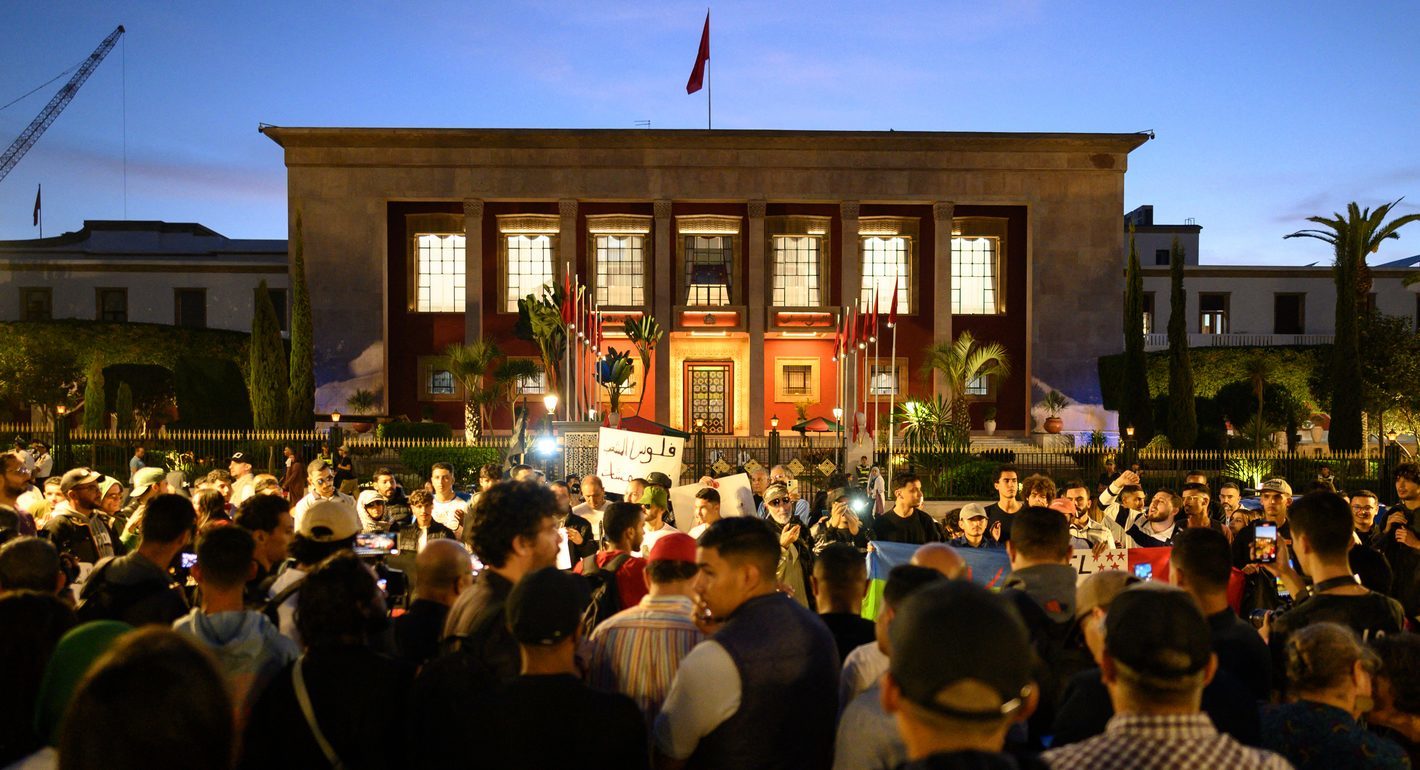
From anime heroes to online gaming communities, Morocco’s Gen Z is building a new protest culture. What does this digital imagination reveal about youth politics, and how should institutions respond?
Abdelilah Farah
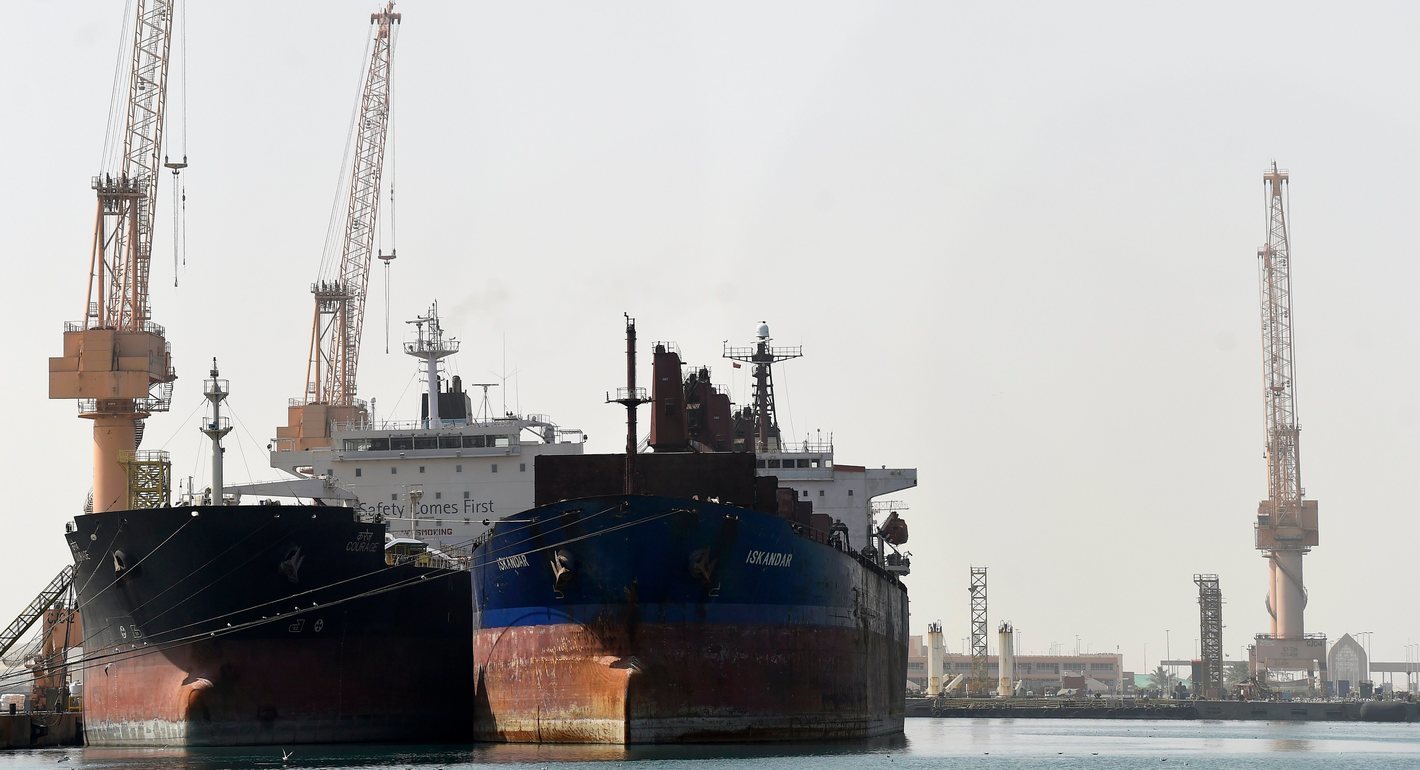
In a volatile Middle East, the Omani port of Duqm offers stability, neutrality, and opportunity. Could this hidden port become the ultimate safe harbor for global trade?
Giorgio Cafiero, Samuel Ramani
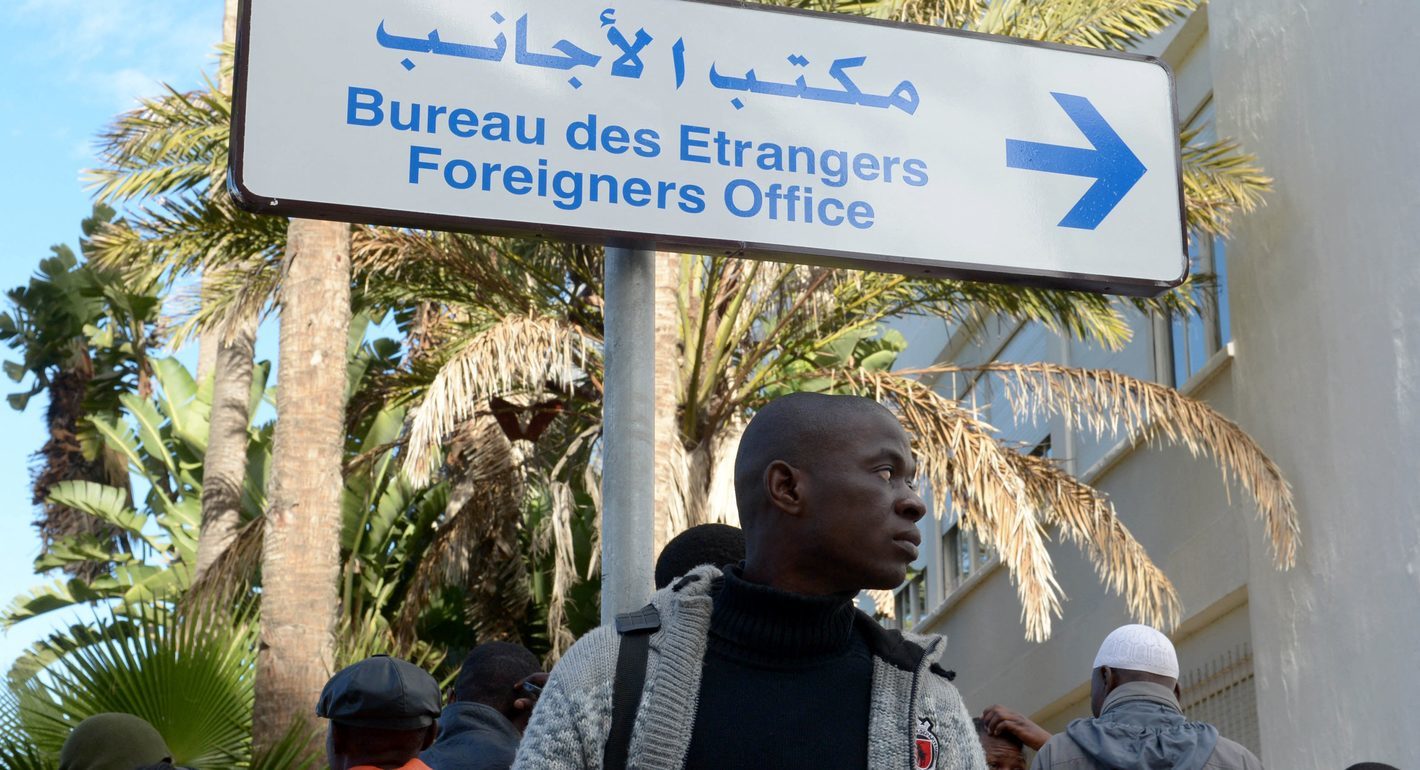
Is Morocco’s migration policy protecting Sub-Saharan African migrants or managing them for political and security ends? This article unpacks the gaps, the risks, and the paths toward real rights-based integration.
Soufiane Elgoumri
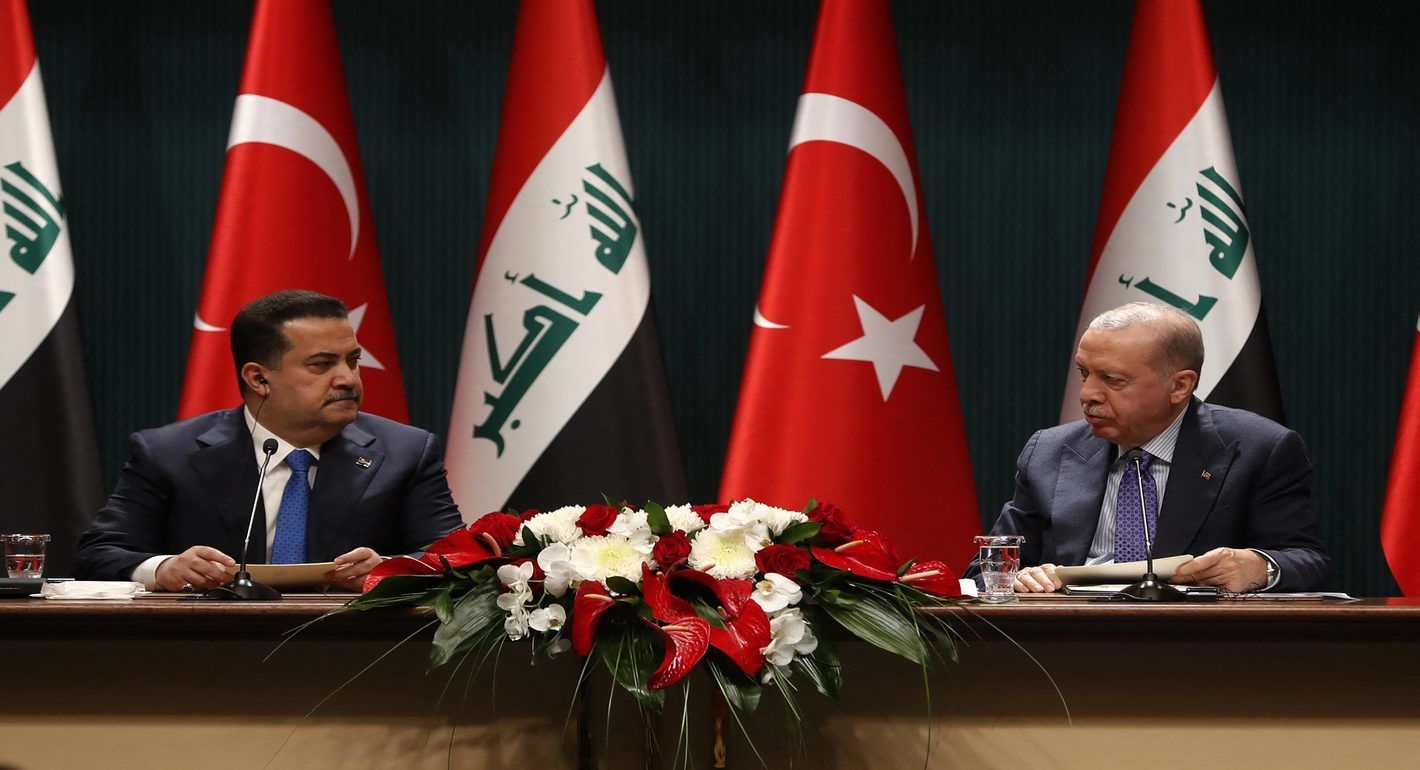
Iraq’s foreign policy is being shaped by its own internal battles—fractured elites, competing militias, and a state struggling to speak with one voice. The article asks: How do these divisions affect Iraq’s ability to balance between the U.S. and Iran? Can Baghdad use its “good neighbor” approach to reduce regional tensions? And what will it take for Iraq to turn regional investments into real stability at home? It explores potential solutions, including strengthening state institutions, curbing rogue militias, improving governance, and using regional partnerships to address core economic and security weaknesses so Iraq can finally build a unified and sustainable foreign policy.
Mike Fleet
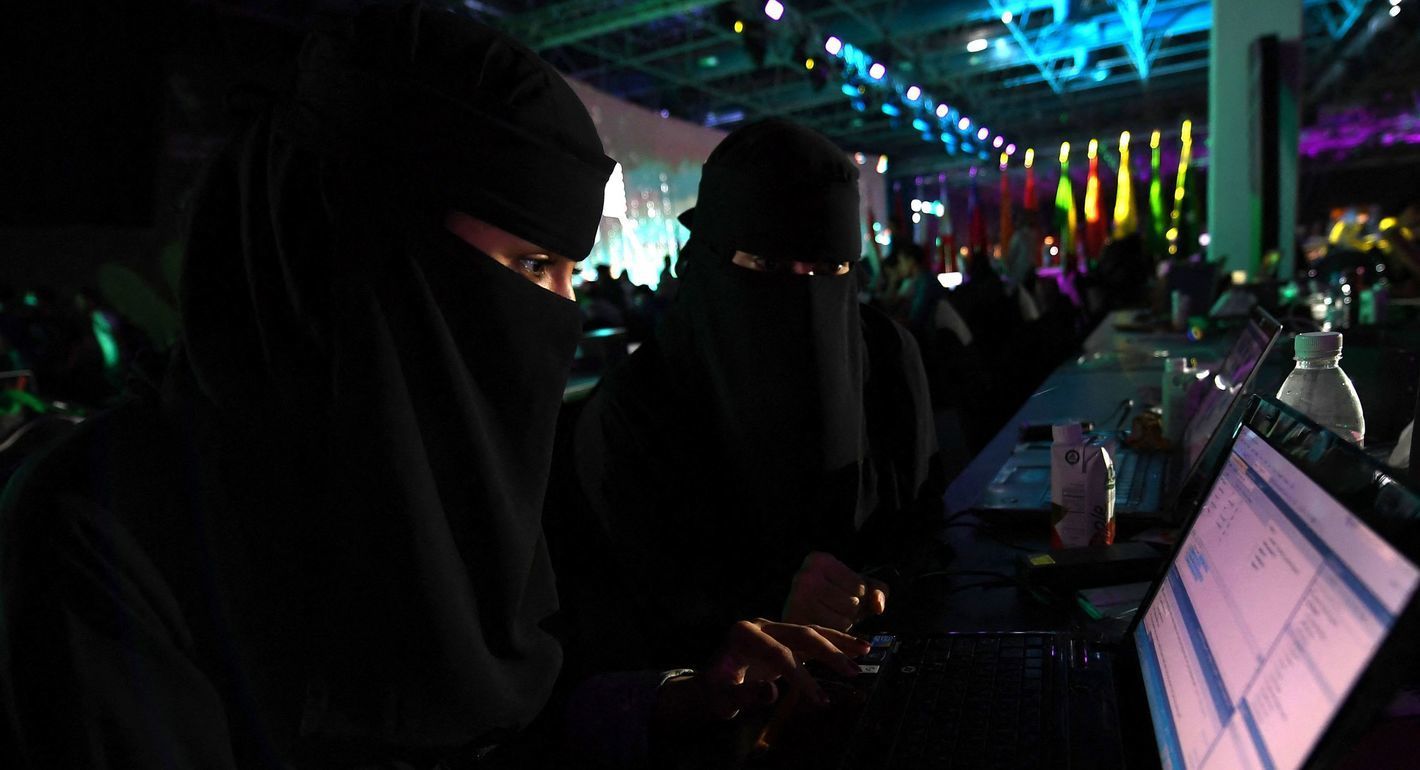
How can Saudi Arabia turn its booming e-commerce sector into a real engine of economic empowerment for women amid persistent gaps in capital access, digital training, and workplace inclusion? This piece explores the policy fixes, from data-center integration to gender-responsive regulation, that could unlock women’s full potential in the kingdom’s digital economy.
Hannan Hussain