• Research
  • Emissary
  • About
  • Experts
Carnegie Global logoCarnegie lettermark logo
DemocracyIran
  • Donate
{
  "authors": [
    "Sana Ajmi"
  ],
  "type": "commentary",
  "blog": "Sada",
  "centerAffiliationAll": "",
  "centers": [
    "Carnegie Endowment for International Peace",
    "Malcolm H. Kerr Carnegie Middle East Center"
  ],
  "collections": [],
  "englishNewsletterAll": "",
  "nonEnglishNewsletterAll": "",
  "primaryCenter": "Carnegie Endowment for International Peace",
  "programAffiliation": "",
  "programs": [],
  "projects": [],
  "regions": [
    "North Africa",
    "Tunisia",
    "Maghreb"
  ],
  "topics": [
    "Political Reform"
  ]
}
Attribution logo

Source: Getty

Commentary
Sada

RCD Need Not Apply

By proposing to ban former members of the RCD, Ennahda is creating a one-party system and attempting to ensure an opposition vacuum in Tunisia.

Link Copied
By Sana Ajmi
Published on Dec 6, 2012
Sada

Blog

Sada

Sada is an online journal rooted in Carnegie’s Middle East Program that seeks to foster and enrich debate about key political, economic, and social issues in the Arab world and provides a venue for new and established voices to deliver reflective analysis on these issues.

Learn More

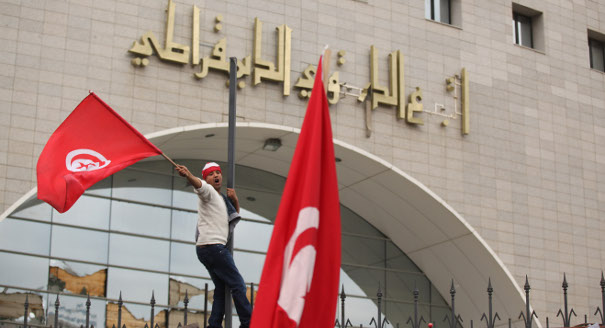
Members of Tunisia’s National Constituent Assembly—the democratically elected body responsible for drafting the country’s constitution—put forward a new bill on November 23 which would exclude politicians once affiliated with the former ruling Constitutional Democratic Rally (French acronym, RCD) from political life for ten years. Entitled “The Protection of the Revolution,” the measure—proposed and supported by Ennahda MPs—is being seen by some as a tactic to hinder an opposition front to Ennahda and ensure the Islamists’ dominance in the upcoming election. Its supporters, however, see it as a protective measure necessary to safeguard the revolution. 

Sahbi Atig, the head of Ennahda’s parliamentary bloc, explained that the bill would forbid any politician who had served in the RCD from running for president and participating in political life. Ennahda controls 89 out of 217 seats in Constituent Assembly and can easily pass the bill by an overwhelming majority—with the support of four other major blocs backing the measure: i.e., Fidelity to the Revolution, Congress For the Republic, Freedom and Dignity, and the Democratic Bloc—as well as some independent MPs. Farida Laabidi, head of the government’s Commission on Rights and Liberties (and a member of Ennahda himself) explained that “Through this law we will guarantee that those who served under the former repressive and corrupt regime will not rule the country again.” 

Nidaa Tunis has a wide range of secular liberals formerly associated with the RCD—which claimed a membership of two million people before its dissolution. Many of these saw in Essebsi’s party an opportunity to revive their political chances and perhaps even regain their lost status. Nidaa Tunis, which aims to unite Tunisia's non-Islamist parties in a national unity movement, was perceived as a way to “protect” them from religious extremism and to uphold a modernist interpretation of Islam initiated under the Bourguiba and Ben Ali regimes—which these former RCD-associates see Ennahda failing to do, if not supporting explicitly. Essebsi himself is especially outspoken in his criticism of the ruling coalition for its “failure” to protect its people from religious extremism and Salafism. 

The pragmatism of which Essebsi’s party boasts and its espousal of “modernist” values—coupled with Ennahda’s perceived failures to deal with pressing socio-economic issues—have all given Nidaa Tunis an edge and a chance to have a strong showing in the coming election. According to a recent poll conducted by the Tunisian poll office and 3C Etude, Ennahda and Nidaa Tunis rank fairly close in popularity. The party has also announced an initiative to merge with the ranks of other center-left parties—among which include Al-Joumhouri, Al Massar, and the Popular Movement, as well as others—in anticipation of the 2013 parliamentary and presidential elections. Essebsi and his followers believe that the only way to counter Ennahda is through a united opposition front.

Ennahda’s fear of a more robust opposition in the upcoming election may well be the motive behind its support of the proposed bill. And whether or not a concern for the rise of former-regime sympathizers is founded, a bill based on political exclusion and score-settling does not bode well for Tunisia’s fragile political process. By pushing it forward, Ennahda is doing exactly what it claims to protect the revolution from: creating a one-party system and attempting to ensure an opposition vacuum—bringing the ruling party more in line with the RDC than it would perhaps like to admit.

Sana Ajmi is a Tunisian journalist and writer.  

About the Author

Sana Ajmi

Sana Ajmi
Political ReformNorth AfricaTunisiaMaghreb

Carnegie does not take institutional positions on public policy issues; the views represented herein are those of the author(s) and do not necessarily reflect the views of Carnegie, its staff, or its trustees.

More Work from Sada

  • Commentary
    Sada
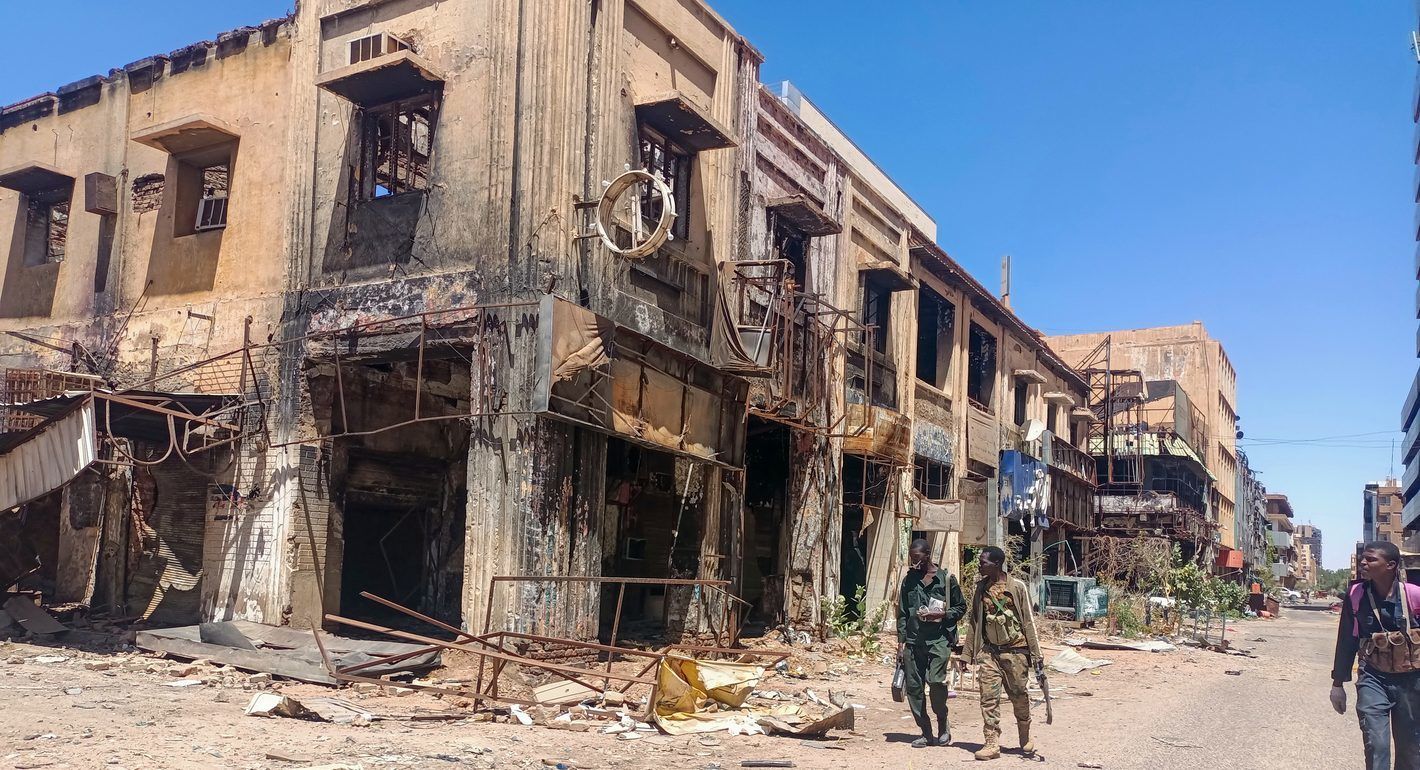
    A War Fueled by Hate Speech: Sudan’s Fall into Fragmentation

    Hate speech has spread across Sudan and become a key factor in worsening the war between the army and the Rapid Support Forces. The article provides expert analysis and historical background to show how hateful rhetoric has fueled violence, justified atrocities, and weakened national unity, while also suggesting ways to counter it through justice, education, and promoting a culture of peace.

      Samar Sulaiman

  • Commentary
    Sada
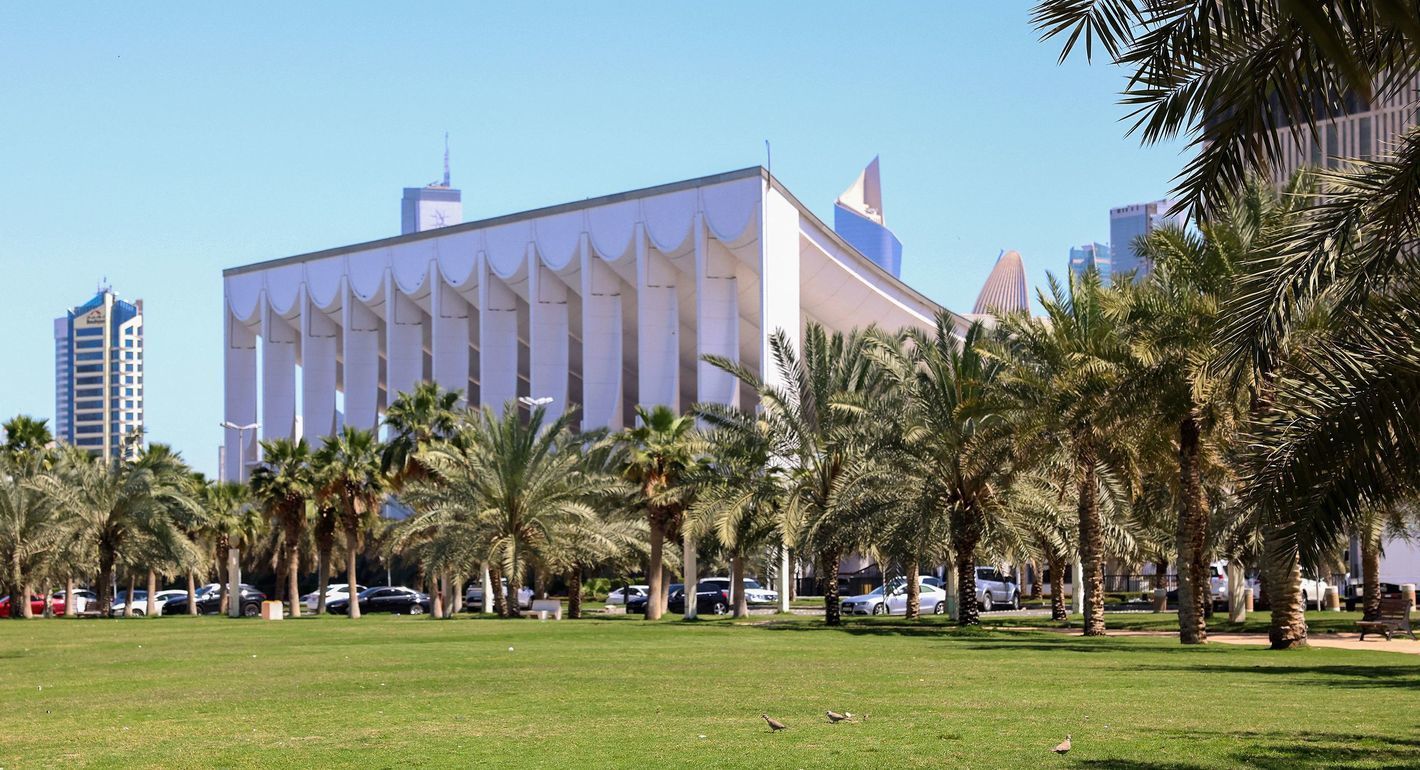
    Kuwait’s Bureaucracy at a Crossroads: Why Government Innovation Stalls and How Analytics Can Reignite Reform

    Kuwait’s government has repeatedly launched ambitious reforms under Kuwait Vision 2035, yet bureaucratic inefficiency, siloed institutions, and weak feedback mechanisms continue to stall progress. Adopting government analytics—real-time monitoring and evidence-based decision-making—can transform reform from repetitive announcements into measurable outcomes.

      Dalal A. Marafie

  • Commentary
    Sada
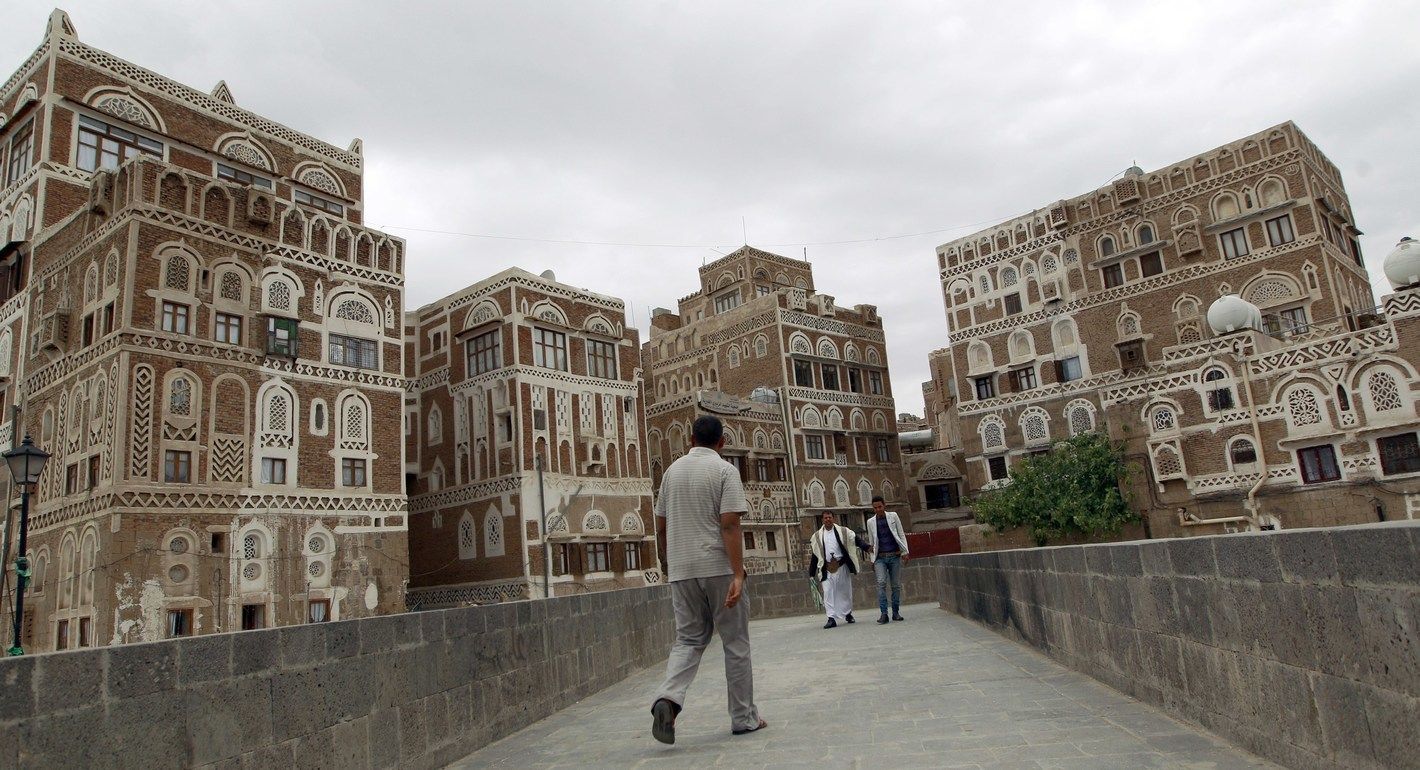
    Sana'a: The Crisis of Chaotic Street Naming and Absent Urban Planning

    The chaos of street naming in Sana’a reflects the deep weakness of the Yemeni state and its failure to establish a unified urban identity, leaving residents to rely on informal, oral naming systems rooted in collective memory. This urban disorder is not merely a logistical problem but a symbolic struggle between state authority and local community identity.

      Sarah Al-Kbat

  • Commentary
    Sada
    The Political Economy of Social Data: Opportunities and Risks of Digitizing Morocco’s Social Targeting System

    While Morocco’s shift to a digitized social targeting system improves efficiency and coordination in social programs, it also poses risks of exclusion and reinforces austerity policies. The new system uses algorithms based on socioeconomic data to determine eligibility for benefits like cash transfers and health insurance. However, due to technical flaws, digital inequality, and rigid criteria, many vulnerable families are unfairly excluded.

      Abderrafie Zaanoun

  • Commentary
    Sada
    Saudi Arabia's Cautious Approach to the Syrian Kurds: Balancing Stability and Geopolitical Interests

    Saudi Arabia’s cautious stance on the Syrian Kurds reflects a delicate balance between leveraging Kurdish autonomy to counter Iran’s influence and managing the risks of destabilizing Syria’s territorial integrity. While Saudi Arabia seeks to safeguard its interests in the region, it remains wary of the potential internal and external consequences of supporting Kurdish autonomy.

      Mohammad Salami

Get more news and analysis from
Carnegie Endowment for International Peace
Carnegie global logo, stacked
1779 Massachusetts Avenue NWWashington, DC, 20036-2103Phone: 202 483 7600Fax: 202 483 1840
  • Research
  • Emissary
  • About
  • Experts
  • Donate
  • Programs
  • Events
  • Blogs
  • Podcasts
  • Contact
  • Annual Reports
  • Careers
  • Privacy
  • For Media
  • Government Resources
Get more news and analysis from
Carnegie Endowment for International Peace
© 2026 Carnegie Endowment for International Peace. All rights reserved.