

Commentary
From anime heroes to online gaming communities, Morocco’s Gen Z is building a new protest culture. What does this digital imagination reveal about youth politics, and how should institutions respond?
Abdelilah Farah
{
  "authors": [
    "Adam Rasmi"
  ],
  "type": "commentary",
  "blog": "Sada",
  "centerAffiliationAll": "",
  "centers": [
    "Carnegie Endowment for International Peace"
  ],
  "collections": [],
  "englishNewsletterAll": "",
  "nonEnglishNewsletterAll": "",
  "primaryCenter": "Carnegie Endowment for International Peace",
  "programAffiliation": "",
  "programs": [],
  "projects": [],
  "regions": [
    "Middle East",
    "Saudi Arabia",
    "Gulf"
  ],
  "topics": [
    "Economy",
    "Climate Change"
  ]
}
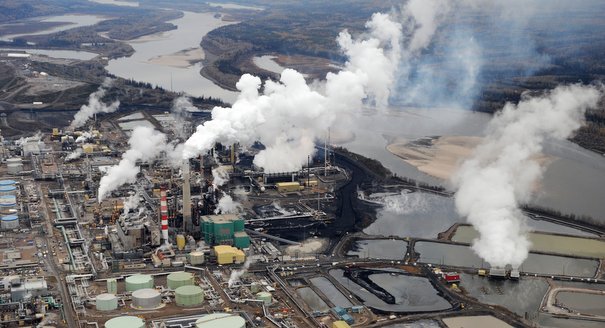
Source: Getty
Why Saudi Arabia’s oil addiction could spell major trouble.
According to a Chatham House report, Saudi Arabia’s surging domestic oil consumption—coupled with its inadequate supply growth—could turn the Kingdom into a net oil importer by 2038. Burning through more than a quarter of its 11.1 million barrel per day (b/d) production in 2011, Saudi Arabia is the fifth largest oil consumer in the world. The Kingdom even recently surpassed Germany’s consumption level, despite having less than one-third of Germany’s population and one-fifth its economic output. Continued consumption growth, if left unchecked, could devastate the country’s economy in the coming years.
Demography partly explains this growing use of oil. The population has doubled since 1985 and demand has risen accordingly, but the main culprit is growing economic prosperity tied with a reliance on oil-fired power generation. Almost all of Saudi Arabia’s energy needs are met by oil and gas—and burning crude oil to overcome gas shortages has increasingly become the norm. Given that oil in particular accounts for nearly 90 percent of the country’s exports and state budget, it is no wonder that Saudi officials hope to rein in consumption as more of the country's export wares are eaten up.
Rising consumption will have other impacts beyond the country’s energy-led economy. Although close to half of Saudi Arabia’s economy is derived from the oil and gas sectors, less than 1 percent of the workforce is employed in these industries. To increase employment, the Kingdom has become a very bureaucratic nation with over 80 percent of its workforce in the public sector. Similar to other Gulf countries, the Saudi government has responded to the Arab Spring with generous public sector pay increases, highlighting how it relies on oil revenues to deter political unrest. But diminishing oil revenues in the future could hinder the Kingdom's ability to use its elaborate public sector and welfare system to combat political turmoil.
Saudi Arabia must therefore reduce its oil consumption so the government can maintain large state revenues. The first step will require subsidy reform. The price of oil ranges from $5 to $15 per barrel, compared to a global market rate averaging over $110 since 2011. The Kingdom’s decision to set the price of oil far below export price is a significant opportunity cost in foregone state revenue—one that also encourages a culture of overconsumption and waste. Saudi Arabia’s poor or unemployed mostly do not benefit from subsidies as the biggest consumers of oil tend to be high income groups and heavy industries (including the petrochemicals sector)—both of whom are paying unnecessarily bargain rates for oil and gas.
The second step will require diversifying the country’s energy sources. The Saudi government is already pursuing alternative energy forms including nuclear and solar. Plans are currently underway to construct 16 nuclear plants which are expected to meet one-sixth of the country’s electricity needs by 2032 ($80 billion estimate), but these are limited and expensive ventures to be completed just six years before Saudi Arabia could (theoretically) become a net oil importer. Less movement has been made so far on solar energy, and the Kingdom is expected to release its first tenders for 500 to 800 megawatts of power generation capacity, just over 1 percent of its current consumption. Although plans are in place to have solar power generate 54 gigawatts by 2032 at a cost of $109 billion, there is no guarantee the projects will succeed. Contrary to popular belief, the Arabian Desert is hardly an ideal spot for solar energy, as overheating and excess dust decrease the efficiency of solar panels. Meanwhile, Saudi Arabia’s many oil-powered stations are expected to keep burning for years—even as five more are being built this year alone—further contributing to the issue at hand.
In the event that Saudi Arabia’s consumption cannot be contained, the Kingdom will need to boost its production capacity to maintain its large and prized exporter status. Saudi Arabia already has most of the world’s spare capacity—it is currently pumping 9.3 of its 12 million b/d potential. Yet, with oil consumption projected to rise above 4 million b/d by 2030 despite no expected growth in production capacity, a much greater share of Saudi Arabia’s subsidized oil will be wasted on domestic needs in coming years.
Many analysts, however, are asking whether the Saudi government can increase its production capacity at all. According to WikiLeaks cables released last year, senior U.S. and Saudi officials doubted this possibility back in 2007. Sadad al-Husseini, the former head of exploration at Saudi’s oil conglomerate ARAMCO, told U.S. policymakers in these cables that his country’s production capacity would plateau at 12 million b/d within the next decade. Just last month, the Saudi oil minister Ali Naimi said the Kingdom does not plan to boost oil capacity from 12 to 15 million b/d by 2020, contradicting an earlier statement made by Prince Turki al-Faisal, a member of the Saud royal family and a former head of intelligence.
That the Saudi government may be unable to increase its production capacity makes the need for slashing domestic consumption more paramount. However, if the country is able to halt its current consumption, the sale of oil will remain quite lucrative in the long run as studies suggest that the demand for Gulf oil will outpace any future supply growth. China will increase its oil use by as much as two-thirds and India by more than double between now and 2030. Even in the United States, talk of a natural gas and “fracking” revolution masks some reports that cast doubt on claims that the U.S. will become more energy independent in the long run. Furthermore, heightened demand for oil will place upward pressure on prices. The price has already risen from just over $60 per barrel in 2009 to over $110 today, and this has been quite profitable for the Kingdom as the world has few other options outside of Gulf oil. Last year, for instance, the state had revenues that exceeded its forecast by over 80 percent—driven entirely by higher-than-planned for oil prices.
Yet the region’s troubled politics, coupled with a global economic downturn, is delaying the grander, more comprehensive approach required to diversify Saudi Arabia’s energy sources. Considering that the country’s appetite for its own oil also shows few signs of slowing down, it may not be long before Saudi Arabia’s role as the world’s principal source of oil is threatened. What this means for energy markets and the region’s political and economic life is hard to predict, but one thing is certain—it would fundamentally alter the Saudi state.
Adam Rasmi is a journalist and former researcher. He reports on economic, political, and social issues from the Levant and Gulf regions.
Adam Rasmi
Carnegie does not take institutional positions on public policy issues; the views represented herein are those of the author(s) and do not necessarily reflect the views of Carnegie, its staff, or its trustees.
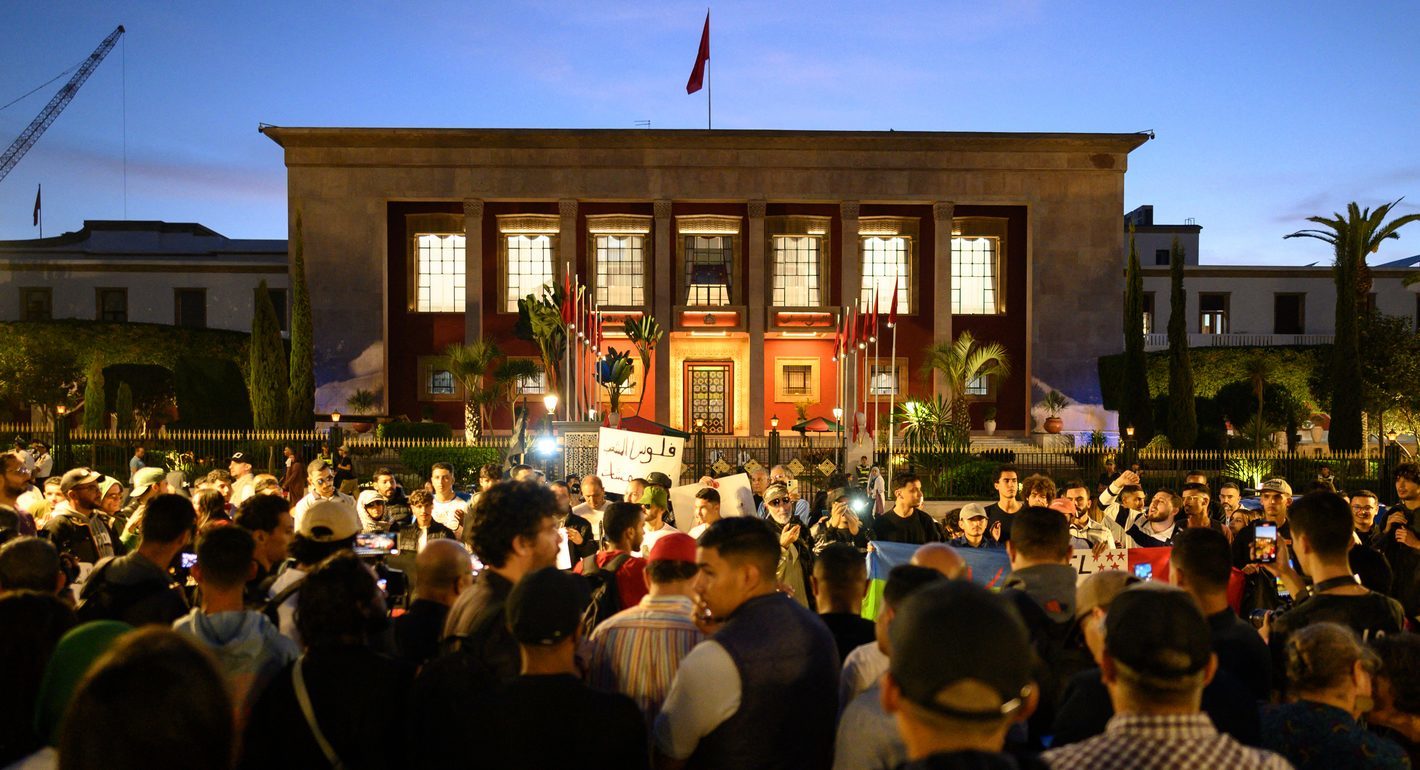
From anime heroes to online gaming communities, Morocco’s Gen Z is building a new protest culture. What does this digital imagination reveal about youth politics, and how should institutions respond?
Abdelilah Farah
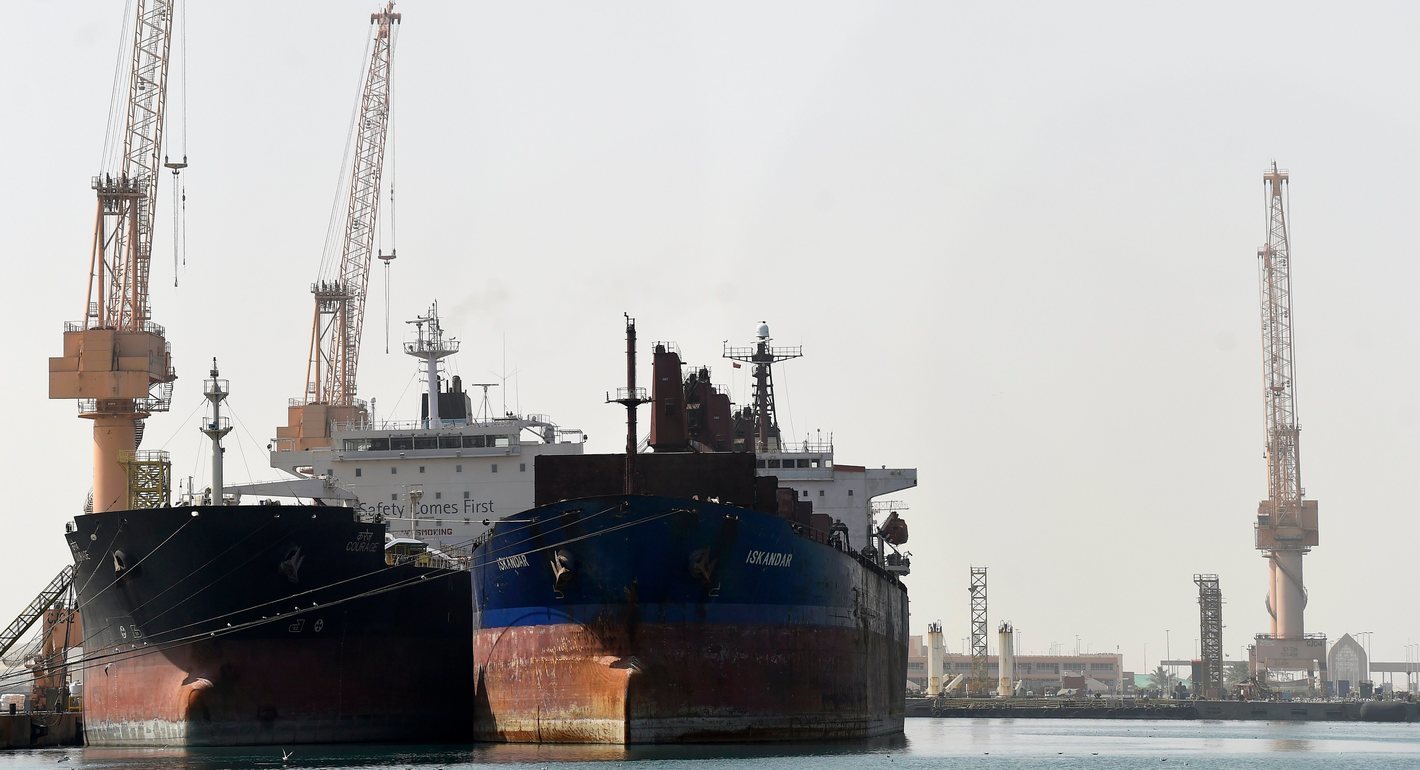
In a volatile Middle East, the Omani port of Duqm offers stability, neutrality, and opportunity. Could this hidden port become the ultimate safe harbor for global trade?
Giorgio Cafiero, Samuel Ramani
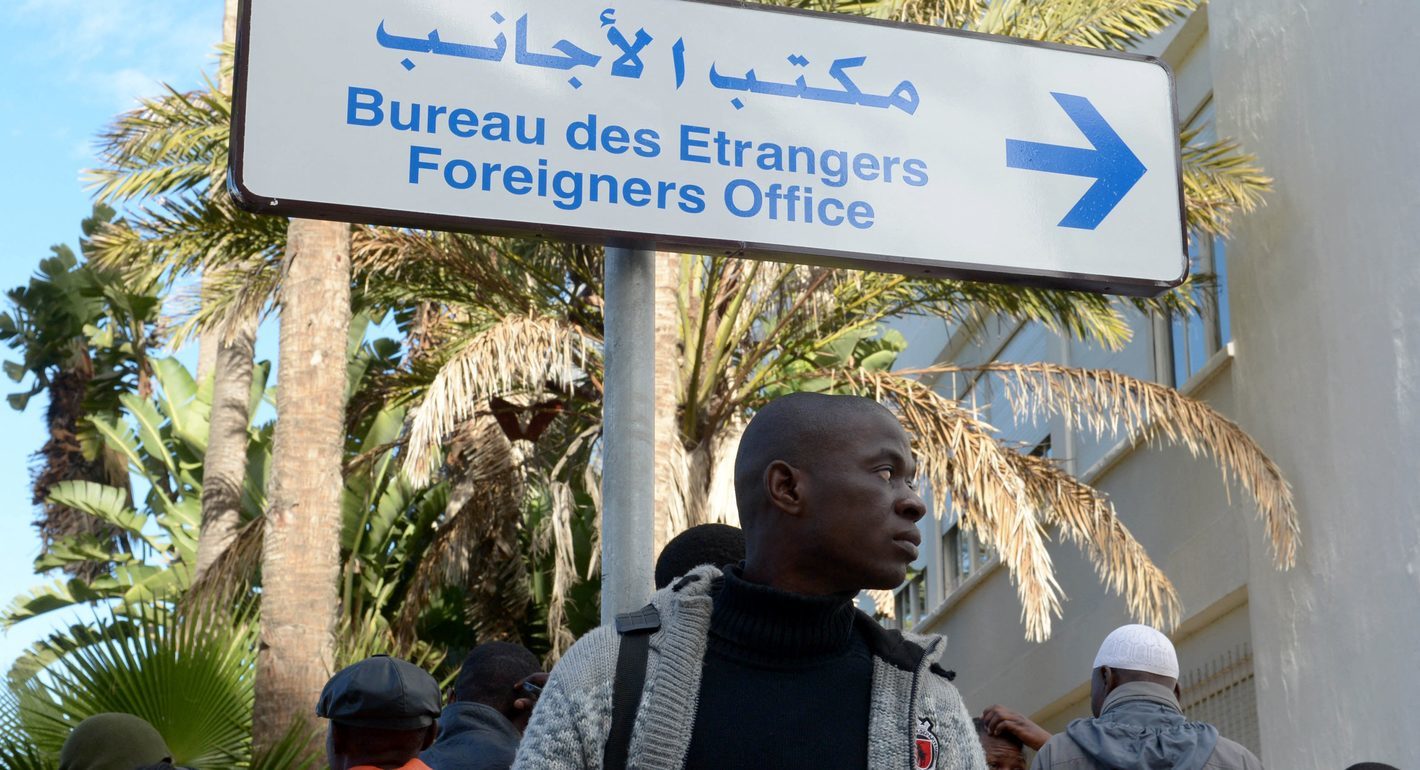
Is Morocco’s migration policy protecting Sub-Saharan African migrants or managing them for political and security ends? This article unpacks the gaps, the risks, and the paths toward real rights-based integration.
Soufiane Elgoumri
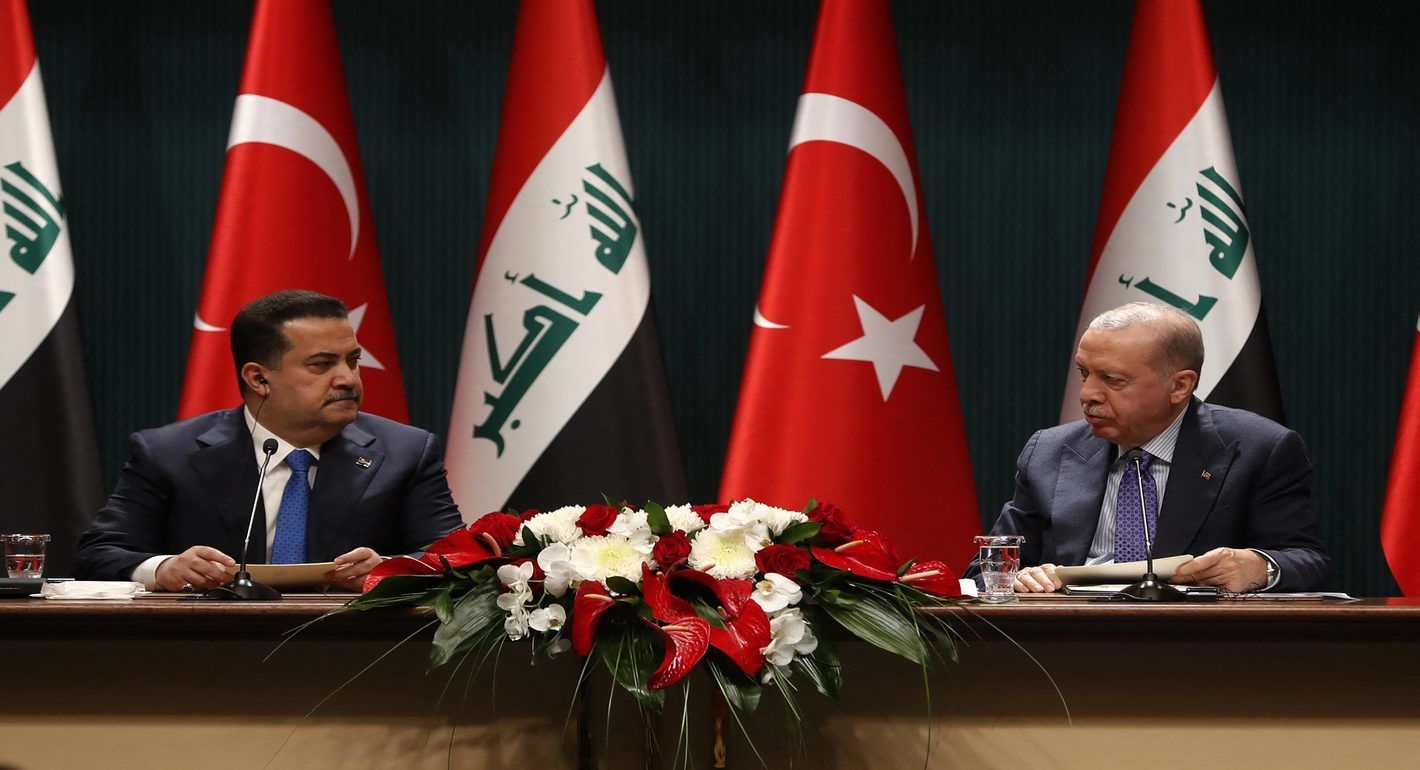
Iraq’s foreign policy is being shaped by its own internal battles—fractured elites, competing militias, and a state struggling to speak with one voice. The article asks: How do these divisions affect Iraq’s ability to balance between the U.S. and Iran? Can Baghdad use its “good neighbor” approach to reduce regional tensions? And what will it take for Iraq to turn regional investments into real stability at home? It explores potential solutions, including strengthening state institutions, curbing rogue militias, improving governance, and using regional partnerships to address core economic and security weaknesses so Iraq can finally build a unified and sustainable foreign policy.
Mike Fleet
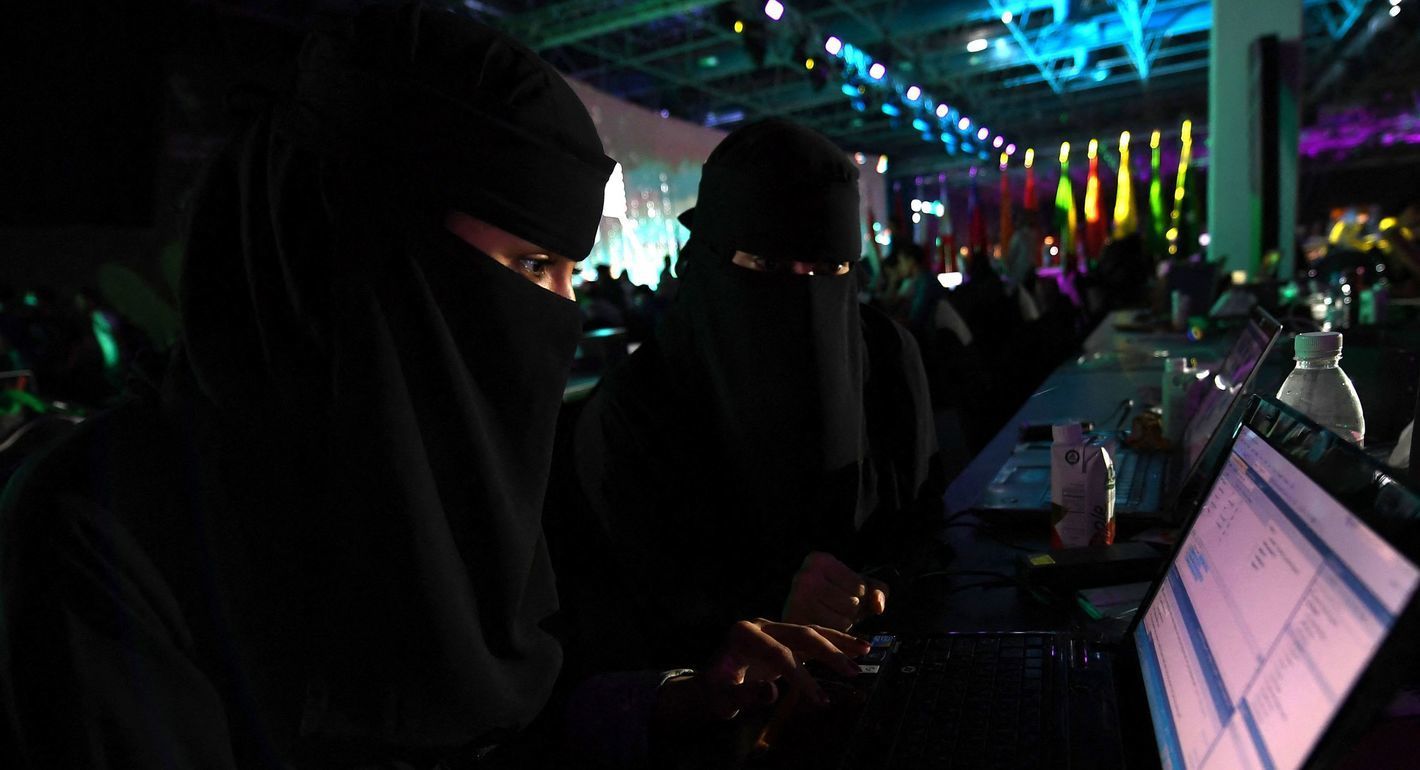
How can Saudi Arabia turn its booming e-commerce sector into a real engine of economic empowerment for women amid persistent gaps in capital access, digital training, and workplace inclusion? This piece explores the policy fixes, from data-center integration to gender-responsive regulation, that could unlock women’s full potential in the kingdom’s digital economy.
Hannan Hussain