

{
  "authors": [
    "Duyeon Kim",
    "Sydney Seiler",
    "Robert Robert",
    "Victor Cha"
  ],
  "type": "event",
  "centerAffiliationAll": "dc",
  "centers": [
    "Carnegie Endowment for International Peace"
  ],
  "collections": [],
  "englishNewsletterAll": "asia",
  "nonEnglishNewsletterAll": "",
  "primaryCenter": "Carnegie Endowment for International Peace",
  "programAffiliation": "AP",
  "programs": [
    "Asia",
    "Nuclear Policy"
  ],
  "projects": [],
  "regions": [
    "东亚",
    "朝鲜"
  ],
  "topics": [
    "美国外交政策",
    "核政策"
  ]
}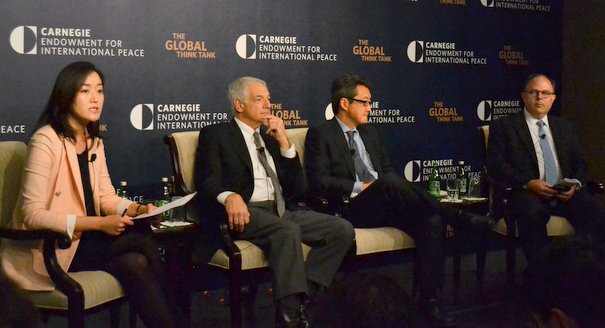
活动
美朝核外交:经验教训和下一步行动
2014年10月21日周二
华盛顿哥伦比亚特区
卡内基印度在公共政策问题上不采取机构立场;此处表达的观点属于作者,不一定反映卡内基、其员工或受托人的观点。
活动演讲者
Duyeon Kim
Former Associate, Nuclear Policy Program, Asia Program

Kim is an expert on nuclear nonproliferation, diplomacy, and Northeast Asia.
Sydney Seiler
Robert Robert
Victor Cha
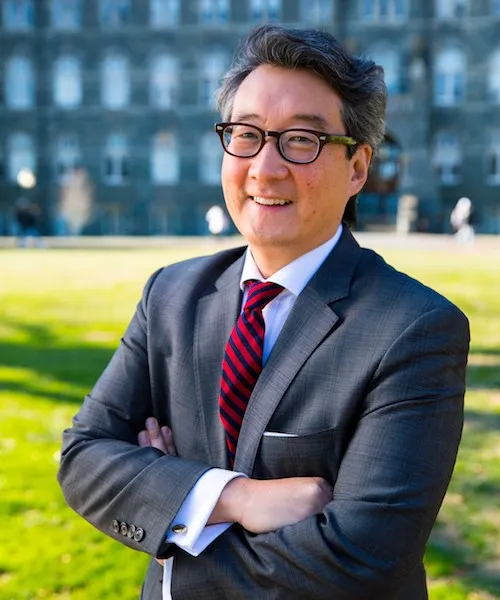
Victor Cha is president of the Geopolitics and Foreign Policy Department and Korea chair at the Center for Strategic and International Studies (CSIS). He is also a distinguished university professor and professor of government at Georgetown University.