• Research
  • Emissary
  • About
  • Experts
Carnegie Global logoCarnegie lettermark logo
DemocracyIran
  • Donate
Paper Tigers and Minotaurs: The Politics of Venezuela's Economic Reforms
Book

Paper Tigers and Minotaurs: The Politics of Venezuela's Economic Reforms

Weakened public institutions, military reform, and public opinion in the face of rapid change have opened the door for corruption, inequitable distribution of burdens, and political instability in South America. Countries in the region are facing painful and sometimes dangerous reform.

Link Copied
By Moisés Naím
Published on Jan 1, 1993

Additional Links

Paperback - $5.95

Source: Washington

Based on Moisés Naím's experiences as Minister of Industry in rapidly changing Venezuela and as Executive Director at the World Bank, this book raises questions and explores problems crucial to political and economic reform. Dr. Naím grapples with entrenched interests bent on derailing reform, the corrosive effects of corruption, the inequitable distribution of burdens, political instability brought on by weakened public institutions, military reform, and public opinion in the face of rapid change. After the revolutionary political and economic changes of the 1980s and early 1990s, the countries of South America—and many other countries all over the world—are facing painful and sometimes dangerous reform. Dr. Naím's book tackles the subject of managing that reform.

Advance Praise

“This book is a timely and relevant contribution for rethinking both the content and the process of future reform attempts.”
—Miriam Kornblith, Universidad Central de Venezuela

“The story is well-told and the lessons valuable for those interested in under-standing, as well as making, economic policy."
—Robert Grosse, University of Miami

About the Author

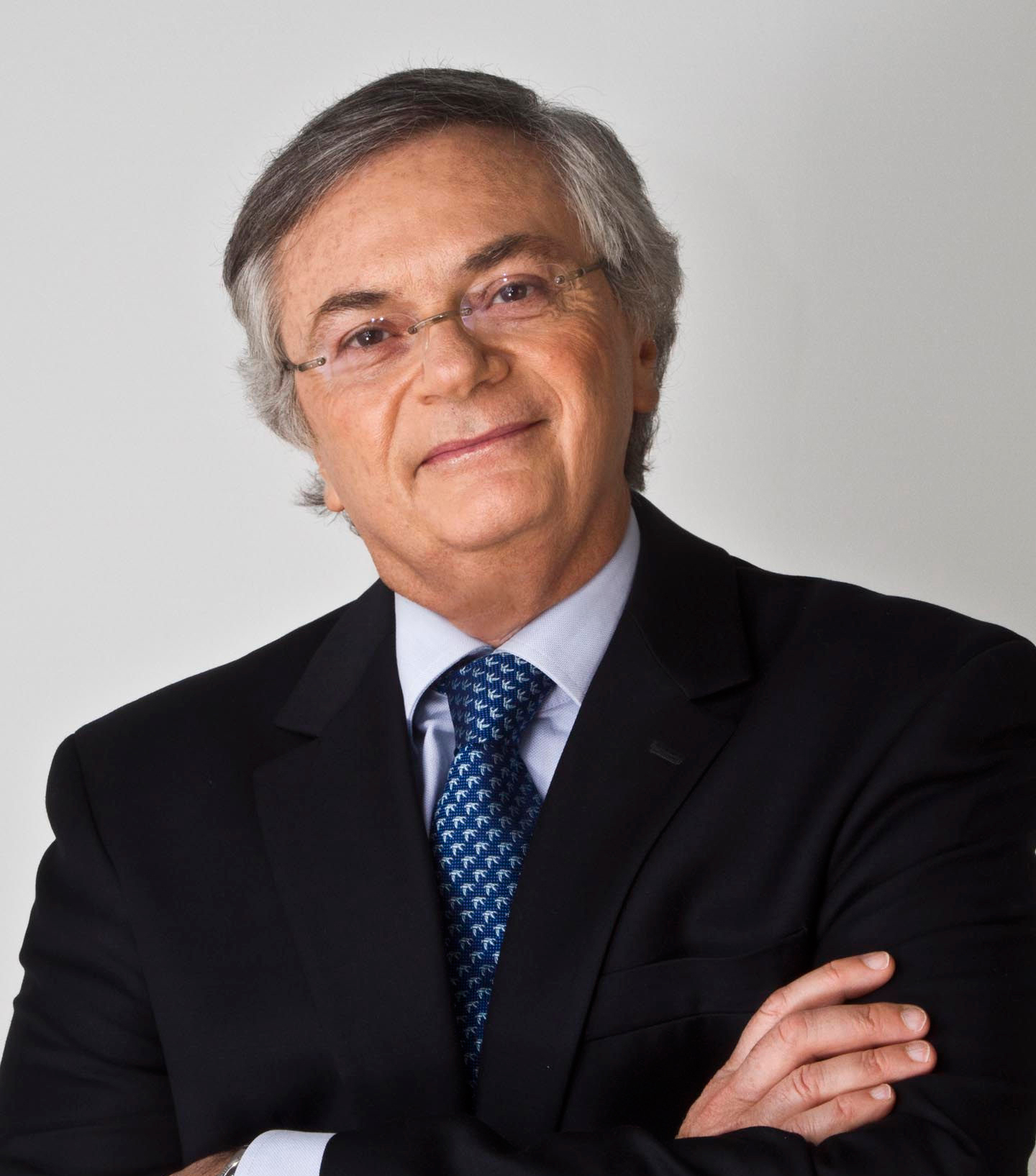
Moisés Naím

Distinguished Fellow

Moisés Naím is a distinguished fellow at the Carnegie Endowment for International Peace, a best-selling author, and an internationally syndicated columnist.

    Recent Work

  • Research
    The World Reacts to Biden’s First 100 Days
      • +10

      Rosa Balfour, Frances Z. Brown, Yasmine Farouk, …

  • Commentary
    View From Latin America

      Moisés Naím

Moisés Naím
Distinguished Fellow
Moisés Naím

Additional Links

Paperback - $5.95
North AmericaSouth AmericaTrade

Carnegie does not take institutional positions on public policy issues; the views represented herein are those of the author(s) and do not necessarily reflect the views of Carnegie, its staff, or its trustees.
More Work from Carnegie Endowment for International Peace

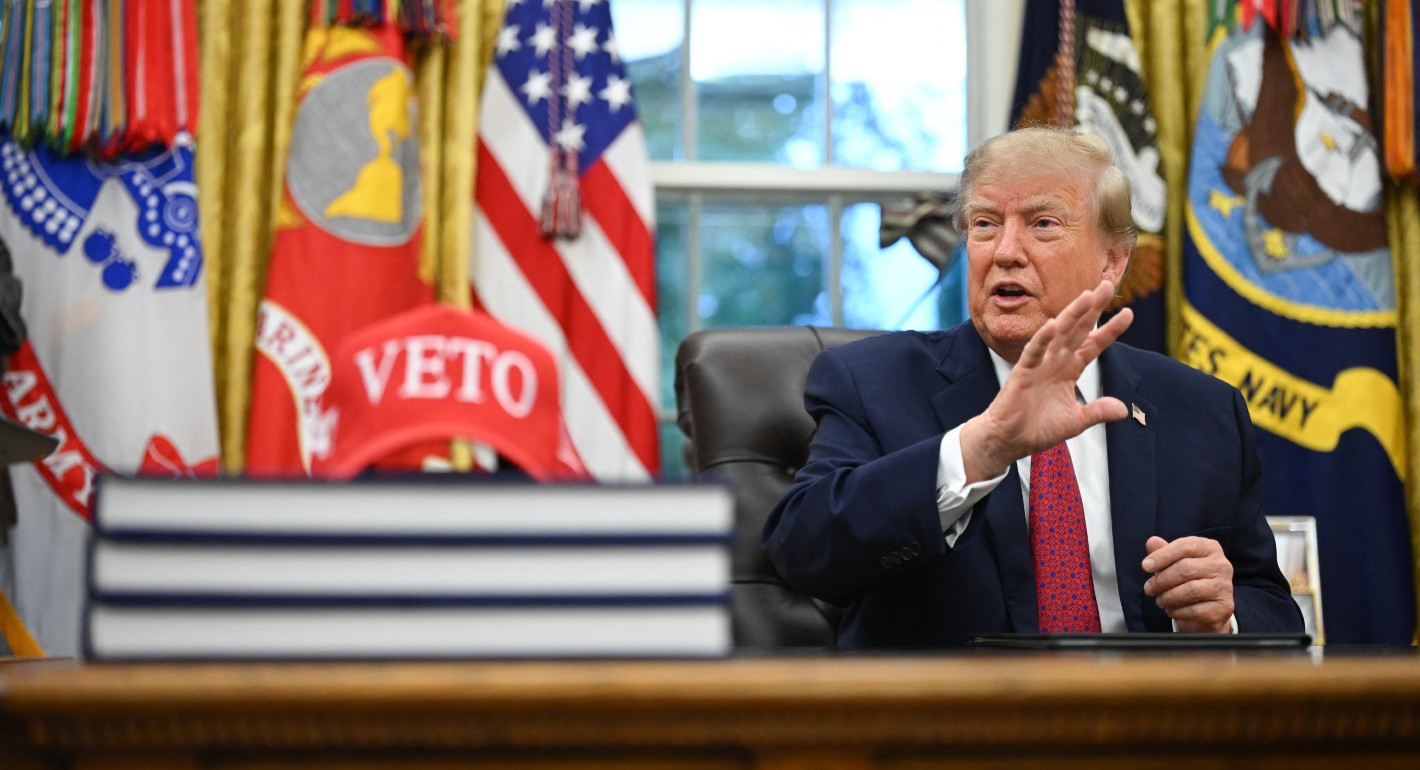
  • Trump sitting at a desk next to a red hat that says VETO
    Commentary
    Emissary
    After the Midterm Rout, Can Trump Change Course Without Giving Up Tariffs?

    Even if the administration maintains its broader trade policy, it should use tariffs more strategically and work with U.S. partners, not against them.
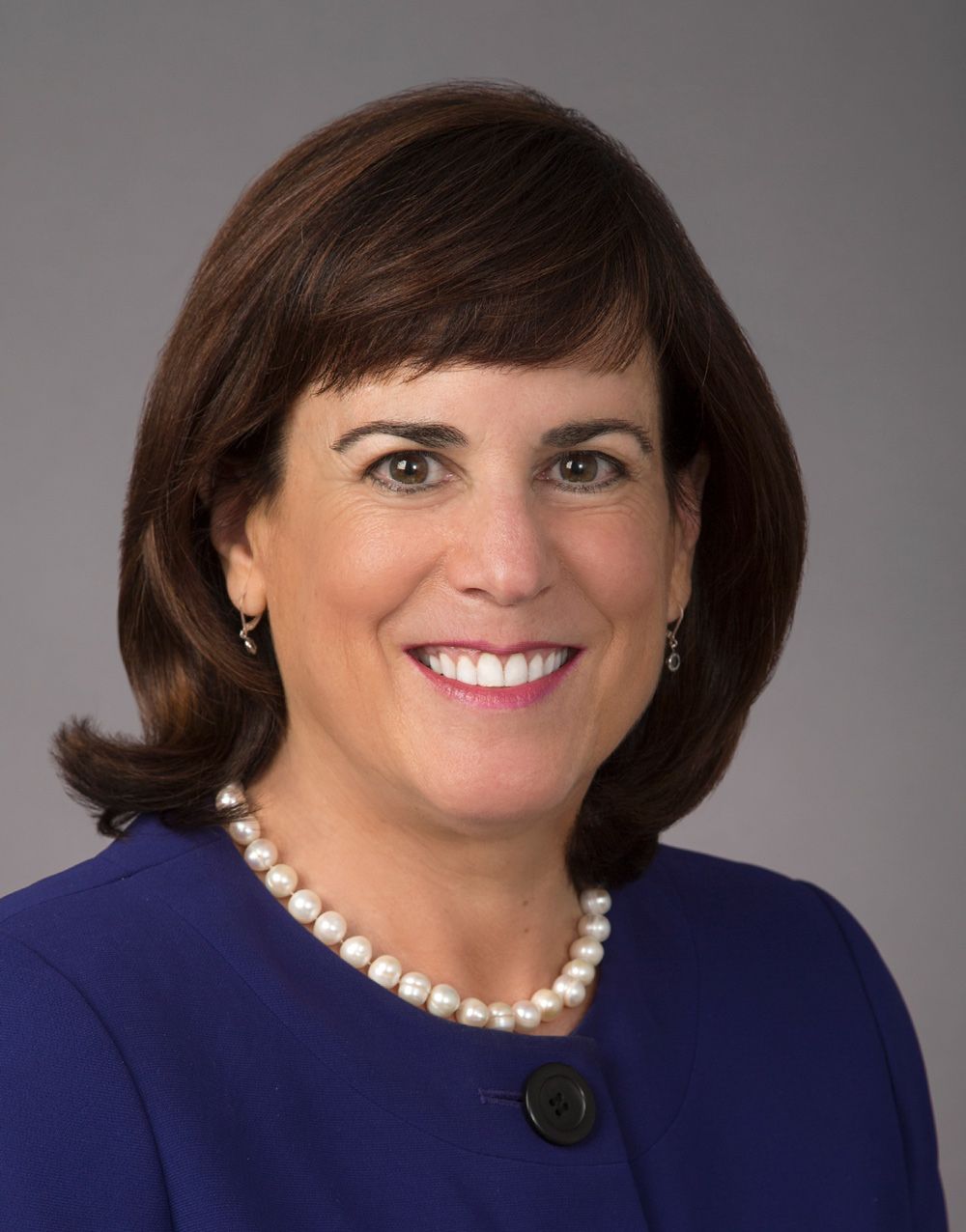
      • Barbara Weisel

      Barbara Weisel

  • Article
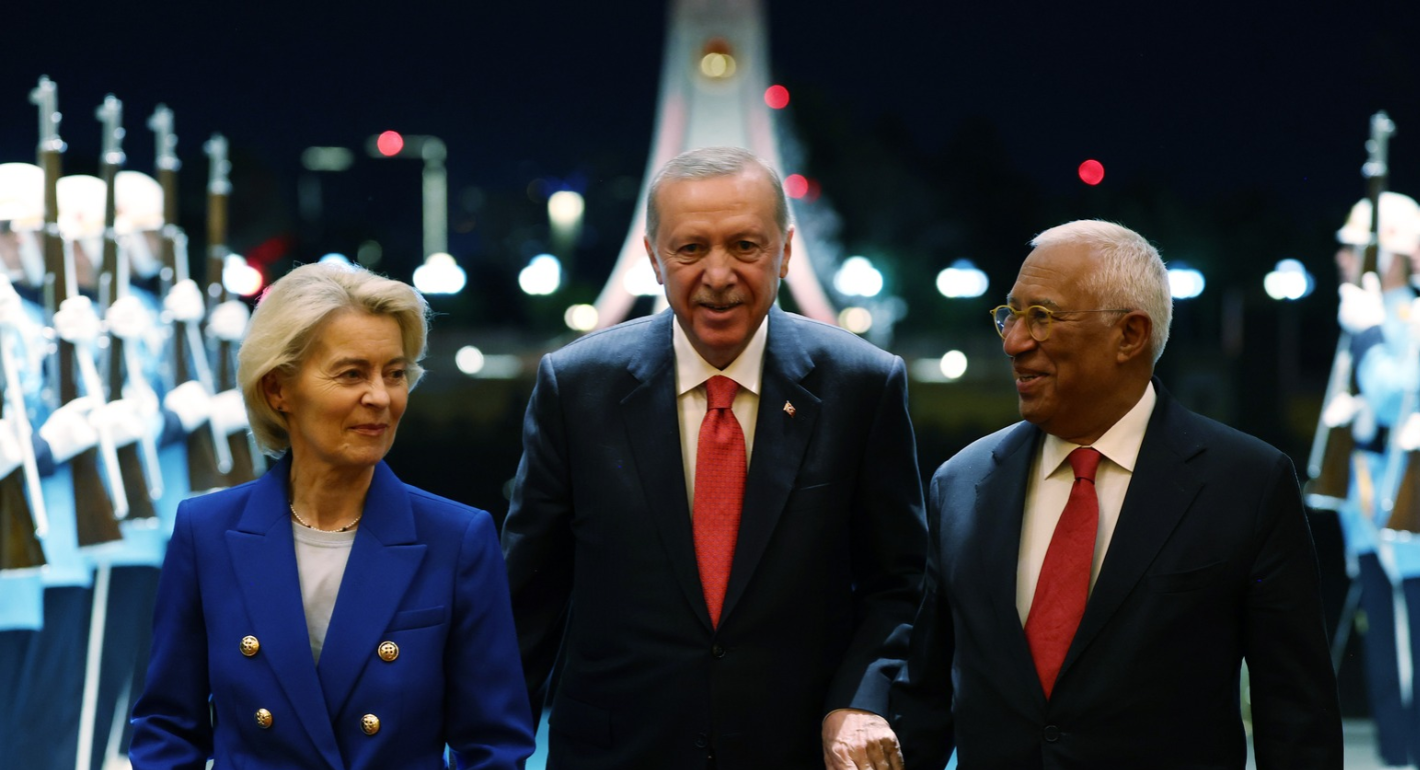
    Turkey’s Four Headaches Are Also Europe’s

    Between stalled economic ties and a push for greater security cooperation, EU-Turkey relations remain uncertain. Ankara’s continued slide toward autocracy is the likeliest common denominator in these competing dynamics.
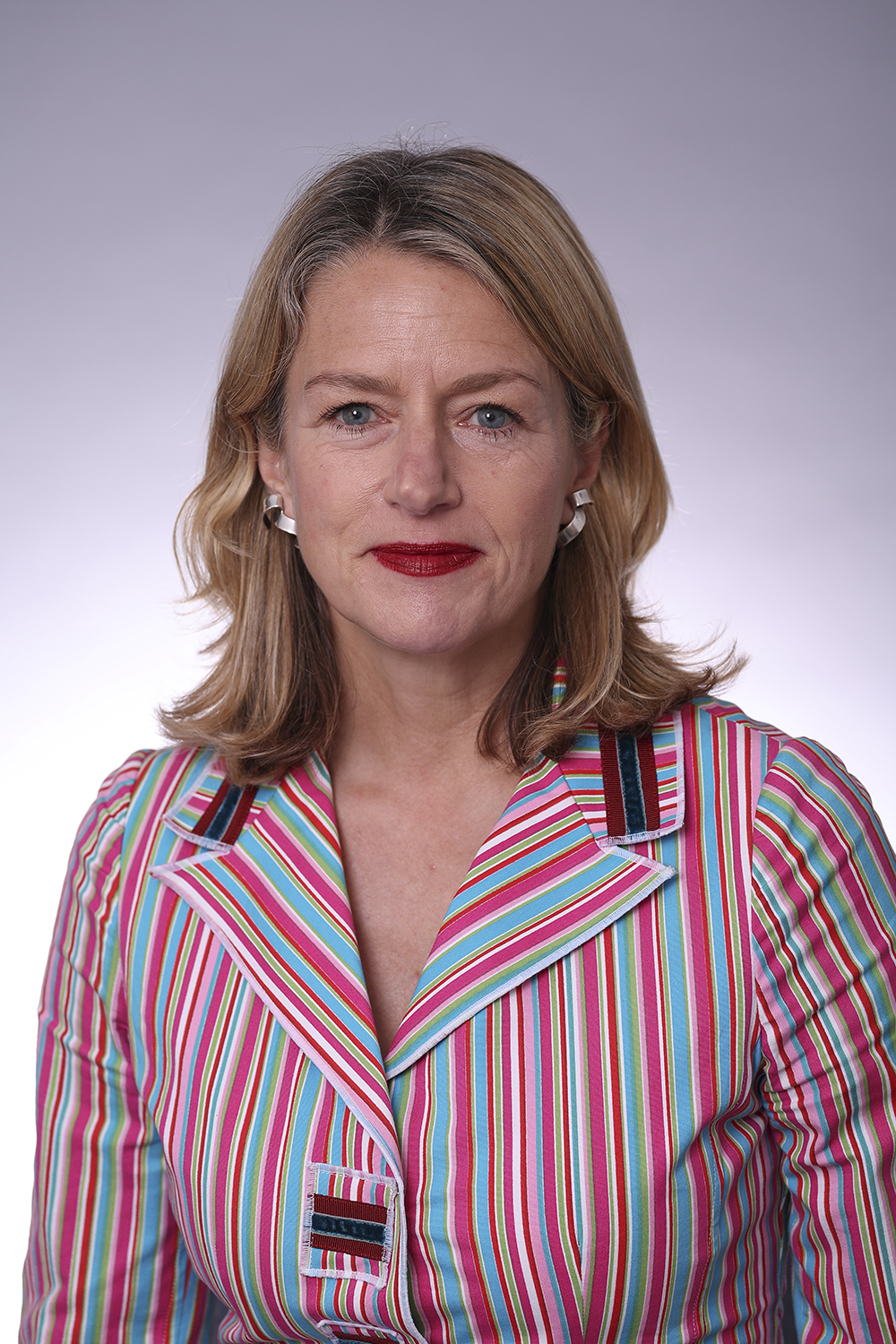
      Marc Pierini
  • Commentary
    Strategic Europe
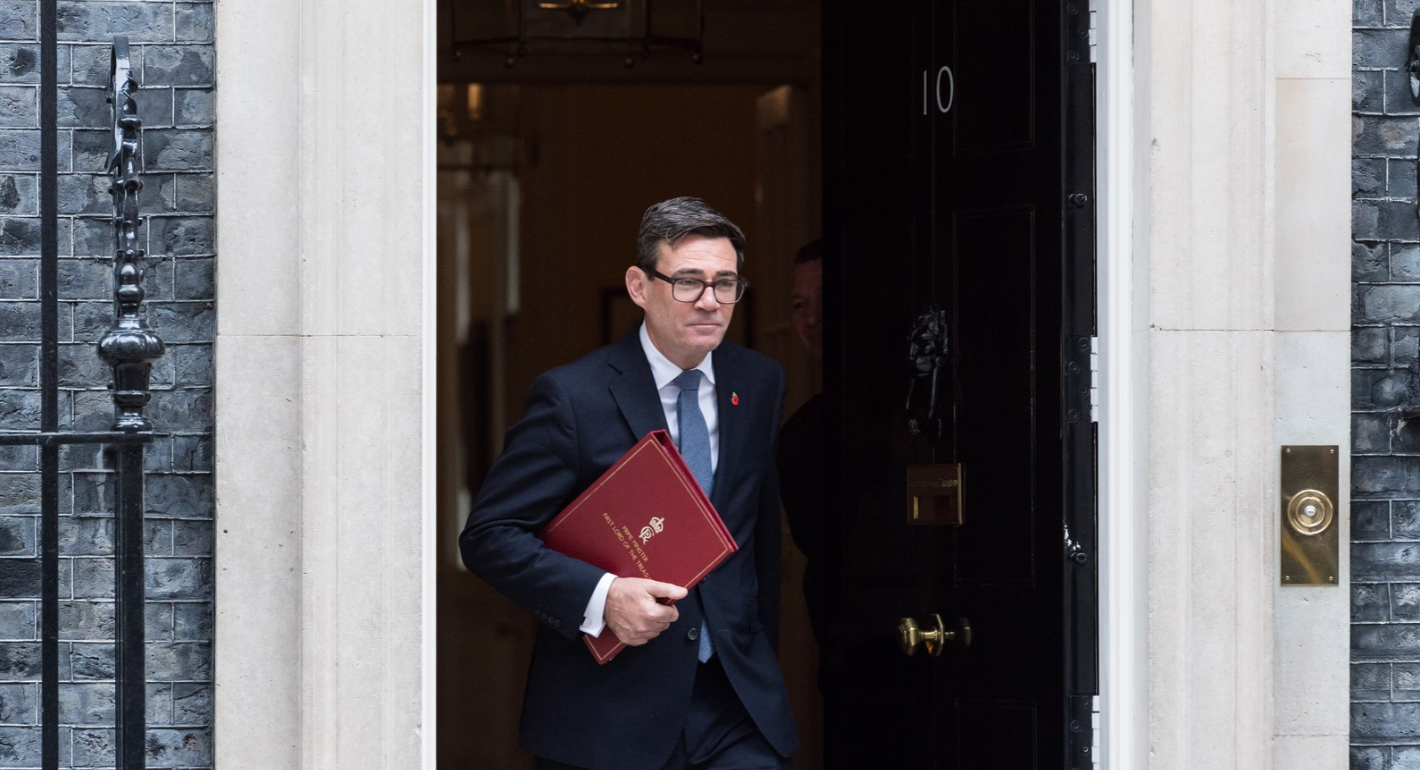
    Taking the Pulse: Is Burnham’s EU Policy Bold Enough?

    Resetting relations with the EU is a central plank of the UK’s current foreign policy. Is Andy Burnham being bold enough or is he falling into the same trap as his predecessors, misreading the power dynamic?

      • Rym Momtaz

      Rym Momtaz, ed.

  • Commentary
    Carnegie Politika
    Price Analysis Shows China Holds Upper Hand in Russia Gas Supply Talks

    A leak of Russian gas price data helps establish that China is paying Russia far less than Central Asian countries and Gazprom’s former European customers.
      • Sergey Vakulenko

      Sergey Vakulenko

  • Men in suits watching people dancing
    Commentary
    Emissary
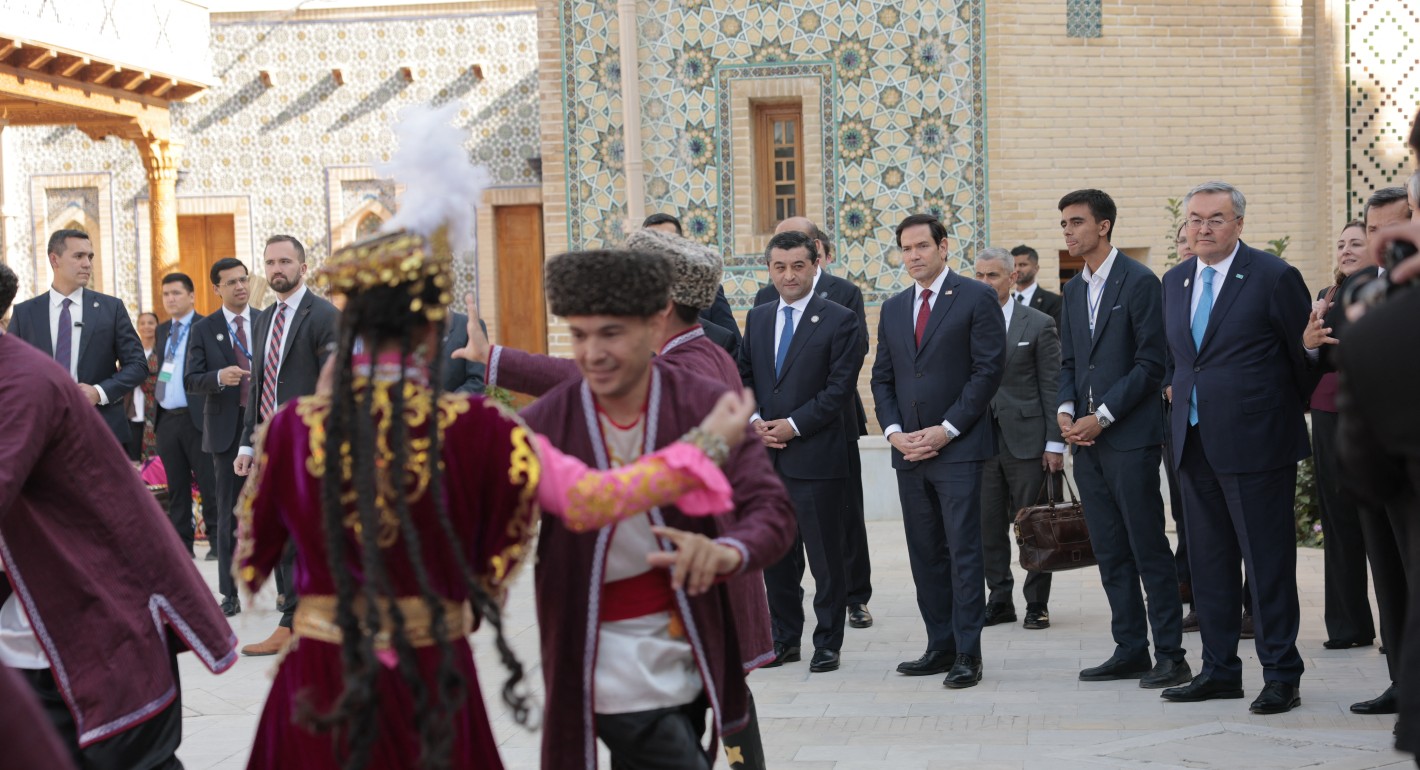
    Central Asia Wants U.S. Investments. It Is Less Sure About U.S. Conditions.

    Rubio’s recent visit brought welcome attention, but more capital requires governance changes that may be a hard sell for regional governments.

      Jennifer B. Murtazashvili

Get more news and analysis from
Carnegie Endowment for International Peace
Carnegie global logo, stacked
1779 Massachusetts Avenue NWWashington, DC, 20036-2103Phone: 202 483 7600
  • Research
  • Emissary
  • About
  • Experts
  • Donate
  • Programs
  • Events
  • Blogs
  • Podcasts
  • Contact
  • Annual Reports
  • Careers
  • Privacy
  • For Media
  • Government Resources
Get more news and analysis from
Carnegie Endowment for International Peace
© 2026 Carnegie Endowment for International Peace. All rights reserved.