Research
- +10
Rosa Balfour, Frances Z. Brown, Yasmine Farouk, …
{
  "authors": [
    "Moisés Naím"
  ],
  "type": "legacyinthemedia",
  "centerAffiliationAll": "",
  "centers": [
    "Carnegie Endowment for International Peace"
  ],
  "collections": [],
  "englishNewsletterAll": "",
  "nonEnglishNewsletterAll": "",
  "primaryCenter": "Carnegie Endowment for International Peace",
  "programAffiliation": "",
  "programs": [],
  "projects": [],
  "regions": [
    "Middle East"
  ],
  "topics": []
}
REQUIRED IMAGE
Source: Financial Times
People of Arab descent living in the US are better educated and wealthier than the average American of non-Arab descent. That is one surprising conclusion drawn from data collected by the US Census Bureau in 2000. The census also found that Arab Americans are better educated and wealthier than Americans in general.
Whereas 24 per cent of all Americans hold college degrees, 41 per cent of Arab-Americans are college graduates. The median annual income of an Arab-American family living in the US is $52,300 - 4.6 per cent higher than the figure for all other American families. More than half of such families own their home. Forty-two per cent of people of Arab descent in the US work as managers or professionals, while the overall average is 34 per cent.
That immigrants generally do better than their compatriots back home is no surprise. What is far less common is for immigrants to out-perform the average population of their adopted home. This should prompt debates on issues such as the notion that cultural factors lie behind the Middle East 's widespread poverty. Cultural explanations for why some succeed when others fail have a long history. From the argument that the "Protestant work ethic" was more compatible with capitalism than other religions to the idea that "Asian values" drove east Asia 's economic miracle, the "culture" factor has been a common explanation for economic success or failure.
The Middle East 's poor economic and social performance today has also prompted some to argue there is a malignancy in the prevailing culture. Such views are fuelled by the inexcusably poor performance of Arab nations. In the last two decades, no region besides sub-Saharan Africa has seen income per person grow as slowly as the Middle East . At the current rate, it will take the average Arab living there 140 years to double his or her income. Asians, Europeans and North Americans are expected to double their incomes in the next 10 years. The total economic output - including oil - of all Arab countries is less than that of Spain , and the Middle East 's unemployment rates are the highest in the developing world while its literacy rates rank near the bottom.
But if cultural impediments are behind the Arab world's disappointing performance, what explains the success of people of Arab descent in America ? One common perception is that Arabs who come to the US come from the wealthier Arab countries and are already better off. Another answer, of course, is that the US offers them better opportunities and institutions. Arabs in the US have ample opportunities to prosper and can rely on institutions to protect their civil and economic rights to do so.
It is tempting to dismiss the achievements of Arab-Americans by pointing out that people who emigrate tend to be younger, more ambitious and entrepreneurial. In this view, the Arab-Americans doing so well in the US would have made it anywhere.
Sadly, that is not true. Otherwise, why are Arab immigrants in Europe worse off than those in the US ? Why are leaders of Arab communities in France warning that social and racial tensions could create a social and political atom bomb? France may be an extreme case, but the situation of Arabs in the rest of Europe is hardly better. In general, Muslims living in Europe (of which Arabs constitute a significant proportion) are poorer, less educated and in worse health than the rest of the population. In the Netherlands , the unemployment rate for ethnic Moroccans is 22 per cent, roughly four times the rate for the country as a whole. The problems of Arabs and Muslims in Europe are particularly worrying given that the 14 states or entities along Europe 's eastern and southern borders are home to 385m Muslims - mostly Arabs - with a birth rate more than double that of Europeans.
The US census data should prompt soul-searching in many quarters. Cultural determinists may want to revise their theories of Arab backwardness. Arab leaders should be ashamed when they see their emigrants prospering in the US while their own people are miserable. Europeans, too, should consider why their Arab immigrants lag so far behind those in America . Finally, Americans need to ponder if the changes instituted after the terrorist attacks of September 11 2001 will make future generations of Arab immigrants look more like their disadvantaged European compatriots than like today's successful Arab-Americans.
The writer , editor in chief of Foreign Policy magazine, is author of the forthcoming Illicit: How Smugglers, Traffickers and Copycats are Hijacking the Global Economy (Doubleday/WmHeinemann)

Distinguished Fellow
Moisés Naím is a distinguished fellow at the Carnegie Endowment for International Peace, a best-selling author, and an internationally syndicated columnist.
Recent Work



Rosa Balfour, Frances Z. Brown, Yasmine Farouk, …
Moisés Naím
Carnegie does not take institutional positions on public policy issues; the views represented herein are those of the author(s) and do not necessarily reflect the views of Carnegie, its staff, or its trustees.

Four Middle East experts analyze the region’s reactions and next steps.



Amr Hamzawy, Andrew Leber, Eric Lob, …
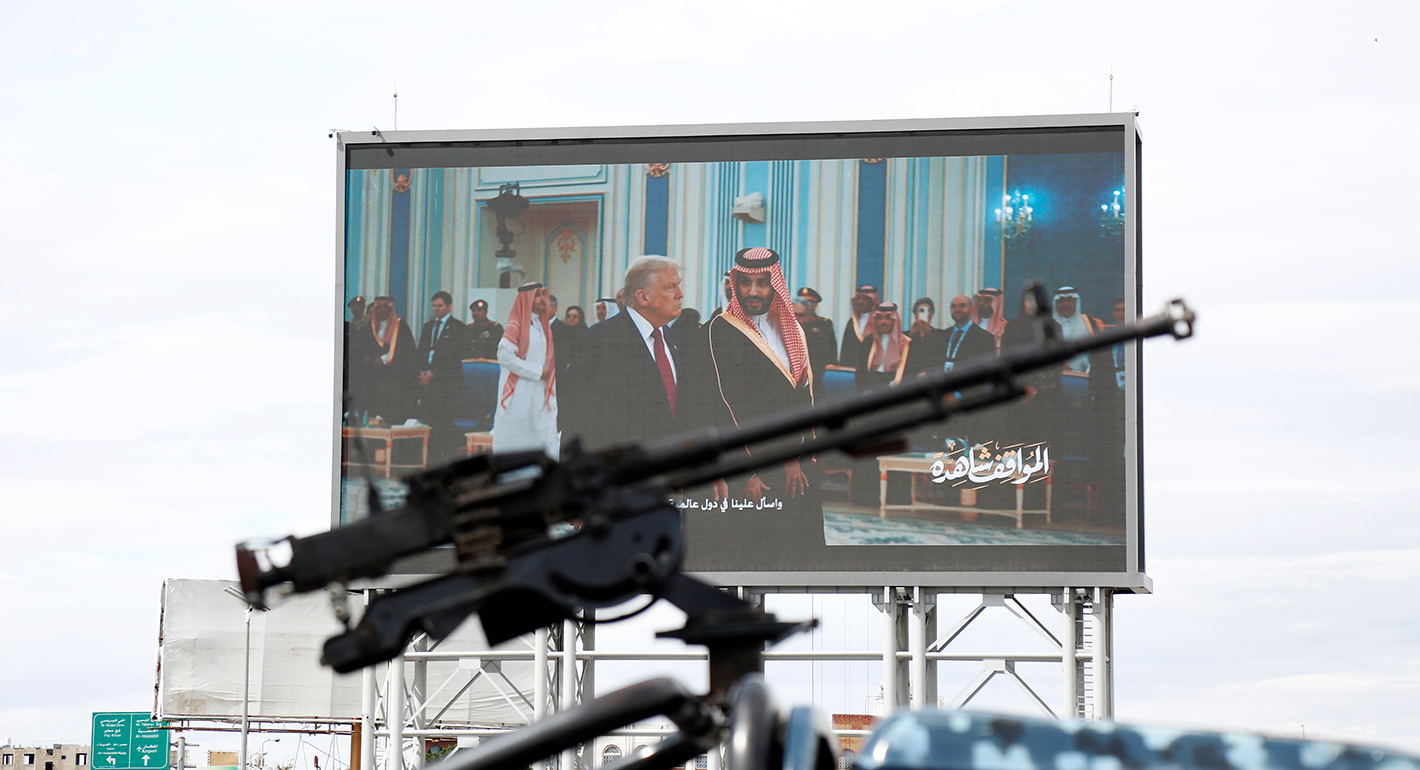
As the war between the United States, Israel, and Iran continues, Carnegie scholars contribute cutting-edge analysis on the events of the war and their wide-reaching implications. From the impact on Iran and its immediate neighbors to the responses from Gulf states to fuel and fertilizer shortages caused by the effective shutdown of the Strait of Hormuz, the war is reshaping Middle East alliances and creating shockwaves around the world. Carnegie experts analyze it all.
The return of war as the organizing factor in Middle Eastern politics has predictable consequences: governments are prioritizing regime stability and becoming averse to political and social reform.

Sarah Yerkes, Amr Hamzawy
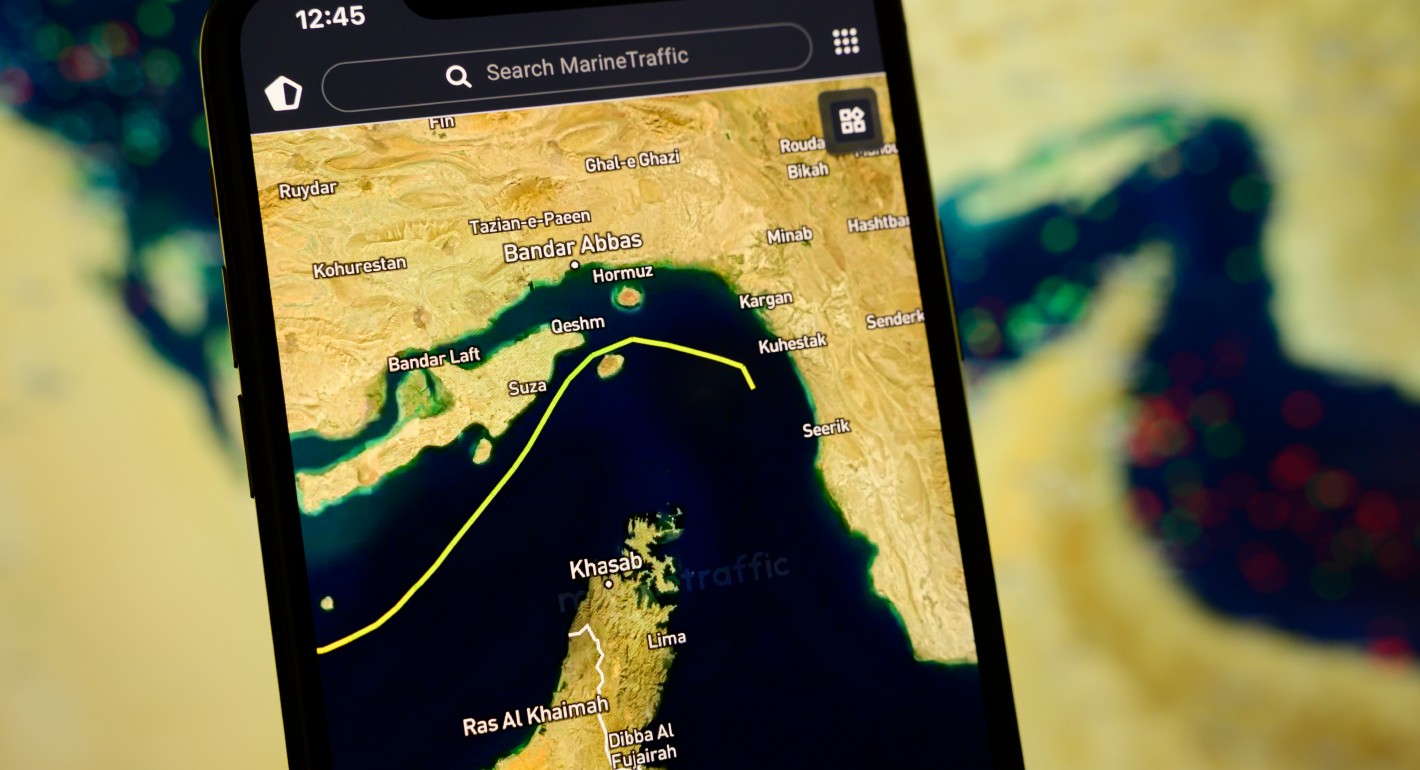
Why the Iran ceasefire isn’t a quick fix to the Strait of Hormuz energy crisis.


Helima Croft, Aaron David Miller
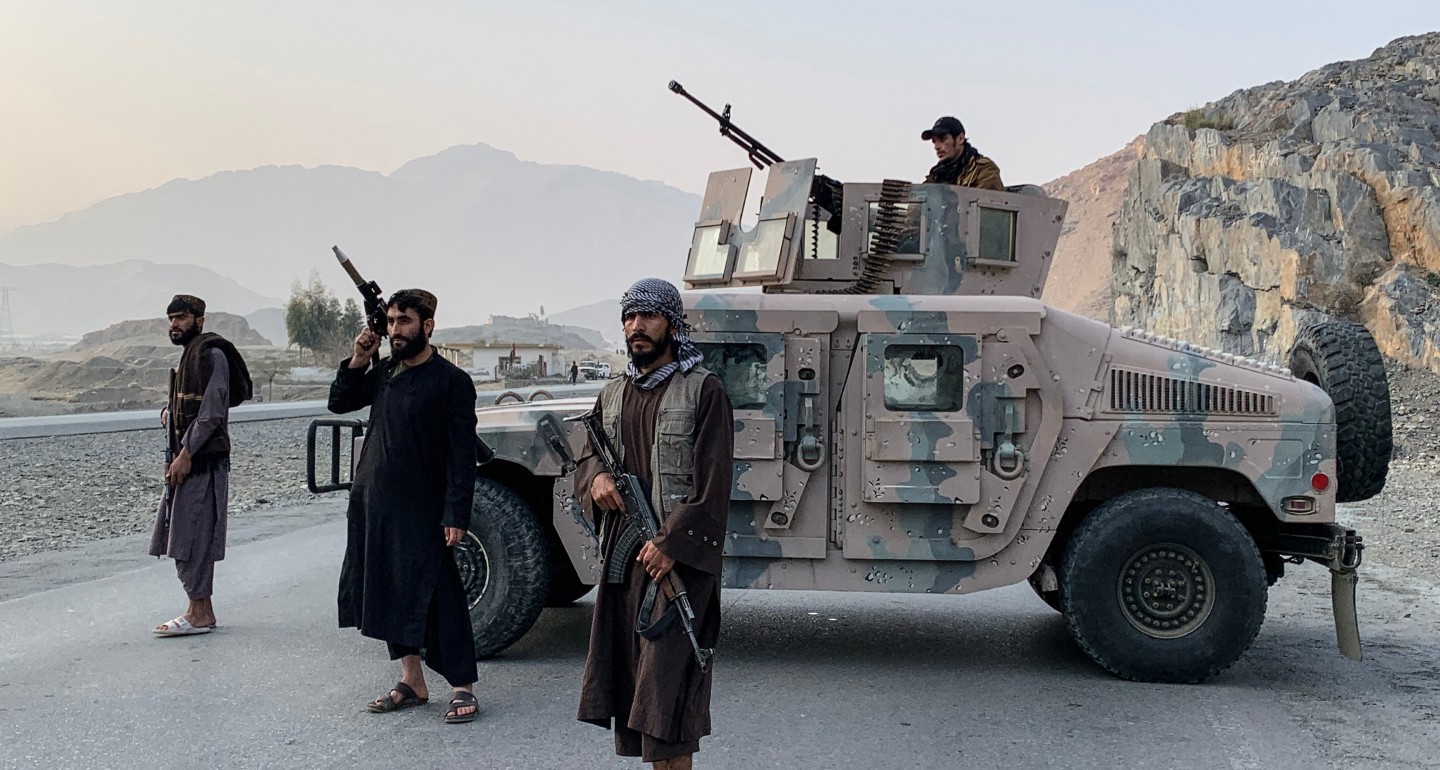
Not only does the fighting jeopardize regional security, it undermines Russian attempts to promote alternatives to the Western-dominated world order.

Ruslan Suleymanov