Q&A
Christopher Boucek
{
  "authors": [
    "Christopher Boucek"
  ],
  "type": "legacyinthemedia",
  "centerAffiliationAll": "dc",
  "centers": [
    "Carnegie Endowment for International Peace"
  ],
  "collections": [],
  "englishNewsletterAll": "menaTransitions",
  "nonEnglishNewsletterAll": "",
  "primaryCenter": "Carnegie Endowment for International Peace",
  "programAffiliation": "MEP",
  "programs": [
    "Middle East"
  ],
  "projects": [],
  "regions": [
    "Saudi Arabia"
  ],
  "topics": [
    "Political Reform",
    "Economy"
  ]
}
Source: Getty
The prominent role of the internet in propagating and perpetuating violent Islamist ideology is well known. As such, identifying methods to short-circuit internet radicalization has become an urgent goal for numerous governments. Saudi Arabia has quietly supported initiatives to combat internet radicalization. One of the most developed programs is the Sakinah Campaign.
Source: CTC Sentinel

In recent years, Saudi Arabia has quietly supported initiatives to combat internet radicalization. One of the most developed programs is the Sakinah Campaign, which began several years ago to fight online radicalization and recruitment. Named after the Arabic word for religiously inspired tranquility, the Sakinah Campaign operates as an independent, non-governmental organization, supported by the Ministry of Islamic Affairs. Similar to other counter-radicalization and demobilization strategies in the kingdom, the Sakinah Campaign uses Islamic scholars to interact online with individuals looking for religious knowledge, with the aim of steering them away from extremist sources.
This article originally appeared in CTC Sentinel Combating Terrorism Center, West Point

Former Associate, Middle East Program
Boucek was an associate in the Carnegie Middle East Program where his research focused on security challenges in the Arabian Peninsula and Northern Africa.
Recent Work
Christopher Boucek

Christopher Boucek, Karim Sadjadpour
Carnegie does not take institutional positions on public policy issues; the views represented herein are those of the author(s) and do not necessarily reflect the views of Carnegie, its staff, or its trustees.
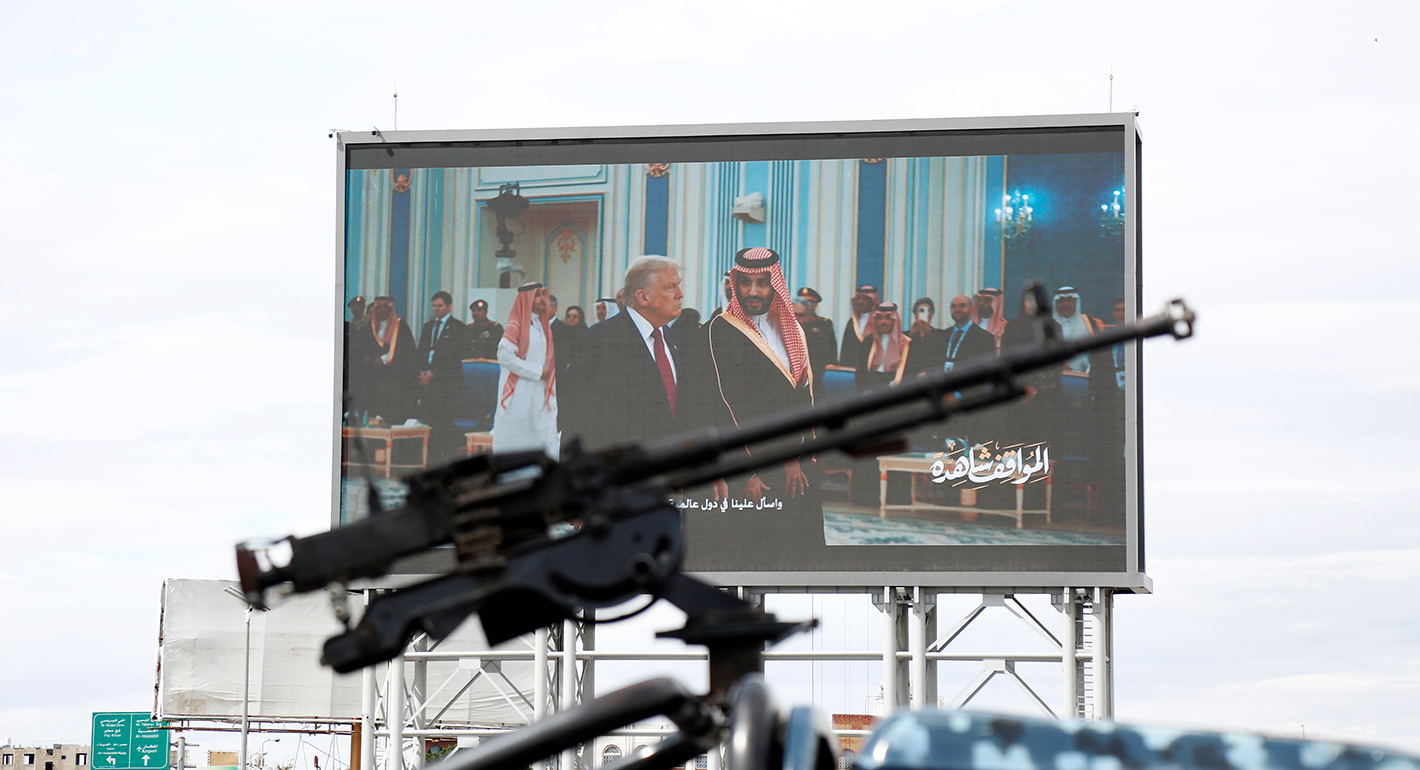
As the war between the United States, Israel, and Iran continues, Carnegie scholars contribute cutting-edge analysis on the events of the war and their wide-reaching implications. From the impact on Iran and its immediate neighbors to the responses from Gulf states to fuel and fertilizer shortages caused by the effective shutdown of the Strait of Hormuz, the war is reshaping Middle East alliances and creating shockwaves around the world. Carnegie experts analyze it all.
The return of war as the organizing factor in Middle Eastern politics has predictable consequences: governments are prioritizing regime stability and becoming averse to political and social reform.


Sarah Yerkes, Amr Hamzawy
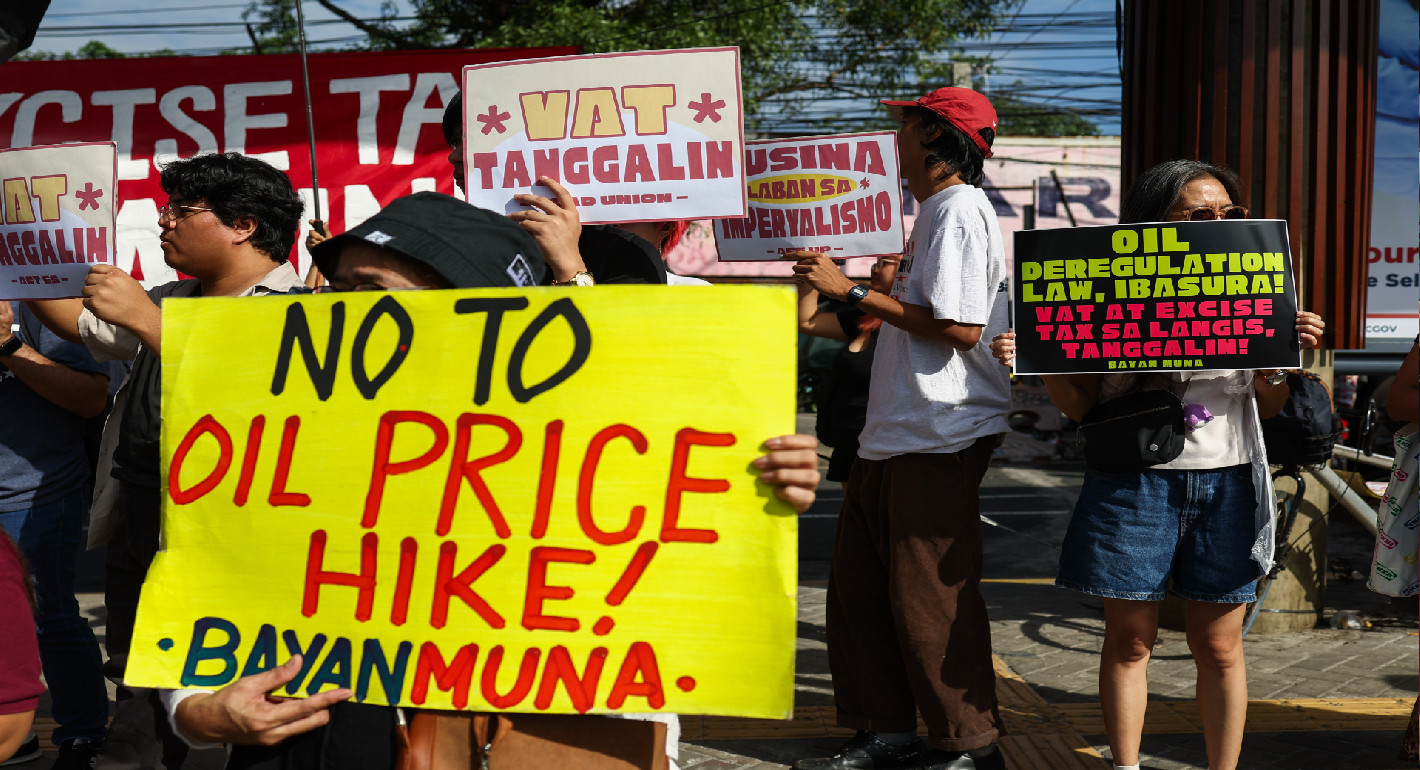
There is no better time for the countries of Southeast Asia to reconsider their energy security than during this latest crisis.

Gita Wirjawan
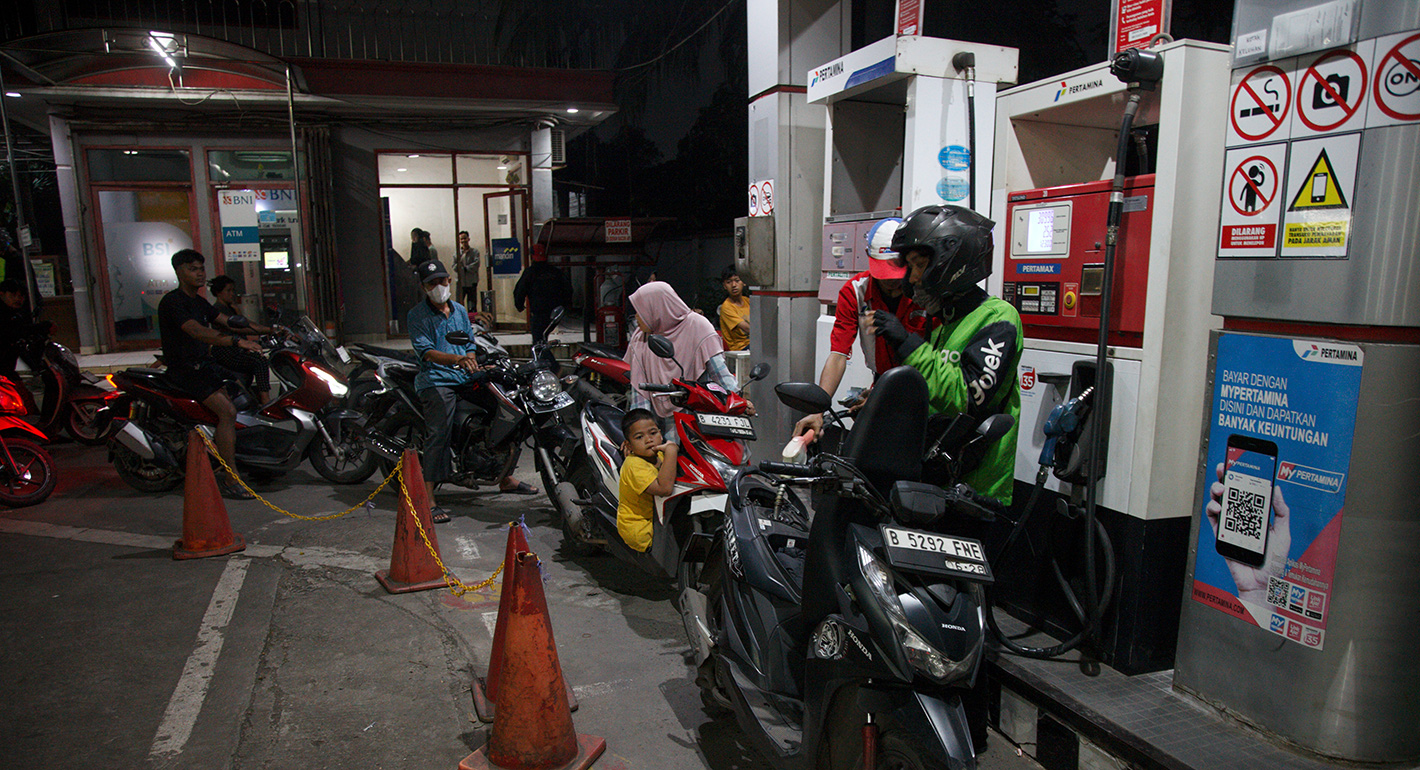
As conflict in the Middle East drives up fuel costs across Asia, Indonesia faces difficult policy trade-offs over subsidies, inflation, and fiscal credibility. President Prabowo’s personalized governance style may make these hard choices even harder to navigate.

Sana Jaffrey

The United States ignores the region’s lived experience—and the tough political and social trade-offs the war has produced—at its peril.

Evan A. Feigenbaum