

Q&A
Christopher Boucek

Source: Getty
The increasing use of unconventional, “soft” measures to combat violent extremism in Saudi Arabia is bearing positive results, leading others in the region, including the U.S. in Iraq, to adopt a similar approach.
Source: Carnegie Endowment

Roughly 3,000 prisoners have participated in Saudi Arabia’s rehabilitation campaign—which seeks to address the underlying factors that facilitate extremism and prevent further violent Islamism. Saudi authorities claim a rehabilitation success rate of 80 to 90 percent, having re-arrested only 35 individuals for security offenses.
Key components of the Saudi strategy:
• Prevention: Saudi Arabia has employed hundreds of government programs to educate the public about radical Islam and extremism, as well as provide alternatives to radicalization among young men. Projects from athletic competitions, to lectures, writing contests, and public information campaigns have all had a significant impact on Saudi public perceptions of terrorism.
• Rehabilitation: The centerpiece of the rehabilitation strategy is a comprehensive counseling program designed to re-educate violent extremists and sympathizers and to encourage extremists to renounce terrorist ideologies. Members of the Ministry of Interior’s “Advisory Committee” frequently meet with detainees or draw from a large number of religious scholars to counsel prisoners to counter “corrupted understandings” and “misinterpretations of correct doctrine.” In many cases, Saudi Arabia encourages family participation in the rehabilitation process, even providing alternative income for families whose sole breadwinner has been imprisoned.
• Aftercare programs: The Ministry of Interior employs several initiatives to ensure that counseling and rehabilitation continue after release from state custody, including a halfway house program to ease release into society and programs to reintegrate returnees from Guantanamo Bay. Through educational training, continued religious and psychological counseling, and extensive social network support, the program works to help detainees past the period in their lives when militant activity is most appealing.
Boucek concludes:
“In only a few years’ time, Saudi Arabia’s soft strategy to combat extremism and terrorism has generated some very promising results. It warrants greater evaluation, especially as other nations struggling with extremism look at what is being accomplished in the kingdom for lessons they can apply in their homeland. Throughout the Middle East, Europe, and Asia, similar programs are starting to emerge. That other nations emulate the Saudi program is ultimately based upon the recognition that the defeat of extremism cannot be achieved through hard security measures alone. That, in itself, is a major accomplishment.

Former Associate, Middle East Program
Boucek was an associate in the Carnegie Middle East Program where his research focused on security challenges in the Arabian Peninsula and Northern Africa.
Recent Work
Christopher Boucek

Christopher Boucek, Karim Sadjadpour
Carnegie does not take institutional positions on public policy issues; the views represented herein are those of the author(s) and do not necessarily reflect the views of Carnegie, its staff, or its trustees.
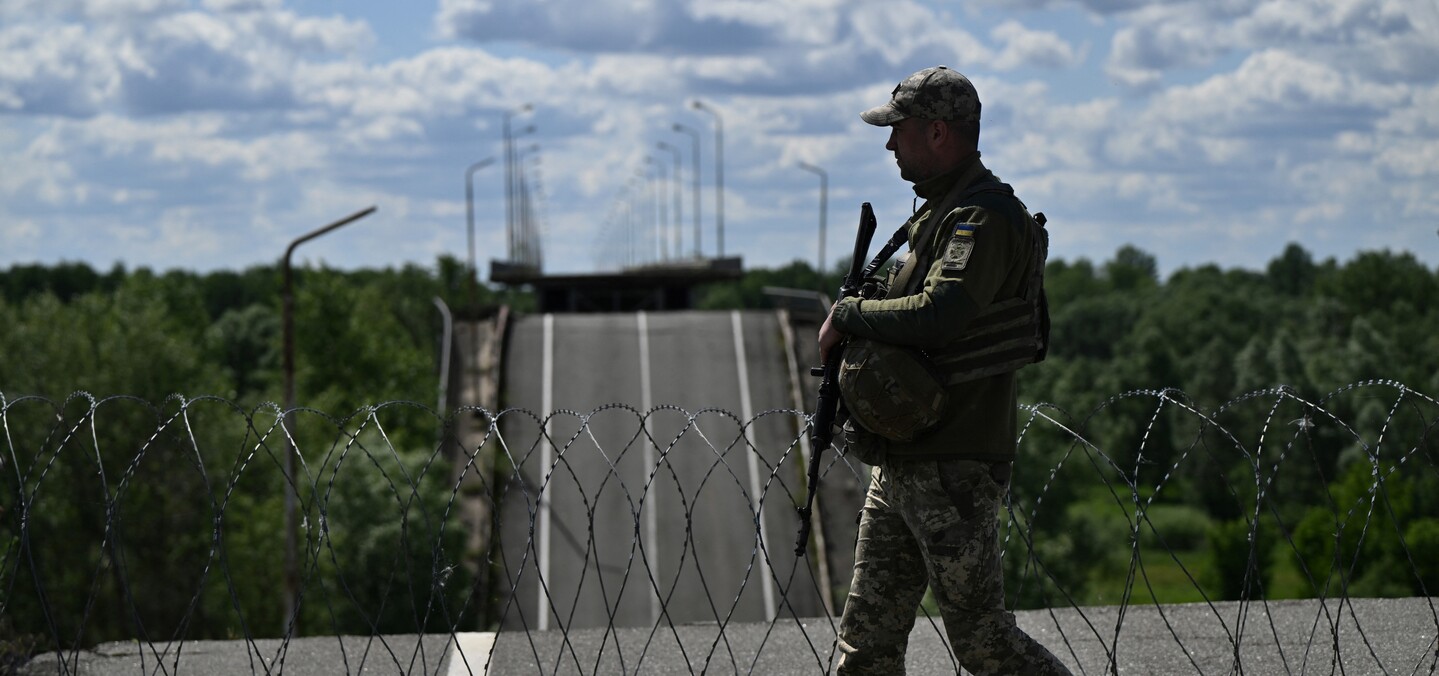
The recent damage inflicted by Ukrainian drones and missiles on Russia has made Belarus aware of its own vulnerabilities—and surprisingly amenable to Kyiv’s demands.

Artyom Shraibman

After the chill in ties between 2020 and 2024 that brought India–China relations to their lowest point in several decades, the two countries have engaged each other afresh. This paper argues that there are predominantly four imperatives guiding India’s approach to China, and they exist in an order of priority.

Saheb Singh Chadha
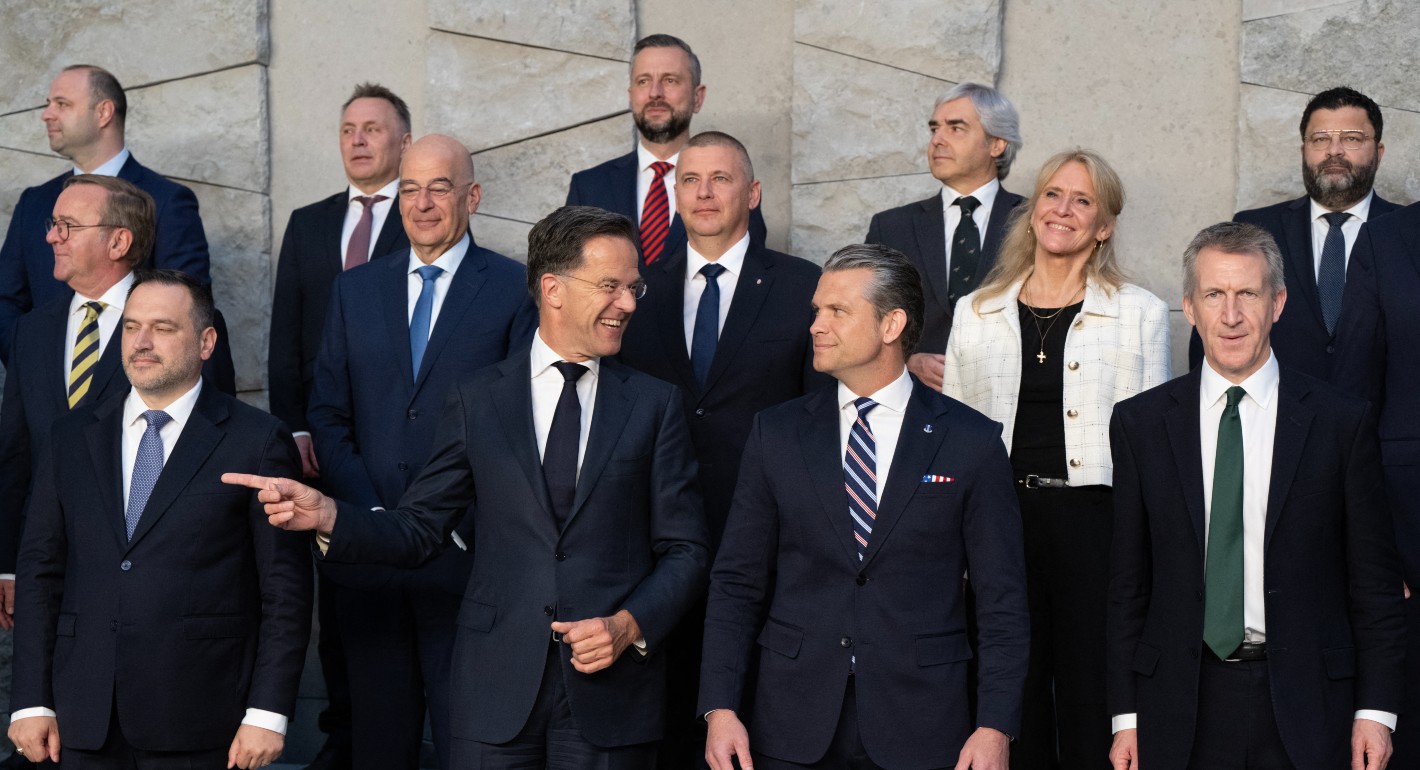
European allies are less focused on appeasing Trump and more focused on smoothing the transition to a Europe-led alliance.



Sophia Besch, Alper Coşkun, Nate Reynolds, …

Middle powers in the region will keep hedging between Washington and Beijing. It’s in the great powers’ interests to play along.

Amr Hamzawy, Kathryn Selfe
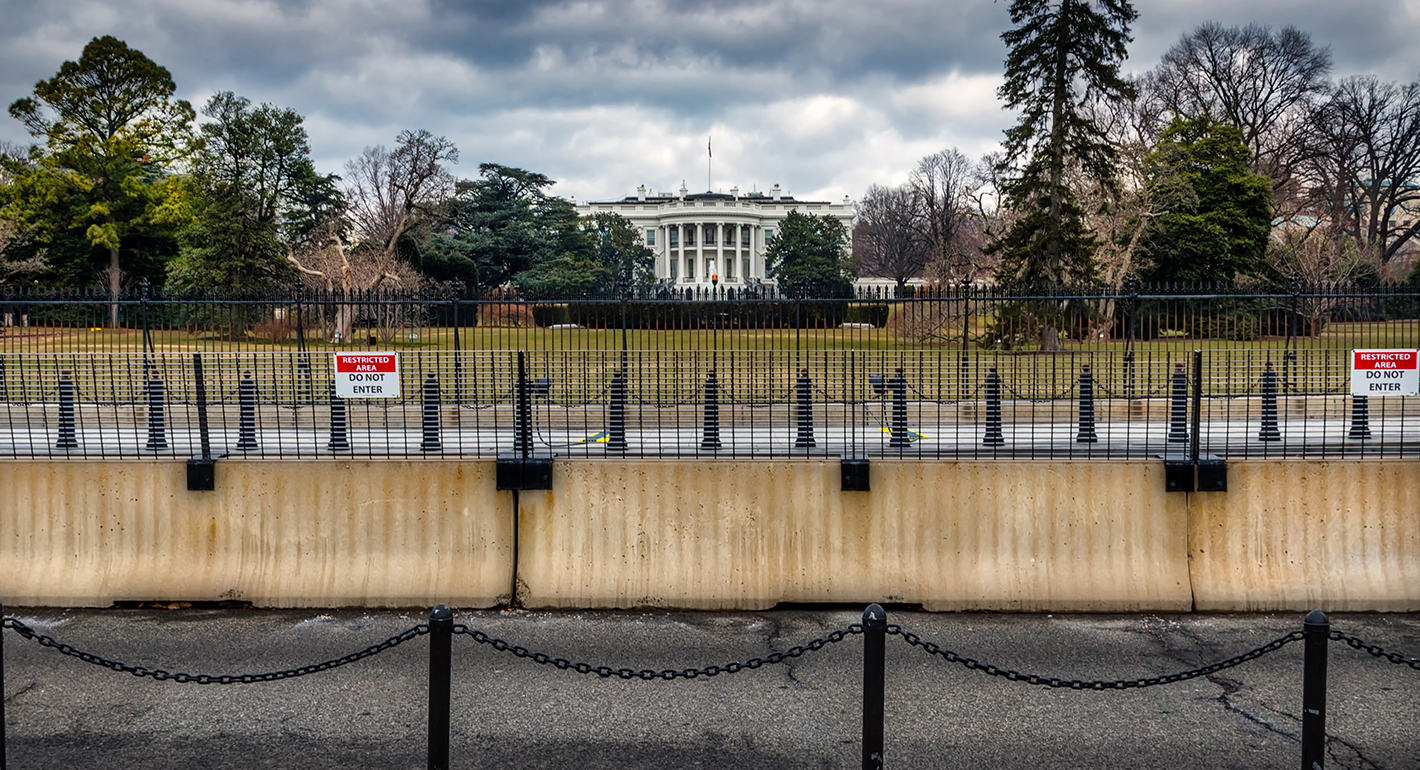
Democratic erosion is undercutting four key elements of U.S. power, with mounting and likely lasting effects.

Thomas Carothers