• Research
  • Emissary
  • About
  • Experts
Carnegie Global logoCarnegie lettermark logo
DemocracyIran
  • Donate
REQUIRED IMAGE

REQUIRED IMAGE

Paper
Malcolm H. Kerr Carnegie Middle East Center

Salafism and Radical Politics in Postconflict Algeria

Since the civil war of the 1990s, Algeria’s government has given moderate Islamist parties only a superficial role in politics. The resulting rise of Salafism, which rejects the country’s political system, reveals the need for Algeria to increase political transparency and participation and engage its citizens to discourage radicalization outside the political system.

Link Copied
By Amel Boubekeur
Published on Oct 20, 2008

Additional Links

Salafism and Radical Politics in Algeria - English (PDF)Salafism and Radical Politics in Algeria - Arabic (PDF)
Program mobile hero image

Program

Middle East

The Middle East Program in Washington combines in-depth regional knowledge with incisive comparative analysis to provide deeply informed recommendations. With expertise in the Gulf, North Africa, Iran, and Israel/Palestine, we examine crosscutting themes of political, economic, and social change in both English and Arabic.

Learn More

Since the civil war of the 1990s, Algeria’s government has given moderate Islamist parties only a superficial role in politics. Consequently, support for Algerian Salafism, which rejects the country’s political system, has increased, creating for its followers a separate Islamic way of life without engagement in politics or confrontation with the army.  In a new paper, Amel Boubekeur examines how the rise of Salafism indicates the need for Algeria to increase political transparency and participation and engage its citizens, particularly the young, to discourage radicalization outside the political system.

Violence continues to plague the country despite security measures, enacted at the expense of civil liberties. By cancelling elections and outlawing the radical Islamist party Islamic Salvation Front (FIS) in 1992, the Algerian government effectively pushed radicals out of the political system. In turn, many turned to terrorist groups such as al-Qaeda in the Islamic Maghreb to advance their agenda, while others joined movements rejecting participatory politics and preserving radicalism, such as Da’wa Salafism.
 
Key Conclusions:
  • Da’wa Salafism, currently the most popular Salafi movement, refuses to recognize a secular political system and encourages its followers to re-Islamize society outside the framework of a political party. The success of this movement signals the growing disinterest among young people toward more moderate Islamist parties and their fake participatory strategies.
  • The development of Da’wa Salafism is due in large part to Algeria’s recent economic boom. Benefiting greatly from the oil rent through various business networks, Da’wa Salafists adopt a neutral attitude toward the state which, in turn, tolerates them—contradicting the premise that Islamic radicalization is linked to economic depression. 
  • The detachment of Da’wa Salafism has allowed many former FIS militants to reintegrate within civil society. However, it has not provided a complete solution against terrorist violence, or an opportunity to reintegrate repentant terrorists and radicals into a democratic political system. 
  • Since 9/11, the United States has considered Algeria an important partner in the fight against terrorism. However, this legitimacy has also allowed the government to continually postpone any normalization or pluralization in the political field. The evolution of Algerian Salafism reveals a need within the international community to rethink the place of radical movements in democracy promotion, and focus on bringing radicals—not just moderates—into the political system.
     
  • The Algerian government should empower civil societies, promote the integration of Salafi members into democratic institutions and political parties, make the reconciliation process more transparent, and promote new forms of political legitimacy which are not based on violence and religion.
Boubekeur concludes:
 
“Social stability and national cohesion are challenged because the Algerian people still do not have real opportunities to engage in a process of dialogue uniting civil, political, and military actors. With their own relationship to the state, Algerian forms of Salafism reveal the deep need to switch from the security-oriented politics that has been in force for sixteen years to new modes of participatory politics.”
 
Amel Boubekeur is the head of the Islam and Europe programme at the Centre for European Policy Studies, Brussels and a research fellow at the École des Hautes Études en Sciences Sociales and the École Normale Supérieure, Paris. Her research focuses on North African politics, Euro–Arab relations, and Islam in Europe.

About the Author

Amel Boubekeur

Former Resident Scholar, Middle East Center

Boubekeur was an associate scholar at the Carnegie Middle East Center. Her research focuses on Maghreb country politics, Euro–Arab relations, and Islam in Europe.

    Recent Work

  • Article
    The Tunisian Elections: International Community Must Insist on Moving Beyond Façade Democracy

      Amel Boubekeur

  • Article
    Morocco: The Emergence of a New Palace Party

      Amel Boubekeur

Amel Boubekeur
Former Resident Scholar, Middle East Center
Amel Boubekeur
MaghrebAlgeriaNorth AfricaPolitical ReformDemocracy

Carnegie does not take institutional positions on public policy issues; the views represented herein are those of the author(s) and do not necessarily reflect the views of Carnegie, its staff, or its trustees.
More Work from Carnegie Endowment for International Peace

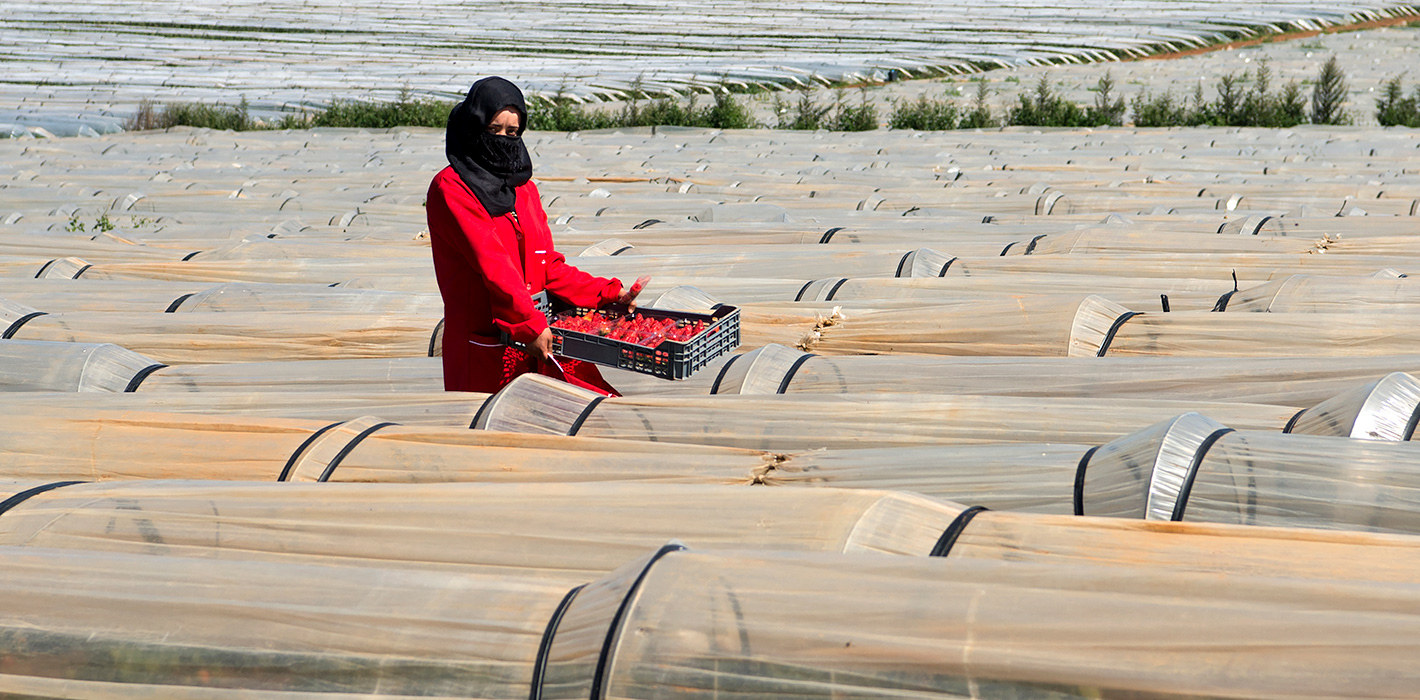
  • Female farm labourers pick strawberries in the Kenitra province country side of Morocco as the world marks the International Women's Day on March 8, 2017.
    Article
    Climate Change, Gender, and Inequality in Morocco’s Souss-Massa Region

    For Morocco, integrating gender into climate governance is not simply a matter of social justice. It is a strategic imperative for effective adaptation.

      Fadwa Rajoauni
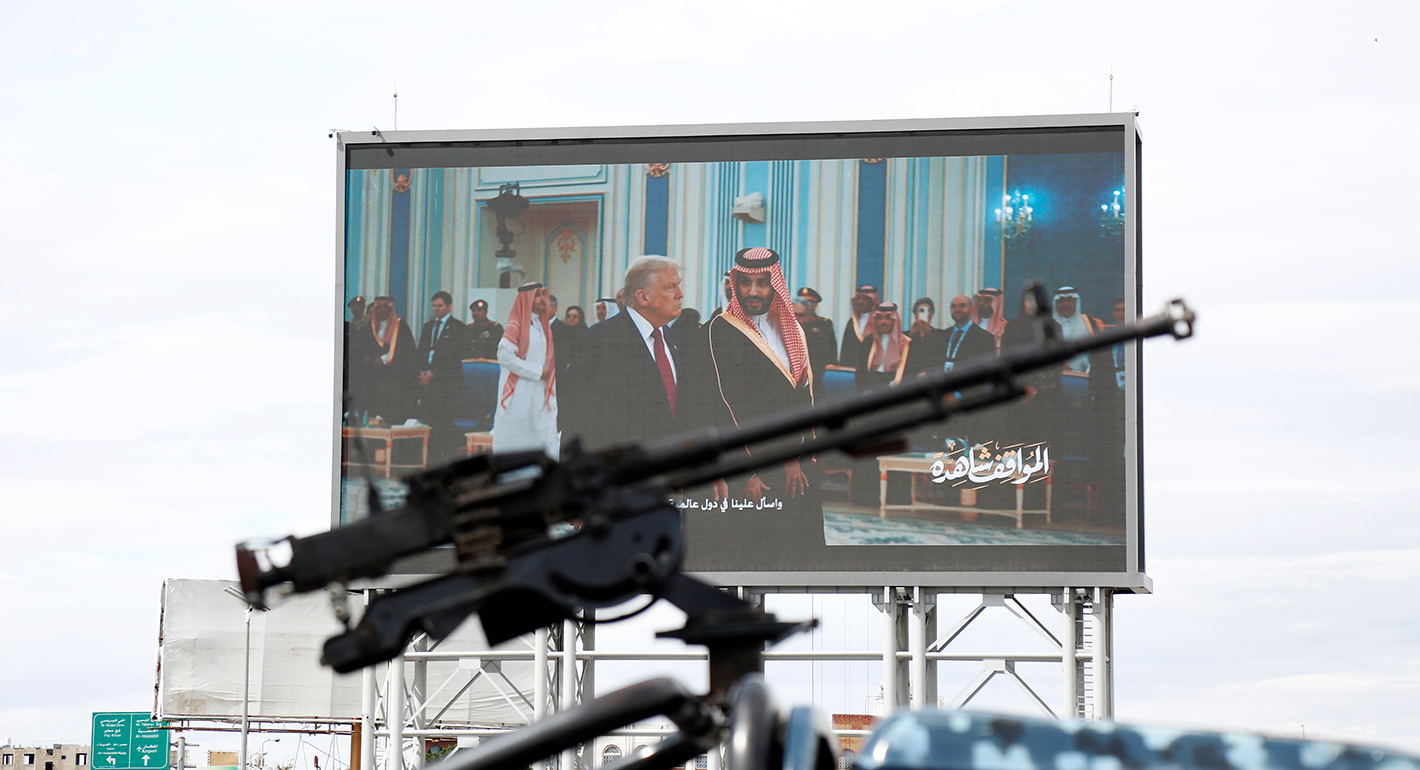
  •  A machine gun of a Houthi soldier mounted on a police vehicle next to a billboard depicting the U.S. president Donald Trump and Mohammed Bin Salman, the Crown Prince and Prime Minister of Saudi Arabia, during a protest staged to show support to Iran against the U.S.-Israel war on March 27, 2026 in Sana'a, Yemen.
    Article
    Amid Iran War, Gulf Countries Slow the Pace of Reforms

    The return of war as the organizing factor in Middle Eastern politics has predictable consequences: governments are prioritizing regime stability and becoming averse to political and social reform.

      • Sarah Yerkes

      Sarah Yerkes, Amr Hamzawy

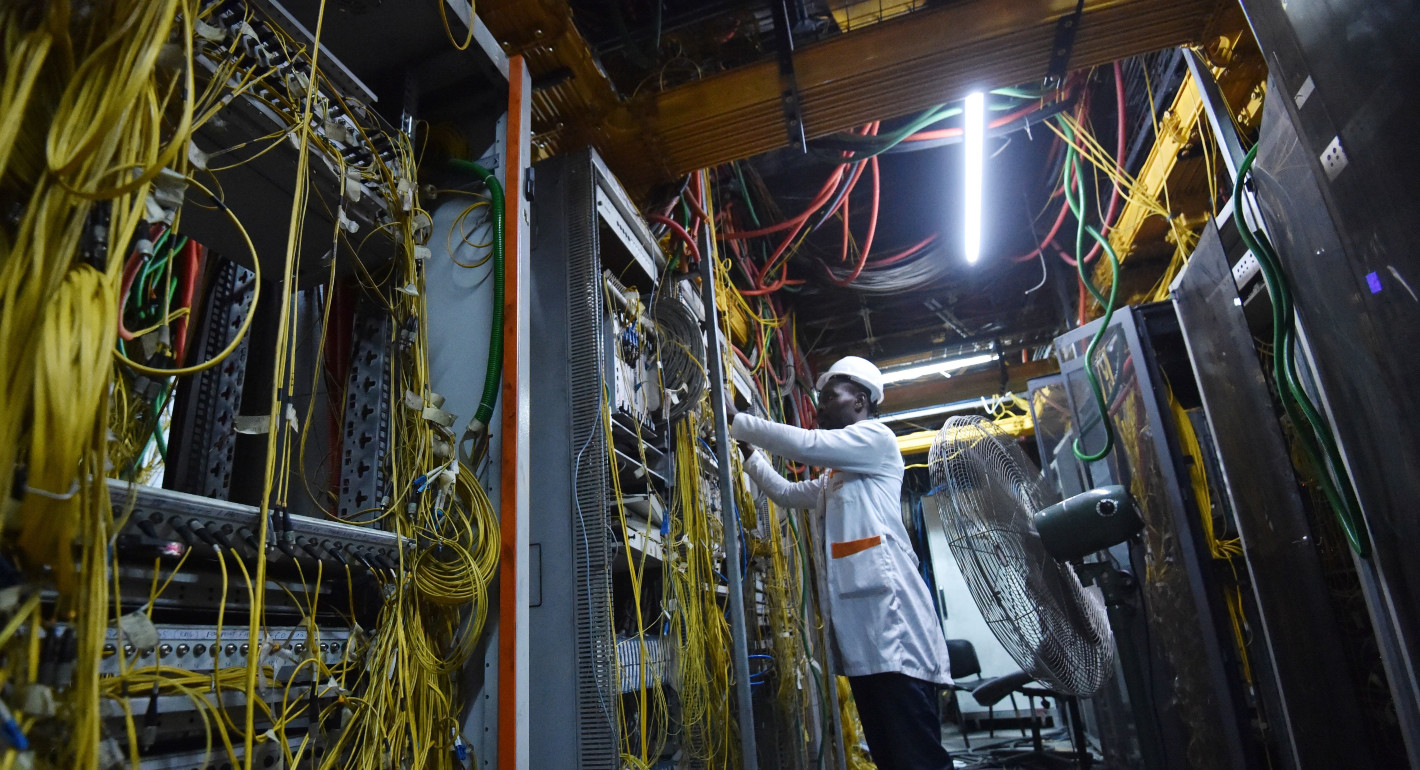
  • Photo of a man conducting repairs in a technical center, surrounded by wires.
    Article
    Africa’s Digital Infrastructure Imperative

    The Africa Technology Policy Tracker reveals policymakers’ priorities for the continent’s digital transformation.
      Jane Munga
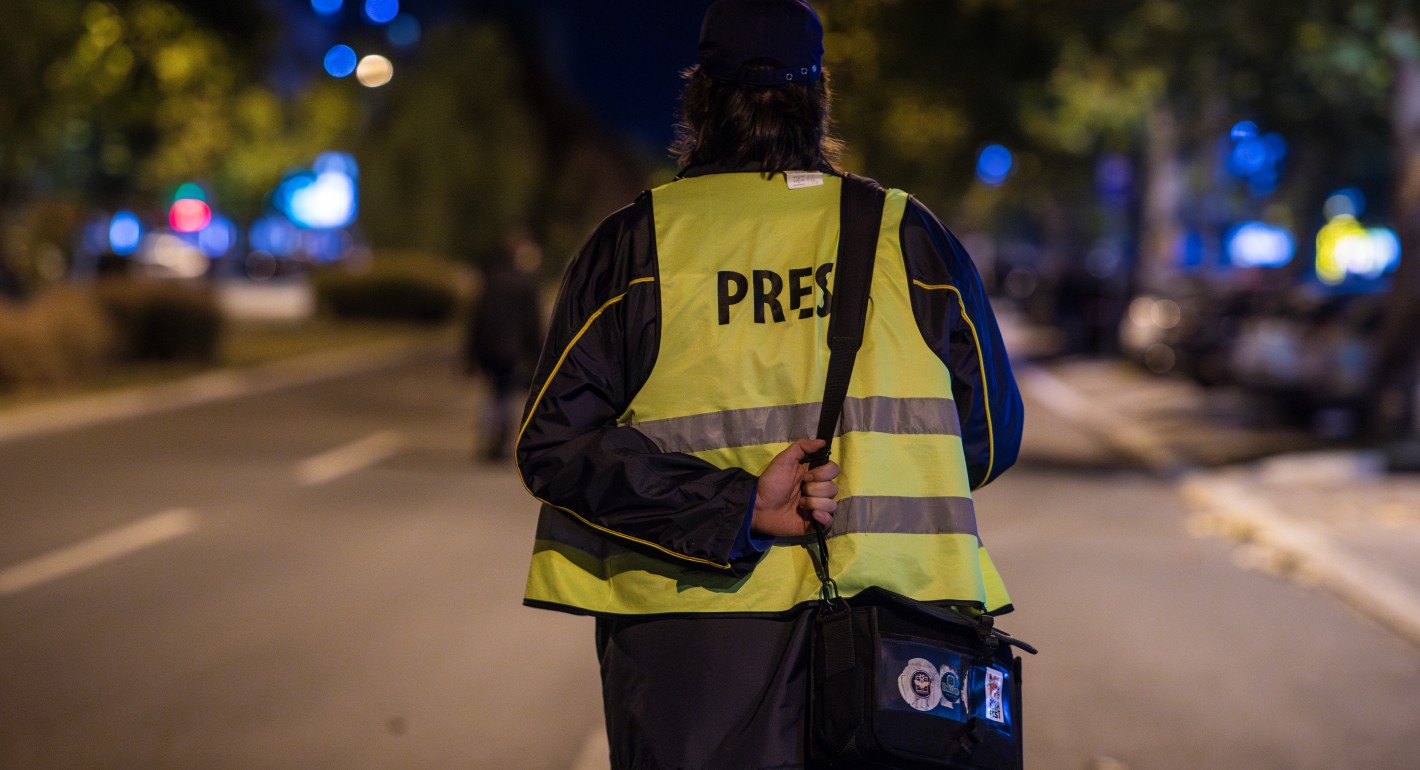
  • A person faces away from the camera wearing a yellow jacket with "PRESS" printed across the back
    Paper
    The Impact of Ending U.S. International Media Assistance

    The future looks bleak for independent media worldwide, but there is a robust infrastructure of knowledge, organizations, and people to build upon.

      Daniel Sabet, Susan Abbott
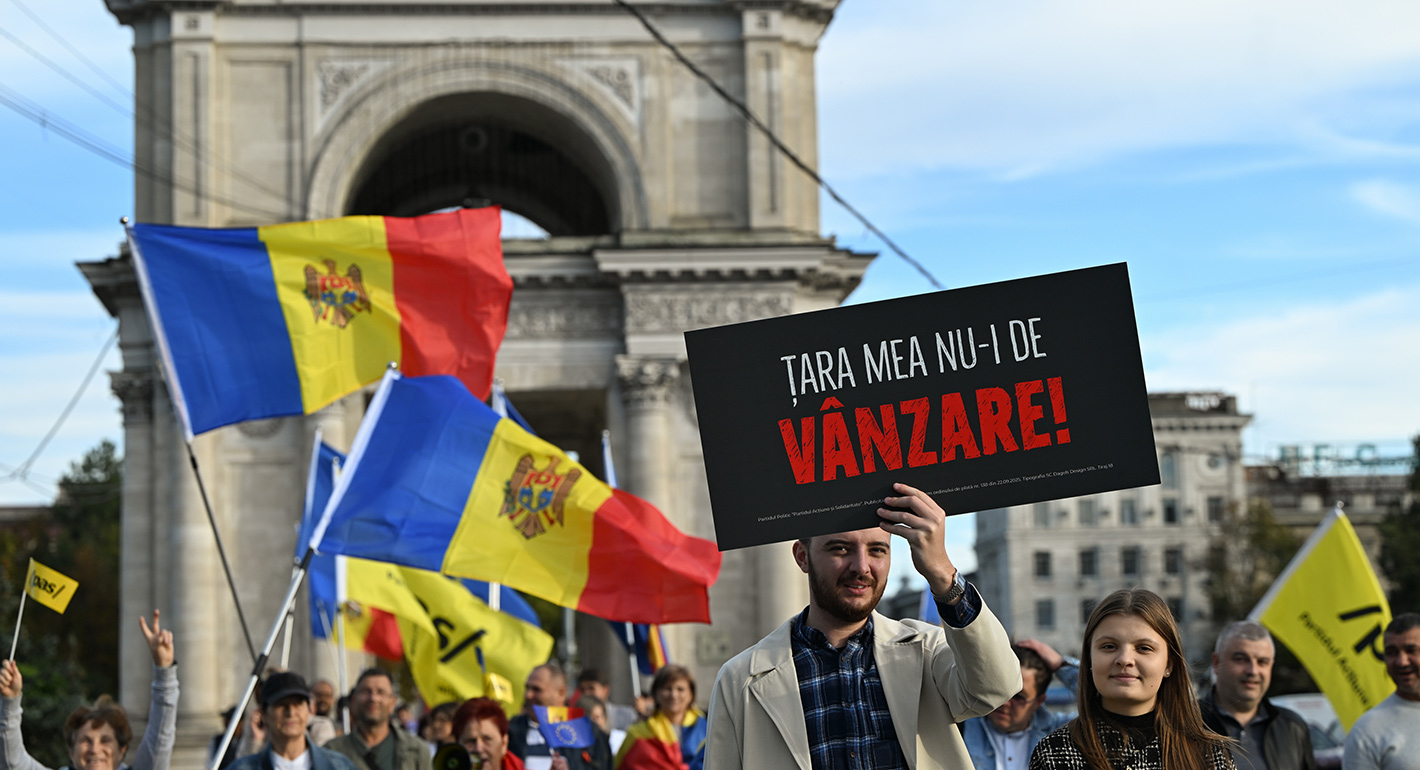
  • Hundreds of members and supporters of the ruling Party of Action and Solidarity (PAS) join Prime Minister Dorin Recean during a pro-EU rally on the final day of the electoral campaign in Chisinau, Moldova, on September 26, 2025.
    Paper
    Alarm or Caution? Defending Democracy During Backsliding

    Defenders of democracy often split over perceptions, methods, urgency levels, and priorities.
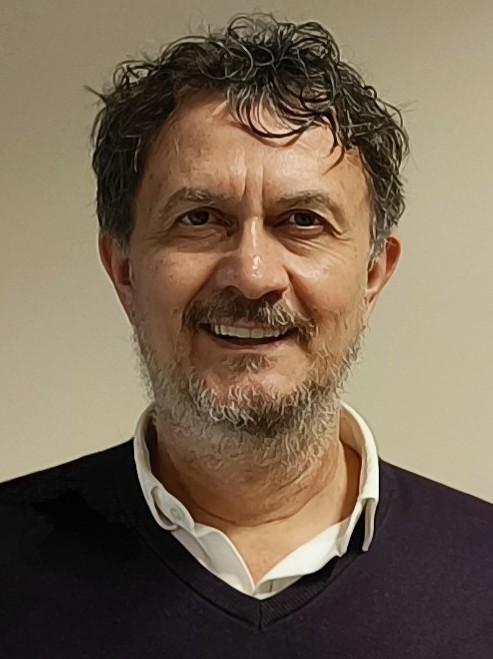
      • Murat Somer

      Murat Somer, Jennifer McCoy

Get more news and analysis from
Carnegie Endowment for International Peace
Carnegie global logo, stacked
1779 Massachusetts Avenue NWWashington, DC, 20036-2103Phone: 202 483 7600Fax: 202 483 1840
  • Research
  • Emissary
  • About
  • Experts
  • Donate
  • Programs
  • Events
  • Blogs
  • Podcasts
  • Contact
  • Annual Reports
  • Careers
  • Privacy
  • For Media
  • Government Resources
Get more news and analysis from
Carnegie Endowment for International Peace
© 2026 Carnegie Endowment for International Peace. All rights reserved.