Commentary
Four Middle East experts analyze the region’s reactions and next steps.
- +1
Amr Hamzawy, Andrew Leber, Eric Lob, …
Source: Getty
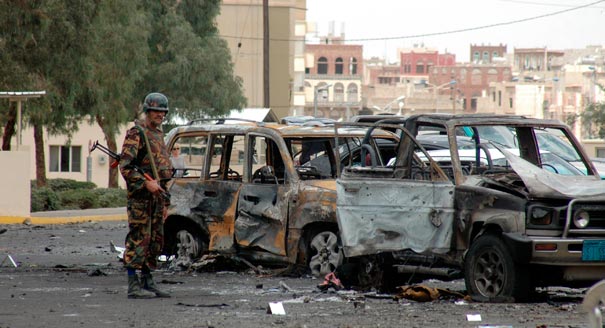
The violent jihad advocated by al-Qaeda is not widely accepted by Yemenis at this point, and there is a small window of opportunity to take steps to undermine al-Qaeda’s influence.
Al-Qaeda has successfully adapted its message in Yemen to exploit local grievances. Still, the violent jihad it advocates is not widely accepted by Yemenis at this point, and there is a small window of opportunity to take steps to undermine al-Qaeda’s influence.
An effective strategy to combat Al-Qaeda in the Arabian Peninsula (AQAP) must identify how the group’s message resonates with Yemenis and develop ways for state institutions to address underlying complaints, contends a paper by Alistair Harris.
“Complementary to targeted intelligence and Yemeni-led law enforcement activities, an effective strategy to combat AQAP must seek to understand which parts of the group’s narrative are resonating and why and how state institutions can address the grievances—real or perceived—articulated by AQAP,” writes Harris.
Alistair Harris
Carnegie does not take institutional positions on public policy issues; the views represented herein are those of the author(s) and do not necessarily reflect the views of Carnegie, its staff, or its trustees.
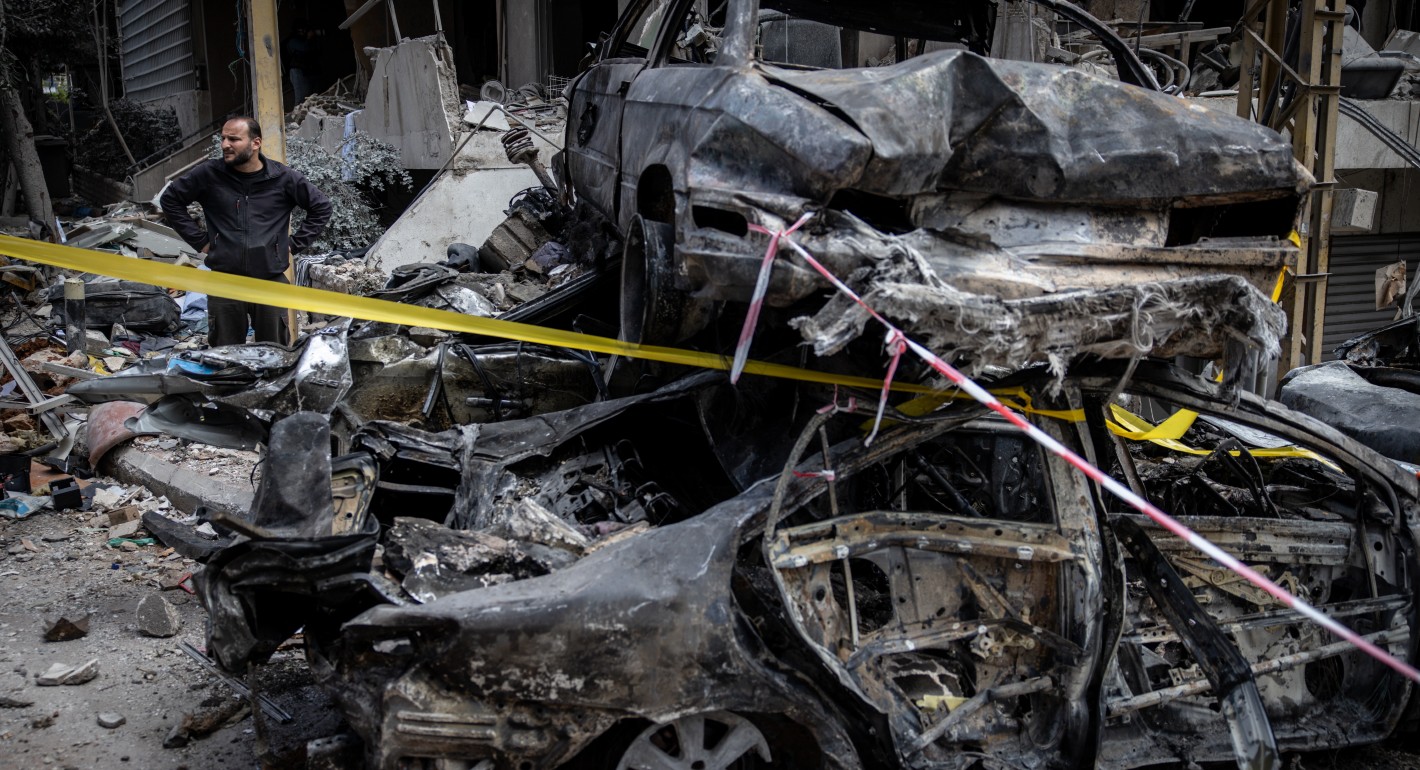
Four Middle East experts analyze the region’s reactions and next steps.



Amr Hamzawy, Andrew Leber, Eric Lob, …
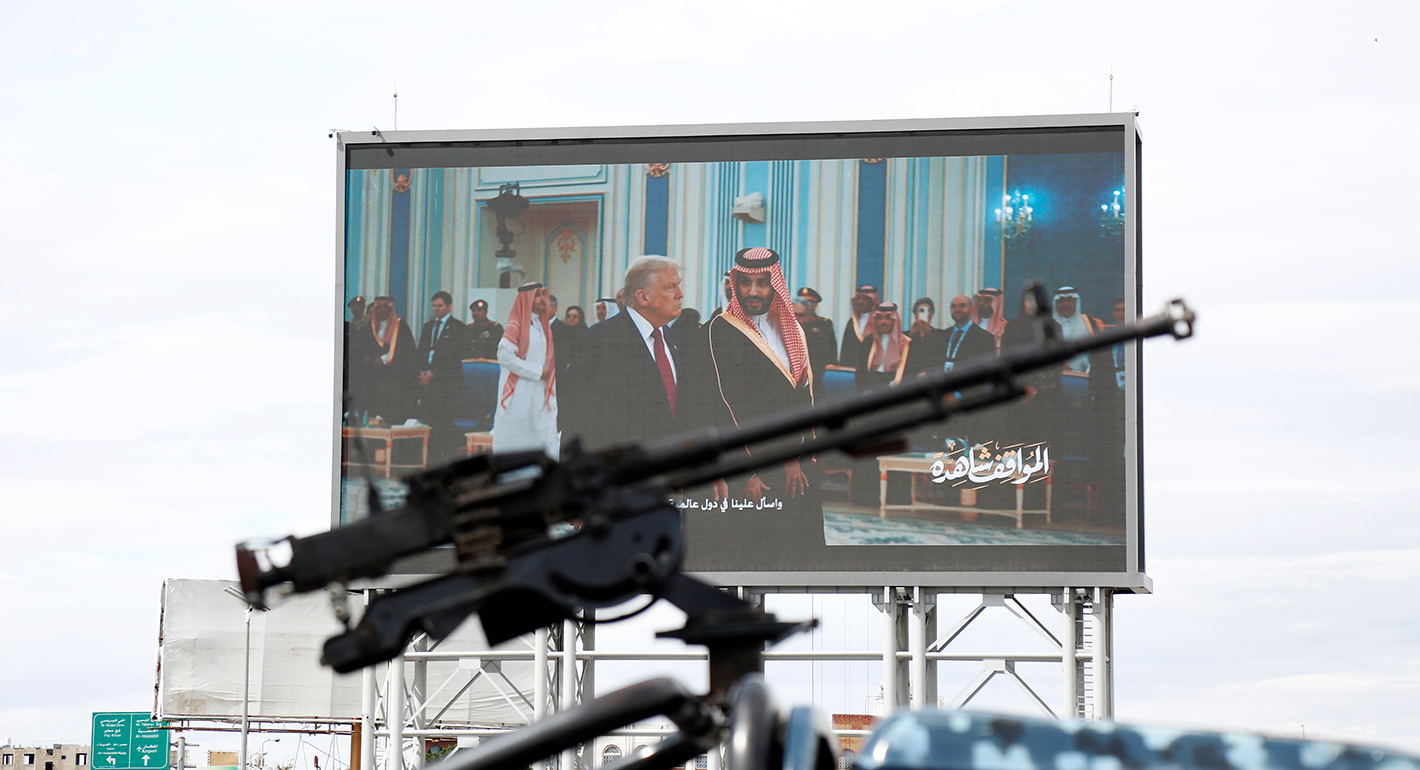
As the war between the United States, Israel, and Iran continues, Carnegie scholars contribute cutting-edge analysis on the events of the war and their wide-reaching implications. From the impact on Iran and its immediate neighbors to the responses from Gulf states to fuel and fertilizer shortages caused by the effective shutdown of the Strait of Hormuz, the war is reshaping Middle East alliances and creating shockwaves around the world. Carnegie experts analyze it all.
The return of war as the organizing factor in Middle Eastern politics has predictable consequences: governments are prioritizing regime stability and becoming averse to political and social reform.

Sarah Yerkes, Amr Hamzawy
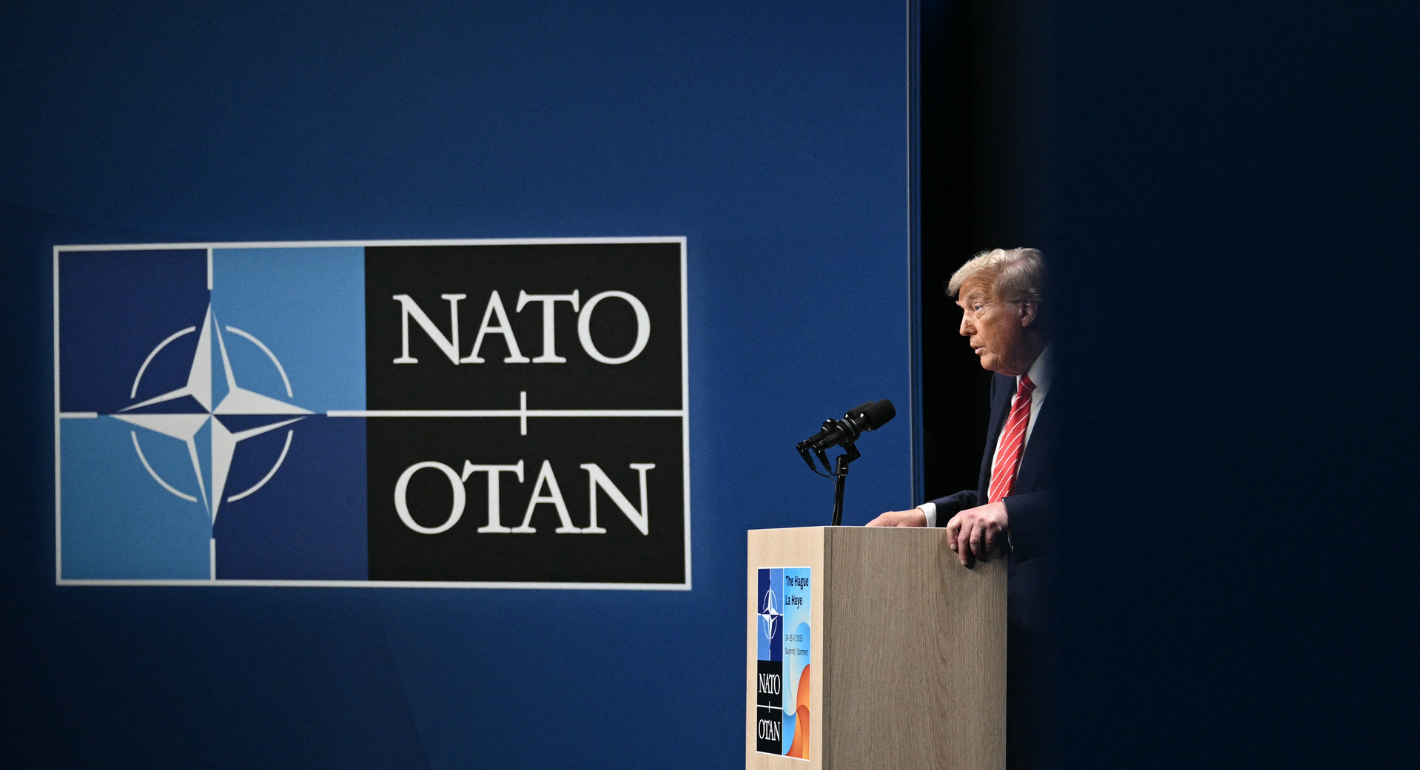
Donald Trump has repeatedly bashed NATO and European allies, threatening to annex Canada and Greenland and deploring their lack of enthusiasm for his war of choice in Iran. Is this latest round of abuse the final straw?

Rym Momtaz, ed.
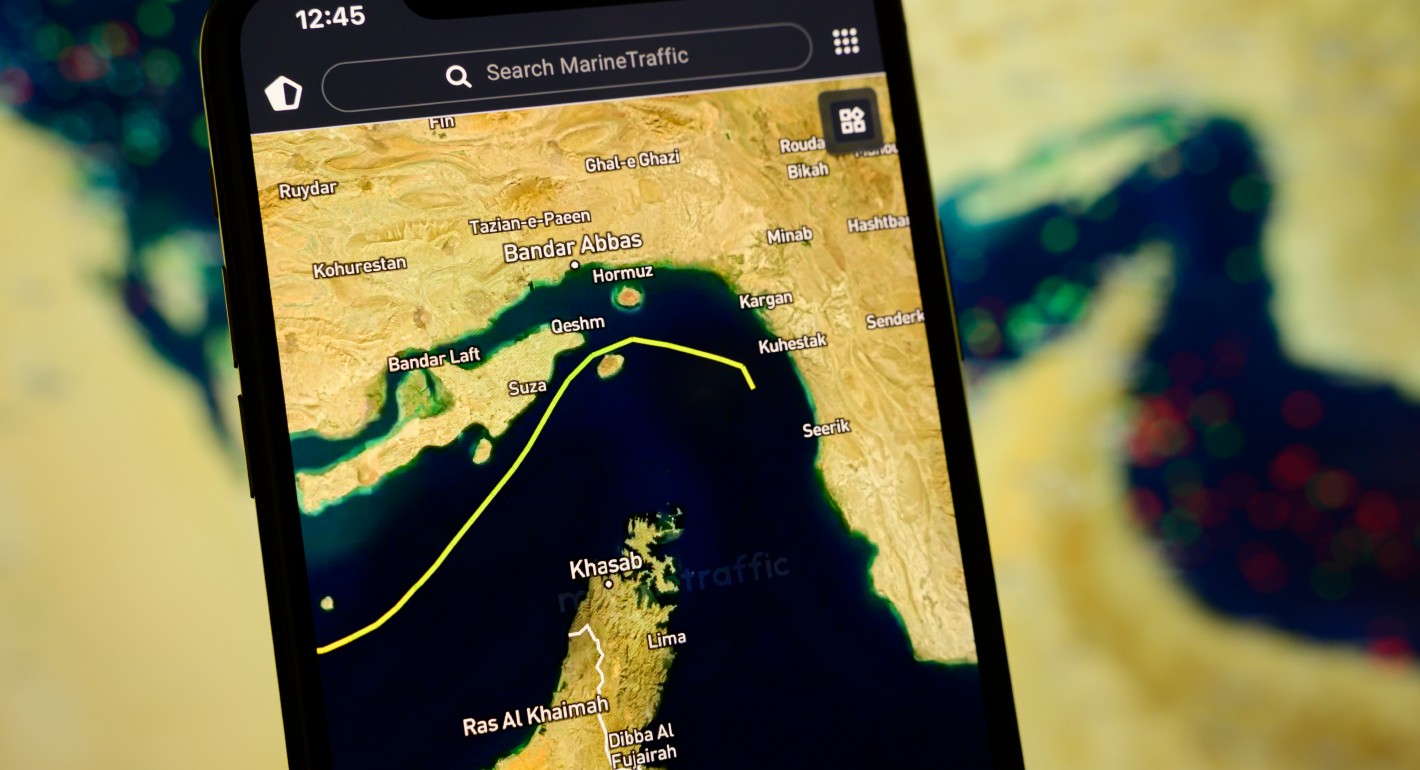
Why the Iran ceasefire isn’t a quick fix to the Strait of Hormuz energy crisis.


Helima Croft, Aaron David Miller