

Commentary
Most migrants may have left Ceuta, but the effects may linger.
Alejandro Martin Rodriguez, Sarah Yerkes
Source: Getty
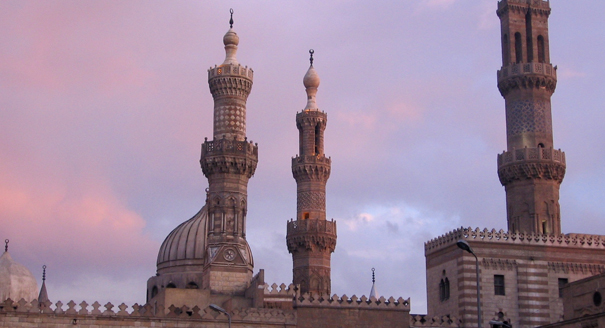
The spectrum of political Islam in Egypt now includes the Muslim Brotherhood, several conservative Salafi parties, and two Sufi political parties. Although these groups share a common foundation in Islam, there the similarity ends.
As expected, Egypt’s first parliamentary election after the overthrow of longtime leader Hosni Mubarak confirmed the popularity and organizational strength of the Muslim Brotherhood and Freedom and Justice Party, which won 77 of the 156 parliamentary seats contested in the first electoral round. Surprisingly, it also revealed the unexpected strength of the Salafi alliance, dominated by the al-Nour party, which secured 33 seats. Much to the discomfort of secular Egyptians and Western governments, Islamist parties now dominate the Egyptian political scene.
The spectrum of political Islam in Egypt is no longer limited to the Muslim Brotherhood and the parties that derived from it, such as the Brotherhood’s official Freedom and Justice Party and the Wasat Party, a Brotherhood splinter group. Instead, it now includes several conservative Salafi parties, of which al-Nour is by far the most prominent, and two Sufi political parties, Tahrir Al-Misri and Sawt Al-Hurriyya, both of which fared badly in the first round of elections.
Although these groups share a common foundation in Islam, there the similarity ends. These Islamically motivated organizations have different approaches and beliefs and are taking distinctly divergent positions. Despite internal tensions, the Salafi parties united for the elections in a parliamentary alliance. They have also been engaged in a tense association with the Muslim Brotherhood, as the two Islamist camps seek to pool common resources while pursuing their own agendas. Meanwhile, Sufi parties and Sufi state institutions have positioned themselves alongside both secular parties and the surviving organs of the Egyptian political establishment.
Anxiety over Islamist victories and the emergence of the Salafis is clear in Egypt and in the United States. Most recently, Egypt’s ruling Supreme Council of the Armed Forces (SCAF) announced on December 7 that the parliamentary elections do not reflect popular opinion and that the new parliament will not oversee the drafting of the new constitution—although the SCAF subsequently backtracked and, at present, the situation is unclear. U.S. lawmakers have warned that they will not fund a government run by a "terrorist organization."
Such responses suggest an effort to marginalize Egypt’s new Islamist leaders. This approach will most likely prove unwise, as the democratic process, political involvement, and electoral accountability will continue to moderate Salafi views and policies over the long term. Overturning their electoral gains will reverse this trend and further empower these groups by placing them back in the seat of opposition.
Jonathan Brown
Carnegie does not take institutional positions on public policy issues; the views represented herein are those of the author(s) and do not necessarily reflect the views of Carnegie, its staff, or its trustees.

Most migrants may have left Ceuta, but the effects may linger.


Alejandro Martin Rodriguez, Sarah Yerkes

Saied’s main accomplishment has been to destroy a decade’s worth of democratic progress.
Sarah Yerkes

The targeting of Damietta Port appears to be more than a mere security message.

Amr Hamzawy

As India undergoes a demographic transition, its cities will be its economic powerhouse—but only if it accurately captures city growth and empowers cities to support their citizens.
Apoorva Jadhav
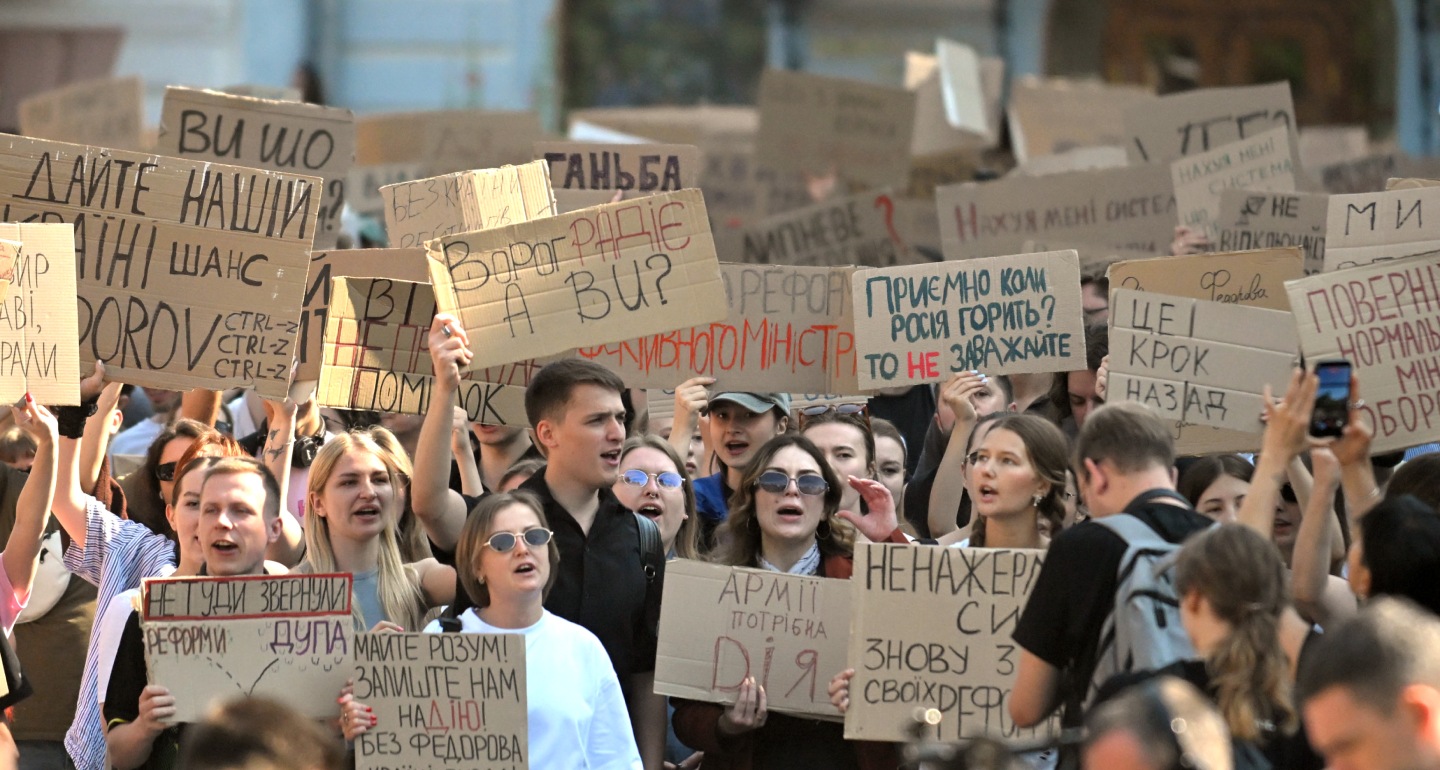
Even if the terms of a ceasefire or peace settlement are satisfactory to most Ukrainians, the country’s democracy will face its fair share of challenges.
Petro Burkovskyi, Olexiy Haran