

Other
Political Violence Researchers, Rachel Kleinfeld, ed., Dalya Berkowitz, ed.
{
  "authors": [
    "Rachel Kleinfeld"
  ],
  "type": "legacyinthemedia",
  "centerAffiliationAll": "dc",
  "centers": [
    "Carnegie Endowment for International Peace"
  ],
  "collections": [],
  "englishNewsletterAll": "democracy",
  "nonEnglishNewsletterAll": "",
  "primaryCenter": "Carnegie Endowment for International Peace",
  "programAffiliation": "DCG",
  "programs": [
    "Democracy, Conflict, and Governance"
  ],
  "projects": [],
  "regions": [
    "North America",
    "United States"
  ],
  "topics": [
    "Security",
    "Military",
    "Foreign Policy"
  ]
}
Source: Getty
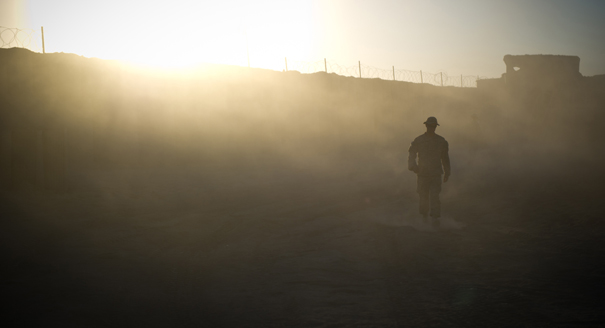
The American national security system is fracturing and no one is talking about the causes.
Source: Breaking Defense
While the talking heads chatter about the daily news, the American national security system is fracturing — and no one is talking about the causes. What are the top three issues we need to address that aren’t making the headlines?
More than 4.2 million Americans – one in every 53 adults – hold a clearance. With numbers that high, there will be bad apples. By classifying too much, we actually open ourselves to security breaches like Snowden.
Meanwhile, the clearance process fails to provide the intelligence services we need. We over-admit squeaky clean youngsters who have little chance of infiltrating our enemies because they have never been abroad, or recoil at the site of a hookah. We reject far too many people who have family members in the Middle East and South Asia – places we desperately need human intelligence and they might actually offer valuable connections and insights. And we farm out clearances to contractors who are taught to check boxes, not to search for real problems.
How silly can it all get? For my latest clearance, I got hassled over having had a bank account in England while a student there; but no one asked me questions about a trip I took to Afghanistan as a tourist in the midst of the war — which even I thought might be a little fishy.
Because we have such problems with our human intelligence, we are overly reliant on our signals intelligence (SIGINT) – the kind of NSA snooping that is crucial, but also yields real civil liberties challenges. Meanwhile, we still need cleared analysts to read and analyze SIGINT materials – bringing us back to the original problem.
In an age of budget austerity and military downsizing, the Obama Administration was smart to put money and time into training foreign militaries. We want allies who can handle some problems with their own troops and minimize U.S. life on the line. Police training – in Iraq, Afghanistan, and other countries has grown as a means to stop organized crime, catch drug kingpins, and end insurgencies before they hit our shores.
But policy requires implementation, and our implementation is abysmal.
In Iraq and Afghanistan, our programs remained true to Winston Churchill’s quip: “You can always count on America to do the right thing – after they have exhausted all other possibilities.” In Egypt, years of U.S. training and billions in military aid has failed to build an Egyptian army capable of stopping terrorists in the Sinai now threatening Israel – and clearly didn’t prevent a military coup that appears intent on breeding a new Islamist insurgency. Mali’s recent coup was led by a U.S-trained officer, and the Malian troops we’d been training in counterterrorism fell apart when confronted with an actual enemy. Meanwhile, where our military training is problematic, our police training is a disaster.
The military training problems are manifold. They start with former AFRICOM commander General Ham’s analysis: U.S. trainings focus on tactics and technical skills – not on leadership, strategy, and ethos. Add to that ill-considered laws that force many American military and police trainings to be short, cookie-cutter programs on U.S. soil, rather than in-depth thoughtful engagements on the ground. Atop that, we bundle this work out to contractors who are rewarded for bulk numbers trained rather than quality. And Congress saddles programs with procurement requirements that practically force the purchase of ill-considered equipment that won’t work in the local context. This is no recipe for success.
Remember that? It was a really good idea. The U.S. was going to shift our focus so that we had a few less boots on the ground in mostly peaceful Europe. We were going to spend a little less diplomatic and military time on the Middle East – home to fewer than 450 million people – and instead put a bit more effort into the Asian region – home to more than three billion people, or more than half the world’s population and two of the world’s three largest economies.
True, we’ve seen some preparation for AirSea battle plans, but too little analysis of whether that sort of military spending is likely to serve as a deterrent or ignite an arms race with China.
Meanwhile – I hear a lot of crickets. The White House is working on a hugely valuable Trans-Pacific trade partnership (TPP), but without selling it to Americans and Capitol Hill, it is not likely to pass. We have good people working on tough issues from Burma to India – but little high-level focus to get these programs moving.
Sometimes, it’s useful when issues avoid the chattering class – without the klieg lights, people can often roll up their sleeves and get good work done. But in this case, obscurity is breeding broken pipes and cobwebs. It’s time for some leadership.

Senior Fellow, Democracy, Conflict, and Governance Program
Rachel Kleinfeld is a senior fellow in Carnegie’s Democracy, Conflict, and Governance Program, where she focuses on issues of rule of law, security, and governance in democracies experiencing polarization, violence, and other governance problems.
Recent Work
Political Violence Researchers, Rachel Kleinfeld, ed., Dalya Berkowitz, ed.
Rachel Kleinfeld
Carnegie does not take institutional positions on public policy issues; the views represented herein are those of the author(s) and do not necessarily reflect the views of Carnegie, its staff, or its trustees.
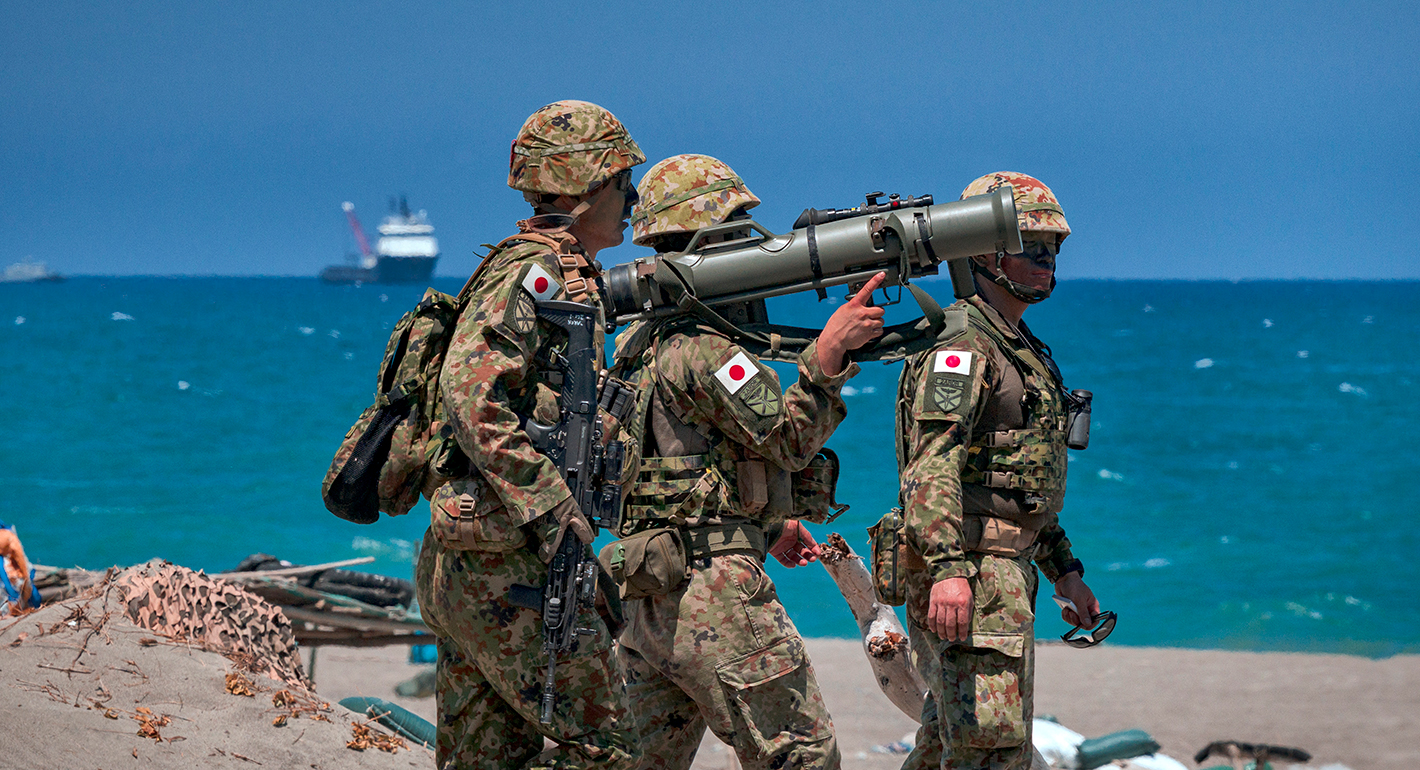
Japan’s revision of its three strategic documents reflects an intention to keep the United States engaged in the region while Japan fills any vacuums of U.S. power to preserve the Indo-Pacific order.

Ryo Sahashi

Over the past decade, China has moved from marginal player to major producer of all things batteries. The United States, Europe, and others are aiming to balance the market.

Milo McBride
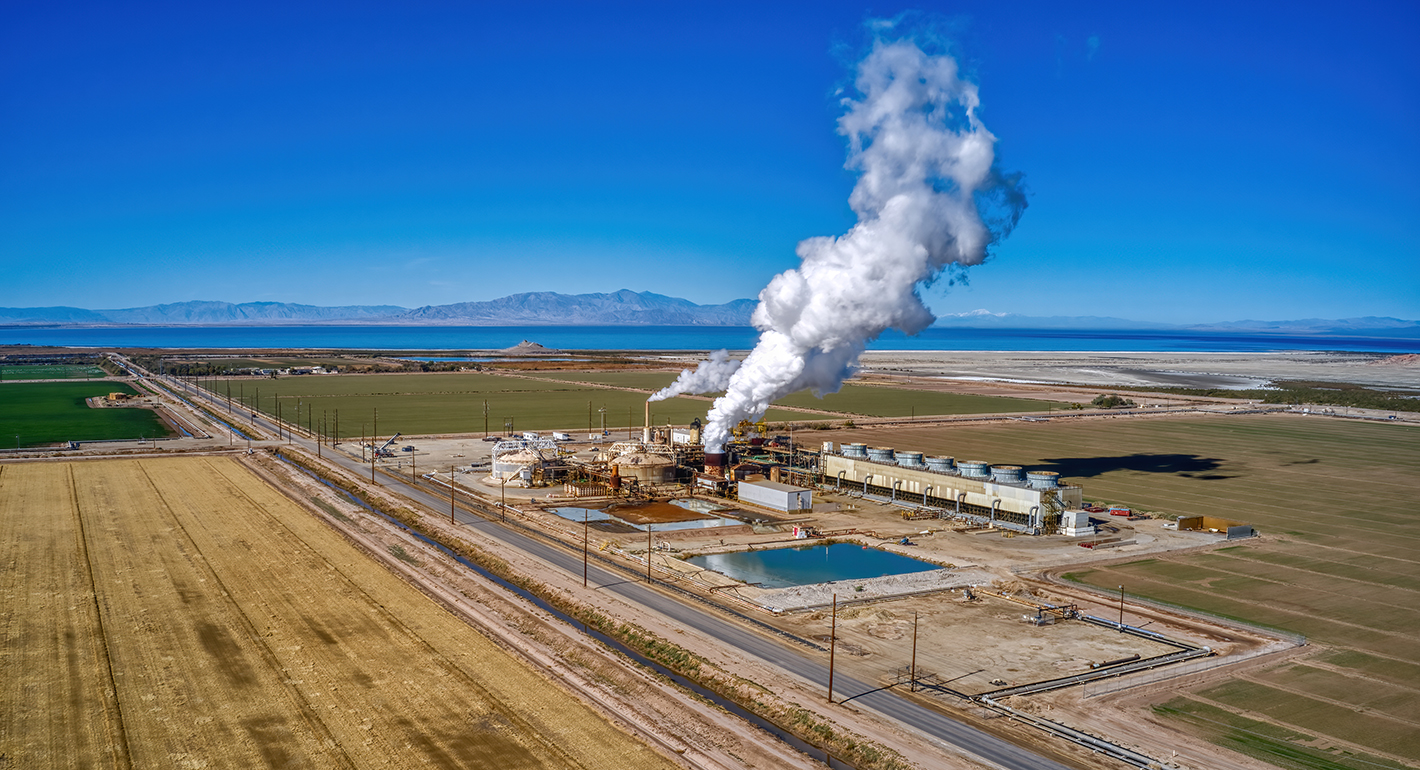
The DFC should focus on advanced, low-carbon energy sources, prioritizing areas where the United States has comparative advantages.
Noah Gordon, Liana Schmitter-Emerson

Media coverage suggests Kyiv’s fortunes have changed. That shift may be important, but it only goes so far.



Dara Massicot, Aaron David Miller, Andrew S. Weiss
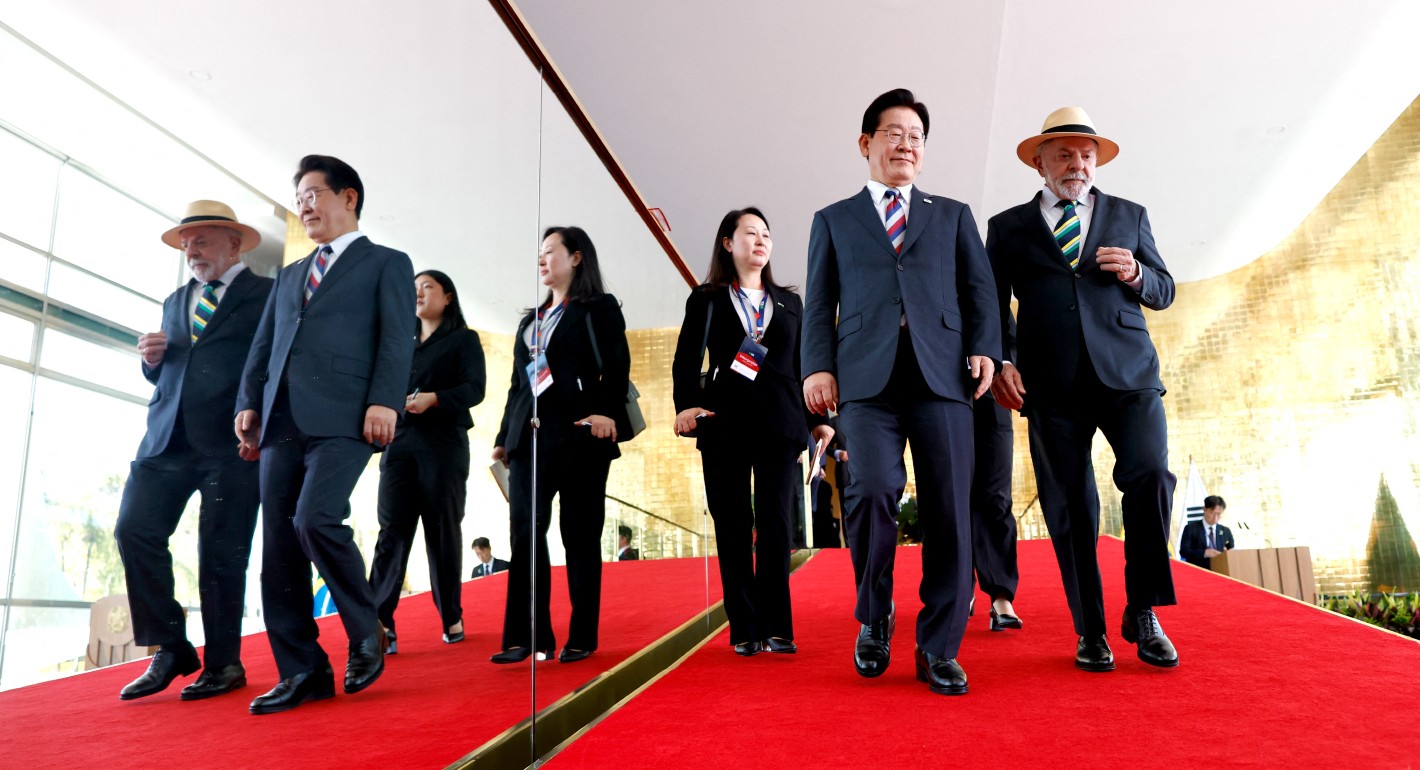
Lee’s tour shows how Seoul is reorganizing its diplomacy away from Pyongyang and toward industrial networks and the geography of the compute economy.

Darcie Draudt-Véjares