

Commentary
Togzhan Kassenova
{
  "authors": [
    "Togzhan Kassenova"
  ],
  "type": "other",
  "centerAffiliationAll": "dc",
  "centers": [
    "Carnegie Endowment for International Peace"
  ],
  "collections": [],
  "englishNewsletterAll": "ctw",
  "nonEnglishNewsletterAll": "",
  "primaryCenter": "Carnegie Endowment for International Peace",
  "programAffiliation": "NPP",
  "programs": [
    "Nuclear Policy"
  ],
  "projects": [],
  "regions": [
    "Central Asia",
    "Kazakhstan"
  ],
  "topics": [
    "Nuclear Policy"
  ]
}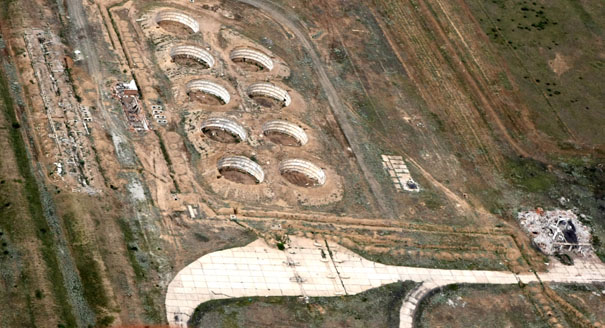
Source: Getty
Kazakhstan’s advanced nuclear industry and active foreign nuclear policy make it a significant player on the global nuclear scene.
Source: Central Asian Affairs
Kazakhstan’s role in the global nuclear order is far from minor. Blessed with abundant uranium resources, it is the world’s largest uranium producer. Kazakhstan’s nuclear sector made a major comeback after facing collapse in the early 1990s when the Soviet Union disintegrated. The state-owned company Kazatomprom has been gradually pursuing an advanced nuclear fuel cycle, including the capacity to produce nuclear fuel. Further, Kazakhstan is the only country in Central Asia that has made a firm commitment to developing nuclear energy.On the international scene, Kazakhstan’s nuclear diplomacy is rather ambitious as well. The country hosted Iranian nuclear talks in 2013 and will host the international nuclear fuel bank expected to be launched in 2015. These are just a couple of recent examples that confirm that Kazakhstan is seeking a greater role for itself in global nuclear politics....

Former Nonresident Fellow, Nuclear Policy Program
Kassenova was a nonresident fellow in the Nuclear Policy Program at the Carnegie Endowment.
Recent Work
Togzhan Kassenova

Toby Dalton, Togzhan Kassenova, Lauryn Williams
Carnegie does not take institutional positions on public policy issues; the views represented herein are those of the author(s) and do not necessarily reflect the views of Carnegie, its staff, or its trustees.
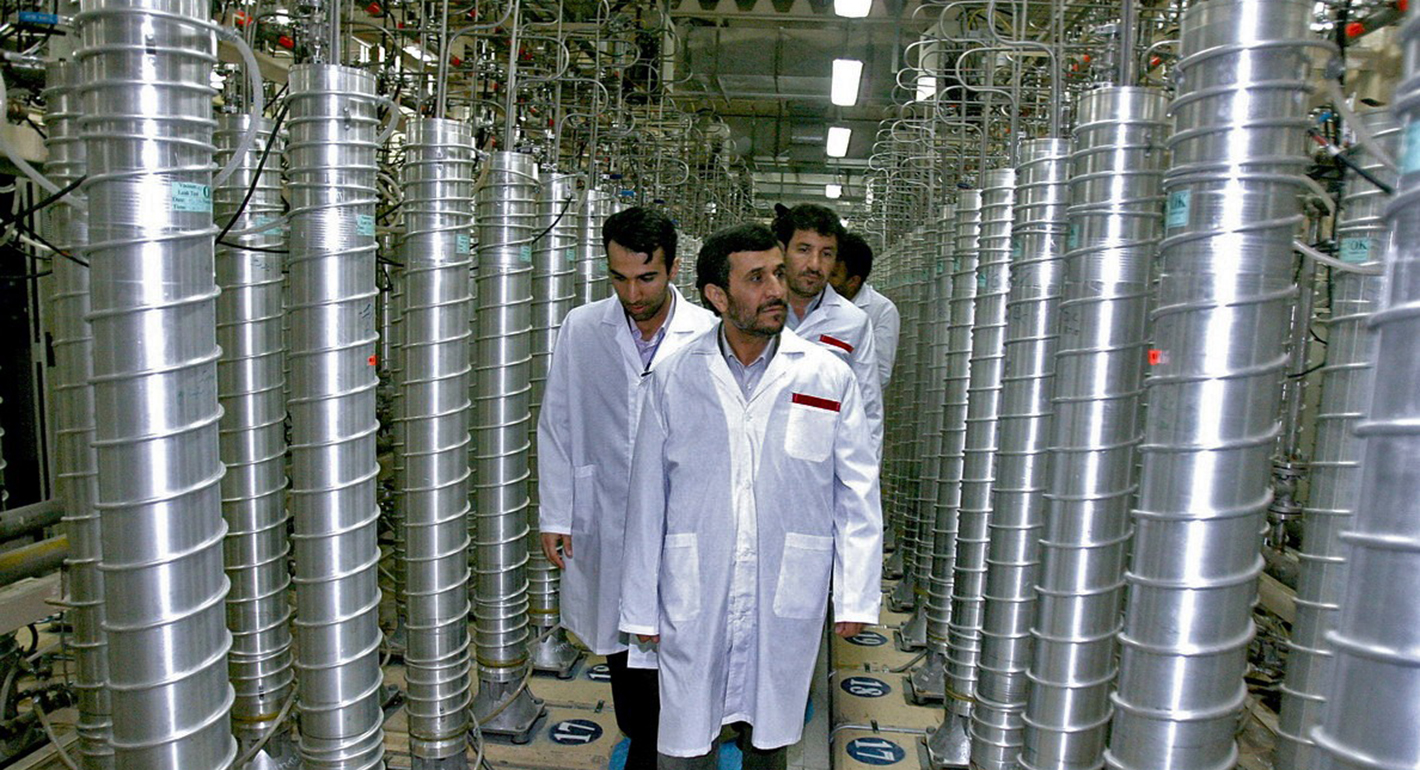
The nuclear weapons threshold is increasingly important for proliferation strategy and policy. Policymakers should better understand the implications of the threshold phenomenon in the current international security environment and plausible strategies to deal with the growing challenge that it presents.

Ariel (Eli) Levite, Toby Dalton
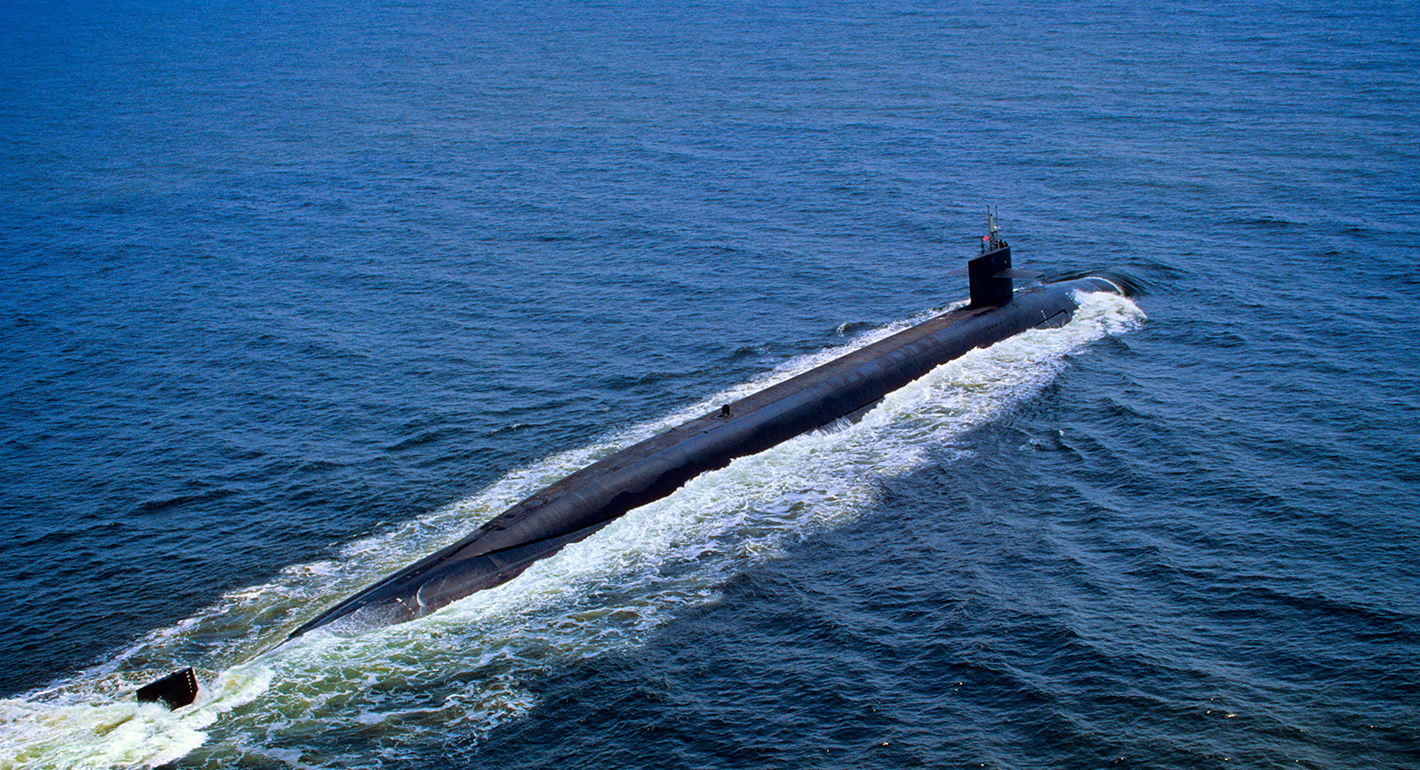
It seems likely that, no matter what, the power of the U.S. nuclear arsenal will face erosion, not least in the credibility of its commitments to defend allies and the political durability of those alliances.


James M. Acton, Ankit Panda
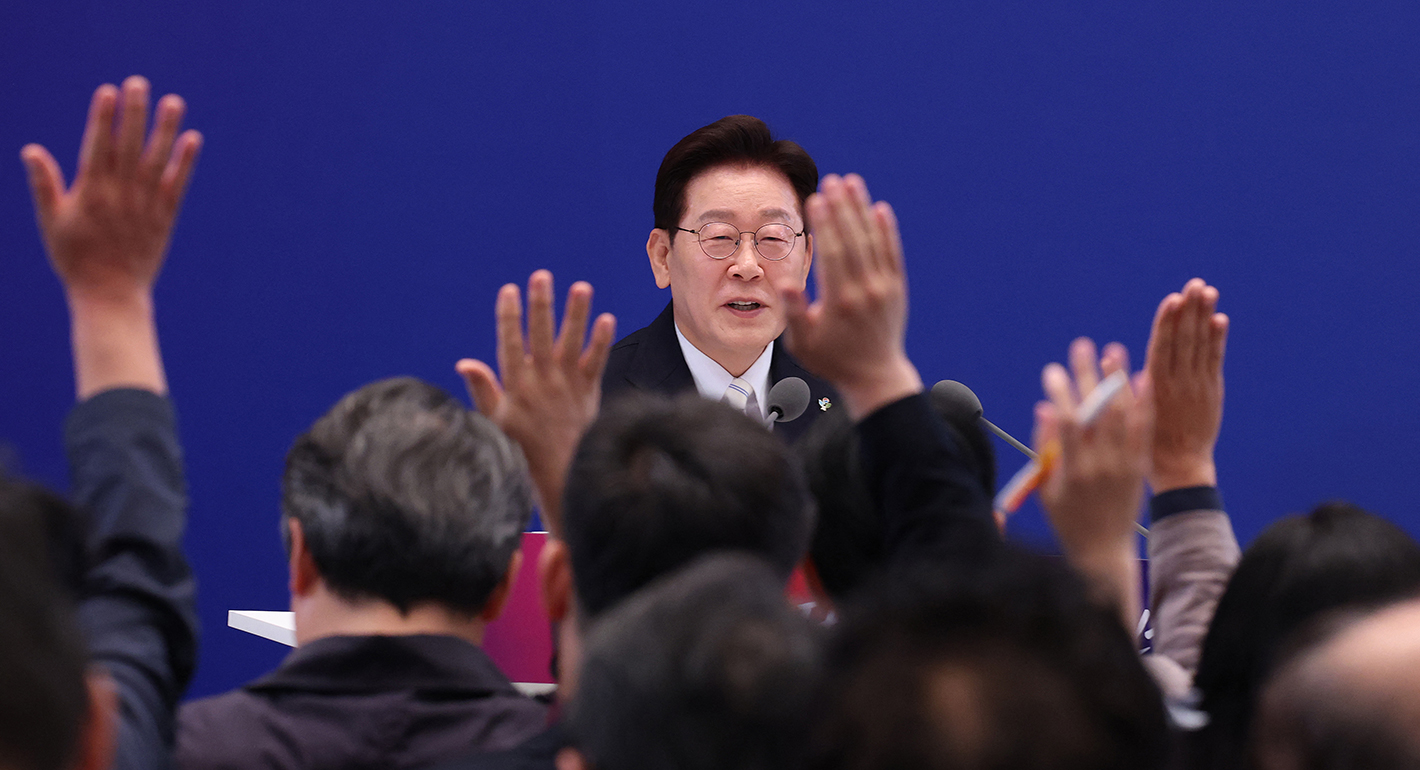
President Lee marked his first year in office after one of the most tumultuous periods in South Korean politics. Though Lee has enjoyed a high approval rating, a large majority in the National Assembly, and foreign policy victories, Lee and his party’s political fortunes depend on generating economic growth, learning the right lessons from the recent local elections, and managing contentious factional strife within his political base.
Chung Min Lee
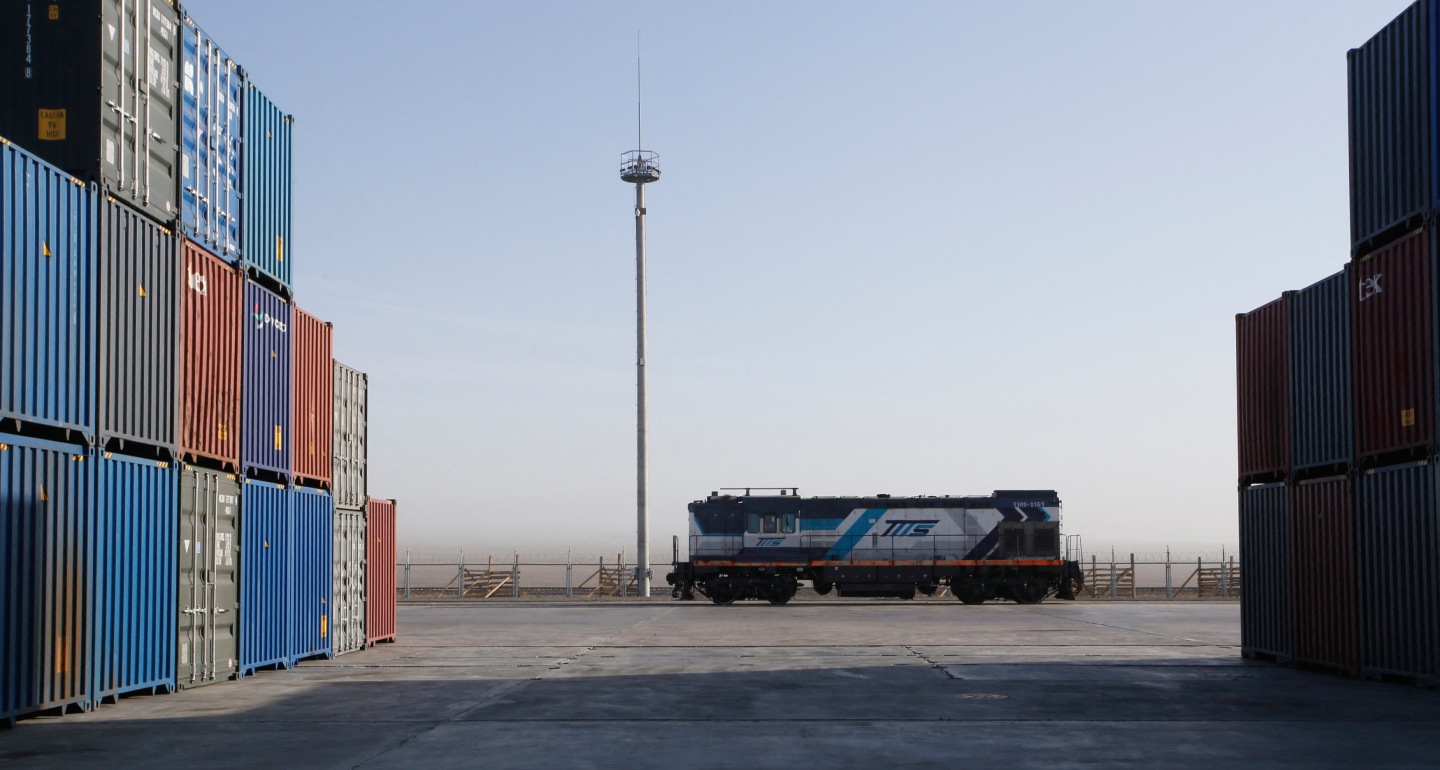
This year’s wars have made alternative routes to transit through Russia no less risky for Central Asian countries.

Galiya Ibragimova
By burying disagreements in imprecision, the new deal risks same fate as its predecessors.
James M. Acton