

• Research
  • Emissary
  • About
  • Experts
Carnegie Global logoCarnegie lettermark logo
DemocracyIran
  • Donate
{
  "authors": [
    "Amr Hamzawy",
    "Michael McFaul"
  ],
  "type": "legacyinthemedia",
  "centerAffiliationAll": "dc",
  "centers": [
    "Carnegie Endowment for International Peace",
    "Malcolm H. Kerr Carnegie Middle East Center"
  ],
  "collections": [
    "Arab Awakening"
  ],
  "englishNewsletterAll": "menaTransitions",
  "nonEnglishNewsletterAll": "",
  "primaryCenter": "Carnegie Endowment for International Peace",
  "programAffiliation": "MEP",
  "programs": [
    "Middle East"
  ],
  "projects": [],
  "regions": [
    "Middle East",
    "North Africa",
    "Egypt",
    "Levant"
  ],
  "topics": [
    "Political Reform",
    "Democracy",
    "Security"
  ]
}

Source: Getty

In The Media

Ghosts of the Arab Spring

Supporting Arab autocrats may produce some short-term gains, but at the price of long-term disaster.

Link Copied
By Amr Hamzawy and Michael McFaul
Published on Aug 22, 2016
Program mobile hero image

Program

Middle East

The Middle East Program in Washington combines in-depth regional knowledge with incisive comparative analysis to provide deeply informed recommendations. With expertise in the Gulf, North Africa, Iran, and Israel/Palestine, we examine crosscutting themes of political, economic, and social change in both English and Arabic.

Learn More

Source: Hoover Digest

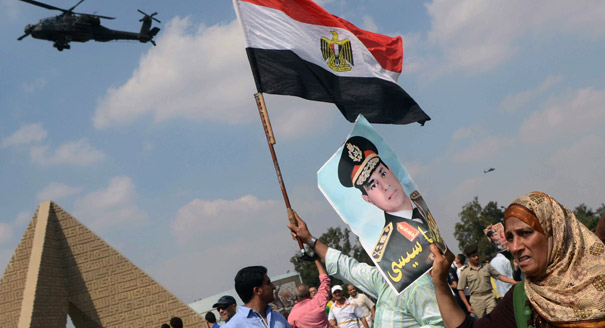
Five years after the Arab Spring, democracy seems a distant dream in the Middle East. Arab ruling elites, royal families, militaries, security services, and some businesspeople welcome this outcome. Restoring stability, the argument goes, is more important than democracy. Many Western governments have embraced this logic as well. Threatened as a result of state failure and an accompanying terrorist upsurge, US and European officials now argue that the most urgent need in the Middle East is fighting the Islamic State and its affiliates—a fight that requires collaboration with autocratic rulers. Strengthening Arab autocrats—including, for some, even the mass murderer Bashar al-Assad—is an evil necessary to defeating the Islamic State in Syria, Iraq, and the rest of the region...

Read the full article at the Hoover Digest. 

About the Authors

Amr Hamzawy

Director, Middle East Program

Amr Hamzawy is a senior fellow and the director of the Carnegie Middle East Program. His research and writings focus on Egypt’s and other middle powers’ involvement in regional security in the Middle East, particularly through collective diplomacy and multilateral conflict resolution

Michael McFaul

Former Senior Associate

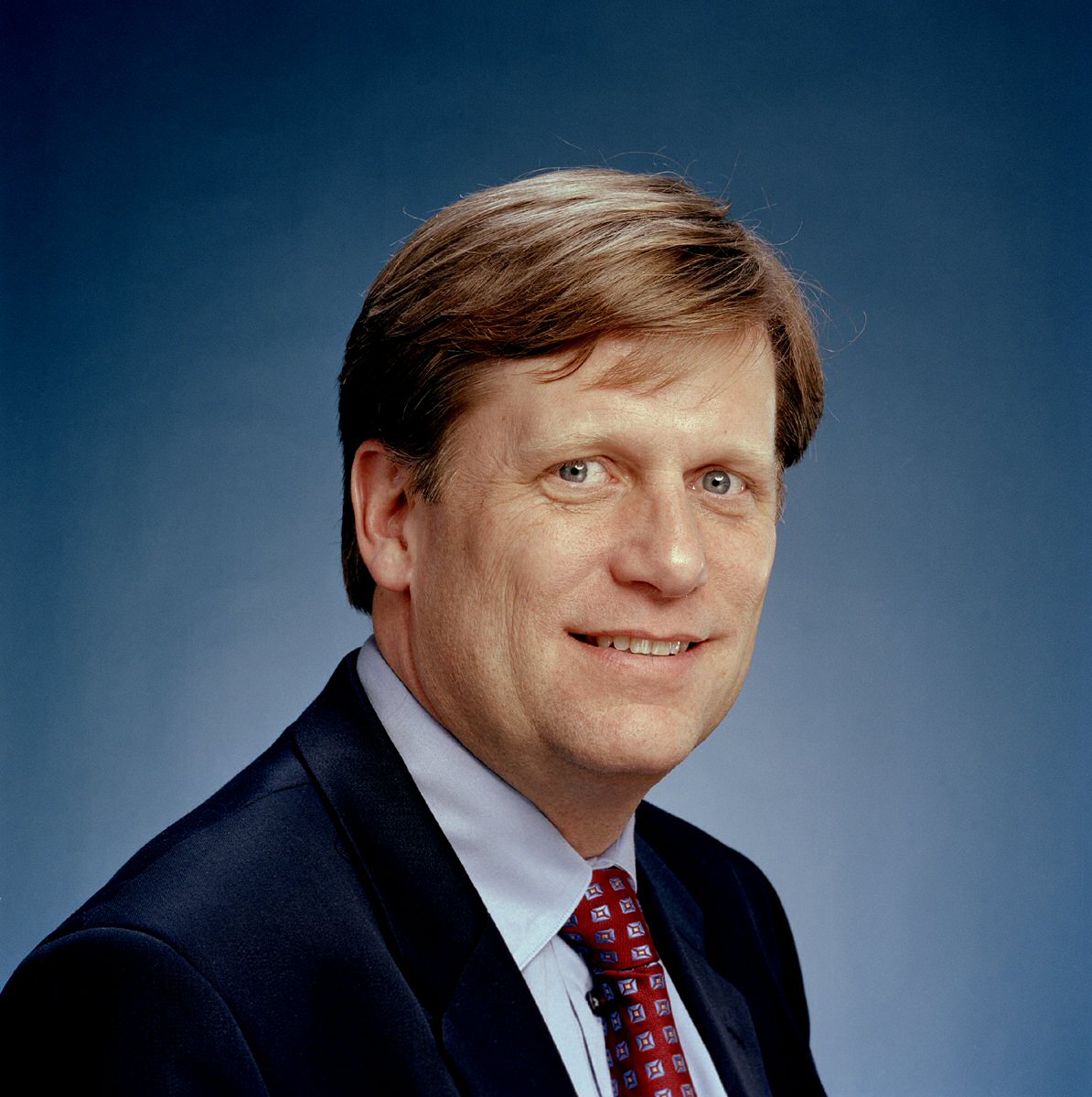
In addition to his role at Carnegie, McFaul is Peter and Helen Bing Senior Fellow at the Hoover Institution and associate professor of political science at Stanford University.

Authors

Amr Hamzawy
Director, Middle East Program
Amr Hamzawy
Michael McFaul
Former Senior Associate
Michael McFaul
Political ReformDemocracySecurityMiddle EastNorth AfricaEgyptLevant

Carnegie does not take institutional positions on public policy issues; the views represented herein are those of the author(s) and do not necessarily reflect the views of Carnegie, its staff, or its trustees.

More Work from Carnegie Endowment for International Peace

  • Commentary
    Carnegie Politika
    What Does Nuclear Proliferation in East Asia Mean for Russia?

    Troubled by the growing salience of nuclear debates in East Asia, Moscow has responded in its usual way: with condemnation and threats. But by exacerbating insecurity, Russia is forcing South Korea and Japan to consider radical security options.

      James D.J. Brown

  • Commentary
    Diwan
    How Lebanon’s Sunnis Approach Peace With Israel

    The community seeks maintain a distance from Hezbollah, and an even greater one from normalization with their southern neighbor.

      Mohamad Fawaz

  • Smoke rising over a  bridge
    Commentary
    Emissary
    The Iran War Is a Stress Test for Gulf States

    The conflict is exposing the flaws and fissures of their domestic governance and social cohesion.

      Frederic Wehrey, Charles H. Johnson

  • Commentary
    Carnegie Politika
    Who Is Responsible for the Demise of the Russian Internet?

    The Russian state has opted for complete ideological control of the internet and is prepared to bear the associated costs.

      Maria Kolomychenko

  • Commentary
    Diwan
    Lebanon Needs a New Negotiating Strategy with Israel

    Unless Beirut lowers expectations, any setbacks will end up bolstering Hezbollah’s narrative.

      Mohanad Hage Ali

Get more news and analysis from
Carnegie Endowment for International Peace
Carnegie global logo, stacked
1779 Massachusetts Avenue NWWashington, DC, 20036-2103Phone: 202 483 7600
  • Research
  • Emissary
  • About
  • Experts
  • Donate
  • Programs
  • Events
  • Blogs
  • Podcasts
  • Contact
  • Annual Reports
  • Careers
  • Privacy
  • For Media
  • Government Resources
Get more news and analysis from
Carnegie Endowment for International Peace
© 2026 Carnegie Endowment for International Peace. All rights reserved.