

Commentary
The EU can impose sanctions but struggles to enforce them without the United States. With Washington increasingly disinterested in backing European interests, the bloc must now fend for itself.
Nicu Popescu, Tiago Antunes
{
  "authors": [
    "Thomas Carothers",
    "Mark Freeman",
    "Cale Salih",
    "Robert Templer"
  ],
  "type": "other",
  "centerAffiliationAll": "dc",
  "centers": [
    "Carnegie Endowment for International Peace"
  ],
  "collections": [
    "Democracy and Governance",
    "Violence and Conflict"
  ],
  "englishNewsletterAll": "democracy",
  "nonEnglishNewsletterAll": "",
  "primaryCenter": "Carnegie Endowment for International Peace",
  "programAffiliation": "DCG",
  "programs": [
    "Democracy, Conflict, and Governance"
  ],
  "projects": [],
  "regions": [],
  "topics": [
    "Democracy",
    "Foreign Policy"
  ]
}
Source: Getty
This guide aims to help recipients of transition assistance better understand how the Western aid system operates so that they may find ways to ensure that their vision is supported, rather than hindered, by assistance providers.
Source: Institute for Integrated Transitions
Drawing on decades of experience with international assistance in dozens of transitional countries, this guide seeks to explain—for the benefit of local governmental and nongovernmental aid recipients—the Western aid system that lands in their countries in periods of transition out of war or authoritarianism. The aim is to help recipients of transition assistance better understand how the industry operates so that they may find ways to ensure that their vision is supported, rather than hindered, by assistance providers.
The guide aims to clarify the kinds of international actors offering such assistance, their motivations and interests, the forms of assistance they offer, the theories of change on which their actions are based, and the sorts of operational issues that arise most frequently in practice. It is premised on the conviction that greater knowledge and tools on the part of those on the receiving side can appreciably improve the results of national transitions.
This report was originally published by the Institute for Integrated Transitions.

Harvey V. Fineberg Chair for Democracy Studies; Senior Fellow, Democracy, Conflict, and Governance Program
Thomas Carothers, a senior fellow in the Carnegie Endowment for International Peace’s Democracy, Conflict, and Governance Program, is a leading expert on comparative democratization and international support for democracy.
Mark Freeman
Cale Salih
Robert Templer
Carnegie does not take institutional positions on public policy issues; the views represented herein are those of the author(s) and do not necessarily reflect the views of Carnegie, its staff, or its trustees.

The EU can impose sanctions but struggles to enforce them without the United States. With Washington increasingly disinterested in backing European interests, the bloc must now fend for itself.


Nicu Popescu, Tiago Antunes
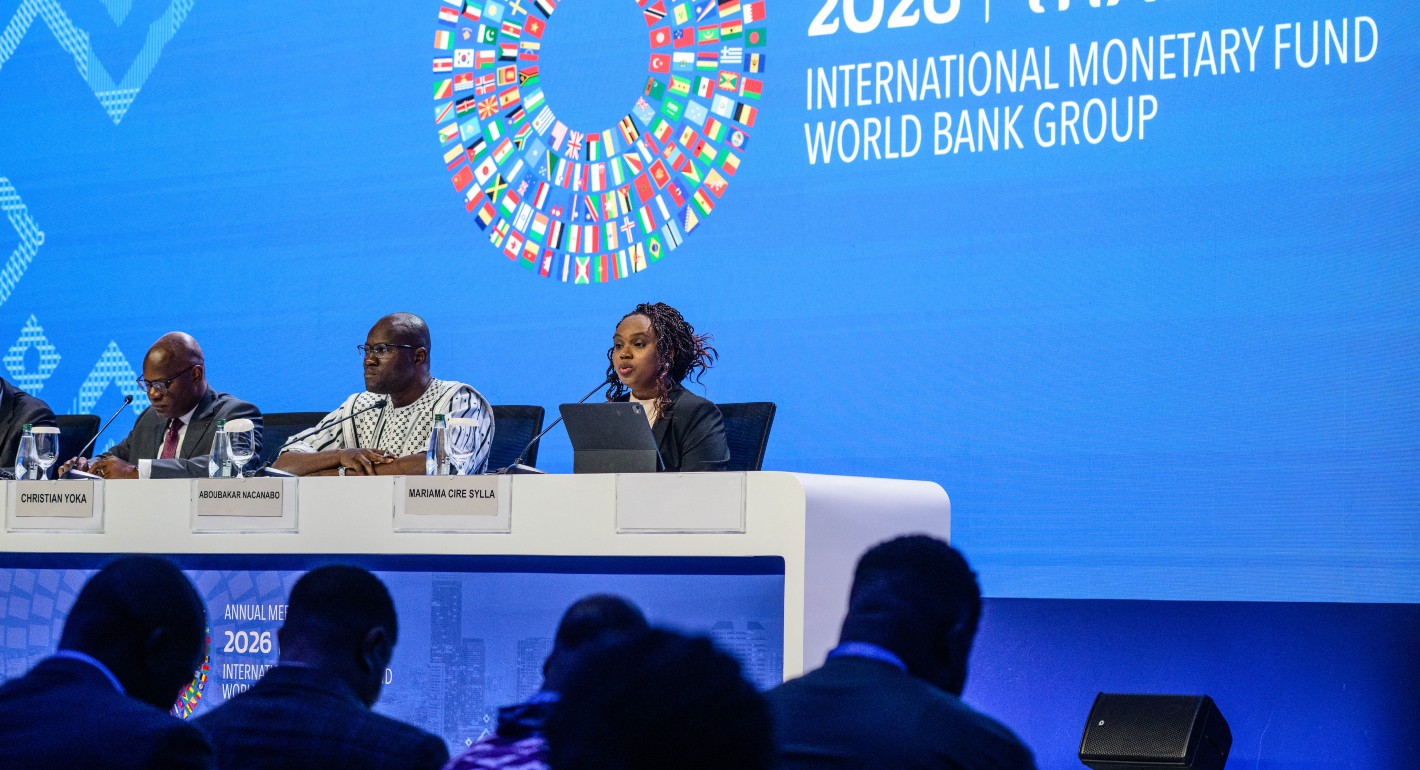
Global and rising powers will need to engage with Africa’s priorities and agency in order to secure the continent’s increasingly attractive partnerships.
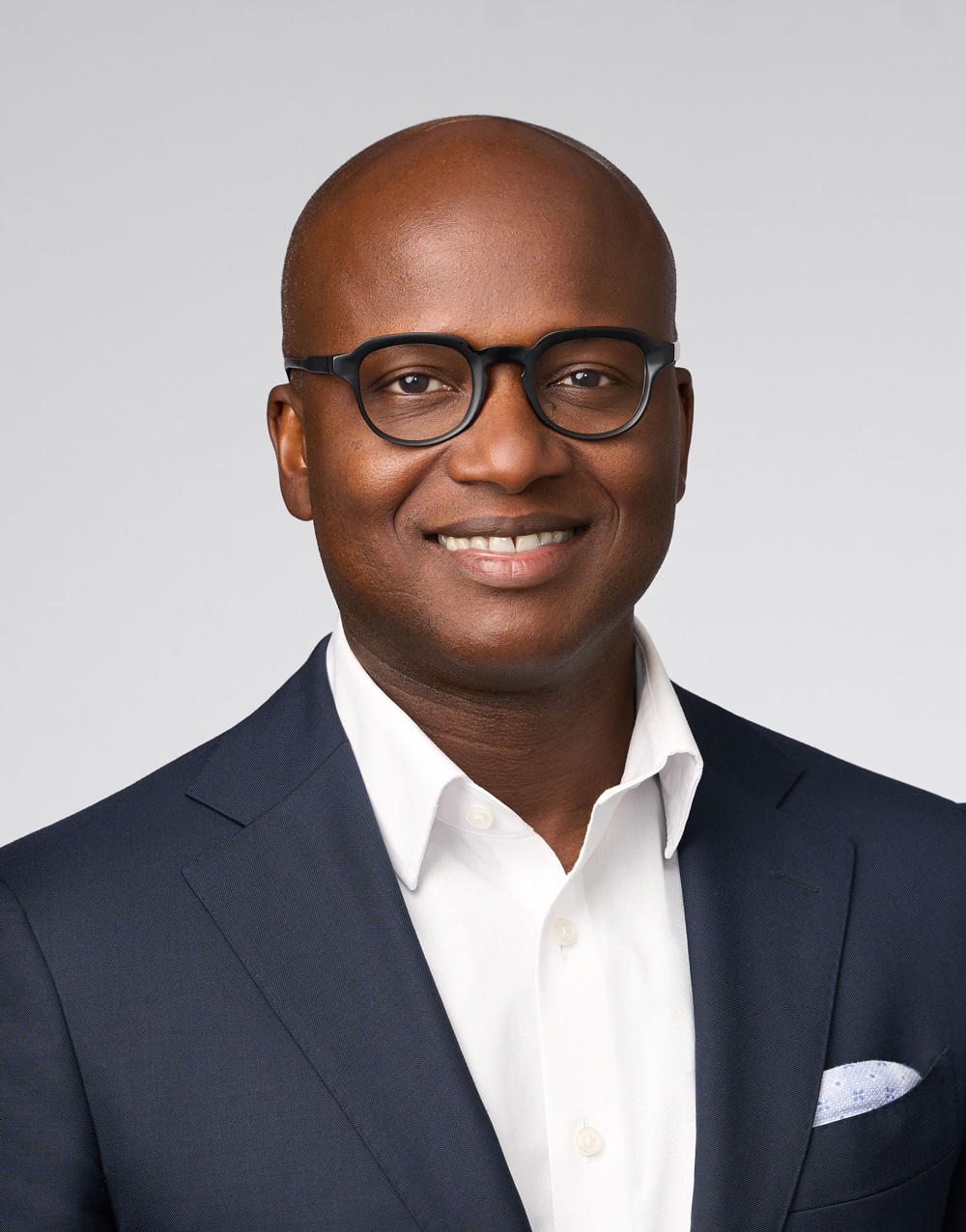
Fonteh Akum

Rubio’s recent visit brought welcome attention, but more capital requires governance changes that may be a hard sell for regional governments.

Jennifer B. Murtazashvili

America’s foreign-policy objectives have grown more demanding while Americans have demanded greater focus on their own affairs.

Stephen Wertheim

Japan’s long-term security policy is driven by concerns about China, and there is little appetite for (or interest in) pursuing a confrontation with Moscow.

James D.J. Brown