

Paper
Christopher S. Chivvis, Rohan Mukherjee, Milan Vaishnav
{
  "authors": [
    "Milan Vaishnav"
  ],
  "type": "other",
  "centerAffiliationAll": "dc",
  "centers": [
    "Carnegie Endowment for International Peace",
    "Carnegie India"
  ],
  "collections": [],
  "englishNewsletterAll": "ctw",
  "nonEnglishNewsletterAll": "",
  "primaryCenter": "Carnegie Endowment for International Peace",
  "programAffiliation": "SAP",
  "programs": [
    "South Asia"
  ],
  "projects": [],
  "regions": [
    "South Asia",
    "India"
  ],
  "topics": [
    "Political Reform",
    "Democracy"
  ]
}
Source: Getty
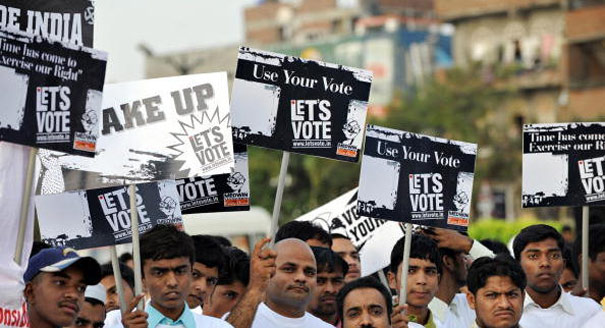
Money and muscle coexist throughout India. This nexus thrives in a post-industrial society because of a failure in governance.
Source: Business Standard
Let’s look at each issue separately. Without a doubt, money is profoundly shaping political outcomes in nearly every country on the planet. One of its most under-appreciated impacts is how it narrows the talent pool of individuals who enter politics. As elections have grown more costly and regulatory regimes have failed to keep pace, parties have increasingly been drawn to wealthy, self-financing candidates. In India, there are a limited number of individuals who have both the resources and the incentives to enter public office; individuals with links to criminal activity represent one such demographic — which brings us to “muscle”.
In many advanced democracies, because the potential pool of wealthy candidates is much broader and the rule of law is much better enforced, muscular politics does not figure as prominently. Even in many developing democracies, crime is often found on the periphery of politics, rather than occupying centre stage. This was also true once of India. But, over the years, political competition has intensified, governance gaps have widened and identity politics has gathered strength, allowing criminals to trade on their willingness to do whatever it takes to win elected office at virtually all levels.
Let’s give the PM credit where it is due. He has spoken passionately about the ills of India’s political funding going back to 2013 when he first campaigned for the Lok Sabha elections. In one of his speeches upon becoming prime minister, he compared political corruption to diabetes infiltrating a person’s body. In the wake of demonetisation, he has resuscitated this line of attack, including in his New Year’s Eve address. Having said that, his government has not yet tabled an agenda for reform — although there are rumours that it will do so in the next Parliamentary session. If it does, it will not only be hugely popular politically, but it will also place the entire Opposition on the back foot. But unless and until Modi outlines his reform proposal, this is only talk.
One of the surprising things is how widespread the nexus between crime and politics is. When I began researching for the book, many Indians I spoke to framed the issue as one that primarily afflicted the so-called “BIMARU” states. To some extent, I think this has been reinforced by popular culture, which perhaps disproportionately focuses on politics in the Hindi heartland. But the truth lies elsewhere.
We see crime and politics intersect in Gujarat, Kerala and many parts of eastern India, including West Bengal. In the Maoist-affected states you mentioned, we see a similar dynamic as well. Criminality in politics thrives where two conditions are present: The rule of law is weak and social divisions are highly salient. In most parts of the country, the critical social cleavage at play revolves around ethnicity or caste. But in some places — West Bengal comes to mind —we see identity politics of a different sort playing out between the Trinamool Congress and the Left Front. As one observer once commented, goondaism is the great political leveller in West Bengal. Today, the Left is down, the Congress is out, the Trinamool has taken over, the Bharatiya Janata Party is rising — but goondagiri remains a constant.
There is a strong correlation between dynasty and money. Kanchan Chandra (NYU professor), for instance, has shown than dynastic members of Parliament (MP) are far wealthier than their non-dynastic peers; her analysis of MPs elected in 2009 finds that dynasts are, on average, three times as wealthy. However, they are marginally less likely to face criminal cases.
I think the way to think about this is that parties have a menu, or portfolio, of options. Like any good investor, they too must diversify their investments. The common denominator is access to resources — this is non-negotiable. But, within this subset of individuals, parties utilise business people, celebrities, criminals, and dynasts for different purposes in different contexts. The lines between these groups are blurry, but generally speaking, they serve different objectives. Traditionally, parties have recruited industrialists for the Rajya Sabha, for example. This is a great way to bring in resources and to build connections for the party but, as I argue in the book, a criminal reputation is not necessarily an asset for the Upper House because there are no voters to whom you must appeal and, therefore, no social cleavage on which you must mobilise. The Rajya Sabha is also considered more of a genteel path to office, suitable for those who do not want to enter the rough-and-tumble of retail politics.
The persistence of muscular politics, as I see it, has to do with the failure of governance. The prevailing wisdom in many quarters is that the allure of muscle would melt away with urbanisation, improvements in living standards, and rising literacy rates — in other words, with modernisation. This has not happened. Despite the many notable changes to India’s politics, economics and society, the ability of the state to manage its sovereign responsibilities has not increased in kind. We have not seen institutional rejuvenation that can keep pace with citizens’ demands.
As a result, in many parts of the country, people do not regard the state as an impartial provider of core services, arbiter of justice, or guarantor of security. In these cases, it is quite rational for ordinary Indians to put their faith in a strongman who will fill this vacuum. The trouble, of course, is that most criminal politicians are interested in band-aid solutions. The moment they invest in sustainable fixes to the public goods machinery, the police, or the courts, they will be writing themselves into irrelevance.

Director and Senior Fellow, South Asia Program
Milan Vaishnav is a senior fellow and director of the South Asia Program and the host of the Grand Tamasha podcast at the Carnegie Endowment for International Peace. His primary research focus is the political economy of India, and he examines issues such as corruption and governance, state capacity, federalism, and electoral behavior. He also conducts research on the Indian diaspora.
Recent Work
Christopher S. Chivvis, Rohan Mukherjee, Milan Vaishnav


Sophia Besch, Eric Ciaramella, Steve Feldstein, …
Carnegie does not take institutional positions on public policy issues; the views represented herein are those of the author(s) and do not necessarily reflect the views of Carnegie, its staff, or its trustees.

Ex-president Gurbanguly Berdimuhamedov remains interested in politics, but his son Serdar, Turkmenistan’s current president, is becoming increasingly independent and willing to break with his father’s legacy. If their covert rivalry goes too far, both risk losing power.

Galiya Ibragimova

A notable degree of participative democracy has firmly arrived in Europe. But to have more far-reaching impact, democratic deliberation needs to move into a radically new phase.

Richard Youngs
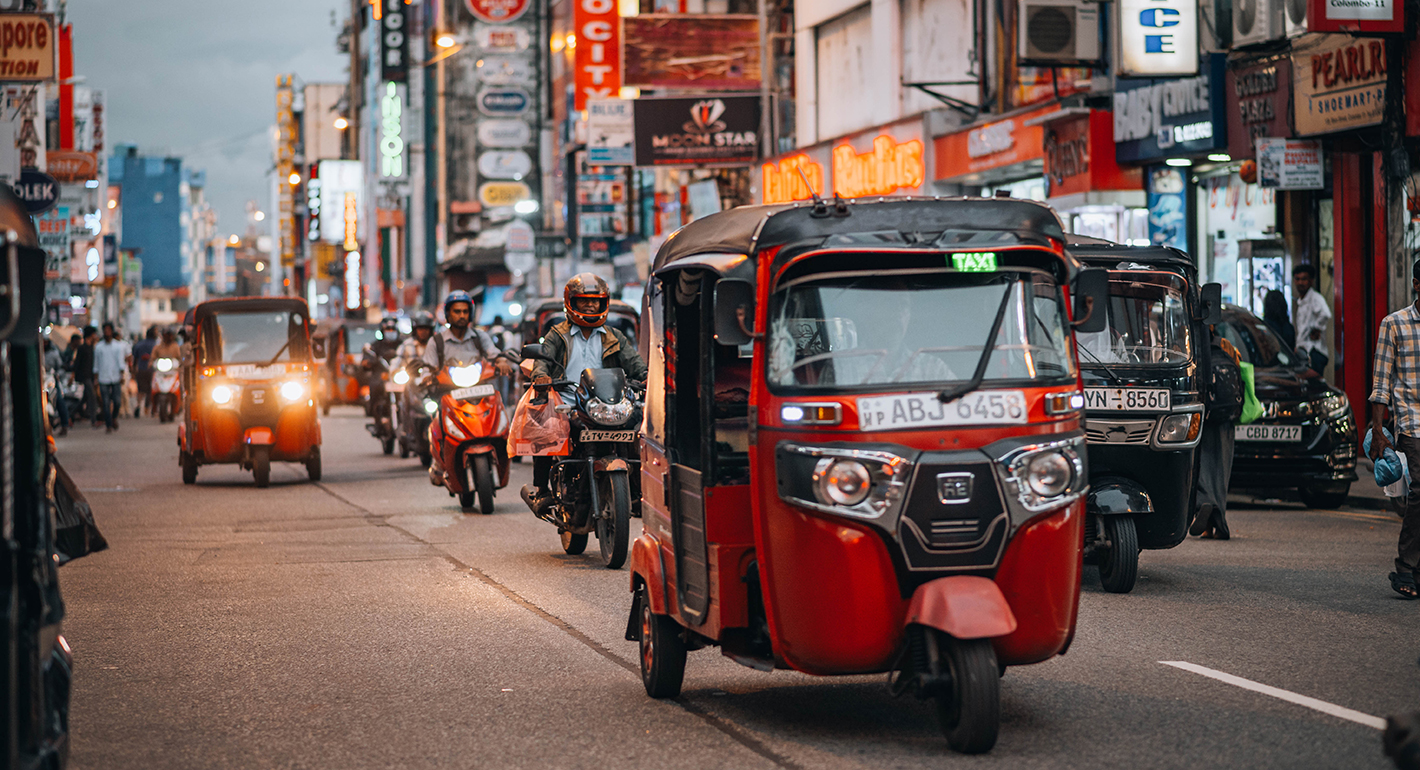
Economic recovery has brought Sri Lanka a modicum of stability, but domestic strains and great-power rivalry could test how long it lasts.
Avinash Paliwal
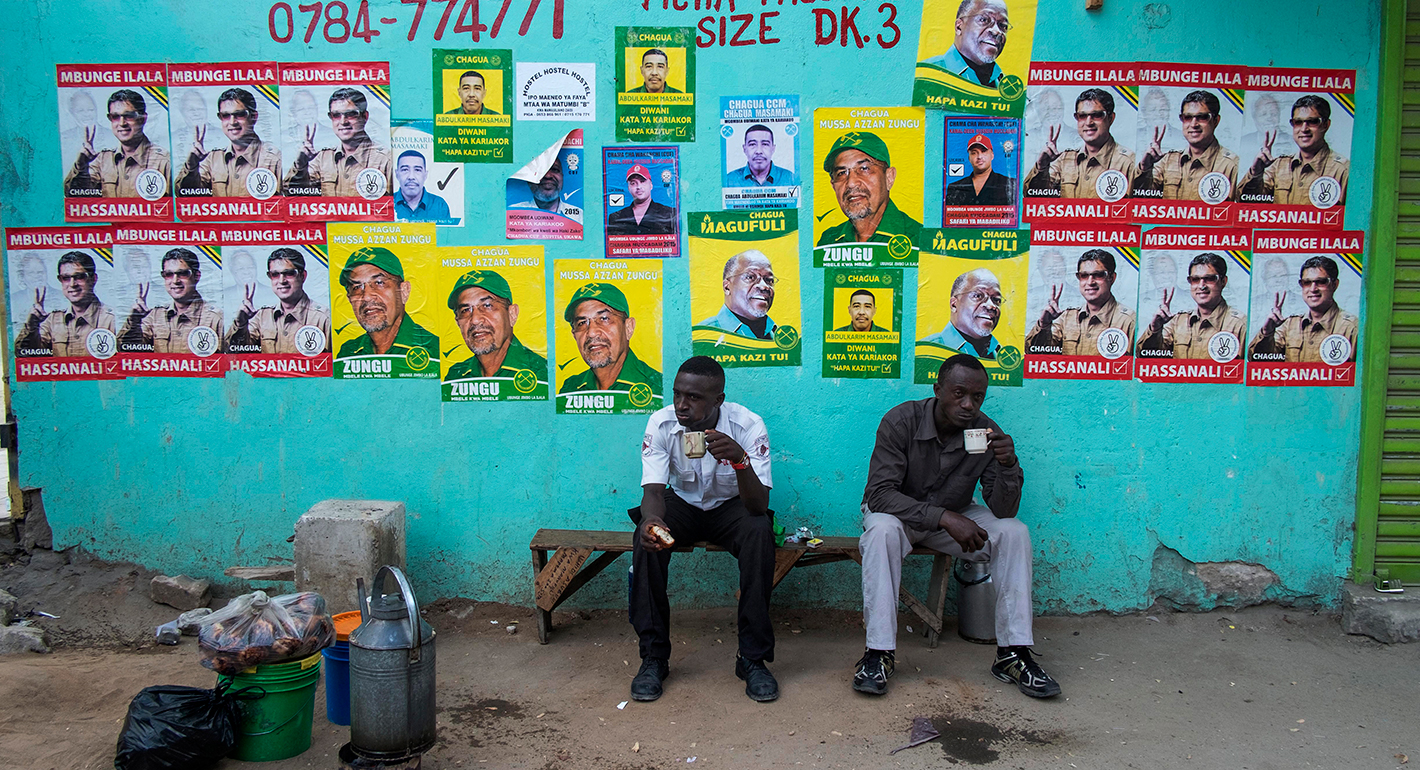
Today’s global democratic recession is partly rooted in a common perception that democracies have a delivery problem, with many citizens in both autocracies and democracies alike now believing that strongmen can achieve better governance outcomes. But a study of four countries in Africa reveals that democratic-leaning governments have demonstrated better governance performance than autocratic governments.


Sarah Yerkes, Natalie Triche, Amr Hamzawy
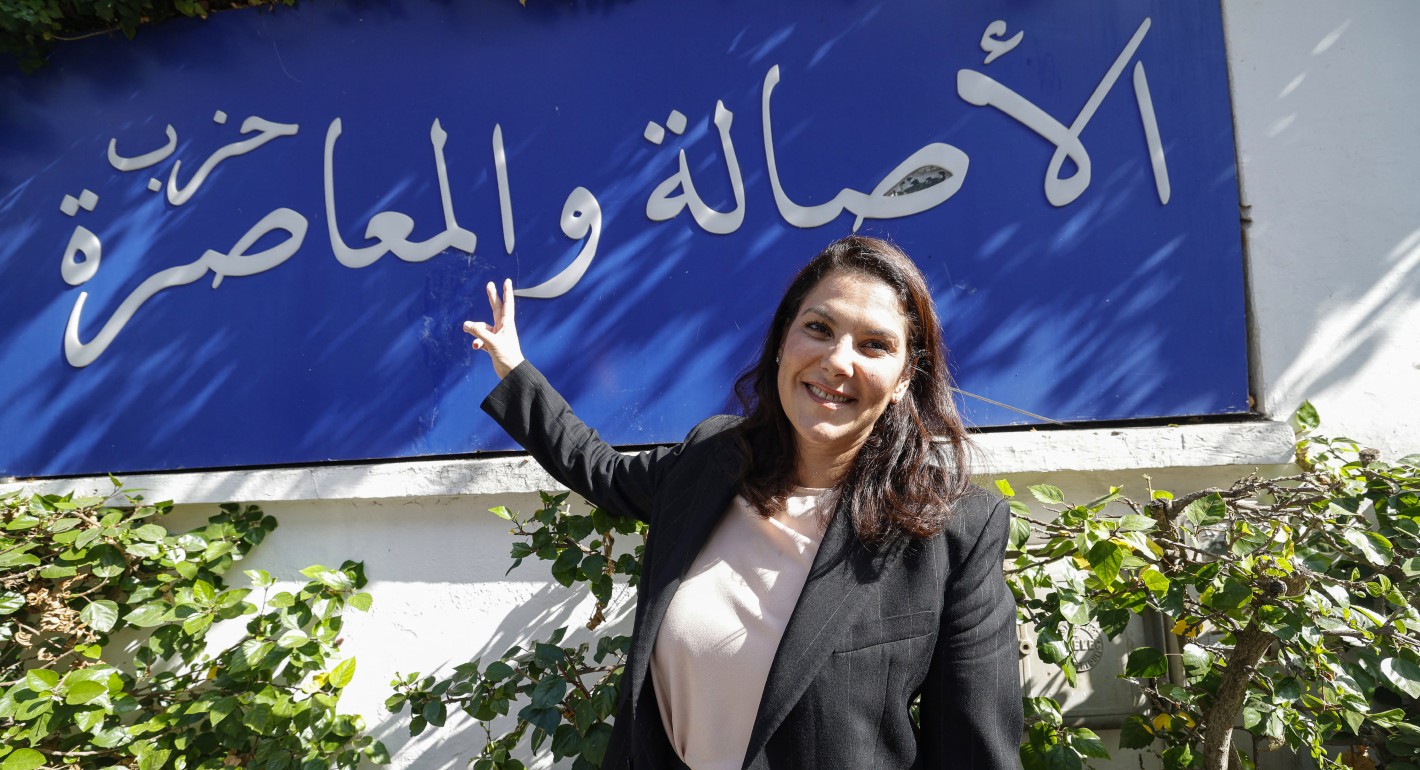
Fatima El Mansouri is the country’s first female prime minister. She’s also a privileged insider in a largely ceremonial position.
Sarah Yerkes