

Article
Frederic Wehrey, Charles H. Johnson
{
  "authors": [
    "Frederic Wehrey"
  ],
  "type": "legacyinthemedia",
  "centerAffiliationAll": "dc",
  "centers": [
    "Carnegie Endowment for International Peace",
    "Malcolm H. Kerr Carnegie Middle East Center"
  ],
  "collections": [],
  "englishNewsletterAll": "menaTransitions",
  "nonEnglishNewsletterAll": "",
  "primaryCenter": "Carnegie Endowment for International Peace",
  "programAffiliation": "MEP",
  "programs": [
    "Middle East"
  ],
  "projects": [],
  "regions": [
    "Middle East",
    "Lebanon",
    "Saudi Arabia",
    "Gulf",
    "Levant"
  ],
  "topics": [
    "Political Reform",
    "Democracy"
  ]
}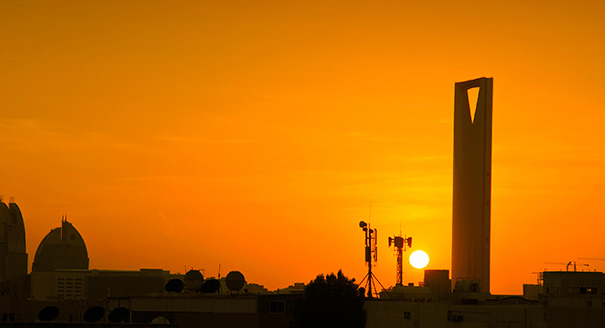
Source: Getty
The sweeping arrest of royals and officials in Saudi Arabia has removed many of the last checks and balances to executive power in the country.
Source: Axios
In Saudi Arabia, foreign and domestic policy have long been intertwined: Royals use diplomacy to consolidate legitimacy at home but also to solicit consensus from Saudi elites that acts to buttress their policies abroad. All that has now changed.
In seizing vast executive powers, as in this weekend's sweeping arrest of royals and officials, Crown Prince Mohammad bin Salman is undoing the last of those checks and balances — princely economic and security fiefdoms that acted as countervailing influences. He has freed himself to engage in ill-fated confrontations abroad that dilute Saudi power, exposing the kingdom to greater military threats and scaring off investors.
Complicating matters further, the crown prince has opened too many fronts at once: military entanglement in Yemen, a blockade of Qatar, and a campaign against the Muslim Brotherhood. Most recently, he has accused Lebanon of being a hostile power because of the dominance of the pro-Iranian group Hezbollah.
Why it matters: By risking instability and even open conflict, these moves undermine Saudi Arabia's power and play to the strengths of its regional rivals. Iran in particular thrives on disarray in the Middle East, and its militant proxies far outmatch the kingdom's.

Senior Fellow, Middle East Program
Frederic Wehrey is a senior fellow in the Middle East Program at the Carnegie Endowment for International Peace, where his research focuses on governance, conflict, and security in Libya, North Africa, and the Persian Gulf.
Recent Work
Frederic Wehrey, Charles H. Johnson
Frederic Wehrey, Charles H. Johnson
Carnegie does not take institutional positions on public policy issues; the views represented herein are those of the author(s) and do not necessarily reflect the views of Carnegie, its staff, or its trustees.
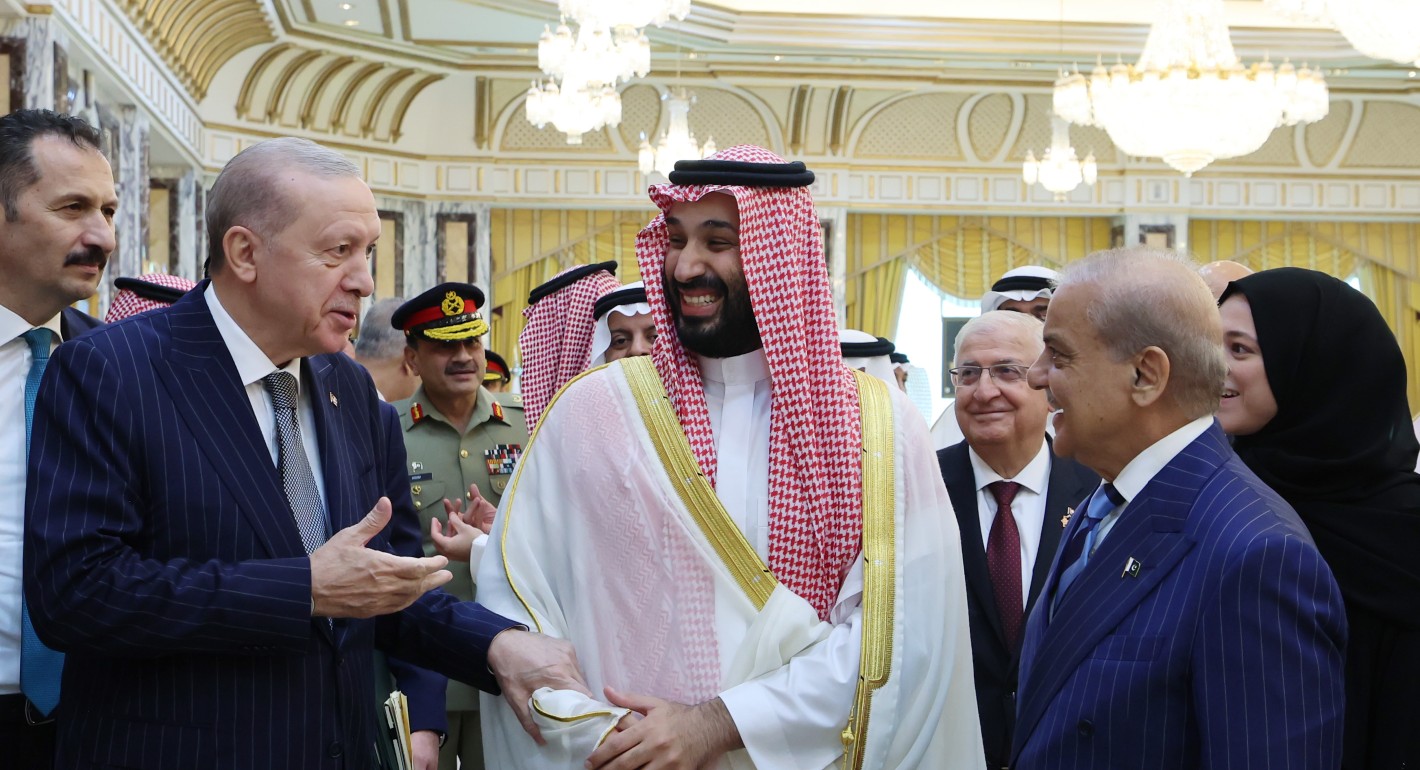
Why Pakistan, Saudi Arabia, and Turkey are joining forces on regional security.


Alper Coşkun, Amr Hamzawy
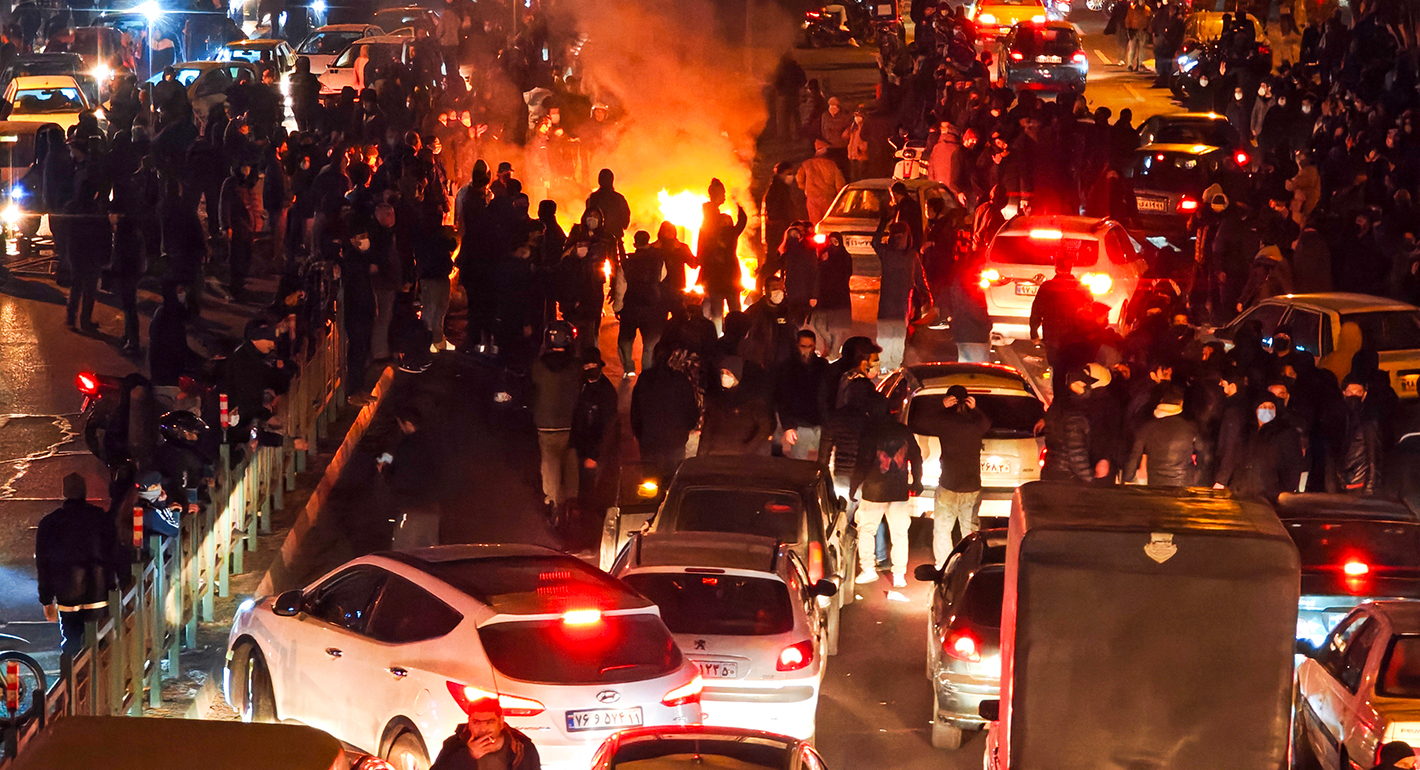
Protests in Iran follow a similar pattern: Economic grievances turn into political protests that spread nationwide. But increased state repression has begun to shift the arrangement.

Eric Lob

Putin’s conservative staffing policies and search for ever greater control have cemented parliament’s transformation into a bureaucratic appendage of the executive branch.

Andrey Pertsev
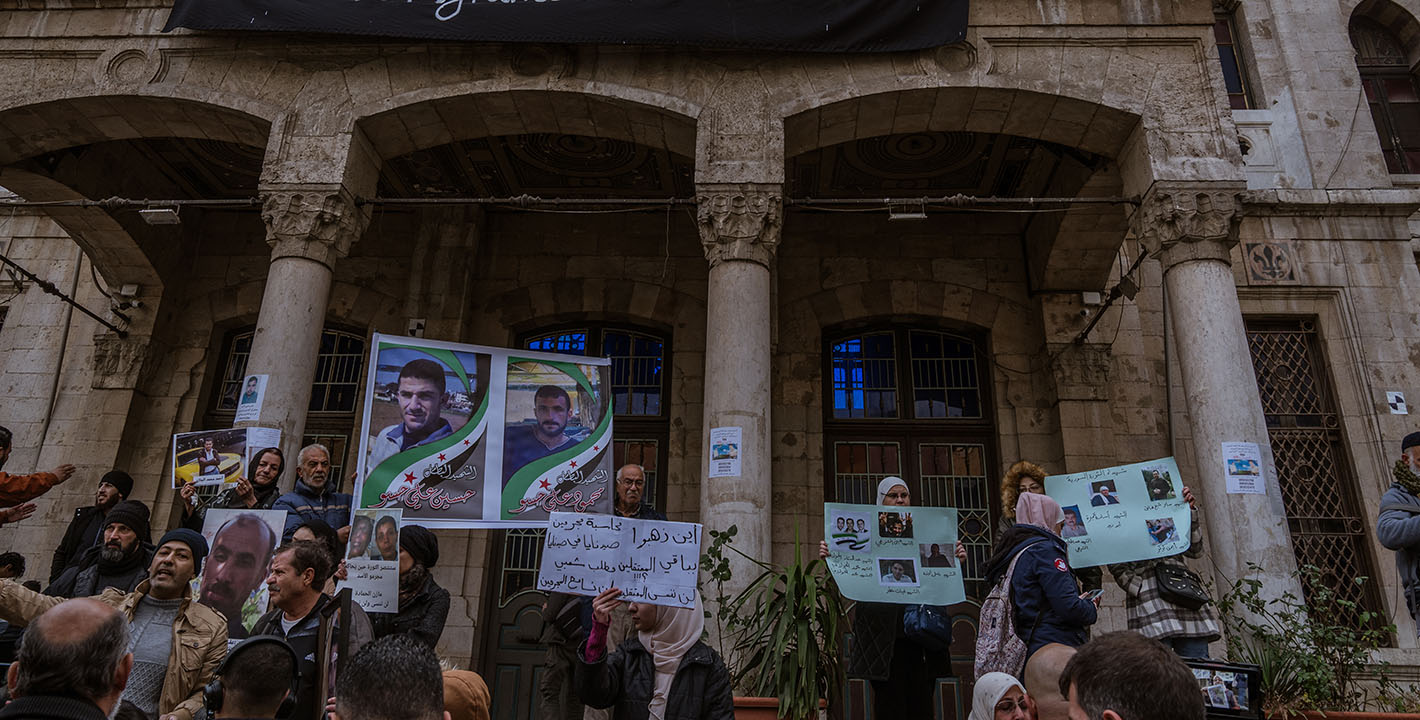
Reconciliation councils are emerging throughout the country to mediate in intracommunal disputes, many from the war years.
Natacha Danon
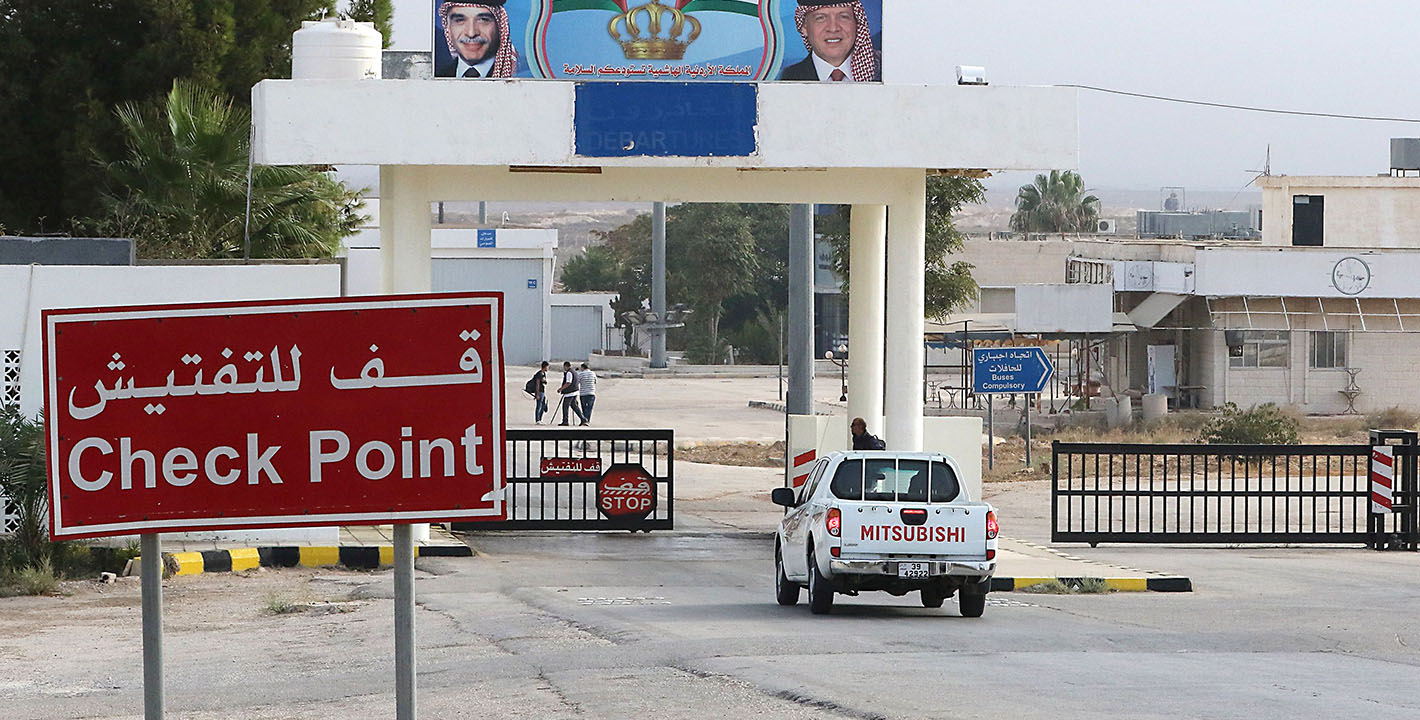
The civil war in Syria may have ended, but the country continues to serve as a source for the trafficking of illegal substances into and via Jordanian territory.

Armenak Tokmajyan, Laith Qerbaa