

Report
Tim Maurer, Arthur Nelson
{
  "authors": [
    "Tim Maurer"
  ],
  "type": "other",
  "centerAffiliationAll": "dc",
  "centers": [
    "Carnegie Endowment for International Peace"
  ],
  "collections": [],
  "englishNewsletterAll": "ctw",
  "nonEnglishNewsletterAll": "",
  "primaryCenter": "Carnegie Endowment for International Peace",
  "programAffiliation": "TIA",
  "programs": [
    "Technology and International Affairs"
  ],
  "projects": [],
  "regions": [
    "North America",
    "United States",
    "Middle East",
    "Iran"
  ],
  "topics": [
    "Security",
    "Technology"
  ]
}
Source: Getty
More than 30 countries are pursuing offensive cyber capabilities. These states rely on hackers that are not part of the intelligence community–cyber mercenaries or, more broadly, cyber proxies.
Source: Washington Quarterly
Non-liberal democracies are delegating, orchestrating, or passively supporting cyber proxies to conduct offensive cyber actions, affecting international peace and security. Developing a more robust and comprehensive strategy, particularly in international law enforcement among other approaches, is needed to more effectively address cyber proxies in the long term.

Former Senior Fellow, Technology and International Affairs Program
Dr. Tim Maurer was a senior fellow in Carnegie’s Technology and International Affairs program.
Recent Work

Tim Maurer, Arthur Nelson
Tim Maurer, Garrett Hinck
Carnegie does not take institutional positions on public policy issues; the views represented herein are those of the author(s) and do not necessarily reflect the views of Carnegie, its staff, or its trustees.

The EU can impose sanctions but struggles to enforce them without the United States. With Washington increasingly disinterested in backing European interests, the bloc must now fend for itself.


Nicu Popescu, Tiago Antunes
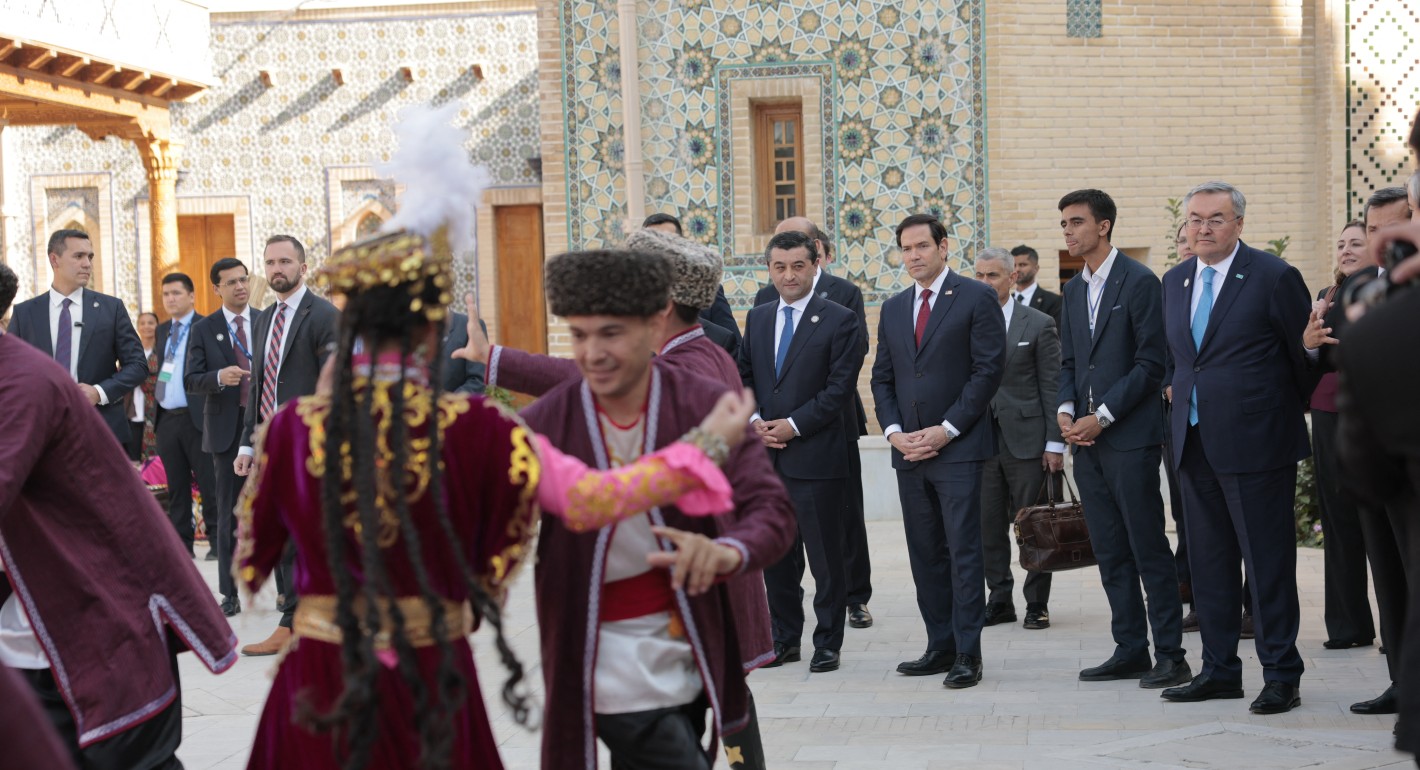
Rubio’s recent visit brought welcome attention, but more capital requires governance changes that may be a hard sell for regional governments.

Jennifer B. Murtazashvili

America’s foreign-policy objectives have grown more demanding while Americans have demanded greater focus on their own affairs.

Stephen Wertheim

Japan’s long-term security policy is driven by concerns about China, and there is little appetite for (or interest in) pursuing a confrontation with Moscow.

James D.J. Brown

Russia is testing the waters of NATO’s mutual defense clause. What do strikes in Romanian territorial waters mean for the alliance’s posture toward Moscow?

Dimitar Bechev