


Programs
Middle East
About the Program
The Middle East Program in Washington combines in-depth regional knowledge with incisive comparative analysis to provide deeply informed recommendations. With expertise in the Gulf, North Africa, Iran, and Israel/Palestine, we examine crosscutting themes of political, economic, and social change in both English and Arabic.
Program Experts
Nonresident Scholar, Middle East Program
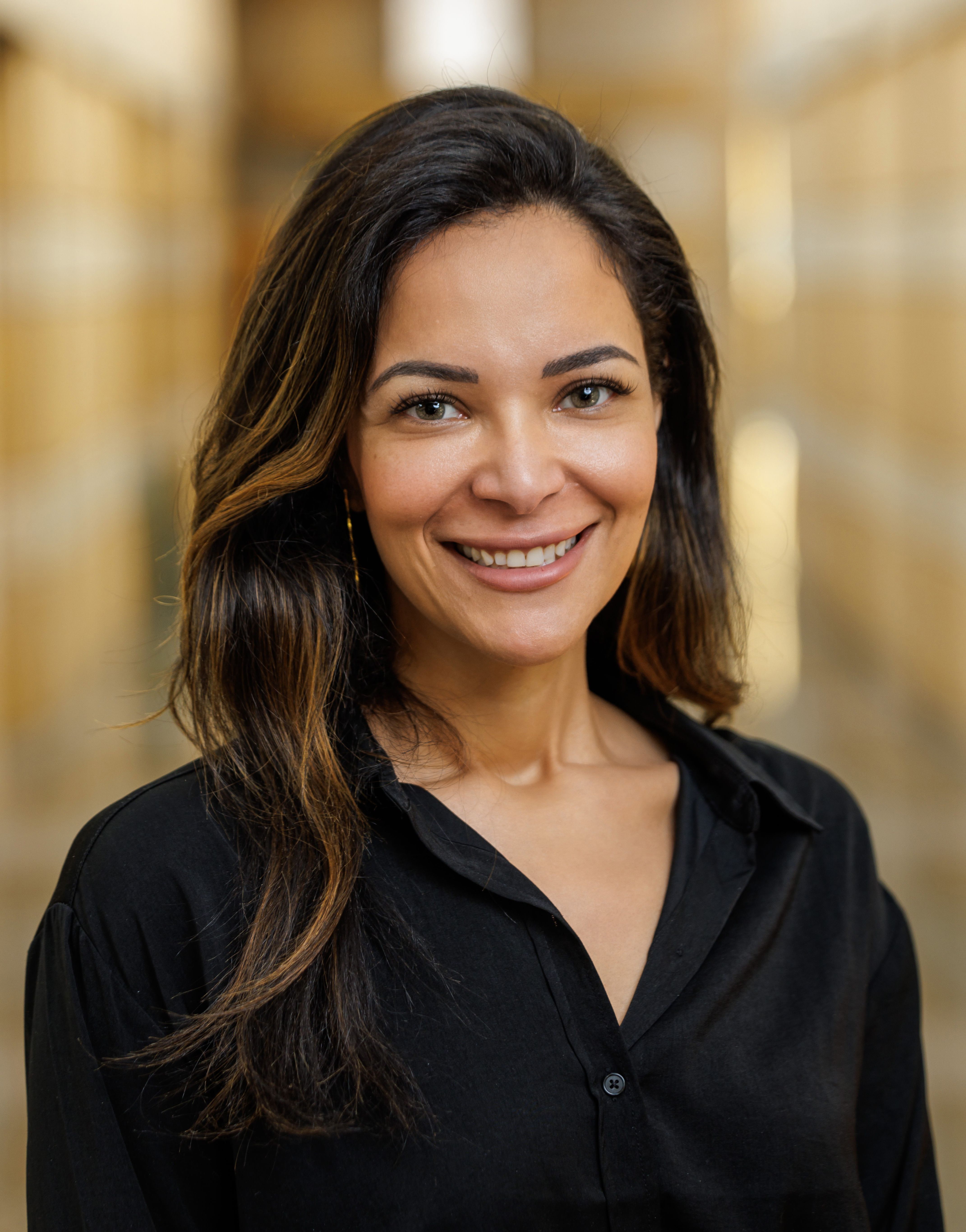
Nonresident Senior Fellow, Middle East Program

Director, Middle East Program

Senior Fellow, Middle East Program
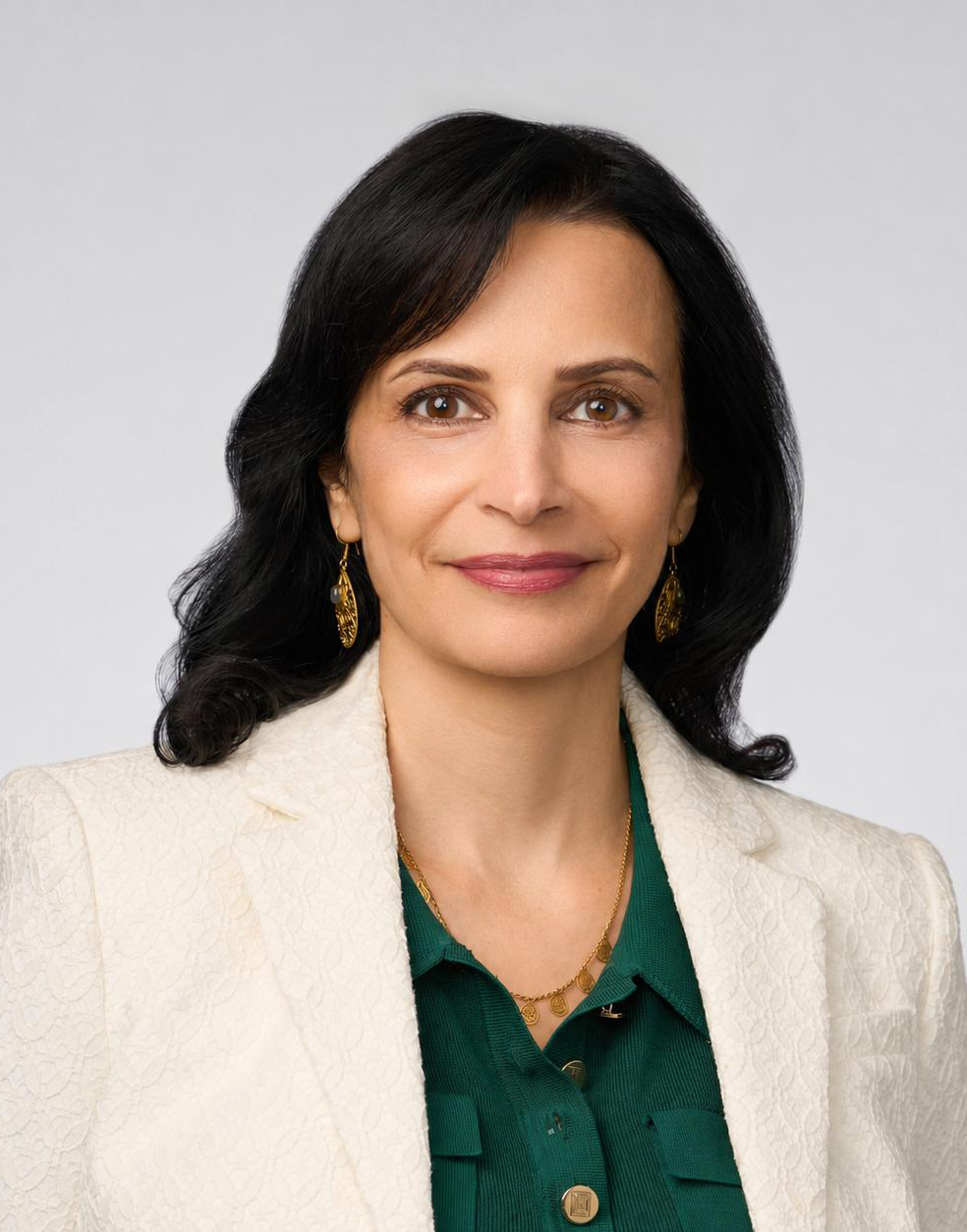
Nonresident Scholar, Middle East Program

Nonresident Scholar, Middle East Program

Vice President for Studies

Senior Fellow, Middle East Program

Nonresident Scholar, Middle East Program
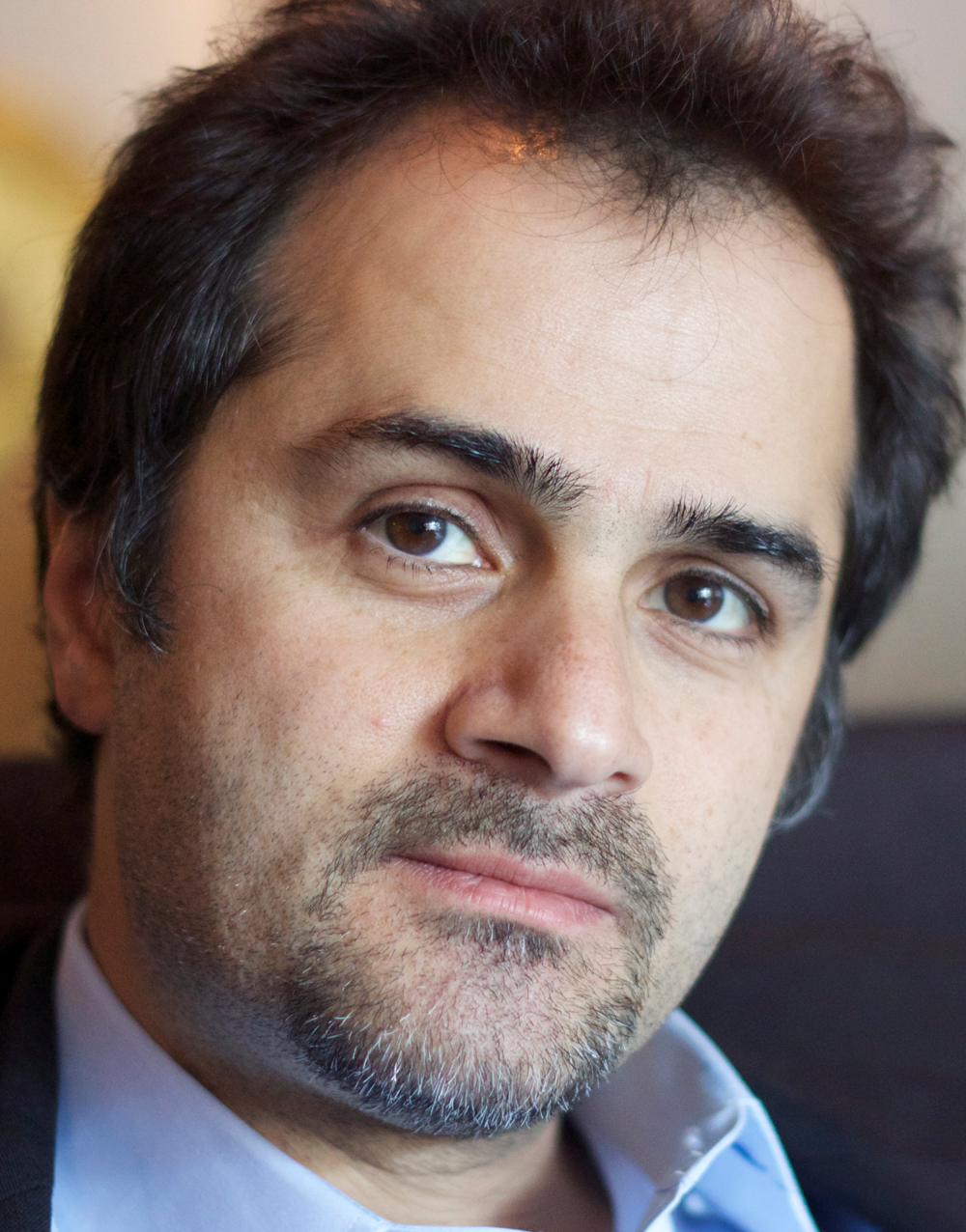
Senior Fellow, Middle East Program

Nonresident Scholar, Middle East Program
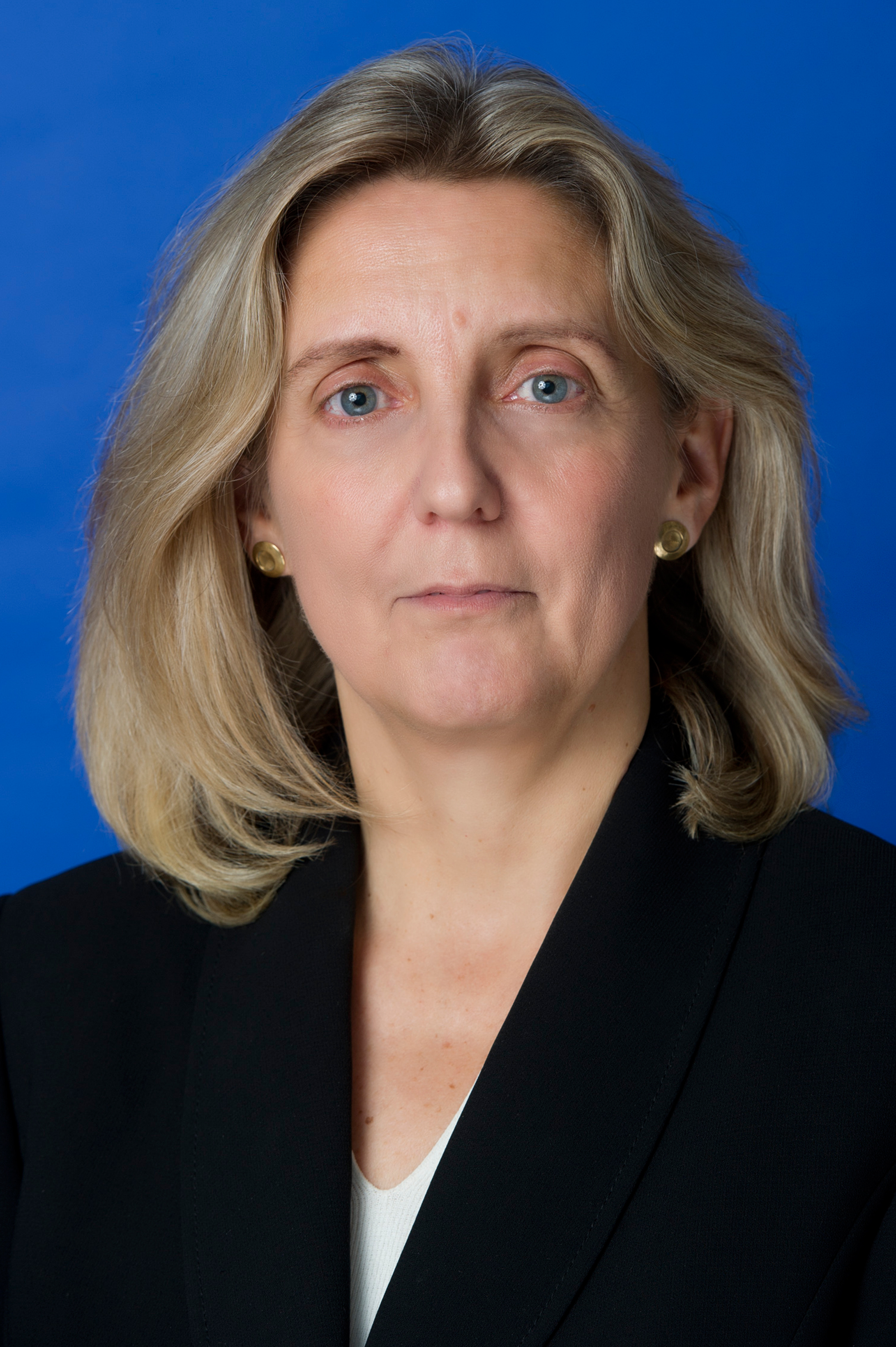
Acting Co-Director and Senior Fellow, Middle East Program

MENA Transitions
MENA Transitions is a monthly newsletter with the latest analysis from the Carnegie Middle East Program and the Malcolm H. Kerr Carnegie Middle East Center.
Diwan
Diwan, a blog from the Carnegie Endowment for International Peace’s Middle East Program and the Malcolm H. Kerr Carnegie Middle East Center, provides insight into and analysis of the region. Drawing on the expertise of a team of Carnegie scholars—both in the Middle East and in Washington—this blog will offer reactions to breaking news, interviews with personalities and political figures, and updates on Carnegie research projects.

Sada
Sada is an online journal rooted in Carnegie’s Middle East Program that seeks to foster and enrich debate about key political, economic, and social issues in the Arab world and provides a venue for new and established voices to deliver reflective analysis on these issues.
Arabic Multimedia
Carnegie’s YouTube in Arabic
This channel hosts Carnegie original content in Arabic, including podcasts, documentaries, and more.
Focus
Key Areas of Research
Palestine/Israel
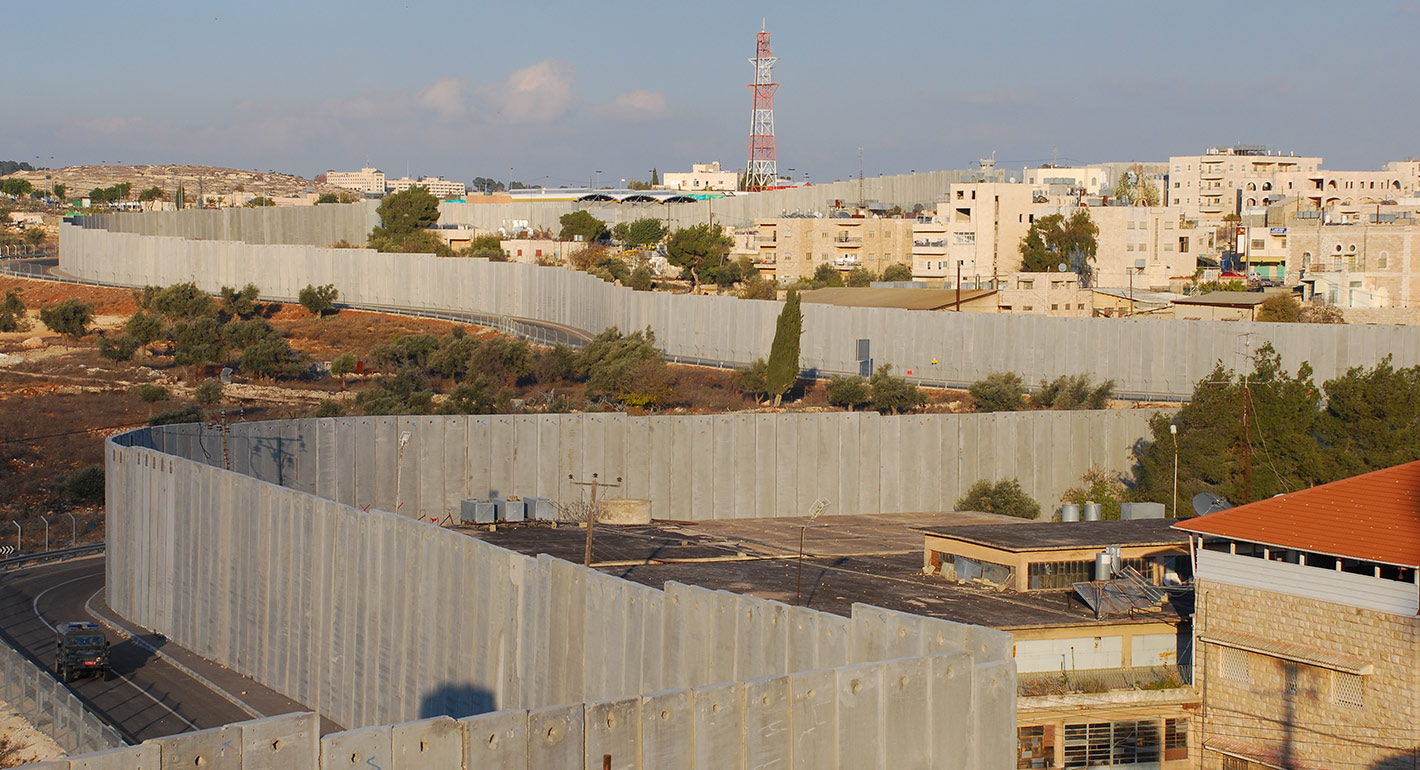
Tracking political, diplomatic, and economic changes in Palestine and Israel, we carry out on-the-ground research, publish groundbreaking research, and host frequent discussions on related topics.
Egypt
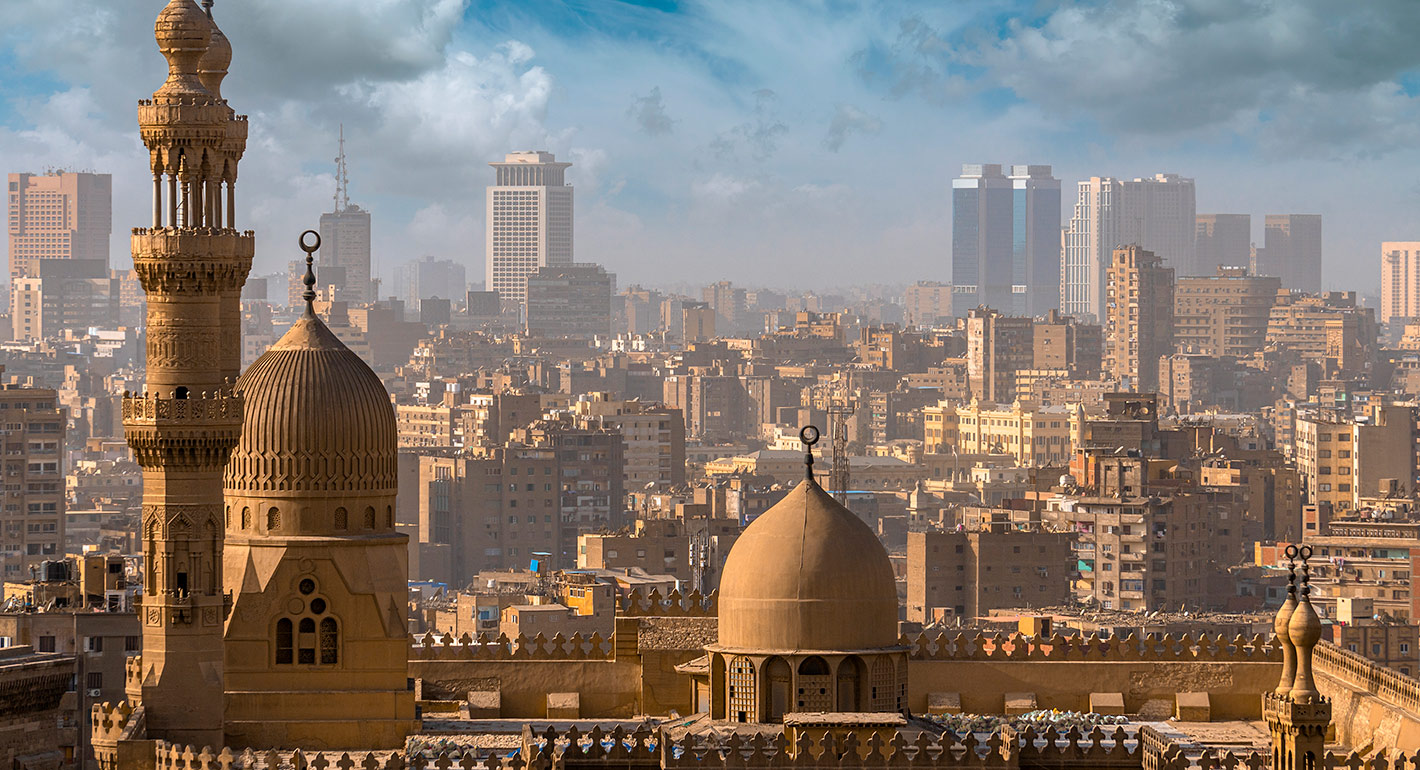
Our program has carried out innovative research on Egypt’s political, economic, security, and social trajectory throughout years of turmoil and reverses. Current research focuses on tracking constitutional, legal, and political changes; human rights and civil society issues; and activities of the large and growing community of political exiles abroad.
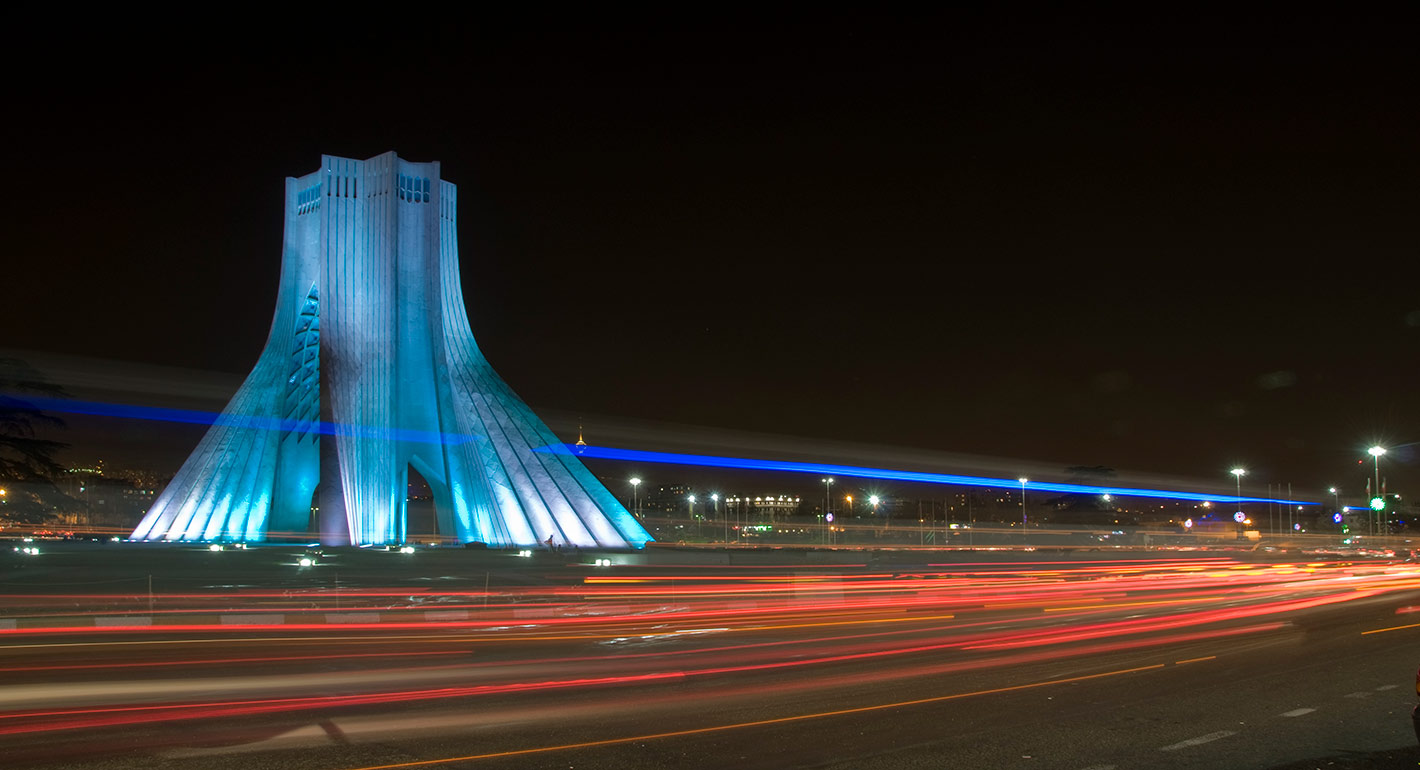
Iran
We provide current and long-range analysis of political, leadership, military, and economic trends in Iran and the country’s role in the region.
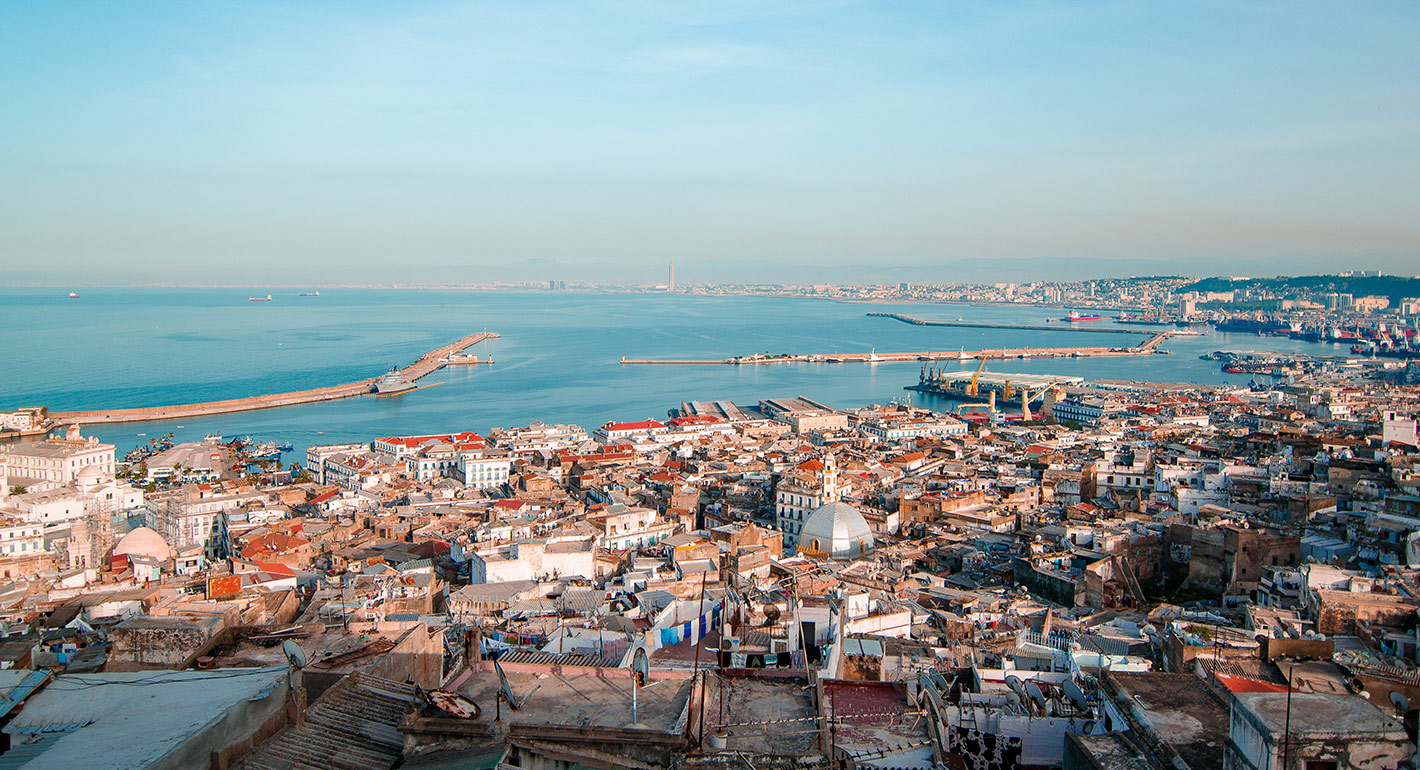
North Africa
We have unusual depth of expertise in North Africa, with renowned experts on Algeria, Egypt, Libya, Mauritania, Morocco, and Tunisia. Current research focuses on the causes and likely results of ongoing protests as well as the implications of marginalized citizens and regions in each country.